


Workout Apps

Workout Plans

Getting Started: Intro and Warm-Up for Beginner Conditioning
This session is planned for those who are just starting the gym or have not had much experience in the training field. It’s important to build a solid conditioning base in order to maximize muscle gains and avoid injuries.  According to the training principles, we must start with an “anatomic adaptation period”, and from time to time we’ll be getting ready to increase the training volume, intensity, and workload. Don’t hurry up, respect the training protocols, resting time, and trust in the process, and you’ll see results sooner than you’ve imagined. Before starting: we recommend you type your weight and height, and take a front, lat, and back picture of yourself. Training sessionBefore starting, always do mobility and full-body pre-activation. Always remember to exhale when pushing and inhale when relaxing.WARM UP:  MOBILITY + FULL-BODY PA. Exercise Sets Video Mobility elastic band 30’’- 2’ https://www.youtube.com/watch?v=NTMkmajh6FQ Hip mobility 30’’- 2’ https://www.youtube.com/watch?v=HtNGW21016I **Before starting to exercise, please read the tips and instructions
Your 4-Week Beginner Training Blueprint
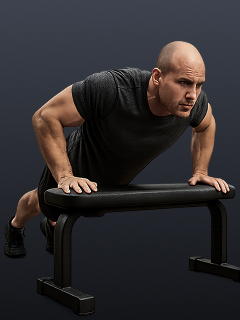
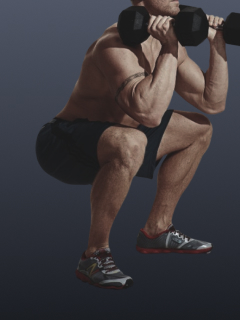
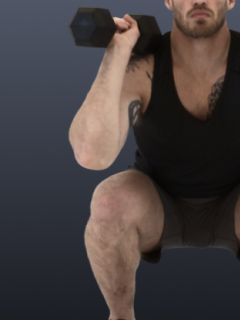
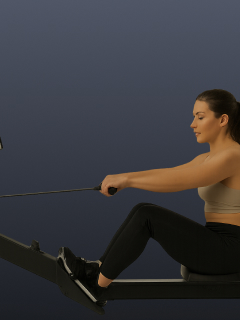
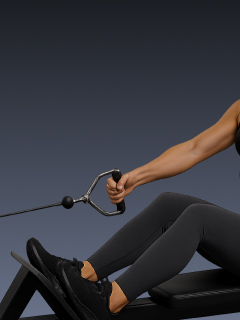
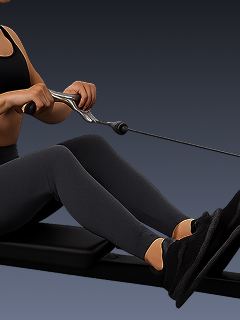
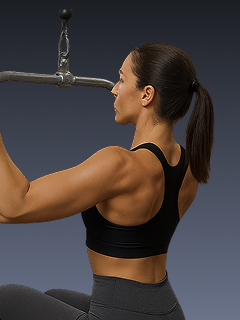
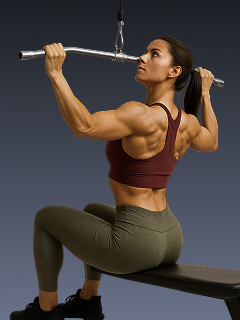
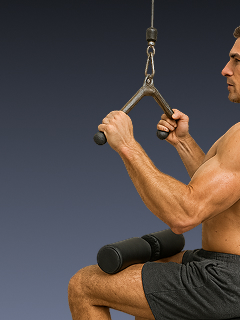
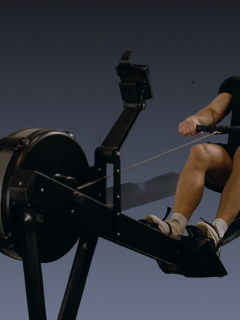
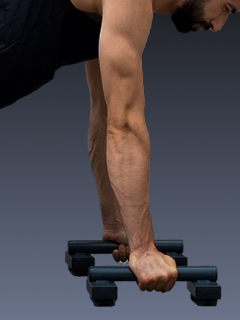
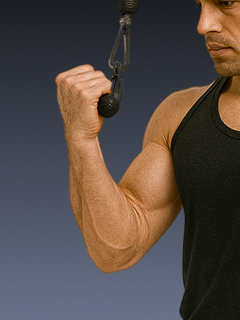
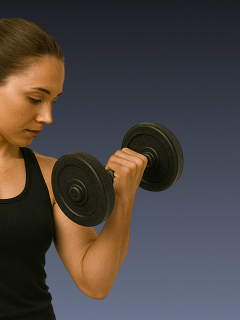
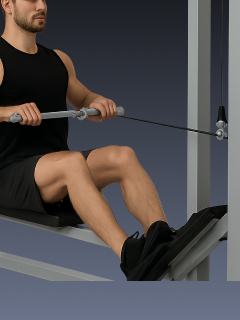
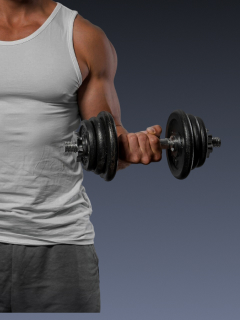
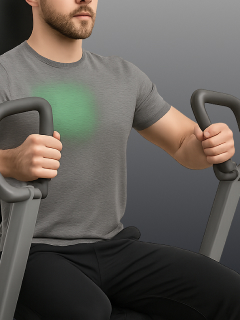
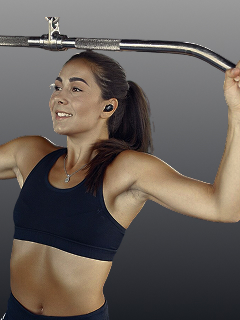
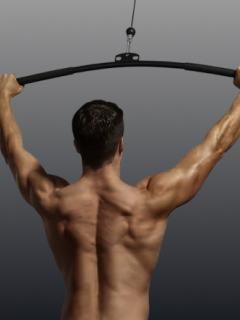
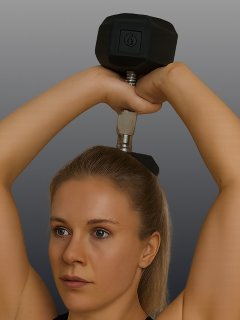
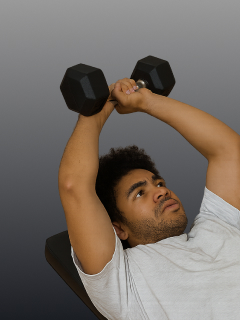
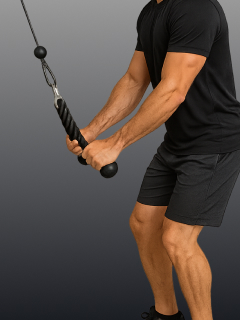
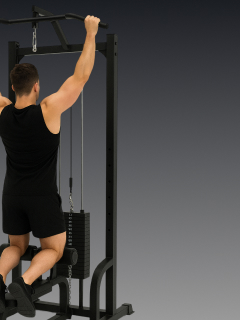
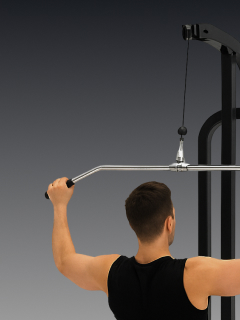
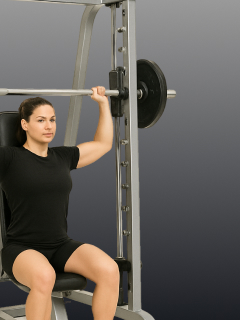
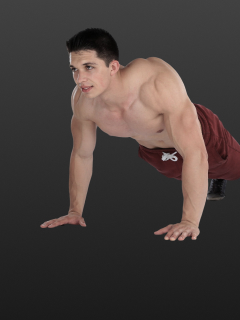
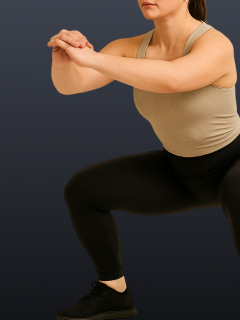
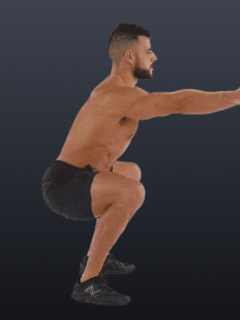
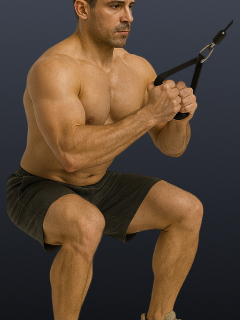
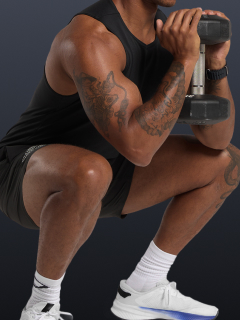
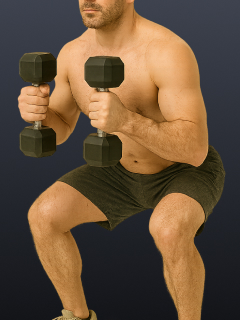
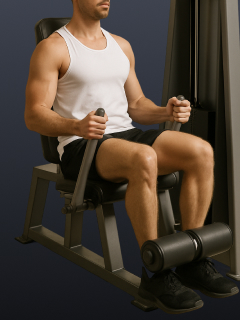
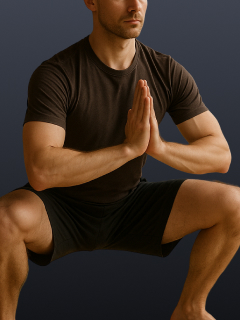
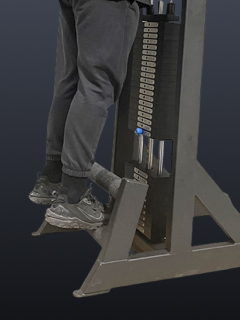
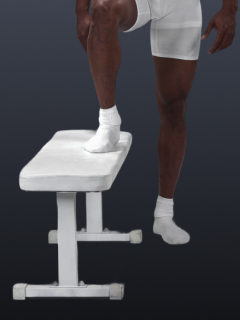
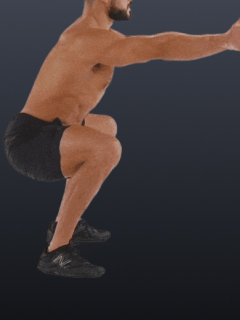
We will train/work with a timer during the first 3 weeks instead of reps or % RM to get used to resistance fatigue. In week nº 4, we add weight and increase the workload in every exercise. Very important to always try to maintain the best possible form, don’t overforce yourself trying to speed up the times. Make sure to watch out for your back, general body position, and joint alignment. Our aim is to help you and motivate you to be the Alpha, not to get injured or be a quitter, so trust the process, and the results will come. Before starting the plan, please check the exercise at home, take a minute to watch the video, the technique, and if you have any doubts, don’t hesitate to ask us.Day 1-3 Exercise Sets Reps Rest Body weight squats 4 45’’ 15’’ Push up 4 45’’ 15’’ Walking Lunges (walk, no steady) 4 45’’ 15’’ Pull downs (machine) 4 45’’ 15’’ Plank 4 45’’ 15’’ Bicep curl with Db. 4 45’’ 15’’ ROWING MACHINE 4 2’’ - There are 3 ways to do this table. Option A: What I recommend to you is to start with A-bw squats and continue with push-ups, then walking lunges, and so on. Once you’ve finished all the exercises, repeat them 4 times. So it will be a full-body circuit training. If the gym is not crowded, this is the best choice. If it is s,o go to B or C. Option B: Classical way, to do each exercise at the time. E.g.: BW squat for 45 sec, rest and repeat again 4 times (and so on), then go to the second exercise and so on. Option C: You can do paired exercises. E.g.: first bw squat, rest, and then push up, then rest and back again to bw squats.Day 2-5 Exercise Sets Reps Rest Step up db 4 45’’ 15’’ Seated press 4 45’’ 15’’ Leg extension 4 45’’ 15’’ Seated row 4 45’’ 15’’ Leg curl 4 45’’ 15’’ Triceps extension 4 45’’ 15’’ Rope skipping 4 2’’ - DAY 3 High Intensity CardioInterval training + recovery cardio. This plan can be done either running, on the bike, rowing machine, skipping, or another way. Interval: - 3 min slow intensity + 30 sec as fast as possible ( slow: in scale of 1 to 10, where 10 is sprinting or as fast as possible, go around 6). - 3 min slow intensity + 30 sec as fast as possible - 2 min slow intensity + 30 sec as fast as possible - 1 min slow intensity + 30 sec as fast as possible - 30 sec slow intensity + 30 sec as fast as possible - 1 min slow intensity + 1 min as fast as possible - 2 min slow intensity + 30 sec as fast as possible - 3 min slow intensity + 1 min as fast as possible+ recovery running. -🡪 20 min intensity 5-6.Week 4: This last week, we’ll increase the resistance in each exercise. We’ll have the same time (45 sec), but we’ll perform 12 reps in each exercise. How do I choose the weight? Use this simple rule: it has to be heavy enough to do 12 reps but not able to do 15 reps. Always let a couple of reps on the energy storage. We don’t reach muscle failure (muscle failure means that we can’t do one more rep, eg, if I said 12 reps and you do very heavy and can’t lift more after 11 or 10, that’s what we call - we can't win against the resistance. Day 1-3 Exercise Sets Reps Rest DB Squats (GOBLET) 4 45’’ 15’’ Push up 4 45’’ 15’’ Walking Lunges (walk, no steady) Use db 6, 8,10 kg 4 45’’ 15’’ Pull downs (machine) 4 45’’ 15’’ Plank 4 45’’ 15’’ Bicep curl with Db. 4 45’’ 15’’ ROWING MACHINE 4 2’’ - Day 2-5 Exercise Sets Reps Rest Step up db use 8, 10 or 12 kg 4 45’’ 15’’ Seated press (not more than 12 reps) 4 45’’ 15’’ Leg extension (same above) 4 45’’ 15’’ Seated row 4 45’’ 15’’ Leg curl 4 45’’ 15’’ Triceps extension 4 45’’ 15’’ Rope skipping 4 2’’ -
Power Up Every Workout: Essential Instructions
Before starting, always do mobility and pre-muscle activation - Always pay attention to controlling the move perfectly, on the negative phase, and make sure to do the pushes as fast, accelerated, and strong as you can. (ALWAYS – each rep.). - Complete ROM (Range of motion). Better less weight but better moved, always. - It must be heavy training, but avoiding failure. (Always let 1.5 - 2 reps in the reserve). - Enough rest to do the next set as fast as always, with the best possible technique. - Correct breathing, usually, exhale when you have to push. IMPORTANT: Lumbar control, dorsal, and safe stability in every exercise. ALWAYS. At the end of the session, don’t leave without doing mobility. Maximum acceleration always means concentric really fast (as much as possible), and eccentric, controlling a bit the phase. Always enjoy! Please check the exercises, and if you have any doubts, don’t hesitate to text us.
Intermediate Full-Body Conditioning Plan
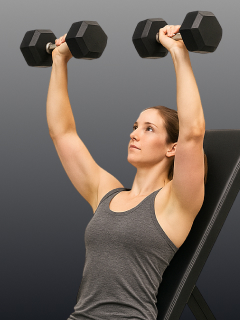
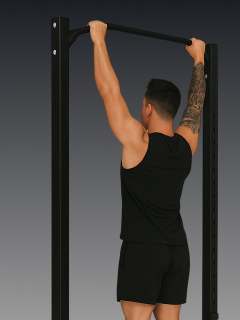
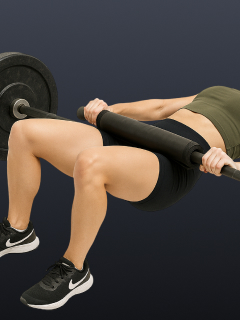
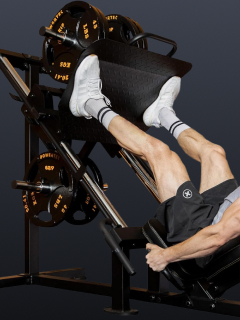
This plan is perfect for those who are already training at the gym, have been training for a while, and have passed the anatomical adaptation period. The workloads, intensity, volume, and training frequency have increased in order to offer you better adaptation and better body changes. The plan is designed to boost your metabolism, stimulate muscle growth, stamina, and endurance, qualities that every ALPHA must have. Well, split the session into 5 different trainings per week, 2 upper body sessions, 2 lower body sessions, and 1 cardio conditioning. The workload is very important. If we don’t choose the correct weight and perform the exercises as we said, we won’t get the best possible results. So to maximize gains, please remember these rules & tips: Every exercise has to be performed with high intensity, we’ll work between 85% and 95% of maximum strength. BUT without reaching muscle failure. (Muscle failure means that you can’t do another single rep). E.g: if we said do 12 bench press with bar, and you choose a weight where you do the 12 reps but actually you are able to do 15 or 20 reps, means that the weight and the tension level is very under the strength level required, SO IN THIS CASE THE MUSCLE WONT GROW, AND WE WONT INCREASE THE STRENGHT AS WEL. If you do 5 reps and can’t get the 12 reps, it means that the weight is too much, so this is considered muscle failure, cause you are not able to perform 12 as it says. The best way to follow the whole plan is to use the following rule: When it says 12 REPS, we always want you to be able to do max 13 reps. So if you stand in 10 -12, that’s the optimum. BUT DON’T BE ABLE TO DO 15 REPS! Give the muscle proper stimulation, and it’ll grow, and your body will change. DAY 1 Upper Body I. Exercise Sets Reps Rest A1. Bench press barbell 4 12 - A2. Pull down 4 12 45’’ B1. Incline bench press DB. (db= dumbbell) 3 10 - B2. Seated row (triangle grip) 3 10 45’’ Bicep curl barbell 4 12 30-45’’ Triceps extension cable 4 15 30-45’’ Lateral raises DB. 4 12 30-45’’ A1. A2, B1,… means that it is a paired exercise. First, do A1, then do A2, and then rest for 45 seconds - that’s 1 set. When you finish the 4 sets (in case of bench press + pull down), go to B1 + B2. Resting time after both exercises, not between them.🡪 If there is no letter (a, b, c) before the exercises is a single exercise. DB= dumbbellBB= BarbellDAY 2 Lower Body I. Exercise Sets Reps Rest Squats bb. 4 12 - Leg press 4 15 45’’ Up to the box db. 4 10 - Plank 2 45-60’’ - Walking lunges 4 20 steps 45’’ Leg extension 4 10 30-45’’ Plank 2 45-60’’ 30-45’’ DAY 3 Cardio Conditioning Cardio conditioning helps to increase the fat-burning process, improve conditioning, and eliminate muscle pain. MED- LOW INTENSITY.(We use explanations of a beginner's plan)10 MIN SLOW + 10 min interval training + 20 burpees + 50 mountain climbers + 1 min of plank + 10 MIN SLOW (RUNNING, BIKING, ROPE SKIPPING OR ROWING). DAY 4 Upper Body II. Exercise Sets Reps Rest A1. Incline bench press bb 4 10 - A2. Pull ups 4 10 45’’ B1. Bench press db 4 10 - B2. Seated row wide grip 4 10 45’’ C1. Military press db 4 12 - C1.Bicep curl CABLE 4 15 - C2.Triceps dips 4 12 60’’ C1.C2.C3 IS A TRISET. NO REST BETWEEN THEM, REST AFTER THE 3 EXERCISES 1 MIN.- If you can't make a pull-up up use an elastic band or pull-up machine. If you can do more than 10, hang some extra weight.DAY 5 Lower Body II. + triset Exercise Sets Reps Rest Dead lift 4 10 45’’ Leg curl 4 12 45’’ Goblet squat db 4 10 30-45’’ Glute bridge 4 15 30’’ Calf raises 4 30 30-45’’ Triset: 15 push ups, 10 pull ups + 15 burpess 4 45’’ Mountain climbers 3 50 30-45’’ Always, after finishing, don’t forget to do mobility and relaxation. It will help to avoid injuries and ensure proper recovery from the training.
Advanced Full-Body Conditioning Plan
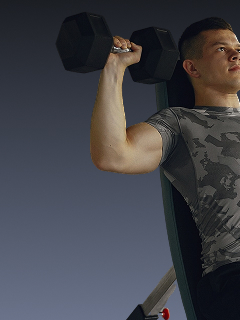
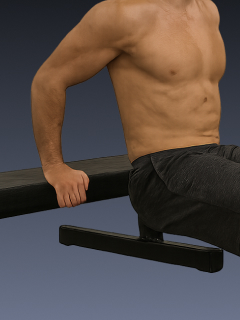
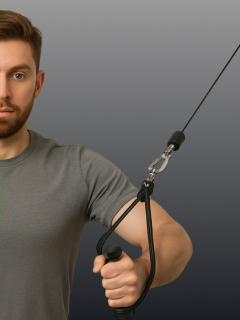
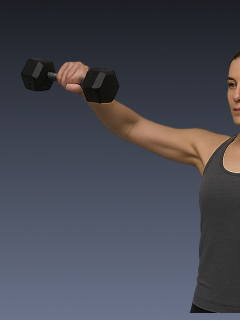
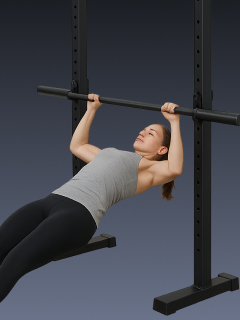
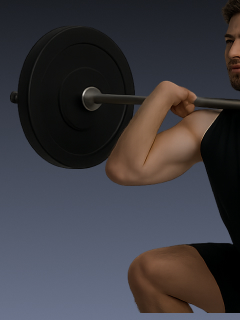
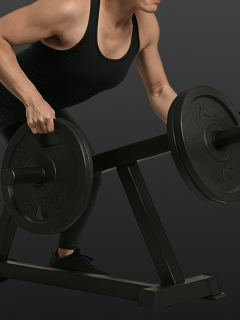
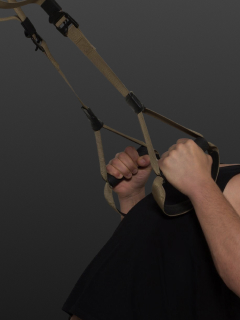
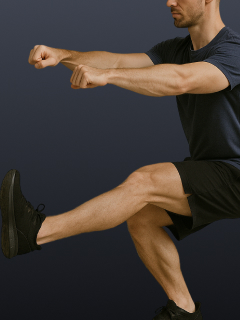
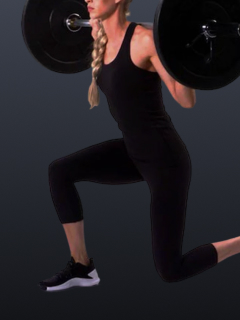
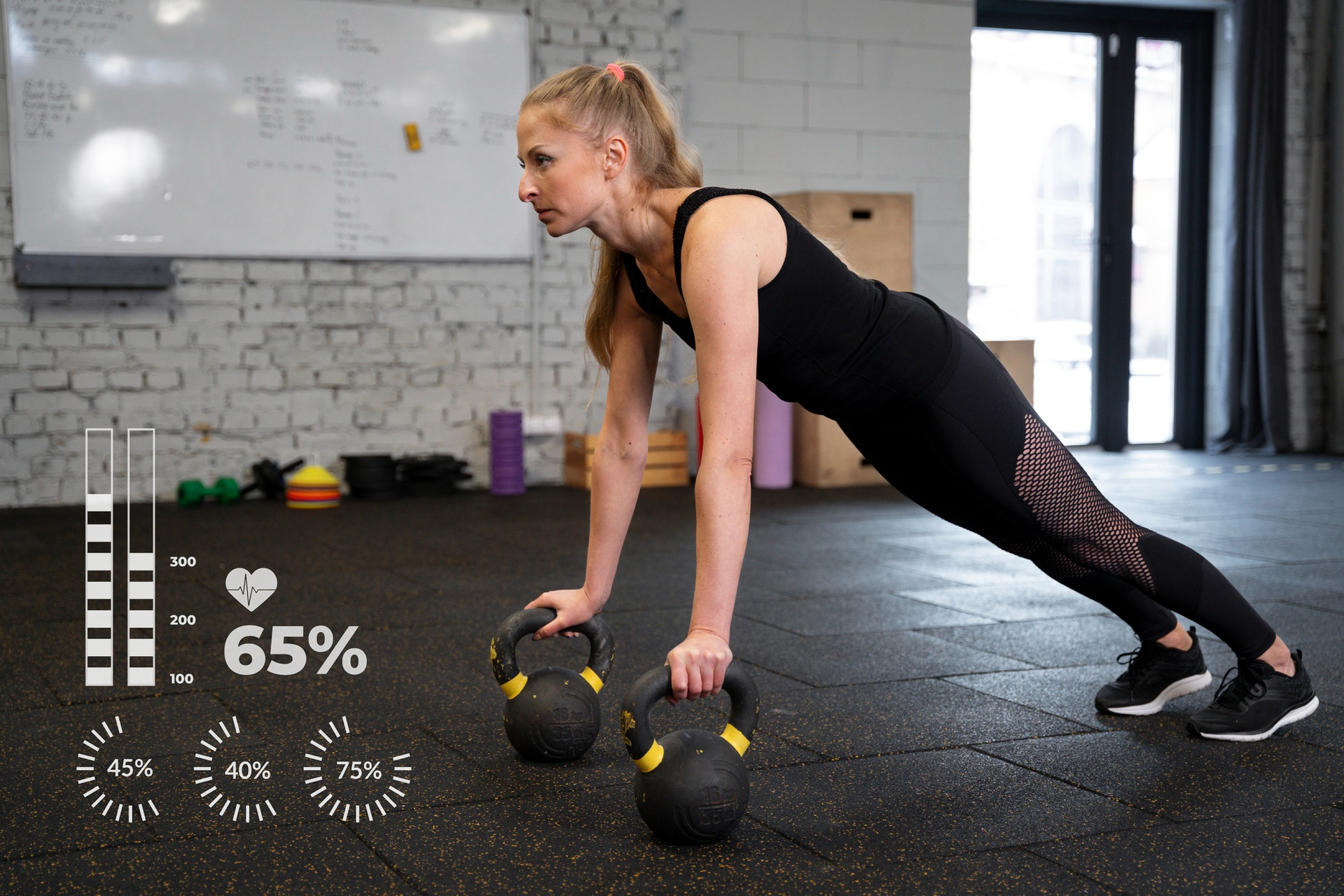
Maximize your gains, build more muscle, and get leaner and stronger with the Alpha Advanced Fitness Program. Designed specifically for those who have already been training, have solid experience in the gym, and have completed both beginner and intermediate programs. Warm-up and mobility routines can be found in the previous article: Getting Started: Intro and Warm-Up for Beginner Conditioning. Muscle Building: Hypertrophy and Strength Training In this plan, we’ll train using strength blocks, paired exercise sets, and targeted muscle group tri-sets. The volume and workload will progressively increase, leading to a significant boost in overall intensity. This program is recommended for individuals with gym experience, especially hardgainers looking to push past plateaus and build serious muscle. DAY 1 Upper Body I. Introduction: The ultimate goal of this program is to ignite upper body development, build serious strength, and increase overall muscle mass.Block a. Exercise Sets Reps Rest A1. Bench Press (plane bench) 5 6 - A2. Pull downs (machine) 5 Max 10 45-60’’ Training Notes:- Heavy training is emphasized, but without going to complete muscle failure.- Pull-Ups: If you can perform 10 reps with ease, you must add extra weight to increase resistance and maintain intensity.- Paired Exercises (A1 & A2): Perform A1 first, then A2, followed by a rest period. After resting, return to A1 and repeat the sequence. (Refer to the intermediate program explanation for more details.) Block b. Exercise Sets Reps Rest B1. Inclined Bench Press (Dumbbell) 4 10-12 45-60’’ B2. Rowing (seated, with triangle) 4 10-12 45-60’’ ABS – CORE STABILITYPLANK -> 2 X 1 minAb crunch -> 2 x 10, slow and focused on breathing Block c.4 x Triset. No rest until you finish the 3 exercises. Then just rest 1 minute and repeat 2 more times. Exercise Sets Reps Rest Military press with Db. 4 10-12 No rest Bicep curl with Db. 4 10-12 No rest Triceps dips (parallel bar or bench) 4 10-12 No rest The last set should be hard to reach 8-10 reps. If you can do 12, increase the weight in the previous sets.DAY 2 Lower Body I. This day is likely the most intense of the weekly training plan, so it’s important to tackle it when you’re feeling your strongest and most energized. If you’ve had poor sleep or aren’t feeling your best, there’s no need to push yourself to 90% effort. Instead, aim for 65-75% of your maximum, ensuring you still get the benefits of the session. By the end of the week, the workload and volume will align with the intended intensity. It’s crucial to give your all on the second lower-body day, however. For each exercise, perform the movement as prescribed, ensuring the weight is heavy enough that you can’t complete more than 1-1.5 reps beyond the prescribed rep range. This is how you'll determine the appropriate intensity percentage for each exercise. Exercise Sets Reps Rest Squats Barbell 5 10 45-60’’ Bulgarian squat (1 leg) with 1 db. 5 10 45-60’’ Leg press 4 15 45-60’’ Leg extension 3 12 45-60’’ Up to box db 3 10 45-60’’ Front squat db 3 15 30’’ Calf raises 3 30 60’’ DAY 3 Upper Body II.If you love upper body training, this will definitely become your favorite day. You’ll experience a wide range of exercises, including compound sets, tri-sets, and the most effective combinations designed to fuel massive gains. Block a. Exercise Sets Reps Rest A1. Inclined bench press 4 10 A2. Barbell Row (machine) 4 10 45-60’’ Block b. Exercise Sets Reps Rest B1.Bench Press (Plane with db.) 3 10-12 45-60’’ B2. Seated row (machine wide grip) 3 10-12 45-60’’ TRISET BLOCKS This program is designed to create maximum metabolic stress and stimulate muscle growth. The weight should be heavy enough that you’re unable to reach the prescribed number of reps in the final set. Block c.Triset shoulders – Rest 1 min after finishing the 3 exercises. Exercise Sets Reps Rest E1. Military press with Db. 3 10-12 E2.Lat dumbbell raise – Db. 3 10-12 E3. Lateral Walk in push-up position 3 10-12 (push up position and walk 10-12 steps on each side)Block d.Triset chest – Rest 1 min after finishing the 3 exercises. Exercise Sets Reps Rest C1.Cable cross 3 10-12 No C2. Flys with db. 3 10-12 No C3. Push-ups 3 10-12 No Block e. Triset back – Rest 1 min after finishing the 3 exercises. Exercise Sets Reps Rest D1. Inverted row 3 10-12 No D2. Face pull (Cable) 3 10-12 No D3. TRX ROW 3 10-12 No DAY 4 Lower Body II.Always start with a cool, motivational introduction. Exercise Sets Reps Rest Deadlift 5 12-10-8-6-6 45-60’’ Hip thrust 3 12-15 45-60’’ Walking Lunges (walk, no steady) 3 20 45-60’’ Leg curl 3 10 45-60’’ A1. Sumo squat 3 12 - A2. Dumbbell deadlift 3 15 45’’ Calf raises 3 30 60’’ DAY 5 Full Body This is an auto-configurable training day, designed to add extra intensity and increase your total weekly training volume.The intensity should not exceed 85%, meaning you should be able to perform no more than 2 additional reps beyond the prescribed number, but definitely not 4 or 5. Stay within that limit to keep the stimulus effective without overreaching. Choose one of the following exercises and perform it exactly as outlined: Exercise Sets Reps Rest Choose (barbell squat, walking lunge, deadlift, Bulgarian squat). 3 12 30-45 seg Choose (pull up, pull downs, seated row, dumbbell row, barbell row ) 3 12 30-45 seg Choose (bench press barbell, inclined bench press, bench press db.) 3 12 30-45 seg Mountain climbers 3 30 30-45 seg Burpees 3 15 30-45 seg Bicep curl barbell 3 10 30-45 seg Military Press db 3 10-12 30-45 seg Triceps dips 3 2 min 30-45 seg + running or rowing 10 min - slow intensity.Always finish with mobility work and stretching to support recovery and maintain flexibility.Tips Our top priority is helping you look and feel your best — to live healthier, stronger, and step confidently into your Alpha potential. Whether you're returning to the gym after a long break or stepping into it for the first time, we’re here to guide you. Below, you'll find some key tips to make your journey smoother and more sustainable. Our goal? To help you keep that fitness fire burning for months to come. Fuel Yourself ProperlyNutrition is key - especially before training. If you eat too much, you risk feeling sluggish or cramping up. Eat too little, and you won’t have the energy to push through your workout. Aim to eat a light, balanced meal 60 to 90 minutes before training, focusing mainly on carbohydrates for quick energy. Choose easily digestible, low-fat foods that won’t weigh you down — think fruit, rice cakes, toast, or oatmeal.
7-Day Workout Plan for Burning Fat
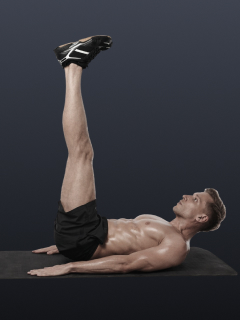
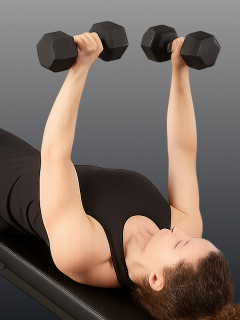
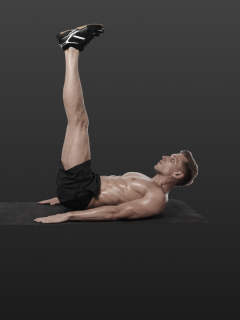
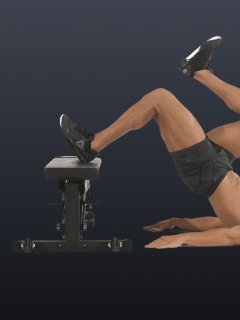
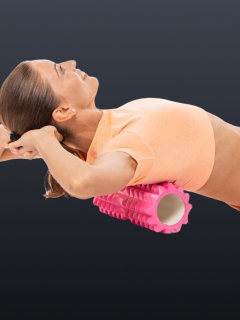
If you are a beginner at the gym and want to stimulate fat-burning while increasing the intensity of your weekly activities and adding variety, this text is for you. To see results, you need a plan. Our 7-day workout plan consists of a combination of full-body strength training and moderate to high-intensity aerobic workouts. You can repeat this plan for 4-6 weeks, and if you stick to a balanced and proper diet while maintaining a slight calorie deficit, you will certainly see results reflected in your weight. Let's get started.: Monday – Full-Body Strength Training There is no effective and quality fat loss without strength training – remember that! Strength training increases muscle mass, improves bone health and strength, and boosts calorie consumption, even when at rest. The more muscle you have, the more energy (calories) you need to function daily. 3 Circuits: - Bodyweight Squats – 15 repetitions - Flat Bench Press with Dumbbells – 12 repetitions - Alternating Dumbbell Rows (Bent Over) – 12 repetitions per arm - Lying Leg and Arm Raise – Hold at the top position for 30 seconds - Step-Ups on a Bench – 15 repetitions per leg - Plank – Hold for 30 seconds After each circuit, rest for 60 seconds. No rest between exercises. Tuesday – Sprint Interval Training High-intensity aerobic training is an excellent way to quickly burn calories, and alternating between high and moderate-intensity intervals also contributes to increased calorie consumption due to the recovery period for bringing your heart rate back to normal. You can do sprints outdoors or on any aerobic machine: treadmill, elliptical, bike, or rowing machine. If you're running, here’s how the workout should go: 12 Circuits: - 30 seconds of sprinting at maximum speed - 60 seconds of light jogging Wednesday – Foam Rolling and 12,000 Steps After two days of intense training, your body needs recovery, but that doesn’t mean you should just lie in front of the TV. Foam rolling contributes to mobility and improves training performance due to an increased range of motion. Along with foam rolling, take time for light walking – this will boost circulation and help with recovery from the previous days. Thursday – Full-Body Strength Training Repeat Monday's Workout. Friday – High-Intensity Group Workout To change up the rhythm and add a social element to your training, which will motivate you even more, attend a group workout today. Choose a high-intensity session. No matter which one you pick, the goal is to have fun and sweat it out. Saturday – Full-Body Strength Training Repeat the workout from Monday and Thursday. Sunday – Rest Day Congratulations on completing the week’s workouts! Today, take a rest – you’ve earned it.

Full-Body Circuit Workout in 20 Minutes
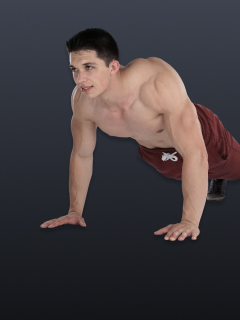
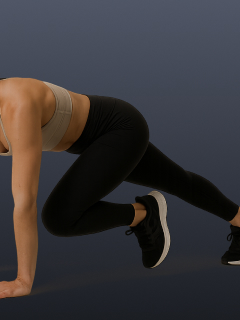
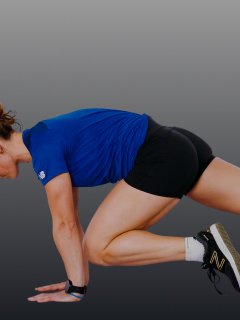
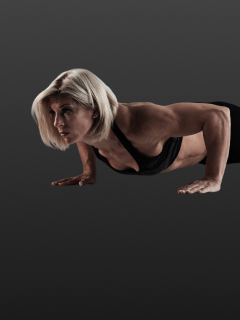
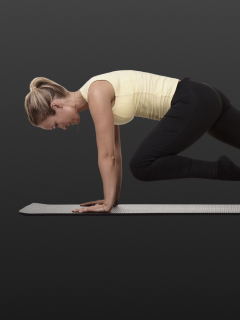
Don't have time for the gym? Try this full-body circuit workout that lasts less than 20 minutes but delivers maximum results. Circuit training is the perfect solution for everyone who doesn’t have much time. It combines high intensity with short breaks, resulting in maximum fat burning and muscle strengthening in minimal time. This type of workout activates the entire body, improves endurance, and speeds up metabolism – without needing long hours in the gym. Basics of Circuit Training Circuit training is a type of functional training where exercises are performed one after the other with minimal rest between them, aiming to activate multiple muscle groups in a short time. A standard circuit routine includes 5 to 10 exercises performed one after another, repeated for 2 to 3 rounds based on your fitness level and available time. The main advantage of this training method is its efficiency – in just 15 to 20 minutes, you can work on strength, endurance, mobility, and fat-burning at the same time. Moreover, circuit training also boosts the cardiovascular system, making it an excellent choice for fat loss and body toning. In a well-structured circuit workout, it’s important to combine exercises that target: - Strength – e.g. squats, push-ups, lunges, deadlifts - Endurance – e.g. jumping jacks, mountain climbers, burpees - Core (abdominal and back muscles) – e.g. plank, Russian twists, leg raises This combination ensures activation of the entire body and a balance between muscular strength and conditioning. The order of exercises should be designed to alternate between larger and smaller muscle groups, reducing fatigue and allowing for longer sustained intensity. For this type of training, you need minimal equipment and it can be done by just using your body weight. It’s suitable for any environment. Bodyweight workouts will typically include push-ups, squats, planks, and various jumping exercises. This option is great for beginners or those without access to equipment. Training with equipment (dumbbells, kettlebells, resistance bands) allows for greater resistance and movement variety. More advanced exercisers can use dumbbells for goblet squats, medicine balls for slams, or kettlebells for swings. Example of a 20-Minute Full-Body Circuit Workout If you only have 20 minutes, this is an ideal circuit that activates your entire body, improves endurance, strengthens your core, and promotes fat burning. The routine includes 4 exercises performed in a circuit, with brief rest periods between each round. The goal is to complete 3 rounds without losing momentum. Structure of One Round (Duration: 2.5 minutes) - Jump Squats (30 seconds) An explosive variation of squats that strengthens the lower body (quadriceps, glutes) and accelerates the heart rate. Focus on soft landings and proper form. - Push-ups (30 seconds) A basic yet effective movement that works the chest, shoulders, and triceps, and engages the core. If it's too difficult, you can modify it by doing knee push-ups until you build enough strength. - Mountain Climbers (30 seconds) Combination of cardio and core exercise. Fast “climbing” movements target the abdominal muscles, shoulders, and legs. - Plank (30 seconds) A static exercise that strengthens the abs, back, and whole body. Don’t lower your hips and keep your body straight. - Rest (30 seconds) Take a short break to lower your pulse and prepare for the next round. Execution Instructions - Total duration: 3x2,5 min with 1-minute breaks between rounds — roughly 10 minutes of training. - 20 minutes – repeat twice How to Modify Intensity? For beginners: - Do regular squats instead of jump squats - Reduce the exercise duration to 20 seconds and increase the rest - Replace push-ups with knee push-ups For advanced: - Extend exercises to 40 sec, and reduce the time of rest period to 20 sec - Add dumbbells or resistance bands for extra resistance - Include additional exercises in the circuit (e.g., burpees, jumping lunges) How to Integrate Circuit Training into Your Weekly Plan Circuit training is incredibly flexible and easily fits into different weekly schedules, whether you train at home, in the gym, or outdoors. Whether you are a beginner or an experienced exerciser, when properly integrated, circuit training can improve strength, conditioning, and calorie burning, all while saving time. How Often Should You Do Circuit Training? For most recreational athletes, the ideal frequency is 2 to 4 times per week. Beginners can start with 2 sessions per week, allowing enough time for recovery. Advanced exercisers can incorporate up to 4 circuit training sessions per week, especially if they are shorter and properly spaced. It’s important to listen to your body and not forget about rest days or lighter activities (e.g., walking, stretching). Circuit training works best when it’s part of a balanced program. If your primary goal is increasing muscle mass, you can use circuit training as a conditioning workout 1-2 times per week, and dedicate the rest of the week to traditional strength training (with weights and longer rest periods). Instead of long cardio sessions, circuit training can serve as a form of HIIT (high-intensity interval training) that burns more calories in less time. When you don’t have much time, 15–20 minutes of circuit training is better than skipping the whole day of exercise.

Weekly Program for Shaping the Glutes Without Weights
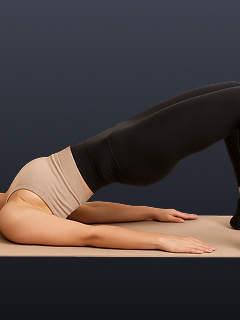
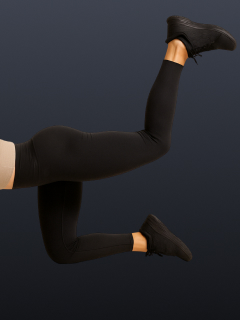
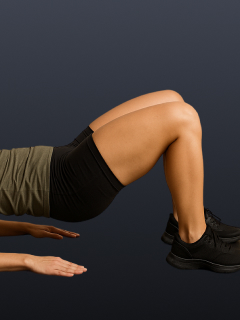
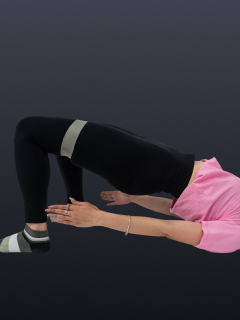
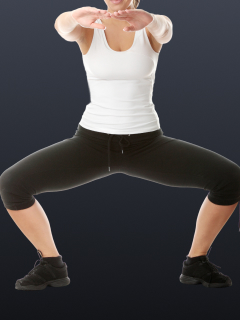
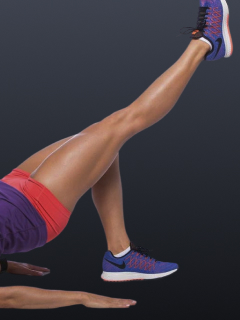
A glute-shaping workout without weights can be extremely effective if properly programmed. The key lies in the quality of movement, appropriate loading through body weight, and progressive progression. Even without using additional weights, you can strongly activate the glutes and achieve toning, strengthening, and tightening of the buttocks. When training without weights, it is recommended to: - Perform 12–20 repetitions per exercise - Complete 2–4 sets per exercise - Take 30–60 seconds of rest between exercises, depending on your fitness level For toning and shaping the glutes, a high training volume and strong muscle contraction are important. Exercises like glute bridges, donkey kicks, or frog pumps are often performed with more than 20 repetitions to achieve the "burn" effect and maximum activation. Progress in bodyweight workouts needs to be based on control, intensity, and variation. Here are some ways to increase difficulty: - Add more sets (e.g., increase from 2 to 4) - Shorten the rest time between exercises - Slow down the tempo of execution for better control and longer muscle tension - Introduce holds in key positions (e.g., pause at the bottom of a squat) - Combine multiple exercises into supersets or circuit training Consistency and regularity are key – even without weights, your muscles will respond to the challenge if continuously stimulated with a well-designed program. Example 3-Day Plan for Visible Results Day 1 – Activation and Form - Glute Bridge – 3x15 - Donkey Kicks – 3x20 (per leg) - Fire Hydrants – 3x15 (per leg) - Wall Sit Glute Squeeze – 2x30 seconds Day 2 – Strength and Balance - Bulgarian Split Squat – 3x12 (per leg) - Step-Up – 3x15 (per leg) - Sumo Squat Hold – 3x30 seconds - Frog Pumps – 3x25 Day 3 – Dynamics and Endurance - Lateral Lunges – 3x12 (per side) - Hip Thrust (using couch) – 4x15 - Jump Squats (if ready) – 3x12 - Plank with Glute Squeeze – 2x45 seconds

Beginner Workout Plan for Weight Loss
One of the most effective ways for weight loss is a combination of cardio and weight training. Cardio helps burn calories and improves cardiovascular endurance, while weight training promotes muscle growth and boosts metabolism. Together, these two types of workouts allow for fat burning, strength gains, and muscle preservation—essential for achieving sustainable, long-term results. Benefits of Cardio for Weight Loss Cardio is a key component of any weight loss plan because it increases calorie expenditure and stimulates fat burning. During cardio, your body uses energy from fat stores, contributing to a reduction in body weight. Additionally, cardio improves cardiovascular endurance, making your body more efficient in everyday activities. For beginners, moderate and low-intensity cardio activities are best, allowing gradual improvement in fitness. Brisk walking, cycling, or swimming are excellent options because they require little prior experience and provide results without putting too much stress on the body. If you're just starting out, it’s recommended to begin with 20 to 30 minutes of cardio, 3–4 times a week, gradually increasing the duration and intensity. For those aiming to burn fat, High-Intensity Interval Training (HIIT) can be effective. This type of training accelerates metabolism and allows you to burn more calories in less time, which is especially useful for people with busy schedules. Cardio can also be tailored to specific fitness goals. For example, if your aim is to increase endurance and burn fat, longer and moderate cardio sessions like running or faster-paced walking on a treadmill can be ideal. For quicker fat loss, HIIT may bring faster results. Cardio also increases the caloric deficit essential for weight loss by helping the body burn more calories than it consumes. Depending on your current fitness level, cardio exercises can be adjusted to progressively challenge the body for optimal fat-burning results. Weight Training for Muscle Building and Metabolism Boosting Incorporating weight training is a crucial factor in achieving long-term goals because it not only aids in fat burning but also strengthens muscles and speeds up metabolism. For beginners, weight training might seem intimidating, but it’s actually one of the most effective ways to build muscle and maintain body balance, especially during weight loss. When lifting weights, your metabolism remains active even after the workout, because your body has to repair and rebuild the stressed muscles. Well known as the afterburn effect, which means you will continue to burn calories even after a workout. Some of the most effective exercises for beginners include basic compound movements like squats, lunges, deadlifts, and bench presses. These exercises engage large muscle groups such as the legs, back, and chest, which increases overall calorie expenditure and stimulates muscle growth. Squats and lunges target the legs and glutes, while the bench press and other upper-body exercises work the chest and shoulders, providing balanced muscle development. If you are a beginner, it is good to use moderate weights, with 3-4 sets of 10-12 repetitions per exercise. It’s important to focus on proper form and gradually increase the weight to avoid injury and allow your body to adapt to the new workload. A key tip for muscle building during weight loss is not to forget about recovery. Muscles grow and regenerate during rest, so it's important to allow enough recovery time between weight training sessions. For beginners, 2–3 weight training sessions per week are usually sufficient, with cardio sessions in between strength days. Combining Cardio and Weights for Optimal Results To lose fat or to build muscle, it is very important to combine cardio and weight training. This approach enables fat burning, muscle mass gain, and metabolic acceleration. A well-structured weekly plan that includes both cardio and weight training ensures balance between calorie burning and strength development, and also helps prevent overtraining and injuries. For beginners, it’s ideal to start with 3–4 workouts per week. Each session should be well-balanced to ensure steady progress. One of the most effective strategies is to alternate cardio and weight training within the same week, though not necessarily on the same day. Here’s an example of a weekly plan: - Monday: Training with weights (e.g., Push Day – chest, shoulders, triceps) - Tuesday: Cardio (30–40 minutes of light to moderate cardio such as jogging, cycling, or brisk walking) - Wednesday: Weight Training (Pull Day – back, biceps, lower back) - Thursday: Cardio (HIIT or another faster-paced activity) - Friday: Weight Training (Leg Day – legs and glutes) - Saturday: Cardio or Active Rest (e.g., light cycling or hiking) - Sunday: Recovery or Light Stretching This plan allows for adequate muscle recovery while maintaining a high calorie-burning intensity through cardio. It’s important to find the right balance between cardio and weight training to prevent overtraining. If you do too much cardio, there is a good chance to lose your muscle, while also, if you just do weight training is a good chance that you will slow down your fat burn. Recovery between sessions is key for muscle growth and injury prevention. Taking 1–2 rest days per week is recommended, depending on your effort level and your body’s needs.

Crushing Fitness Goals on a Busy Schedule
Let face it - life gets hectic. Between work, family, and everything in between, squeezing in daily workouts isn't always realistic. But here’s the good news: you don’t need to live in the gym to see real results. A well-structured 3–4 day workout routine can help you build strength, increase energy, and stay consistent without burning out. Why Less Can Be More Sometimes you can think that you are doing a good job with a lot of training, but sometimes this can do more damage than not training at all. With only a few sessions per week, your body has more time to recover, rebuild, and actually grow stronger. What matters most is not the number of days you train, but the quality and purpose behind each session. This plan is designed to maximize your time in the gym while keeping things flexible. Whether you train three or four days a week, you’ll hit all the major muscle groups and make meaningful progress. The Weekly Blueprint Here’s how your week might look: Day 1: Full-Body PowerDay 2: Rest or MobilityDay 3: Upper Body StrengthDay 4: RestDay 5: Lower Body + CoreDay 6: Optional Conditioning or StretchingDay 7: Rest The flexibility here is intentional. If you can go I the gym on a certain day, no problem! Shift your workout. This plan moves with your life, not against it. Training With Intention Each workout has a purpose: Day 1 focuses on compound lifts that engage multiple muscles - think squats, deadlifts, and presses.Day 3 zooms in on upper body development - great for building posture, strength, and balance.Day 5 targets the legs and core, where power and stability begin.Day 6 is optional but valuable - a chance to work on cardio, flexibility, or recovery. This variety keeps your body guessing and your mind engaged.  With this workout, you will move with a purpose. The Real Secret: Consistency The best thing you can do is to stick to your plan. By limiting your gym time to 3 or 4 days, you’ll reduce burnout and increase long-term sustainability. You’ll also have more time to focus on other vital areas - nutrition, sleep, and mental health. You don’t need a 6-day split or marathon workouts to transform your body. With smart planning, focused sessions, and the right mindset, three to four days a week is more than enough. Make every rep count, stay consistent, and remember: progress is built over time, not overnight.

Simple & Effective: 3-Day Workout Plan for Women
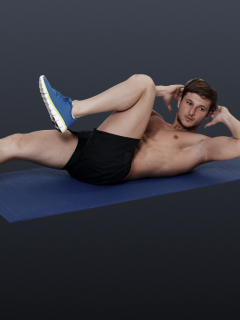
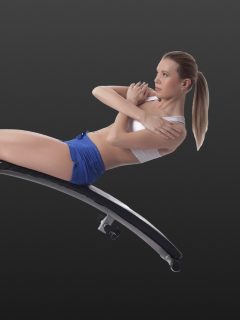
If you want to feel strong, energized, and confident in your body, you do no need to spend hours in the gym every day. In fact, a well-structured 3-day workout routine can deliver incredible results, especially when it combines strength training, cardio, and core work. Whether you’re just getting started or coming back after a break, this plan is designed to be effective, realistic, and sustainable.Why Three Days?Consistency matters more than frequency. With just three workouts per week, you allow your body time to recover while still building strength, improving endurance, and boosting your metabolism. Plus, it’s easier to stick to long-term, which is the key to real results.Weekly Plan OverviewDay 1: Total Body StrengthDay 2: Lower Body + CoreDay 3: HIIT & Upper Body ToningYou can choose the days that work best for your schedule, such as Monday/Wednesday/Friday, or Tuesday/Thursday/Saturday.Day 1: Total Body Strength (30–40 minutes)Total body strength will focus on the major muscle groups, and it will help you to build lean muscle and increase overall strength. Bodyweight squats – 3 sets of 15Push-ups (knees or toes) – 3 sets of 10Dumbbell deadlifts – 3 sets of 12Glute bridges – 3 sets of 15Plank – 30 seconds x 3Light stretching to finishDay 2: Lower Body & Core (30 minutes)Target your legs, glutes, and abs for a strong foundation and improved posture.Walking lunges – 2 sets of 12 per legStep-ups (use stairs or bench) – 3 sets of 10Calf raises – 3 sets of 20Russian twists – 3 sets of 20Core twist crunches - 3 sets, 15 per sideDay 3: HIIT & Upper Body (25–30 minutes)This high-intensity day will boost your heart rate while toning your arms, shoulders, and back.Circuit (Repeat 3–4 times):Jumping jacks – 45 secondsDumbbell shoulder press – 12 repsBurpees – 10 repsBent-over rows – 12 repsRest – 60 seconds between roundsFinal TipsStart light and increase intensity gradually.Rest days are just as important as workout days - your body needs recovery time.Don’t forget to hydrate, stretch, and fuel your body with balanced meals. A 3-day workout plan is perfect for building a strong, balanced body without overwhelming your schedule. Commit to showing up each week, and you’ll be amazed at how quickly you feel stronger, more energized, and more confident.