





Communication Articles
What Is a Master of Communication? Complete Guide
Managing money doesn't have to feel overwhelming or restrictive. In fact, a well-planned personal budget can make your life easier, not harder. It gives you clarity, reduces stress, and helps you make smarter decisions with your income. The real challenge is not creating a budget - it’s building one that actually works in real life. Start with Your Real Income Before anything else, you need to know exactly how much money you have coming in each month. This means focusing on your net income, not your gross salary. Include all stable sources such as your job, freelance work, part-time income, or any consistent side earnings. Being honest at this stage is important. Overestimating your income leads to unrealistic budgeting and eventual frustration. Get a Clear Picture of Your Spending Most people don’t realize where their money actually goes until they track it. Spend at least two weeks, ideally a full month, recording every expense. That includes bills, groceries, transport, subscriptions, snacks, and even small impulse purchases. This step is often eye-opening. Many small expenses seem harmless in the moment, but add up significantly over time. These unnoticed leaks are usually what stop people from saving. Organize Your Expenses Once you’ve tracked your spending, group it into clear categories. Essential living costs (rent, utilities, food) Transportation Savings and investments Debt repayments Lifestyle and entertainment Personal or flexible spending This breakdown helps you see your financial habits more clearly and identify areas where adjustments are possible. Build a Budget That Fits Your Life A good budget should feel realistic, not punishing. If your plan is too strict, it won’t last. Instead, aim for a balance between responsibility and enjoyment. A widely used structure is the 50/30/20 approach: 50% for needs 30% for wants 20% for savings or debt repayment This is not a fixed rule but a starting point. You can adjust it based on your income level, goals, or financial obligations. Make Tracking Easy and Consistent A budget only works if you actually follow it. Choose a system that fits your lifestyle. It could be a simple spreadsheet, a mobile app, or even a notebook. The key is consistency. Check your spending regularly instead of waiting until the end of the month. Small weekly check-ins make it easier to stay in control and avoid surprises. Build Habits That Support Your Budget Sticking to a budget is less about discipline and more about habits. Automating certain actions can make a big difference. For example, set up automatic transfers to savings right after payday so you’re not tempted to spend the money first. It also helps to set small rules for yourself, like waiting 24 hours before making non-essential purchases. These small habits reduce impulsive spending over time. Adjust as Your Life Changes Your budget should evolve with you. Changes in income, expenses, or priorities mean your plan should be updated regularly. A flexible budget is far more effective than a rigid one that doesn’t reflect reality. Instead of seeing adjustments as failure, treat them as part of the process of improving your financial system. Creating a personal budget is really about awareness and control. Once you understand your money flow and build simple systems to manage it, financial stability becomes much easier to achieve.
The Science Behind Human Communication
Human communication is more than just speaking and listening. It is a complex process shaped by biology, psychology, language, and social behavior. Understanding the science behind human communication helps explain how people share ideas, build relationships, and influence one another. From brain activity to body language, communication is deeply rooted in how humans think and interact. How the Brain Processes Communication Communication begins in the brain. When a person speaks or listens, multiple regions of the brain work together to process language, meaning, and emotion. The left hemisphere is mainly responsible for language processing, while the right hemisphere helps interpret tone, emotion, and context. Neuroscience shows that communication is not only about words but also about interpretation. When we hear someone speak, the brain quickly analyzes vocabulary, tone of voice, and facial expressions to create meaning. This process happens in milliseconds, allowing humans to respond almost instantly in conversations. Mirror neurons also play an important role in communication. These are brain cells that activate when we observe someone else’s actions or emotions. They help humans understand feelings such as happiness, sadness, or anger, making empathy possible. This is one reason why people often “feel” what others are feeling during conversations. Memory is another important factor. The brain stores past experiences and uses them to interpret new information. This means communication is influenced by personal history, culture, and emotional associations. The Role of Psychology in Human Interaction Psychology is a key part of how communication works. Human behavior, emotions, and perception all influence how messages are sent and received. One important psychological concept is perception filtering. People do not interpret messages in the same way because they filter information based on beliefs, values, and experiences. Emotions also strongly affect communication. When people are stressed or angry, they may misinterpret messages or respond more aggressively. On the other hand, positive emotional states improve understanding and cooperation. This is why emotional regulation is important in effective communication. Another psychological factor is social influence. Humans naturally adjust their communication style depending on who they are speaking to. For example, people often communicate differently with friends, coworkers, or authority figures. This adaptability is a key part of successful interaction. Nonverbal Communication and Social Signals A large part of human communication is nonverbal. Body language, facial expressions, gestures, and tone of voice often communicate more than spoken words. Studies suggest that nonverbal signals can significantly affect how a message is interpreted. Eye contact, for example, plays a major role in trust and attention. Too little eye contact may suggest disinterest, while too much can feel aggressive. Similarly, posture and gestures can show confidence, nervousness, or openness. Tone of voice is also critical. The same sentence can have completely different meanings depending on how it is spoken. This is why misunderstandings often happen in digital communication, where tone and body language are missing. Conclusion The science behind human communication combines brain function, psychology, and nonverbal behavior. Communication is not just about words but about how the human mind processes meaning, emotion, and social cues. By understanding these scientific principles, individuals can improve their communication skills, reduce misunderstandings, and build stronger relationships in both personal and professional life.
How Communication Shapes Human Relationships
Communication is the foundation of all human relationships. Whether it is family, friendships, romantic relationships, or professional connections, the way people communicate directly influences trust, understanding, and emotional connection. Effective communication strengthens healthy relationships, whereas weak communication can result in conflict, misunderstandings, and emotional distance. Understanding how communication shapes human relationships is essential for improving social interaction and personal well-being. Building Trust and Emotional Connection Trust is one of the most important elements in any relationship, and communication plays a key role in developing it. Honest, open, and consistent communication helps people feel safe and respected. When individuals clearly express their thoughts and feelings, it reduces uncertainty and builds emotional security. Active listening is also essential for trust. When someone feels truly heard, they are more likely to open up and share their deeper thoughts. This creates a stronger emotional bond between individuals. On the other hand, ignoring or interrupting others during conversations can damage trust and weaken relationships over time. Emotional expression is another important factor. People who can communicate their emotions in a healthy way tend to build stronger and more stable relationships. This includes expressing appreciation, concern, and support when needed. Emotional honesty helps prevent misunderstandings and reduces hidden resentment. Communication and Conflict in Relationships Conflict is a natural part of human relationships, but communication determines how conflicts are resolved. Poor communication often escalates small misunderstandings into larger problems. This happens when people assume, react emotionally, or fail to listen to each other’s perspective. Effective communication during conflict involves staying calm, listening carefully, and focusing on solutions rather than blame. Using clear and respectful language helps prevent further tension. Instead of attacking the person, strong communicators focus on the issue itself. Nonverbal communication also plays a role during conflict. Body language such as crossed arms, eye rolling, or avoiding eye contact can signal anger or disinterest, even if words suggest otherwise. Being aware of these signals helps individuals better control how they are perceived during disagreements. Another important aspect is timing. Difficult conversations are more effective when both sides are calm and ready to talk. Choosing the right moment can significantly improve understanding and reduce emotional reactions. Communication Styles and Relationship Dynamics Every person has a different communication style, which influences how relationships develop. Some people are direct and open, while others are more reserved or indirect. These differences can sometimes lead to misunderstandings if not properly understood. In healthy relationships, individuals learn to adapt their communication styles to better connect with others. This includes being patient, asking clarifying questions, and avoiding assumptions. Flexibility in communication helps reduce friction and improves mutual understanding. Cultural background also influences communication. Different cultures have different norms regarding eye contact, personal space, tone, and expression. Being aware of these differences is important in building respectful and inclusive relationships. Digital communication has also changed how relationships function. Text messages, social media, and online communication lack tone and body language, which can sometimes lead to misinterpretation. This makes clear and thoughtful writing even more important in modern relationships. Understanding how communication shapes relationships reveals that strong connections are built on clarity, empathy, and consistency. The way people speak, listen, and respond influences not only what is said, but also how relationships grow and evolve over time.
The Psychology of Effective Communication
Effective communication is not only about choosing the right words, but also about understanding how the human mind processes information. The psychology of communication explores how people think, feel, interpret messages, and respond during interactions. It combines cognition, emotion, perception, and behavior to explain why some messages are understood clearly while others are misinterpreted. In both personal and professional life, understanding this psychological foundation can significantly improve communication quality. How Perception Shapes Communication Perception is one of the most important psychological factors in communication. It refers to how individuals interpret and make sense of information based on their personal experiences, beliefs, and emotions. Two people can hear the same message but understand it in completely different ways. This happens because the brain filters information. Instead of processing everything objectively, people focus on what they consider important or familiar. These mental filters are influenced by culture, upbringing, education, and past experiences. As a result, communication is often subjective rather than purely factual. First impressions also play a major role in perception. When someone meets another person for the first time, the brain quickly forms judgments based on appearance, tone of voice, and body language. These early impressions can strongly influence how future communication is interpreted, even if they are not entirely accurate. The Role of Emotions in Communication Emotions are deeply connected to how messages are sent and received. When people are calm and emotionally balanced, they tend to communicate more clearly and logically. However, when emotions such as anger, stress, or fear are present, communication becomes less accurate and more reactive. Emotional states also influence memory and attention. People are more likely to remember emotionally charged conversations than neutral ones. This is why emotional experiences in communication often have a long-lasting impact on relationships and decision-making. Empathy is a key psychological skill in effective communication. It allows individuals to understand and respond to the emotions of others. When people feel understood, they are more likely to trust and engage in open communication. Lack of empathy, on the other hand, often leads to misunderstandings and conflict. Cognitive Biases and Miscommunication Cognitive biases are mental shortcuts that affect how people interpret information. In communication, these biases can lead to misunderstandings and poor decision-making. For example, confirmation bias causes people to focus only on information that supports their existing beliefs, ignoring contradictory messages. Another common bias is the assumption bias, where individuals assume they understand what others mean without fully listening or asking for clarification. This often leads to miscommunication, especially in fast-paced conversations. Stress and cognitive overload also reduce communication quality. When the brain is overwhelmed with information, it becomes harder to process messages accurately. This can result in missed details, confusion, or incorrect interpretations. Active listening is a psychological solution to many of these issues. By paying full attention to the speaker and avoiding distractions, people can better understand the message and reduce bias. The psychology of effective communication shows that successful interaction depends on much more than language alone. It is shaped by perception, emotion, and cognitive processes that influence how messages are created and understood in everyday life.
Why Communication Is the Most Important Life Skill
Communication is often described as the most important life skill because it influences nearly every area of human life. From personal relationships and education to careers and decision-making, the ability to communicate effectively determines how well people connect, understand each other, and achieve their goals. Strong communication is not only about speaking clearly, but also about listening, understanding emotions, and expressing ideas in a way that others can easily interpret. Communication and Personal Relationships In personal life, communication is the foundation of healthy relationships. Whether it is family, friendships, or romantic relationships, the way people communicate affects trust, emotional connection, and conflict resolution. Clear and honest communication helps prevent misunderstandings and reduces emotional distance between individuals. Active listening is a key part of relationship-building. When people feel heard and understood, they are more likely to open up and share their thoughts honestly. This creates stronger emotional bonds and improves mutual respect. On the other hand, poor communication often leads to assumptions, frustration, and unnecessary conflict. Emotional expression is also essential. Being able to communicate feelings in a respectful and constructive way helps people build deeper and more meaningful relationships. It allows individuals to support each other better and handle difficult situations with more understanding. Communication in Education and Career Success Communication is equally important in education and professional development. In schools and universities, students must understand instructions, ask questions, and express ideas clearly in writing and speech. Those who communicate effectively often perform better academically because they can engage more actively in learning. In the workplace, communication is a key factor in productivity and teamwork. Employees who can clearly share information, collaborate with others, and listen effectively are more likely to succeed in their roles. Miscommunication at work can lead to mistakes, delays, and conflict, which can affect overall performance. Leadership also depends heavily on communication skills. A good leader must be able to explain goals, motivate teams, and resolve conflicts. Without strong communication, even the best ideas can fail because they are not understood or properly delivered. Communication as a Tool for Everyday Life Beyond relationships and career, communication is essential in everyday decision-making. People use communication skills when negotiating, solving problems, or interacting with strangers. Even simple activities like shopping, traveling, or using services require clear communication. Nonverbal communication also plays a major role in daily interactions. Body language, tone of voice, and facial expressions often communicate more than words. Understanding these signals helps people interpret situations more accurately and respond appropriately. Digital communication has made this skill even more important. With emails, messaging apps, and social media, people must be able to express themselves clearly without relying on tone or physical presence. Poor digital communication can easily lead to misunderstandings or conflicts. Communication is not just a skill used in specific situations; it is a constant part of human life. It shapes how people think, interact, and build their future opportunities, making it one of the most valuable abilities a person can develop.

How to Become a Master Communicator
Becoming a master communicator is a process of developing the ability to express ideas clearly, understand others deeply, and adapt communication styles to different situations. It is not an inborn talent but a skill built through practice, awareness, and continuous improvement. In every area of life - personal relationships, education, and professional environments - strong communication leads to better understanding, stronger connections, and more successful outcomes. Develop Active Listening and Emotional Awareness One of the most important steps to becoming a master communicator is learning how to listen effectively. Active listening means fully focusing on the speaker without interrupting, judging, or preparing a response while they are still talking. It involves understanding both the words and the emotions behind the message. Many communication problems occur because people listen to reply instead of listening to understand. Master communicators avoid this by giving full attention, maintaining eye contact, and responding thoughtfully. Asking clarifying questions also shows engagement and improves understanding. Emotional awareness, also known as emotional intelligence, is equally important. It allows individuals to recognize their own emotions and understand the emotions of others. This helps prevent impulsive reactions and supports more balanced and respectful conversations. People who are emotionally aware are better at handling difficult discussions and reducing conflict. Improve Clarity, Confidence, and Adaptability Clarity is a key trait of effective communication. A master communicator knows how to express ideas in a simple, structured, and easy-to-understand way. Avoiding unnecessary complexity helps prevent misunderstandings and ensures the message is delivered correctly. Confidence also plays a major role. When someone speaks with confidence, others are more likely to trust and respect their message. However, true communication confidence is not about being dominant or loud - it is about being calm, clear, and consistent in expression. Adaptability is another essential skill. Different situations require different communication styles. For example, speaking with friends is different from giving a presentation or handling a conflict. Master communicators adjust their tone, language, and approach depending on the audience and context. Master Nonverbal Communication and Practice Consistently Nonverbal communication is a powerful part of human interaction. Body language, facial expressions, eye contact, and tone of voice often communicate more than words themselves. Being aware of these signals helps reinforce messages and build trust. Positive body language, such as open posture and steady eye contact, can make communication more effective and engaging. Consistency and practice are necessary for long-term improvement. Communication skills improve through real-life experience, reflection, and feedback. Engaging in conversations, public speaking, or group discussions helps build confidence and refine skills over time. Observing skilled communicators is also a valuable learning method. By analyzing how others speak, listen, and respond, individuals can learn techniques and apply them in their own communication style. Becoming a master communicator is a continuous journey that combines listening, emotional intelligence, clarity, adaptability, and practice. Each interaction is an opportunity to improve and develop stronger communication abilities.

The Basics of Human Communication Explained
Human communication is the process of exchanging information, ideas, thoughts, and emotions between individuals. It is a fundamental part of daily life and affects how people build relationships, solve problems, and function in society. Communication is not limited to speaking; it includes listening, writing, body language, and emotional expression. Understanding the basics of human communication helps improve clarity, reduce misunderstandings, and strengthen social connections. The Main Types of Communication Human communication is generally divided into three main types: verbal, nonverbal, and written communication. Verbal communication refers to spoken language, including conversations, discussions, and presentations. It is one of the most direct forms of communication and allows people to express ideas in real time. Nonverbal communication includes body language, facial expressions, gestures, eye contact, and tone of voice. In many cases, nonverbal signals can communicate more than words themselves. For example, a smile can show friendliness, while crossed arms may signal discomfort or resistance. Understanding nonverbal cues is essential for interpreting the true meaning behind a message. Written communication involves text-based messages such as emails, letters, reports, and online communication. It is widely used in education, business, and digital platforms. Clear writing is important because it removes ambiguity and provides a permanent record of information. The Communication Process and Its Key Elements Communication follows a basic process that includes a sender, message, medium, receiver, and feedback. The sender is the person who creates and delivers the message. The message is the information being shared, while the medium is the method used, such as speech, writing, or digital tools. The receiver is the person who interprets the message. However, communication is not complete until feedback is given. Feedback helps the sender understand if the message was received and interpreted correctly. This two-way interaction is essential for effective communication. Noise is another important element in the communication process. Noise refers to anything that interferes with the message, such as physical distractions, emotional stress, or misunderstandings. Reducing noise helps improve clarity and understanding. Barriers to Effective Communication Several barriers can affect how well communication works. Language differences, emotional states, cultural differences, and assumptions can all lead to misunderstandings. Even simple messages can be misinterpreted if the receiver has a different perspective or lacks context. Poor listening is another major barrier. When people do not fully focus on what is being said, important details are often missed. This can lead to confusion and incorrect responses. Improving listening skills is one of the most effective ways to overcome communication barriers. Technology has also introduced new challenges. In digital communication, tone and body language are often missing, which can lead to misinterpretation. Clear and careful wording is necessary to avoid confusion in text-based conversations. The basics of human communication show that effective interaction depends on understanding how messages are sent, received, and interpreted. By mastering these fundamentals, individuals can improve both personal and professional relationships.

Verbal vs Nonverbal Communication: Key Differences
Communication is the foundation of all human interaction, and it is generally divided into two major forms: verbal and nonverbal communication. Both play a crucial role in how people share information, express emotions, and understand each other. While verbal communication relies on words, nonverbal communication depends on behavior, body language, and other visual cues. Understanding the key differences between these two forms is essential for improving personal relationships, workplace communication, and overall social interaction. What Is Verbal Communication? Verbal communication refers to the use of spoken or written words to share information. It is the most direct and structured form of communication, allowing people to clearly express thoughts, ideas, instructions, and emotions. Examples include conversations, phone calls, meetings, presentations, emails, and text messages. One of the main advantages of verbal communication is clarity. When words are used properly, messages can be precise and easy to understand. It also allows for immediate feedback, especially in face-to-face or spoken interactions, where responses can be given instantly. However, verbal communication can also lead to misunderstandings if the message is not clearly structured or if the listener interprets words differently than intended. Tone of voice and word choice play a major role in how the message is received. What Is Nonverbal Communication? Nonverbal communication involves the transmission of messages without using words. We communicate through more than just speech; our facial cues, physical movements, posture, and gaze all play a part. Furthermore, the tone of our voice and the deliberate use of silence serve as powerful tools in nonverbal interaction. A key feature of nonverbal communication is that it often reveals emotions more honestly than words. For example, a person may say they are fine, but their facial expression or tone of voice may suggest otherwise. Because of this, nonverbal cues are essential for understanding true feelings and intentions. Nonverbal communication is also heavily influenced by culture. Gestures or expressions that are positive in one culture may have different meanings in another, which can sometimes lead to confusion in global communication. Key Differences Between Verbal and Nonverbal Communication The main difference between verbal and nonverbal communication is the use of language. Verbal communication uses structured words and sentences, while nonverbal communication relies on physical behavior and visual signals. Another important difference is control. Verbal communication is more deliberate and easier to plan, while nonverbal communication is often unconscious and automatic. People may control their words carefully, but their body language can still reveal true emotions. Nonverbal communication also tends to be more ambiguous. While words usually have specific meanings, gestures, facial expressions, and tone can be interpreted in multiple ways depending on the context. Despite their differences, verbal and nonverbal communication work together. In most interactions, they complement each other to create a complete message. When both forms are aligned, communication becomes clearer and more effective.

How Emotions Affect Communication
Emotions play a central role in human communication because they influence how people send, receive, and interpret messages. Whether in personal relationships, education, or professional environments, emotional states can significantly change the meaning of what is being said. Understanding how emotions affect communication helps reduce misunderstandings, improve relationships, and create more effective interactions in everyday life. How Emotional States Influence Message Delivery The emotional state of a person directly affects how they communicate. When someone is calm and balanced, they are more likely to express themselves clearly and logically. Their tone, word choice, and body language tend to be more controlled, which makes their message easier to understand. However, when strong emotions such as anger, stress, fear, or frustration are present, communication often becomes less effective. People may speak too quickly, use harsh language, or fail to organize their thoughts clearly. In emotionally charged situations, individuals are also more likely to misunderstand others or react impulsively. Positive emotions also influence communication. Feelings such as happiness, confidence, and excitement can make communication more engaging and open. People are more willing to share ideas and listen to others when they feel emotionally safe and positive. Emotional Interpretation and Miscommunication Emotions do not only affect how messages are sent, but also how they are interpreted. Two people can hear the same message but understand it differently based on their emotional state at that moment. For example, a neutral comment may be seen as criticism if someone is already feeling insecure or stressed. This emotional filtering often leads to miscommunication. Instead of focusing on the actual words, people may focus on how the message makes them feel. As a result, reactions may be based more on emotion than on logic or intention. Past experiences also influence emotional interpretation. If someone has had negative experiences in similar situations, they may respond defensively even when no threat exists. This shows how deeply emotions are connected to perception in communication. The Role of Emotional Intelligence in Communication Emotional intelligence is the ability to recognize, understand, and manage emotions in oneself and others. It is one of the most important skills for effective communication. People with high emotional intelligence are better at controlling their reactions and responding thoughtfully instead of impulsively. Empathy, a key part of emotional intelligence, allows individuals to understand how others feel. This improves communication by creating trust and reducing conflict. When people feel understood, they are more likely to communicate openly and honestly. Self-regulation is another important aspect. It helps individuals stay calm during difficult conversations and avoid saying things they might regret. This leads to more respectful and productive communication. Emotions are always present in communication, whether obvious or subtle. They shape tone, interpretation, and response in every interaction. Understanding their impact is essential for improving clarity, reducing conflict, and building stronger human connections.

The Role of Body Language in Communication
Body language is a key part of human communication that often speaks louder than words. It includes facial expressions, gestures, posture, eye contact, and overall physical behavior. In many interactions, body language can reveal more about a person’s true feelings and intentions than spoken language. Understanding the role of body language in communication is essential for improving relationships, building trust, and avoiding misunderstandings in both personal and professional life. Understanding Nonverbal Signals in Communication Nonverbal signals are a major component of how humans communicate. Even when people are not speaking, their bodies continue to send messages. Facial expressions are one of the most powerful forms of body language. A smile can indicate friendliness and openness, while a frown may signal confusion, disagreement, or discomfort. Eye contact is another important element. Maintaining appropriate eye contact often shows confidence, honesty, and engagement in a conversation. On the other hand, avoiding eye contact may be interpreted as nervousness, lack of interest, or dishonesty, depending on the context. Gestures also play a significant role. Hand movements can emphasize points, show excitement, or help explain ideas more clearly. However, certain gestures can also be misinterpreted, especially in different cultural settings where meanings may vary. How Body Language Affects Trust and Understanding Body language strongly influences how people perceive trustworthiness and credibility. When verbal communication and body language are aligned, messages become more convincing and easier to understand. For example, a person who speaks confidently while maintaining an open posture is more likely to be seen as trustworthy. In contrast, when verbal and nonverbal signals do not match, confusion often arises. If someone says they are confident but displays a closed posture, avoids eye contact, or speaks in a weak tone, others may doubt their message. This inconsistency can reduce trust and weaken communication effectiveness. Posture also communicates important information. Open posture, such as facing someone directly with relaxed shoulders, often signals openness and engagement. Closed posture, such as crossed arms or turning away, may suggest discomfort, disagreement, or disinterest. Cultural Differences and Body Language Interpretation Body language is not universal, and its meaning can vary across cultures. A gesture that is considered positive in one culture may have a different meaning in another. This is especially important in global communication, where misunderstandings can easily occur due to cultural differences. For example, the level of eye contact considered respectful can differ between cultures. In some cultures, strong eye contact is seen as confidence, while in others it may be viewed as disrespectful or aggressive. Similarly, personal space and physical gestures also vary widely. Because of these differences, it is important to be aware of the cultural context when interpreting body language. Misreading nonverbal signals can lead to confusion or unintended offense. Body language is a powerful communication tool that works alongside words to create meaning. When used effectively and understood correctly, it enhances clarity, strengthens relationships, and improves overall communication quality.

How to Improve Your Communication Skills Daily
Communication skills are not developed overnight. They improve gradually through consistent practice, awareness, and real-life experience. Since communication is used in every area of life - relationships, education, and work - small daily improvements can lead to significant long-term results. Learning how to improve your communication skills daily helps you become more confident, clearer in expression, and better at understanding others. Practice Active Listening Every Day One of the most effective ways to improve communication skills is by practicing active listening. This means fully focusing on the person speaking instead of thinking about your response while they are talking. Active listening involves paying attention to words, tone of voice, and body language. In daily conversations, try to avoid interruptions and allow others to complete their thoughts. After they finish speaking, summarize what they said in your own words to confirm understanding. This simple habit improves clarity and reduces misunderstandings. Asking thoughtful questions is another important part of listening. It shows interest in the conversation and helps you gain a deeper understanding. Over time, this practice strengthens both your listening and speaking abilities. Improve Clarity and Confidence in Expression Clear expression is essential for effective communication. When speaking, try to organize your thoughts before responding. This helps you avoid confusion and makes your message easier to understand. Using simple and direct language is often more effective than complex or overly detailed explanations. Daily speaking practice can significantly improve confidence. This can include small actions such as participating in conversations, sharing opinions, or explaining ideas to others. The more you practice, the more natural and confident your communication becomes. Reading aloud is another useful exercise. It helps improve pronunciation, tone, and fluency. Over time, this strengthens verbal communication and makes speaking more comfortable in different situations. Pay Attention to Nonverbal Communication Nonverbal communication plays a major role in how messages are received. Daily awareness of body language can greatly improve communication skills. Maintaining good eye contact, using open posture, and controlling facial expressions all contribute to clearer and more confident communication. It is also important to be aware of the nonverbal signals of others. Observing body language, tone of voice, and facial expressions helps you better understand how someone is feeling, even if they are not expressing it directly. Recording yourself during conversations or presentations can also help identify areas for improvement. This allows you to notice habits such as speaking too fast, avoiding eye contact, or using unclear gestures. Improving communication skills daily is a gradual process that requires consistency and self-awareness. Small efforts practiced every day can lead to strong, confident, and effective communication over time.

The Art of Listening: A Forgotten Communication Skill
Listening is one of the most important yet most overlooked communication skills. In a world where people are often focused on speaking, responding quickly, or expressing their own opinions, true listening has become rare. However, the ability to listen carefully is essential for building strong relationships, understanding others, and communicating effectively in both personal and professional life. What Makes Listening a True Communication Skill Listening is not the same as simply hearing words. Hearing is a physical process, while listening is an active mental process that requires attention and focus. True listening involves understanding the meaning behind words, recognizing emotions, and interpreting nonverbal cues such as tone of voice and body language. Active listening is the highest form of this skill. It requires full concentration on the speaker without distractions or interruptions. Instead of preparing a response while the other person is talking, an active listener focuses completely on understanding the message being delivered. A key part of listening is feedback. This can include nodding, asking questions, or summarizing what the speaker has said. Feedback shows that the listener is engaged and helps confirm that the message has been understood correctly. Why People Struggle with Listening One of the main reasons listening is often neglected is the desire to respond quickly. Many people focus more on what they will say next rather than what is being said to them. This leads to partial understanding and frequent miscommunication. Technology also plays a role in reducing listening quality. Smartphones, notifications, and digital distractions often interrupt conversations, making it harder to stay fully present. Even brief distractions can cause important details to be missed. Another challenge is emotional bias. When people hear something they disagree with or feel emotionally triggered by, they may stop listening objectively. Instead of understanding the full message, they focus only on parts that support their reaction. The Impact of Listening on Relationships and Communication Good listening strengthens trust and improves relationships. When people feel heard, they feel valued and respected. This creates a stronger emotional connection and encourages open and honest communication. In contrast, poor listening often leads to misunderstandings, frustration, and conflict. When individuals feel ignored or misunderstood, communication breaks down, and relationships can suffer. Listening also improves problem-solving. By fully understanding different perspectives, individuals can make better decisions and find more effective solutions. In workplaces, strong listening skills lead to better teamwork, fewer errors, and improved productivity. The art of listening is a powerful communication skill that requires practice and awareness. By focusing on understanding rather than responding, individuals can transform the quality of their conversations and build deeper, more meaningful connections with others.

The Roots of Communication Breakdown and Strategies for Improvement
Communication is one of the most important skills in both personal and professional life, yet misunderstandings happen every day. Whether in business meetings, relationships, emails, or social media conversations, people often struggle to clearly express their thoughts and intentions. Poor communication can lead to confusion, conflicts, lost opportunities, and weakened trust. Understanding why communication fails is the first step toward improving it. One of the biggest reasons communication fails is the assumption that the other person automatically understands the message exactly as intended. In reality, every individual interprets words through personal experiences, emotions, and expectations. A simple sentence can have completely different meanings depending on tone, context, and delivery. This is especially common in digital communication where facial expressions and body language are missing. Another common problem is listening without truly paying attention. Many people focus more on preparing their response than understanding what the other person is saying. This creates conversations where nobody feels heard. Effective communication is not only about speaking clearly but also about active listening. When people feel understood, conversations become more productive and respectful. The Key to Better Communication Improving communication starts with clarity. Messages should be direct, simple, and easy to understand. Using overly complicated language or vague explanations often creates unnecessary confusion. Proactively asking questions and verifying clarity is an effective way to stop minor misinterpretations from escalating. Additionally, nonverbal cues are a critical factor in ensuring your message is received as intended. Eye contact, posture, facial expressions, and tone of voice can strengthen or weaken a message. For example, a positive tone can make criticism feel constructive instead of offensive. Nonverbal communication often speaks louder than words themselves. Empathy is another essential factor in successful communication. Trying to understand another person’s perspective helps create stronger connections and reduces conflict. People communicate more openly when they feel respected and valued. In professional environments, empathy improves teamwork, leadership, and customer relationships. Technology has also changed the way people communicate. While instant messaging and emails make communication faster, they can sometimes reduce clarity and emotional connection. Taking extra time to write thoughtful messages and avoiding impulsive responses can significantly improve online communication. The good news is that communication is a skill that can be improved with practice. Active listening, patience, honesty, and emotional awareness all contribute to stronger and healthier interactions. Small adjustments in daily conversations can lead to better relationships, improved teamwork, and greater personal confidence. In the end, most communication fails not because people have bad intentions, but because they fail to truly understand one another. By focusing on clarity, empathy, and listening, anyone can become a more effective communicator and build stronger connections in every area of life.

How Communication Builds or Breaks Relationships
Communication is the foundation of every healthy relationship. Whether between partners, family members, friends, or colleagues, the way people communicate directly affects trust, understanding, and emotional connection. Strong communication can strengthen relationships over time, while poor communication often leads to misunderstandings, distance, and conflict. In many cases, relationships do not fail because people stop caring, but because they stop communicating effectively. One of the most important aspects of communication in relationships is honesty. Open and honest conversations help people express their feelings, expectations, and concerns without fear. When communication is clear and respectful, trust grows naturally. On the other hand, avoiding important conversations or hiding emotions can create frustration and emotional distance. Small unresolved issues often become larger problems when they are ignored for too long. Another major factor is listening. Many people hear words without truly understanding the message behind them. Active listening means giving full attention, showing empathy, and trying to understand the other person’s perspective. When people feel heard and respected, they are more likely to communicate openly and calmly. Good listening creates emotional safety, which is essential for strong and lasting relationships. Why Poor Communication Damages Relationships Poor communication can slowly weaken even the strongest connection. Criticism, constant interruptions, defensive behavior, or passive-aggressive comments can create tension and resentment. Negative communication patterns often make people feel undervalued or misunderstood. Over time, this can reduce emotional intimacy and trust. Digital communication has also changed modern relationships. Text messages and social media make communication easier and faster, but they can also create confusion. Without tone of voice or body language, messages are often misunderstood. Quick reactions and emotional responses online can easily lead to unnecessary arguments. Taking time to communicate thoughtfully is more important than ever in today’s digital world. Healthy relationships also require emotional intelligence. Understanding emotions, controlling reactions, and communicating with empathy can prevent many unnecessary conflicts. People who communicate calmly during difficult situations are usually better at maintaining long-term relationships. Respectful communication does not mean avoiding disagreements; it means handling them in a mature and constructive way. Building better communication habits takes effort and consistency. Simple actions like maintaining eye contact, asking questions, expressing appreciation, and being patient during conversations can improve relationships significantly. Even small improvements in communication can strengthen emotional bonds and increase mutual understanding. In the end, communication has the power to either build or break relationships. Strong communication creates trust, connection, and emotional support, while poor communication leads to confusion and conflict. Relationships grow stronger when people listen carefully, speak honestly, and treat each other with empathy and respect.

The Hidden Power of Nonverbal Signals
Communication is not limited to words alone. In fact, a large part of human interaction happens without speaking at all. Facial expressions, body language, eye contact, gestures, posture, and tone of voice all send powerful messages. These nonverbal signals influence how people understand emotions, intentions, and attitudes in everyday conversations. Even when no words are spoken, nonverbal communication can reveal confidence, honesty, nervousness, or discomfort. Many people focus mainly on what they say, but how they say it often has a greater impact. A simple sentence can sound friendly, aggressive, sarcastic, or supportive depending on tone and body language. For instance, sustaining eye contact typically projects confidence and active engagement, whereas a lack of it can imply that someone is feeling insecure or is simply disengaged from the discussion. Small nonverbal behaviors can completely change the meaning of spoken words. Nonverbal communication is especially important in professional settings. During job interviews, business meetings, or presentations, body language strongly affects first impressions. A confident posture, calm tone, and positive facial expressions can help build trust and credibility. On the other hand, crossed arms, poor posture, or lack of engagement may create negative impressions even when the spoken message is strong. Why Nonverbal Communication Matters One reason nonverbal signals are so powerful is because people naturally respond to emotions and visual cues. Humans often trust body language more than words because nonverbal behavior is harder to fake. When spoken words and body language do not match, people usually believe the nonverbal message. For instance, someone saying “I’m fine” while appearing tense or upset sends mixed signals that create confusion. Nonverbal communication also plays a major role in personal relationships. Smiles, gestures, physical distance, and facial expressions help people feel understood and emotionally connected. Positive body language can strengthen trust and improve conversations, while negative signals may create tension or misunderstandings. Learning to recognize these signals can improve communication and reduce conflict in everyday life. Cultural differences also influence nonverbal communication. Gestures, eye contact, and personal space may have different meanings in different parts of the world. Understanding cultural differences helps avoid misunderstandings, especially in international business and global communication. Technology has reduced face-to-face interaction, making nonverbal communication more difficult in digital conversations. Emails and text messages remove important emotional cues, which often leads to misunderstandings. Video calls help restore some visual communication, but they still cannot fully replace in-person interaction. Improving nonverbal communication starts with awareness. Paying attention to posture, facial expressions, tone, and gestures can help people communicate more effectively. At the same time, observing the body language of others can provide a deeper understanding during conversations. In the end, nonverbal signals have a hidden but powerful influence on human interaction. They shape first impressions, strengthen relationships, and affect how messages are understood. Mastering nonverbal communication can improve both personal and professional success in meaningful ways.

How to Communicate Clearly and Effectively
Clear and effective communication is one of the most valuable skills in modern life. Whether in personal relationships, business environments, education, or online conversations, the ability to express ideas properly can improve understanding, reduce conflict, and build stronger connections. Poor communication often causes confusion and frustration, while strong communication creates trust, confidence, and better cooperation. One of the most important elements of effective communication is clarity. People often use complicated language, unclear explanations, or vague messages that make understanding difficult. Simple and direct communication helps others quickly understand the main point without confusion. Speaking with purpose and organizing thoughts before communicating can greatly improve the quality of conversations. Listening is equally important as speaking. Many people focus only on expressing their own opinions instead of understanding the other person. Active listening means giving full attention, avoiding interruptions, and responding thoughtfully. When people feel heard and respected, communication becomes more productive and meaningful. Strong listening skills also help prevent misunderstandings before they become larger problems. The Key Habits of Effective Communication Confidence plays a major role in communication. Speaking clearly, maintaining eye contact, and using a calm tone can make messages more persuasive and trustworthy. Body language also affects how communication is received. Positive posture, facial expressions, and gestures can support spoken words and create stronger engagement during conversations. Another important habit is emotional control. Conversations often become ineffective when emotions take over. Anger, frustration, or impatience can quickly damage communication and create unnecessary conflict. Staying calm and respectful during disagreements helps maintain productive discussions and encourages better problem-solving. Asking questions is another powerful communication technique. Questions help clarify information, encourage discussion, and show genuine interest in the conversation. People who ask thoughtful questions often build stronger personal and professional relationships because they create open and engaging communication. Technology has changed communication dramatically in recent years. Emails, instant messaging, and social media allow faster communication, but they also increase the risk of misunderstandings. Without facial expressions or tone of voice, written messages can sometimes appear cold or aggressive. Taking time to write carefully and professionally can improve digital communication and reduce confusion. Empathy is also essential for effective communication. Understanding another person’s perspective helps create trust and emotional connection. People communicate more openly when they feel respected and understood. Empathy is especially important in teamwork, leadership, customer service, and personal relationships. Improving communication skills requires practice and self-awareness. Small changes like speaking more clearly, listening actively, and managing emotions can make a major difference in everyday interactions. Strong communication skills not only improve relationships but also increase confidence and professional success. In the end, clear and effective communication is about more than just exchanging information. It is about understanding people, building trust, and creating meaningful connections. Those who develop strong communication habits are more likely to succeed in both personal and professional life.
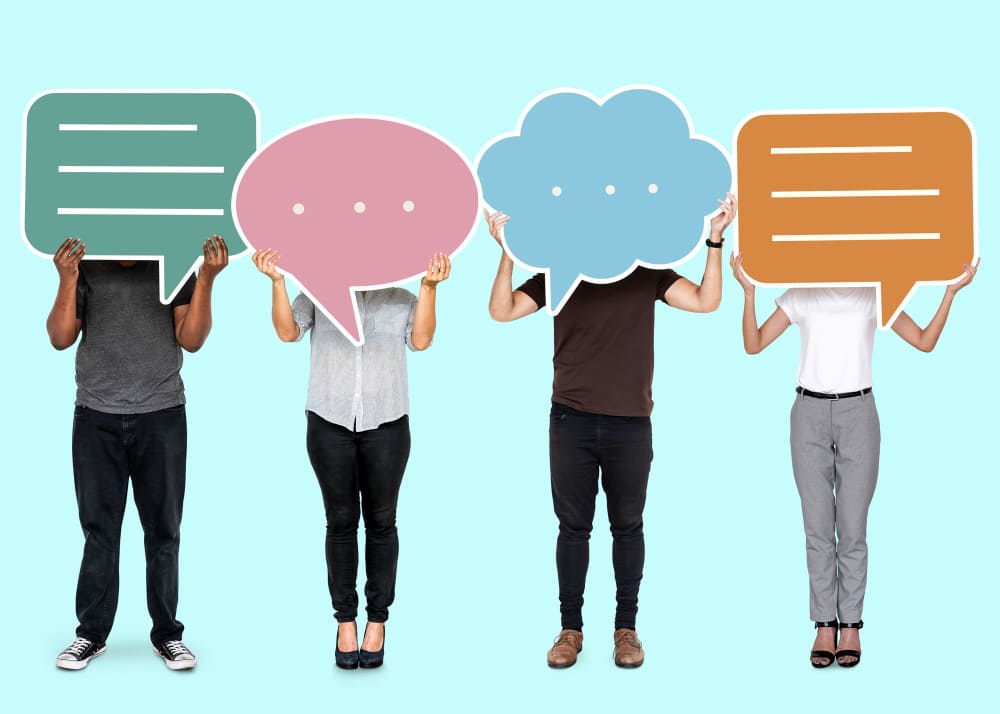
Communication Styles and What They Mean
Communication is an essential part of everyday life, influencing personal relationships, workplace interactions, and social connections. However, not everyone communicates in the same way. People have different communication styles that affect how they express emotions, handle conflicts, and interact with others. Understanding these styles can improve relationships, reduce misunderstandings, and create more effective conversations in both personal and professional environments. Communication styles are often shaped by personality, upbringing, culture, and life experiences. Some people are naturally direct and confident, while others may avoid confrontation or struggle to express their opinions openly. Recognizing these differences is important because communication problems often happen when people misunderstand each other’s intentions or behaviors. The Main Types of Communication Styles One of the most common communication styles is assertive communication. Assertive communicators express their thoughts and feelings clearly while respecting others. They are confident without being aggressive and usually communicate honestly and calmly. This style is often considered the most effective because it encourages open discussion, trust, and healthy boundaries. Passive communication is another common style. Passive communicators often avoid conflict and may struggle to express their needs or opinions. They tend to prioritize other people’s feelings over their own, which can sometimes lead to frustration or resentment. While passive individuals usually want to maintain peace, avoiding honest communication can create long-term problems in relationships. Aggressive communication is characterized by dominating conversations, interrupting others, or expressing opinions in a forceful way. Aggressive communicators may appear confident, but their communication style often creates tension and conflict. This approach can damage trust and make healthy communication more difficult. There is also passive-aggressive communication, where people express negative emotions indirectly instead of openly discussing problems. Sarcasm, silent treatment, or subtle criticism are common examples. This communication style often creates confusion because feelings are hidden instead of clearly expressed. Why Understanding Communication Styles Matters Recognizing communication styles can improve both personal and professional relationships. When people understand how others communicate, they can adjust their approach to create more productive conversations. For example, using patience and encouragement with passive communicators may help them feel more comfortable sharing their opinions. In the workplace, communication styles strongly affect teamwork, leadership, and problem-solving. Managers and employees who understand different communication behaviors often build stronger cooperation and reduce unnecessary conflict. Effective communication also improves customer relationships and overall workplace productivity. Digital communication has made understanding communication styles even more important. Text messages and emails remove tone of voice and body language, making misunderstandings more common. Being clear, respectful, and emotionally aware can help improve communication online. Improving communication style starts with self-awareness. People who understand their own habits and emotional reactions are more likely to communicate effectively. Practicing active listening, empathy, and respectful expression can strengthen communication skills over time. In the end, communication styles influence how people connect, solve problems, and build relationships. Understanding these styles helps create healthier interactions, stronger trust, and more successful communication in every area of life.

How to Understand People Better Through Communication
Understanding people is one of the most important parts of successful communication. Many conflicts, misunderstandings, and broken relationships happen not because people do not talk, but because they do not truly understand each other. Communication is not just about exchanging words - it is about interpreting the meaning, emotions, and intentions behind those words. Learning how to understand people better can improve relationships, teamwork, and everyday interactions. A key factor in understanding others is paying attention to both verbal and nonverbal communication. Words alone often do not show the full picture. Tone of voice, facial expressions, body language, and even pauses in speech can reveal emotions that are not directly expressed. For example, someone may say they are fine, but their tone or posture may suggest stress or sadness. Observing these details helps create a deeper understanding of what a person is really feeling. Listening actively is another essential skill. Many people listen only to respond, instead of listening to understand. Active listening involves focusing fully on the speaker, avoiding interruptions, and showing interest through feedback or questions. When people feel truly heard, they are more likely to open up and share their thoughts honestly. This leads to more meaningful and accurate communication. Key Ways to Read and Understand People Better Empathy plays a major role in understanding others. Empathy means trying to see the world from another person’s perspective. When people put themselves in someone else’s situation, they can better understand their emotions and reactions. This reduces judgment and helps create stronger emotional connections. Asking the right questions is also important. Clear and thoughtful questions encourage people to explain their thoughts more deeply. Instead of assuming what someone means, asking for clarification can prevent misunderstandings. Open-ended questions are especially useful because they encourage more detailed answers and honest communication. Another important aspect is emotional awareness. People communicate differently depending on their mood, stress level, or environment. Understanding emotional states helps in interpreting messages more accurately. For example, someone who is tired or stressed may communicate differently than when they are calm and relaxed. Cultural awareness also improves understanding. People from different backgrounds may have different communication habits, values, or expectations. Being aware of these differences helps avoid misinterpretations and promotes respectful communication in diverse environments. In digital communication, understanding people becomes more challenging because tone and body language are missing. Messages can easily be misinterpreted without emotional context. Taking time to write clearly and carefully can help reduce confusion and improve understanding in online conversations. Improving the ability to understand others requires practice and patience. By observing behavior, listening carefully, and showing empathy, people can develop stronger communication skills over time. Small improvements in attention and awareness can significantly enhance relationships and reduce misunderstandings. In the end, understanding people better through communication is about more than hearing words. It is about recognizing emotions, respecting perspectives, and building genuine human connections. Those who master this skill are more likely to build trust, resolve conflicts, and create stronger relationships in all areas of life.

The Connection Between Communication and Confidence
Communication and confidence are closely connected, and each one strongly influences the other. People who communicate well often appear more confident, while those who feel confident tend to express themselves more clearly and effectively. This relationship plays an important role in personal development, professional success, and everyday social interactions. Understanding how communication and confidence work together can help people improve both skills at the same time. Confidence in communication is not about being loud or dominating conversations. Instead, it is about expressing thoughts clearly, calmly, and with purpose. Confident communicators are usually more comfortable speaking in front of others, sharing opinions, and asking questions. They do not fear judgment as much, which allows them to communicate more openly and honestly. On the other hand, people who struggle with confidence often face challenges in communication. They may hesitate to speak, avoid eye contact, or have difficulty expressing their ideas. This can lead to misunderstandings or missed opportunities, even when they have valuable thoughts to share. Over time, weak communication can further reduce confidence, creating a cycle that is difficult to break. How Communication Builds Confidence One of the most effective ways to build confidence is through practice. The more a person communicates, the more comfortable they become in expressing themselves. Simple activities like participating in conversations, giving presentations, or even practicing speaking alone can significantly improve communication skills and reduce fear. Positive feedback also plays an important role. When people receive encouragement or see that others understand and appreciate their message, their confidence naturally grows. This reinforces the belief that their voice matters and that they can communicate effectively. Body language is another key factor. Standing tall, maintaining eye contact, and using open gestures can instantly improve how confident a person feels and appears. Even when someone does not feel fully confident internally, strong body language can help project confidence externally, which often influences how others respond. Clear communication also strengthens self-confidence. When people are able to express their thoughts without confusion or hesitation, they feel more in control of conversations. This sense of control reduces anxiety and increases overall confidence in social situations. In professional environments, communication and confidence are especially important. Confident communication helps during job interviews, meetings, and presentations. It allows individuals to express ideas clearly, take leadership roles, and build stronger professional relationships. Employers often value communication skills because they reflect both competence and confidence. Digital communication has added new challenges, but also opportunities. Writing clear emails, participating in online discussions, and speaking on video calls can all help improve communication confidence in modern workplaces. In the end, communication and confidence support each other in a continuous cycle. Better communication builds confidence, and greater confidence improves communication. By practicing regularly, paying attention to body language, and embracing opportunities to speak, anyone can strengthen both skills and improve their success in life.

How to Express Yourself Without Fear
Expressing yourself is a fundamental part of communication, yet many people struggle with fear when it comes to speaking openly. This fear can appear in different situations—public speaking, conversations with authority figures, or even everyday discussions. It often leads to hesitation, self-doubt, or avoiding communication altogether. Learning how to express yourself without fear is important for building confidence, improving relationships, and developing a stronger sense of self. Fear of expression usually comes from the worry of being judged, misunderstood, or rejected. People often overthink their words and fear making mistakes in front of others. This can result in silence or incomplete communication, even when they have valuable thoughts to share. However, avoiding expression often increases anxiety over time, while facing it gradually helps reduce fear. One of the first steps to overcoming this fear is accepting that mistakes are normal. No one communicates all the time perfectly. Even confident speakers make errors, but they learn from them instead of letting them stop them. Shifting focus from perfection to progress helps reduce pressure and makes communication feel more natural. Practical Ways to Speak with Confidence Preparation is one of the most effective tools for reducing fear. When people organize their thoughts before speaking, they feel more in control. Whether it is a presentation, conversation, or message, having a clear idea of what to say helps reduce anxiety and increases clarity. Another important step is starting small. Expressing yourself does not have to begin with large or difficult situations. Simple daily conversations, short opinions, or small contributions in group discussions can gradually build confidence. Over time, these small steps make bigger communication challenges feel easier. Breathing and body control also play a major role. Nervousness often affects physical behavior, such as shallow breathing or tense posture. Taking slow breaths and maintaining relaxed body language can help calm the mind and improve communication. A steady voice and open posture also help others perceive confidence. Positive self-talk is another powerful technique. Many people hold back because of negative thoughts like “I might sound stupid” or “I will say something wrong.” Replacing these thoughts with more supportive ones, such as “My opinion matters” or “I can express this clearly,” helps reduce fear and build inner confidence. Supportive environments also make a big difference. People feel more comfortable expressing themselves when they are surrounded by understanding and respectful individuals. Choosing the right time and place for communication can make it easier to speak openly without pressure. Over time, repeated practice reduces fear naturally. The more a person expresses themselves, the less intimidating it becomes. Confidence grows through experience, not avoidance. Every conversation becomes an opportunity to improve communication skills and strengthen self-belief. In the end, expressing yourself without fear is about self-acceptance, practice, and patience. When people stop focusing on judgment and start focusing on honest communication, fear slowly loses its power. This allows for more authentic conversations, stronger relationships, and greater personal confidence in every area of life.

The Role of Communication in Personal Growth
Communication is one of the most essential skills that shapes how individuals develop personally and professionally. It is more than just exchanging words; it is the ability to express thoughts clearly, understand others, and build meaningful relationships. Strong communication skills directly influence confidence, emotional intelligence, and self-awareness, all of which are key elements of personal growth. Effective Communication as a Foundation for Self-Development One of the main ways communication contributes to personal growth is by helping individuals understand themselves better. When people express their thoughts and feelings clearly, they become more aware of their beliefs, values, and goals. This process of articulation encourages reflection, which is essential for self-improvement. For example, discussing challenges with others can help identify weaknesses and discover new solutions that may not have been obvious before. In addition, effective communication improves decision-making skills. When individuals are able to ask questions, listen actively, and consider different perspectives, they make more informed choices. This openness to dialogue reduces misunderstandings and allows for constructive feedback, which is crucial for learning and development. Over time, people who communicate well tend to become more adaptable and confident in various life situations. The Impact of Communication on Relationships and Confidence Another important aspect of communication in personal growth is its impact on relationships. Healthy communication builds trust, respect, and understanding between individuals. Whether in friendships, family relationships, or professional environments, the ability to communicate effectively strengthens connections and reduces conflicts. This creates a supportive environment where individuals feel valued and motivated to grow. Furthermore, communication plays a significant role in building self-confidence. When people express themselves clearly and are understood by others, they gain confidence in their abilities. This confidence encourages them to take on new challenges, speak in public, and participate more actively in social and professional settings. Over time, this leads to greater personal and career development. In conclusion, communication is a powerful tool for personal growth. It enhances self-awareness, improves decision-making, strengthens relationships, and builds confidence. By continuously developing communication skills, individuals can unlock their full potential and achieve long-term success in all areas of life.

How Miscommunication Happens and How to Avoid It<
Miscommunication is a common issue that affects personal relationships, workplaces, and even everyday interactions. It occurs when a message is not correctly delivered, received, or understood. Although communication seems simple, many factors can distort meaning and lead to confusion, conflict, or frustration. Understanding why miscommunication happens is the first step toward preventing it and improving the quality of interactions. Common Causes of Miscommunication One of the main reasons miscommunication occurs is unclear expression. If thoughts are not well organized and the language is vague, the message can be misinterpreted. Word choice, tone, and even body language all play a role in how a message is interpreted. For example, a sarcastic tone may be taken seriously, leading to confusion or disagreement. Another important factor is poor listening. Communication is a two-way process, and if one party is not actively listening, important details can be missed. Distractions, assumptions, and lack of attention often result in incomplete understanding. Additionally, cultural differences and personal biases can influence how messages are interpreted, especially in diverse environments. What seems polite in one culture may be considered rude in another, increasing the chance of misunderstanding. Strategies to Prevent Miscommunication Avoiding miscommunication requires conscious effort and strong communication habits. One of the most effective strategies is active listening. This means fully focusing on the speaker, avoiding interruptions, and confirming understanding by asking questions or repeating key points. Active listening ensures that both parties are aligned in their understanding of the message. Clarity is another essential factor. People should aim to express their thoughts in simple, direct language and avoid unnecessary complexity. Supporting verbal communication with non-verbal cues, such as gestures and eye contact, can also improve clarity and reduce confusion. Feedback is equally important in preventing misunderstandings. Encouraging others to ask questions and share their interpretation of the message helps identify and correct errors early. In professional settings, summarizing key points at the end of a conversation or meeting can further ensure alignment. In conclusion, miscommunication is often caused by unclear expression, poor listening, and differences in perception. However, by practicing active listening, communicating clearly, and encouraging feedback, individuals can significantly reduce misunderstandings and improve the effectiveness of their communication.

The Science of First Impressions in Communication
First impressions play a powerful role in communication and shape how others perceive us within seconds of meeting. Psychological research shows that people form judgments quickly based on appearance, tone of voice, body language, and initial behavior. These early perceptions can influence trust, credibility, and the overall direction of a relationship. Understanding the science behind first impressions can help individuals communicate more effectively in both personal and professional settings. How First Impressions Are Formed First impressions are formed almost instantly, often within the first few seconds of interaction. The brain processes visual and auditory cues rapidly and uses them to create assumptions about a person’s personality, confidence, and intentions. Non-verbal communication is especially important in this process. Eye contact, posture, facial expressions, and gestures all contribute to the message a person sends before they even speak. Tone of voice also plays a significant role. A calm, confident tone can create a sense of trust, while a hesitant or overly aggressive tone may lead to negative judgments. Additionally, appearance and grooming influence perception, as people often associate neatness and professionalism with competence. These factors combine to form a mental “snapshot” that can be difficult to change later. How to Improve First Impressions in Communication Although first impressions form quickly, they can be managed and improved with awareness and practice. One of the most effective strategies is to focus on positive body language. Standing or sitting upright, maintaining appropriate eye contact, and offering a genuine smile can immediately create a welcoming presence. These signals help establish trust and openness in communication. Another important factor is clear and confident speech. Speaking slowly, using simple language, and avoiding filler words such as “um” or “like” can make communication more impactful. Preparing mentally before important interactions can also reduce nervousness and improve delivery. Active listening is equally important in shaping a positive impression. Showing genuine interest in the other person by nodding, responding appropriately, and asking relevant questions demonstrates respect and engagement. This helps build a strong foundation for further communication. In conclusion, first impressions are formed quickly and are influenced by both verbal and non-verbal cues. By being aware of body language, tone, appearance, and listening skills, individuals can create positive and lasting impressions that enhance communication success.

How to Read People Through Their Communication
Understanding how to read people through their communication is a valuable skill in both personal and professional life. It involves observing not only what someone says, but also how they say it, including their tone, body language, and emotional cues. When developed properly, this skill can improve relationships, reduce misunderstandings, and help individuals respond more effectively in social interactions. Understanding Verbal and Non-Verbal Signals People communicate far more through non-verbal cues than they often realize. While spoken words convey direct meaning, tone of voice, facial expressions, and gestures reveal deeper emotions and intentions. A person may claim to be fine, but tense posture or lack of eye contact can suggest otherwise. Recognizing these inconsistencies can help identify when someone is not being fully open or comfortable. Tone of voice is another important indicator. A warm and steady tone usually reflects confidence and honesty, while a shaky or overly sharp tone may signal stress, frustration, or discomfort. Speech rate can be revealing: rapid talking may suggest nervousness, while slow replies can indicate hesitation or careful consideration. Body language plays a crucial role as well. Crossed arms, avoiding eye contact, or turning away can indicate defensiveness or disinterest. On the other hand, open posture, leaning slightly forward, and natural gestures often signal engagement and openness. However, it is important to interpret these signals in context, as they can vary depending on personality and culture. Developing Emotional Awareness in Communication To accurately read people, emotional intelligence is essential. This means being aware of your own emotions while also being sensitive to the emotions of others. By paying attention to subtle changes in behavior, such as shifts in tone or expression, you can better understand how someone is truly feeling. Active listening is a key skill in this process. Instead of focusing only on responding, it involves fully concentrating on the speaker, noticing details, and asking clarifying questions when needed. This not only improves understanding but also encourages others to communicate more openly. It is also important to avoid jumping to conclusions. Misinterpretation can easily occur if signals are taken out of context. A single gesture or expression should never be used alone to judge someone’s feelings or intentions. Instead, patterns of behavior over time provide more reliable insight. In conclusion, reading people through communication requires careful attention to both verbal and non-verbal cues, as well as emotional awareness. By developing these skills, individuals can gain a deeper understanding of others, improve relationships, and communicate more effectively in all areas of life.

The Power of Words in Everyday Life
Language is one of the most powerful tools humans possess. They shape thoughts, influence emotions, and determine the quality of relationships in everyday life. Whether spoken or written, words have the ability to inspire, heal, motivate, or harm. Understanding the power of words is essential for effective communication and personal development, as they directly impact how individuals connect with others and perceive the world around them. How Words Influence Thoughts and Emotions Words carry emotional weight and can significantly affect a person’s mindset. Positive language can uplift, encourage, and build confidence, while negative language can discourage and create doubt. A kind compliment can lift a person’s mood and motivation, whereas strong criticism can damage self-esteem and increase emotional distance. In everyday communication, tone and choice of words are just as important as the message itself. Even a neutral statement can be interpreted differently depending on how it is delivered. This shows that words are not just tools for information but also powerful carriers of emotion. People often remember how something was said long after they forget what was actually said. Words also play a key role in shaping self-perception. The way individuals talk to themselves influences their confidence and behavior. Positive self-talk can encourage resilience and growth, while negative internal dialogue can limit potential and create unnecessary stress. Therefore, being mindful of language is important not only when speaking to others but also when thinking internally. Using Words Responsibly in Communication Because words have such a strong impact, using them responsibly is essential. Thoughtful communication helps build trust, respect, and understanding in relationships. Choosing words carefully can prevent misunderstandings and reduce conflict, especially in emotionally sensitive situations. Active listening also enhances the responsible use of words. When people truly listen, they respond more thoughtfully rather than reacting impulsively. This leads to clearer, more respectful conversations where both sides feel heard and valued. In addition, practicing empathy in communication allows individuals to choose words that consider the feelings of others. This is especially important in professional and social environments, where clear and respectful language can strengthen teamwork and cooperation. In conclusion, words have the power to shape emotions, relationships, and personal identity. By using language carefully and intentionally, individuals can create more positive interactions and contribute to a healthier communication environment in everyday life.

How to Develop Strong Social Communication Skills
Strong social communication skills are essential for building relationships, succeeding in professional environments, and navigating everyday interactions with confidence. These skills involve the ability to express thoughts clearly, listen actively, and respond appropriately in different social situations. While some people may be naturally outgoing, social communication is a skill that can be learned and improved over time with practice and awareness. Building Confidence in Social Interactions Confidence is one of the key foundations of strong social communication. Many communication difficulties come from fear of judgment or lack of self-assurance. Developing confidence starts with small, consistent actions, such as engaging in short conversations, greeting others politely, or participating in group discussions. Over time, these small steps help reduce anxiety and make social interaction feel more natural. Preparation also plays an important role in building confidence. Thinking about possible conversation topics or questions before entering social situations can help reduce hesitation. Additionally, focusing on the present moment rather than worrying about mistakes allows communication to flow more naturally. Confident communication is not about being perfect, but about being authentic and willing to engage. Body language is another important factor. Maintaining good posture, making eye contact, and using natural gestures can make a person appear more approachable and self-assured. These non-verbal signals often influence how others respond, creating a more positive social experience. Improving Listening and Conversation Skills Active listening is at the heart of strong social communication. It involves fully focusing on the speaker, avoiding distractions, and showing genuine interest in what is being said. Simple actions like nodding, asking follow-up questions, and summarizing key points can significantly improve understanding and connection. Equally important is the ability to contribute meaningfully to conversations. This means avoiding one-word answers and instead providing thoughtful responses that keep the dialogue flowing. Asking open-ended questions encourages deeper discussions and helps build stronger relationships. Empathy also plays a crucial role in social communication. Understanding other people’s perspectives and emotions allows for more respectful and meaningful interactions. When individuals communicate with empathy, they are better able to respond in ways that support and strengthen relationships. In conclusion, developing strong social communication skills requires confidence, active listening, and empathy. By practicing these skills consistently, individuals can improve their ability to connect with others, build lasting relationships, and succeed in both personal and professional life.

The Importance of Empathy in Communication
Empathy is one of the most important elements of effective communication. It is the ability to understand and share the feelings of another person, allowing individuals to connect on a deeper emotional level. In personal and work relationships alike, empathy helps foster trust, minimize conflict, and improve mutual understanding. Without empathy, communication can become mechanical, leading to misunderstandings and emotional distance. How Empathy Improves Understanding in Communication Empathy helps individuals understand situations from someone else’s point of view. Instead of focusing only on their own thoughts, empathetic communicators try to understand the emotions, needs, and experiences of others. This helps reduce judgment and encourages more open and honest conversations. Empathy makes communication more meaningful. People feel heard and valued, which makes them more willing to express themselves. For example, in a disagreement, an empathetic response such as “I understand why you feel that way” can help calm emotions and create space for constructive dialogue. This reduces the likelihood of conflict and improves problem-solving. Empathy also improves listening skills. Instead of simply waiting for a turn to speak, empathetic listeners pay close attention to both words and emotions. They notice tone, facial expressions, and body language, which provides a fuller understanding of what the other person is experiencing. This deeper level of listening strengthens relationships and builds mutual respect. The Role of Empathy in Building Strong Relationships Empathy is essential for creating strong and lasting relationships. In friendships, family connections, and workplaces, people are more likely to trust those who show genuine understanding and care. When individuals feel emotionally supported, they are more open and cooperative in communication. In professional environments, empathy contributes to better teamwork and leadership. Leaders who demonstrate empathy are better able to motivate their teams, resolve conflicts, and create a positive work environment. Employees also feel more comfortable sharing ideas and concerns, which improves collaboration and productivity. Empathy also plays a role in reducing misunderstandings. When people take the time to consider how their words might affect others, they communicate more carefully and respectfully. This leads to fewer conflicts and stronger mutual understanding. In conclusion, empathy is a powerful force in communication that enhances understanding, strengthens relationships, and improves cooperation. By practicing empathy in everyday interactions, individuals can create more meaningful connections and communicate more effectively in all areas of life.

How Communication Affects Mental Health
Communication plays a significant role in shaping mental health and emotional well-being. The way individuals express themselves and interact with others can either support psychological balance or contribute to stress and emotional distress. Healthy communication fosters understanding, reduces isolation, and builds emotional resilience, while poor communication can lead to anxiety, conflict, and feelings of loneliness. Understanding this connection is essential for maintaining both strong relationships and positive mental health. The Link Between Communication and Emotional Well-Being Open and honest communication is closely connected to better mental health. When individuals feel comfortable expressing their thoughts and emotions, they are less likely to experience emotional suppression, which can lead to stress and anxiety. Sharing feelings with trusted friends, family members, or professionals provides emotional relief and helps individuals process difficult experiences more effectively. Communication also plays a key role in reducing feelings of isolation. Humans are social beings, and meaningful interaction is essential for emotional stability. When people are unable to communicate effectively or feel unheard, they may withdraw socially, which can increase the risk of loneliness and depression. On the other hand, supportive conversations help individuals feel valued and understood, which strengthens emotional well-being. In addition, positive communication can improve self-esteem. Encouraging words, active listening, and empathy from others help individuals feel respected and confident. This kind of positive reinforcement helps build a healthier self-image and supports greater emotional stability over time. How Poor Communication Can Harm Mental Health While effective communication supports mental health, poor communication can have the opposite effect. Misunderstandings, lack of clarity, and unresolved conflicts often lead to stress and frustration. When individuals feel that their thoughts are ignored or misinterpreted, it can create emotional tension and reduce trust in relationships. Negative communication patterns, such as criticism, sarcasm, or dismissive behavior, can also harm mental well-being. Over time, these patterns may lead to increased anxiety or feelings of inadequacy. In extreme cases, toxic communication environments can contribute to long-term emotional distress and burnout. Another important factor is the inability to express emotions. People who struggle to communicate their feelings may internalize stress, which can negatively affect both mental and physical health. Learning to communicate openly and constructively is therefore essential for emotional balance. In conclusion, communication has a powerful impact on mental health. Positive, open, and supportive communication enhances emotional well-being, while poor communication can lead to stress and isolation. By developing healthy communication habits, individuals can significantly improve their mental health and overall quality of life.

Digital Communication and Human Interaction
Digital communication has become an essential part of modern life, transforming the way people interact, share information, and build relationships. With the rise of social media, messaging apps, and video conferencing, human interaction is no longer limited by distance or time. While digital tools offer convenience and connectivity, they also bring new challenges that affect the quality of communication and human relationships. The Benefits of Digital Communication in Modern Society One of the main advantages of digital communication is its speed and accessibility. People can instantly send messages, make video calls, or share information across the world in seconds. This has made it easier to maintain relationships, collaborate professionally, and stay informed about global events. Digital communication also supports flexibility in human interaction. Remote work, online education, and virtual meetings have become common, allowing individuals to connect without being physically present. This has improved productivity and created new opportunities for learning and collaboration. In addition, digital platforms allow people to express themselves in diverse ways. Emojis, images, videos, and voice messages add emotional context to conversations, making communication more dynamic and engaging. For many individuals, especially those who are shy or socially anxious, digital communication provides a comfortable way to interact with others. Challenges of Digital Communication on Human Interaction Despite its benefits, digital communication also presents several challenges. One major issue is the lack of face-to-face interaction. Without physical presence, important non-verbal cues such as body language, tone, and facial expressions can be lost or misinterpreted. This frequently leads to misunderstandings and weaker emotional connections. Another challenge is reduced attention and engagement. In digital environments, distractions are common, and conversations may lack depth or focus. People may respond quickly without fully processing the message, which can negatively affect communication quality. Overuse of digital communication can also impact social skills. Relying too heavily on screens may reduce opportunities for real-life interaction, making it harder for individuals to develop strong interpersonal skills. In some cases, excessive digital engagement can contribute to feelings of isolation or emotional disconnection. In conclusion, digital communication has greatly changed human interaction by making it faster, more accessible, and more flexible. However, it can also create challenges that affect emotional depth and understanding between people. By balancing digital and face-to-face communication, individuals can maintain healthy relationships and improve the quality of their interactions in both online and offline environments.

How to Communicate in Difficult Situations
Communicating in difficult situations is an essential life skill that helps individuals manage conflict, reduce stress, and maintain healthy relationships. Whether dealing with disagreements, emotional conversations, or workplace challenges, effective communication can prevent escalation and lead to better understanding. In such moments, the way messages are delivered and received becomes even more important than the message itself. Staying Calm and Clear During Challenging Conversations One of the most important aspects of communicating in difficult situations is maintaining emotional control. When emotions such as anger or frustration take over, communication often becomes reactive rather than thoughtful. Staying calm allows individuals to think clearly, choose their words carefully, and respond in a more constructive way. Clarity is equally important. In stressful conversations, it is easy for messages to become confusing or misinterpreted. Using simple, direct language helps ensure that the main point is understood. Avoiding blame and focusing on facts rather than emotions can also reduce tension. For example, instead of making accusatory statements, using “I” statements such as “I feel concerned” or “I noticed” helps express feelings without escalating conflict. Non-verbal communication also plays a key role. A calm tone of voice, steady eye contact, and open body language can help create a more respectful and cooperative atmosphere. These signals show that the intention is to resolve the issue rather than to argue. Strategies for Resolving Conflict Effectively Active listening is one of the most powerful tools in difficult conversations. It involves fully focusing on the other person’s words, avoiding interruptions, and acknowledging their perspective. When people feel heard, they are more likely to respond calmly and work toward a solution. Another important strategy is empathy. Trying to understand the other person’s feelings and perspective helps reduce tension and build mutual respect. Even when disagreements exist, empathy allows both sides to find common ground and communicate more constructively. It is also helpful to focus on solutions rather than problems. Instead of dwelling on what went wrong, discussing possible ways forward encourages cooperation and progress. This approach shifts the conversation from conflict to problem-solving. In some cases, taking a short break can also be beneficial. Pausing a heated conversation allows both parties to cool down and return with a clearer mindset, leading to more productive communication. In conclusion, communicating in difficult situations requires calmness, clarity, active listening, and empathy. By applying these strategies, individuals can handle conflict more effectively, strengthen relationships, and turn challenging conversations into opportunities for understanding and growth.

The Role of Communication in Conflict Resolution
Communication plays a central role in resolving conflicts in both personal and professional environments. Conflicts are a natural part of human interaction, but how they are managed determines whether relationships are strengthened or damaged. Effective communication helps clarify misunderstandings, reduce emotional tension, and guide individuals toward mutually beneficial solutions. Without it, conflicts can escalate quickly and create long-lasting negative effects. How Clear Communication Reduces Conflict One of the main ways communication supports conflict resolution is by preventing and correcting misunderstandings. Many conflicts arise not from actual disagreement, but from unclear or incomplete information. When individuals express their thoughts clearly and directly, they reduce the chance of misinterpretation. Using simple language, avoiding assumptions, and focusing on facts rather than accusations helps keep conversations productive. Active listening is another essential element in reducing conflict. When people listen carefully to each other without interruption, they gain a better understanding of different perspectives. This not only helps identify the root cause of the conflict but also shows respect and willingness to cooperate. In many cases, simply feeling heard can significantly reduce emotional tension between parties. Non-verbal communication also plays an important role. Tone of voice, facial expressions, and body language can either escalate or calm a situation. A calm tone and open posture signal willingness to resolve the issue, while aggressive gestures or harsh tones can intensify conflict. Being aware of these signals helps create a more positive and constructive environment for discussion. Communication Strategies for Effective Conflict Resolution Successful conflict resolution requires intentional communication strategies. One of the most effective is the use of “I” statements instead of blaming language. For example, saying “I feel upset when deadlines are missed” is more constructive than “You never meet deadlines.” This approach reduces defensiveness and encourages open dialogue. Empathy is another key factor in resolving conflicts. By trying to understand the other person’s feelings and perspective, individuals can find common ground and build trust. Empathetic communication helps shift the focus from winning an argument to finding a solution that works for both sides. Problem-solving communication is also essential. Instead of focusing on the issue itself, effective communicators focus on possible solutions. This collaborative approach encourages cooperation and leads to more sustainable outcomes. In some situations, taking a break from the conversation can be beneficial. Stepping away allows emotions to settle, making it easier to return with a clearer mindset and more rational thinking. In conclusion, communication is the foundation of successful conflict resolution. Through clarity, active listening, empathy, and solution-focused dialogue, individuals can manage disagreements effectively and strengthen their relationships. Strong communication skills transform conflict from a source of tension into an opportunity for understanding and growth.

How to Build Better Conversations With Anyone
Having the ability to build better conversations is an important social skill that improves relationships, increases confidence, and helps individuals connect with others more easily. Good conversations are not based on luck, but on communication habits such as active listening, curiosity, and emotional awareness. By learning how to engage others effectively, anyone can improve both personal and professional interactions. The Foundations of a Good Conversation A strong conversation begins with genuine interest. People respond positively when they feel that someone is truly interested in what they are saying. Asking open-ended questions such as “What do you enjoy about your work?” or “How did you get into that hobby?” encourages deeper responses and keeps the conversation flowing naturally. Active listening is another key element. Instead of thinking about what to say next, focusing fully on the speaker helps create a stronger connection. This includes maintaining eye contact, nodding appropriately, and responding with short verbal acknowledgments. When people feel heard, they are more likely to engage openly and honestly. Body language also plays a significant role in conversations. Open posture, relaxed facial expressions, and appropriate eye contact make a person seem approachable and trustworthy. Even small non-verbal signals can influence how comfortable others feel during a conversation. Techniques for Improving Everyday Conversations One effective technique for better conversations is finding common ground. Identifying shared interests, experiences, or opinions helps build rapport quickly. This creates a sense of connection and makes the interaction more enjoyable for both sides. Another important skill is balancing speaking and listening. A good conversation is not one-sided; it involves equal participation. Talking too much can overwhelm the other person, while saying too little can make the interaction feel awkward. Striking a balance ensures a natural flow of dialogue. Asking follow-up questions is also essential. Instead of moving quickly from one topic to another, showing curiosity about what the other person has said helps deepen the conversation. For example, responding with “That sounds interesting, how did that happen?” encourages more detailed sharing. Finally, being authentic is crucial. People are more likely to connect with those who are genuine rather than those who try to impress or act differently from who they are. Authentic communication builds trust and makes conversations more meaningful. In Conclusion Building better conversations with anyone requires active listening, curiosity, good body language, and authenticity. By practicing these skills consistently, individuals can create more engaging, meaningful, and enjoyable interactions in all areas of life.

Why Silence Is Also a Form of Communication
Silence is often overlooked in communication, yet it is one of the most powerful and meaningful forms of expression. While words convey direct messages, silence can communicate emotions, intentions, and attitudes without speaking at all. In many situations, what is not said can be just as important as spoken language. Understanding the role of silence helps improve emotional awareness and strengthens communication skills in both personal and professional relationships. The Meaning and Impact of Silence in Communication Silence can carry different meanings depending on the context. In some situations, it may indicate agreement, reflection, or respect. In others, it can signal discomfort, disagreement, or emotional withdrawal. Because silence is open to interpretation, it requires careful attention to surrounding cues such as body language, facial expressions, and the overall situation. One of the most powerful uses of silence is in active listening. When a person remains silent while another is speaking, it shows attentiveness and respect. This pause allows the speaker to fully express their thoughts without interruption, creating a sense of being heard and valued. In this way, silence enhances understanding rather than creating distance. Silence can also be used to process emotions. During difficult conversations, a moment of silence can help individuals reflect before responding. This pause often leads to more thoughtful and controlled communication, reducing the likelihood of conflict or emotional reactions. In this sense, silence acts as a tool for emotional regulation. The Role of Silence in Relationships and Decision-Making In relationships, silence can either strengthen or weaken communication depending on how it is used. Comfortable silence between individuals often indicates trust and emotional connection. It shows that both parties feel secure enough not to fill every moment with words. However, prolonged or unresolved silence can sometimes create misunderstanding or emotional distance if issues are not addressed. In decision-making, silence can be a powerful strategy. Taking time to remain silent allows individuals to observe, reflect, and gather their thoughts before responding. This is especially important in high-pressure situations where quick reactions may lead to mistakes. Silence creates space for clarity and better judgment. Culturally, silence also holds different meanings. In some cultures, it is a sign of respect and careful thinking, while in others it may be interpreted as avoidance or disapproval. Being aware of these differences is essential for effective cross-cultural communication. In Conclusion Silence is a significant form of communication that conveys meaning beyond words. It can express emotions, support active listening, and improve decision-making. When used thoughtfully, silence becomes a powerful tool that enhances understanding and deepens human connection.

How Culture Influences Communication Styles
Culture plays a fundamental role in shaping how people communicate, interpret messages, and interact with others. It influences language, tone, body language, and even the level of directness used in conversations. Because communication norms vary across cultures, misunderstandings can easily occur when individuals from different cultural backgrounds interact. Understanding these differences is essential for effective and respectful communication in a globalized world. Cultural Differences in Verbal and Non-Verbal Communication One of the most noticeable ways culture influences communication is through verbal expression. In some cultures, communication is direct and explicit, with people clearly stating their thoughts and opinions. In others, communication is more indirect, relying on context, tone, and subtle hints to convey meaning. These differences can sometimes lead to confusion if one person expects directness while the other prefers a more nuanced approach. Non-verbal communication is also heavily influenced by culture. Gestures, eye contact, personal space, and facial expressions can have different meanings depending on cultural background. For example, maintaining strong eye contact may be seen as confidence and honesty in some cultures, while in others it may be considered disrespectful or aggressive. Similarly, physical distance during conversations varies widely across societies and reflects cultural norms about personal space. Even silence can have different interpretations depending on culture. In some cultures, silence is a sign of respect and thoughtful reflection, while in others it may be seen as discomfort or lack of engagement. These variations highlight the importance of understanding cultural context when interpreting communication behavior. Adapting Communication in a Multicultural World Effective cross-cultural communication requires cultural awareness and adaptability. This involves recognizing that one’s own communication style is not universal and being open to different ways of expressing ideas. Active listening becomes especially important in multicultural settings, as it helps clarify meaning and reduces the risk of misunderstanding. Respect is a key element in cross-cultural communication. Being mindful of cultural norms, traditions, and values helps build trust and positive relationships. Asking questions when unsure and avoiding assumptions can prevent misinterpretation and show genuine interest in the other person’s perspective. Flexibility in communication style is also important. Adjusting tone, language complexity, and level of directness based on the cultural context can improve understanding and cooperation. In professional environments, this adaptability is especially valuable for teamwork and international collaboration. In Conclusion Culture significantly influences communication styles by shaping how people speak, listen, and interpret messages. By developing cultural awareness and adapting communication habits, individuals can reduce misunderstandings and build stronger, more respectful relationships across different cultural backgrounds.

The Difference Between Speaking and Communicating
Speaking and communicating are often used interchangeably, but they are not the same. Speaking refers to the act of producing words verbally, while communicating is the broader process of exchanging ideas, emotions, and information between individuals. Effective communication goes beyond words and includes listening, understanding, and interpreting meaning. Recognizing the difference between speaking and communicating is essential for building stronger relationships and improving interpersonal skills. Speaking as a Basic Form of Expression Speaking is the physical act of using language to express thoughts. It is primarily focused on delivering information from one person to another through words. While speaking is an important skill, it does not automatically guarantee that the message will be understood correctly. A person may speak clearly, but if the listener is not engaged or the message lacks context, communication can still fail. Speaking is often one-sided, focusing on what the speaker wants to say rather than how the message is received. It can include presentations, statements, or casual conversation. However, speaking alone does not ensure understanding, as it does not account for feedback or emotional interpretation from the listener. Communication as a Two-Way Process Communication, on the other hand, is a dynamic and interactive process. It involves both sending and receiving messages, as well as interpreting meaning. Effective communication includes verbal language, non-verbal cues, active listening, and emotional awareness. It requires engagement from both the speaker and the listener to ensure that the message is understood as intended. One of the key elements of communication is feedback. Unlike speaking, communication allows the receiver to respond, ask questions, or clarify meaning. This interaction helps reduce misunderstandings and ensures that both parties are aligned. Body language, tone of voice, and facial expressions also play a crucial role in conveying meaning beyond words. Communication also involves empathy and understanding. It requires individuals to consider the perspective, emotions, and reactions of others. This makes communication more meaningful and effective in building trust and relationships. In Conclusion Speaking is simply the act of using words, while communication is a complete process of exchanging and understanding meaning. By focusing not only on what is said but also on how it is received, individuals can become more effective communicators and build stronger connections in all areas of life.

How to Overcome Communication Barriers
Communication barriers are obstacles that prevent messages from being clearly sent, received, or understood. These barriers can occur in personal relationships, workplaces, and everyday interactions, often leading to misunderstandings, frustration, and conflict. They may arise from language differences, emotional states, cultural backgrounds, or even physical distractions. Learning how to overcome these barriers is essential for improving clarity and building stronger connections with others. Common Communication Barriers and Their Impact One of the most common barriers is language difference. When people do not share the same level of language proficiency or use different expressions, messages can easily become unclear. Even within the same language, ambiguous words or complex vocabulary can lead to confusion. Emotional barriers also play a significant role. Intense emotions such as anger, stress, or anxiety can affect the way messages are communicated and understood. For example, a person who is upset may speak in a harsh tone, which can cause the listener to respond defensively rather than constructively. Similarly, emotional bias can lead people to misinterpret neutral messages as negative. Physical and environmental barriers can also interfere with communication. Noise, distance, poor technology, or distractions can prevent messages from being delivered effectively. In digital communication, technical issues or lack of visual cues can further increase the risk of misunderstanding. Cultural differences may also create barriers, as communication styles, gestures, and meanings vary across societies. What is considered polite in one culture may be seen differently in another, leading to potential misinterpretation. Strategies to Overcome Communication Barriers One of the most effective ways to overcome communication barriers is through clarity. Using simple, direct language and avoiding unnecessary complexity helps ensure that messages are easily understood. Organizing thoughts before speaking or writing also improves message structure and reduces confusion. Active listening is another essential strategy. By fully focusing on the speaker, asking questions, and confirming understanding, individuals can reduce misunderstandings and ensure that information is correctly received. Paraphrasing what the other person has said is a useful technique to check accuracy. Empathy also helps overcome barriers by encouraging individuals to consider the emotions and perspectives of others. This leads to more patient and respectful communication, especially in difficult situations. In addition, adapting communication style based on the audience can significantly improve understanding. This may include adjusting language, tone, or level of detail depending on who you are speaking with. In Conclusion Communication barriers are common but can be effectively managed through clarity, active listening, empathy, and adaptability. By applying these strategies, individuals can reduce misunderstandings and improve the quality of their interactions in all areas of life.

The Role of Communication in Leadership and Influence
Communication is one of the most important skills in leadership and plays a central role in a leader’s ability to influence others. Strong leaders rely not only on authority or decision-making skills, but also on communication to motivate, direct, and build relationships with people. Through clear, confident, and empathetic communication, leaders can build trust, motivate teams, and create a shared vision that drives success. How Communication Shapes Effective Leadership Effective leadership is built on strong communication. Leaders must be able to clearly express goals, expectations, and values so that others understand the direction they are expected to follow. When communication is unclear, confusion arises, leading to mistakes, reduced productivity, and lack of motivation. In addition to clarity, consistency in communication is essential. Leaders who communicate consistently build credibility and trust over time. Employees and team members are more likely to follow leaders who are transparent and reliable in their messaging. This consistency also helps create stability within teams and organizations. Non-verbal communication is equally important in leadership. Body language, tone of voice, and facial expressions can reinforce or weaken a leader’s message. A confident posture and calm tone can inspire trust, while inconsistent or aggressive non-verbal signals may create uncertainty or resistance. Communication as a Tool for Influence and Motivation Leadership is not only about giving instructions but also about influencing and motivating others. Effective communication helps leaders inspire action by connecting emotionally with their audience. When leaders communicate with passion and purpose, they are more likely to engage and motivate people toward shared goals. Active listening is another key aspect of leadership communication. Leaders who listen to feedback, concerns, and ideas from others demonstrate respect and openness. This encourages collaboration and makes team members feel valued, which increases engagement and loyalty. Empathy also plays a critical role in leadership influence. Understanding the needs, emotions, and challenges of others allows leaders to respond in a supportive and effective way. Empathetic communication strengthens relationships and builds a positive organizational culture. Storytelling is another powerful communication tool used by leaders. By sharing experiences and examples, leaders can make their messages more relatable and memorable, helping to inspire and guide others more effectively. In Conclusion Communication is essential to leadership and influence. It enables leaders to express vision, build trust, motivate others, and create strong relationships. By mastering communication skills, leaders can become more effective in guiding individuals and teams toward success.

How to Improve Communication in Relationships
Healthy relationships are built on effective communication. Whether in romantic partnerships, friendships, or family connections, the way people communicate determines the level of trust, understanding, and emotional closeness they share. Poor communication often leads to misunderstandings and conflict, while strong communication helps build deeper and more meaningful relationships. Improving communication requires effort, patience, and awareness from both sides. Building Trust Through Open and Honest Communication One of the most important aspects of improving communication in relationships is honesty. Being open about thoughts, feelings, and concerns helps prevent misunderstandings and builds trust over time. Communication is more natural and effective when people feel safe to speak without being judged. Clarity is also essential. Many relationship issues arise from assumptions or unclear messages. Expressing needs and expectations directly reduces confusion and ensures that both individuals are on the same page. Instead of expecting others to guess feelings or intentions, clear communication helps avoid unnecessary conflict. Emotional awareness plays a key role as well. Understanding one’s own emotions before expressing them allows for more controlled and thoughtful communication. This reduces the risk of reacting impulsively during emotional situations, which can harm relationships. Strengthening Connection Through Listening and Empathy Active listening is one of the most powerful tools for improving communication in relationships. It involves fully focusing on the other person, avoiding interruptions, and showing genuine interest in their words. Simple actions such as nodding, maintaining eye contact, and asking follow-up questions demonstrate attentiveness and respect. Empathy is equally important. Trying to understand the other person’s perspective helps reduce conflict and strengthens emotional connection. When people feel understood, they are more likely to communicate openly and resolve issues more easily. Empathetic communication shifts the focus from winning arguments to finding solutions together. Non-verbal communication also influences relationships significantly. Tone of voice, facial expressions, and body language can either support or contradict spoken words. Being mindful of these signals helps ensure that messages are received as intended. Finally, spending quality time together improves communication naturally. Regular conversations without distractions help strengthen bonds and create opportunities for open dialogue. Over time, this builds trust and emotional intimacy. Conclusion In conclusion, improving communication in relationships requires honesty, clarity, active listening, and empathy. By practicing these skills consistently, individuals can strengthen their connections, reduce conflicts, and build healthier and more fulfilling relationships.

The Future of Human Communication
Human communication is constantly evolving, shaped by technological progress, cultural change, and global connectivity. As society becomes more digital and interconnected, the ways people interact are rapidly transforming. The future of communication will likely combine advanced technology with traditional human interaction, creating new opportunities and challenges for how people connect, share information, and build relationships. Technological Advancements Shaping Communication One of the most significant factors influencing the future of communication is technology. Artificial intelligence, virtual reality, and real-time translation tools are already changing how people interact across distances and languages. These innovations make communication faster, more accessible, and more inclusive, allowing individuals from different parts of the world to connect instantly. Video conferencing and digital collaboration tools have already become essential in education and business. In the future, these tools are expected to become even more immersive, with virtual environments that simulate face-to-face interaction more realistically. This could reduce the gap between physical and digital communication, making online interaction feel more natural and engaging. At the same time, AI-powered communication assistants are likely to play a larger role in everyday life. These tools can help people write messages, translate languages, and even analyze tone and emotion in conversations, improving clarity and understanding. The Balance Between Digital and Human Interaction While technology is advancing, the importance of human connection remains essential. One of the key challenges of the future will be maintaining authentic relationships in an increasingly digital world. Although online communication is convenient, it may lack the emotional depth of face-to-face interaction if not used carefully. Non-verbal communication, such as body language and physical presence, will continue to play an important role in human connection. As a result, balancing digital communication with real-world interaction will be crucial for maintaining emotional well-being and strong relationships. Another important aspect of the future of communication is adaptability. As communication tools evolve, individuals will need to continuously develop new skills to stay effective. This includes digital literacy, cultural awareness, and emotional intelligence in both online and offline environments. Privacy and authenticity will also become major concerns. With increased digital communication, protecting personal information and ensuring genuine interactions will be more important than ever. Conclusion In conclusion, the future of human communication will be shaped by technology, globalization, and changing social dynamics. While digital tools will continue to enhance connectivity, maintaining human connection, empathy, and authenticity will remain essential. The most successful communicators of the future will be those who can balance technological efficiency with genuine human understanding.

Master Communication Skills for Life Success
Communication is one of the most important skills for achieving success in life. It influences how people build relationships, solve problems, express ideas, and advance in their careers. Mastering communication skills does not only involve speaking well, but also listening effectively, understanding others, and adapting to different situations. Strong communicators are often more confident, influential, and successful in both personal and professional environments. Core Communication Skills That Lead to Success One of the most essential communication skills is clarity. Being able to express thoughts in a simple and structured way helps others understand messages without confusion. Clear communication reduces misunderstandings and improves efficiency in everyday interactions, especially in academic and workplace settings. Active listening is another key skill. It involves fully focusing on the speaker, understanding their message, and responding thoughtfully. Good listeners build stronger relationships because they make others feel valued and respected. This skill also helps individuals learn more effectively and make better decisions. Emotional intelligence is equally important in communication. Understanding and managing emotions allows individuals to communicate calmly and effectively, even in stressful situations. It also helps in recognizing the emotions of others, which leads to more empathetic and respectful interactions. Non-verbal communication, such as body language, tone of voice, and facial expressions, also plays a major role. These signals often communicate more than words themselves and can either strengthen or weaken a message. Being aware of non-verbal cues helps ensure that communication is consistent and effective. Applying Communication Skills for Long-Term Success Mastering communication skills requires consistent practice and self-awareness. One effective approach is seeking feedback from others to identify areas for improvement. This helps individuals understand how their communication is perceived and where adjustments are needed. Another important step is adapting communication style to different situations and audiences. Professional environments may require formal language and structured communication, while personal relationships allow for more relaxed and emotional expression. Flexibility in communication improves understanding and effectiveness in all contexts. Confidence also plays a key role in communication success. Practicing speaking skills, preparing for important conversations, and stepping out of comfort zones can help build confidence over time. However, confidence should always be balanced with humility and respect for others. Conclusion In conclusion, mastering communication skills is essential for life success. By developing clarity, active listening, emotional intelligence, and adaptability, individuals can improve their relationships, advance in their careers, and navigate life more effectively. Strong communication is not just a skill but a lifelong tool for personal and professional growth.
Communication Books

The Architecture of Meaning: How Humans Construct Understanding Through Language
This book explores how humans use language to construct meaning, shape perception, and understand the world around them. It examines the deep connection between linguistic structures, thought processes, and cultural interpretation across societies. Through its chapters, readers discover how words, symbols, and narratives form the foundation of human communication, influencing everything from personal identity to shared knowledge and collective understanding.

Beyond Words: The Hidden Layers of Modern Communication
This book explores the hidden layers of modern communication beyond spoken and written words, including body language, digital signals, tone, and context. It reveals how meaning is often shaped as much by what is implied as by what is explicitly said. Through its chapters, readers discover how communication has evolved in the digital age, where emojis, algorithms, and online behavior all influence how people connect, interpret messages, and build relationships.

The Strategic Communicator: How Messages Shape Decisions and Outcomes
This book explores how strategic communication influences decisions, behaviors, and outcomes in business, politics, and everyday life. It examines how carefully crafted messages can guide perception, build trust, and shape the direction of individual and group actions. Through its chapters, readers discover the principles behind effective messaging, including timing, framing, audience understanding, and emotional impact, all of which determine how communication drives real-world results.

Communication Under Pressure: How Messages Change in High-Stakes Situations
This book explores how communication shifts under high-pressure, high-stakes situations where clarity, timing, and tone become critical. It examines how stress, urgency, and uncertainty influence the way messages are delivered, interpreted, and acted upon. Through its chapters, readers discover how individuals and organizations adapt their communication strategies in crises, negotiations, and emergencies to maintain control, reduce misunderstandings, and achieve effective outcomes.

The Digital Dialogue: How Technology Redefines Human Interaction
This book explores how digital technology is reshaping the way humans interact, communicate, and build relationships in the modern world. It examines how social media, messaging platforms, and artificial intelligence influence the speed, style, and meaning of everyday conversations. Through its chapters, readers discover how digital communication creates new forms of connection while also introducing challenges such as misunderstanding, information overload, and changing social norms.

The Power of Framing: How Information Shapes Perception and Choice
This book explores the power of framing in shaping how people perceive information and make decisions. It examines how the same facts can lead to different interpretations depending on context, wording, and presentation. Through its chapters, readers discover how framing is used in communication, marketing, politics, and everyday life to influence choices, guide attention, and shape understanding in subtle but powerful ways.

Silent Signals: How Context and Behavior Influence What We Say
This book explores how silent signals such as context, behavior, and nonverbal cues shape the meaning of what people say. It examines how much of human communication is conveyed through tone, timing, gestures, and situational awareness rather than words alone. Through its chapters, readers discover how these subtle signals influence interpretation in everyday interactions, relationships, and professional settings, often determining how messages are understood and responded to.

The Cognitive Side of Communication: How the Brain Processes Messages
This book explores the cognitive processes behind how the human brain receives, interprets, and responds to communication. It examines how attention, memory, perception, and emotion work together to shape the way messages are understood. Through its chapters, readers discover how cognitive biases, mental load, and neural processing influence communication outcomes, revealing why people often interpret the same message in different ways.

From Noise to Clarity: Techniques for Structuring Complex Ideas
This book explores how to transform complex, overwhelming information into clear and structured ideas that are easy to understand. It focuses on methods for organizing thoughts, simplifying concepts, and removing unnecessary noise from communication. Through its chapters, readers discover practical techniques for breaking down complexity, improving clarity in writing and speech, and presenting ideas in a way that enhances understanding and decision-making.

The Influence Engine: How Ideas Spread and Gain Momentum
This book explores how ideas spread through societies and gain momentum over time, shaping opinions, behaviors, and cultural trends. It examines the mechanisms behind influence, including communication networks, psychology, and social reinforcement. Through its chapters, readers discover how certain ideas grow rapidly while others fade, revealing the dynamics of virality, persuasion, and collective adoption in both digital and real-world environments.