


Kids Education Apps























Kids Education Articles

How Dolphins Talk to Each Other Underwater
Dolphins are some of the smartest animals in the ocean, and they have their own special way of “talking” to each other. Instead of words like humans use, dolphins communicate with sounds such as clicks, whistles, and squeaks. Each sound can mean something different. For example, a whistle might be used to call a friend, while clicks are often used to explore their surroundings. Dolphins also use body movements to communicate. They can jump out of the water, slap their tails, or swim in certain patterns to send messages to other dolphins nearby. What makes dolphin communication even more amazing is that each dolphin may have its own “signature whistle” — kind of like a name. Other dolphins can recognize and call each other using these unique sounds. Scientists believe dolphins can even work together using these signals when hunting fish or protecting each other from danger. So even though we can’t hear most of their conversations, dolphins are always “talking” underwater in their own clever language.

Why Do Cats Always Land on Their Feet?
Cats have a very strange and impressive ability - they often manage to land on their feet even after falling. This is not magic, but a natural skill called the righting reflex. When a cat starts to fall, its body reacts almost instantly. The first thing it does is turn its head toward the ground so it knows which way is down. After that, the rest of the body follows in a carefully coordinated movement. A cat’s spine is very flexible, which helps a lot. It can twist the front part of its body in one direction and the back part in another. This allows the cat to rotate in the air and quickly adjust its position. The cat pulls its legs in to spin faster, then stretches them out again right before it lands. This helps it slow down and land more safely. Another reason cats are so good at this is their body shape. They don’t have a rigid collarbone like humans do, which gives them extra freedom to twist and turn. However, even though cats have this amazing skill, it doesn’t make them completely safe from falls. Very high drops can still cause injuries, so they still need to be careful. This natural ability helps explain why cats are such agile climbers and confident jumpers.
The Fastest Animals on Earth Explained
Some animals are built for speed, and they can move much faster than humans. Let's look at some of the fastest creatures on Earth. The fastest animal on land is the cheetah. It can reach speeds of up to 100–120 km/h in short bursts. Cheetahs are built like racing cars — with long legs, a lightweight body, and a tail that helps them balance while turning quickly. In the sky, the fastest animal is the peregrine falcon. When it dives to catch prey, it can reach speeds over 300 km/h. It folds its wings and becomes like a flying arrow. In the water, the sailfish is one of the fastest swimmers. It can glide through the ocean at speeds of around 100 km/h, using its long body and special fin like a sail. Each of these animals is fast for a reason — speed helps them hunt food or escape predators. Nature shows us that being fast is not just about power, but about survival and adaptation.
How Elephants Show Emotions Like Humans
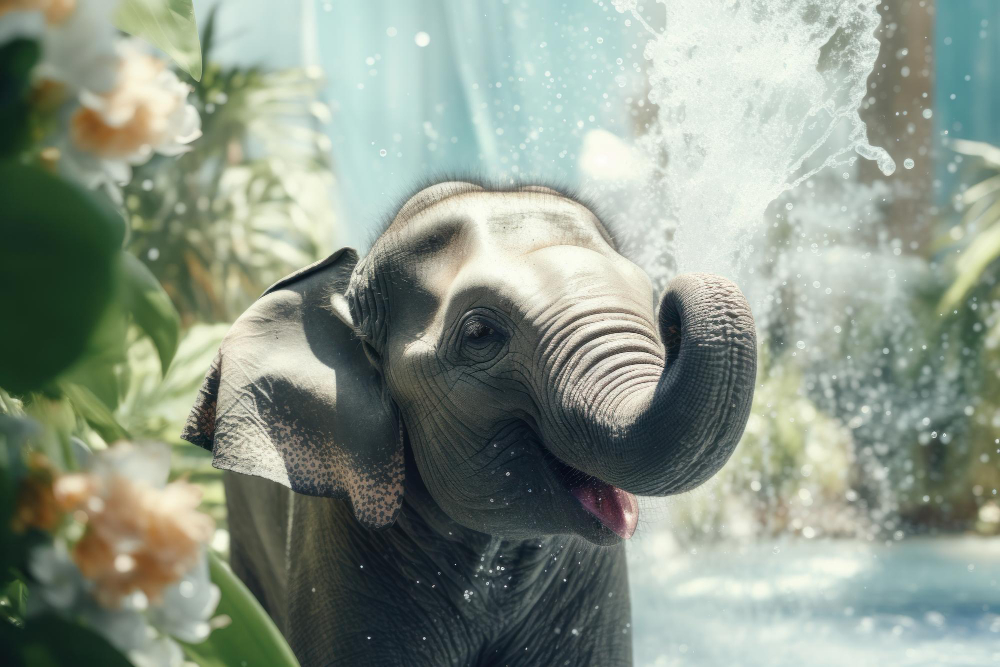
How Elephants Show Emotions Like Humans Elephants are not just big animals - they are also very emotional and intelligent. In many ways, they can show feelings that are similar to humans. Elephants can feel happiness, sadness, fear, and even empathy. For example, when an elephant is happy, it may flap its ears, make soft sounds, or gently touch other elephants with its trunk. When something sad happens, such as losing a family member, elephants often stay close together. They may touch each other gently and stay near the one who is grieving. Scientists believe this is a way of comforting each other. Elephants also form very strong family groups. They remember other elephants for many years and can even recognize friends they haven’t seen in a long time. Their trunk is very important for expressing emotions. It is used for touching, greeting, and showing care, almost like a hand. Because of these behaviors, elephants are often seen as one of the most emotionally intelligent animals on Earth.

Why Do Dogs Wag Their Tails?
If you've ever seen a dog wag its tail, you might think it always means the dog is happy - but it’s actually a bit more complicated than that. Dogs use their tails as a way to communicate. A wagging tail can show excitement, happiness, curiosity, or even nervousness, depending on how it moves. A fast wag with a relaxed body usually means the dog is happy and friendly. But a slow or stiff wag might mean the dog is unsure or alert. Dogs also use tail position to send signals. A high tail can show confidence, while a low tail may show fear or submission. Interestingly, dogs don’t wag their tails just for humans. They also use tail movements to communicate with other dogs, helping them understand each other without words. So, a dog’s tail is like a moving message board that helps show how it feels inside.
The Amazing Life of a Butterfly
Butterflies go through one of the most incredible transformations in the animal world. Their life begins as a tiny egg laid on a leaf. When the egg hatches, a caterpillar comes out. This stage is all about eating and growing. Caterpillars spend most of their time eating leaves so they can grow quickly. After a while, the caterpillar forms a protective case called a chrysalis. Inside this case, something amazing happens — the caterpillar changes completely into a butterfly. This process is called metamorphosis. When the butterfly is ready, it slowly comes out of the chrysalis. At first, its wings are soft and wet, but they soon dry and become strong enough for flying. Butterflies use their wings to search for food, like nectar from flowers, and to travel from place to place. They also help plants by spreading pollen, which helps new flowers grow. Even though butterflies don’t live very long, their life cycle is one of the most beautiful changes in nature.

How Camels Survive in the Desert
Camels are amazing animals that can live in some of the hottest and driest places on Earth — deserts. To survive there, they have many special adaptations that help them handle extreme heat and very little water. One of the most famous features of a camel is its hump. Many people think it stores water, but it actually stores fat. This fat gives camels energy when food is hard to find. Camels can also go a very long time without drinking water. When they do find it, they can drink large amounts in a short time. Their bodies are very good at saving water and not wasting it. Their thick eyelashes and nostrils that can close help protect them from blowing sand during desert storms. They also have wide, flat feet that stop them from sinking into hot sand. Even their body temperature can change slightly to help them cope with heat, so they don’t lose too much water by sweating. Thanks to all these adaptations, camels are perfectly built for life in the desert.
How Do Owls Turn Their Heads So Far Around?
Owls are famous for being able to turn their heads almost all the way around, but they cannot actually spin them completely in a full circle. Owls have very large eyes that are fixed in place, which means they cannot move their eyes like humans do. To look around, they need to move their entire head instead. Their necks are specially designed with extra vertebrae — more than humans have. This gives them the ability to rotate their heads up to about 270 degrees. But owls don’t get hurt when they turn their heads this far because their blood vessels and muscles are adapted to handle the movement safely. Their body makes sure blood still flows properly to the brain while they turn. This special ability helps owls hunt at night. They can stay still on a branch and silently move their heads to scan for small animals like mice. So, their amazing neck movement helps them be excellent nighttime hunters.
The Secret Language of Bees
Bees may be small, but they have a very advanced way of communicating with each other. One of the most famous ways bees talk is called the “waggle dance.” When a worker bee finds food, it returns to the hive and performs a special dance to show the others where to go. The direction of the dance shows where the food is, and the speed and movement tell how far away it is. Other bees watch carefully and then fly out to find the food. Bees also use smells called pheromones to send messages. These chemical signals can warn other bees about danger or help keep the hive organized. Inside a hive, every bee has a role, and communication is very important for survival. Without it, they wouldn’t be able to work together so efficiently. Even though bees are tiny, their communication system is one of the most complex in the animal world.
How Penguins Stay Warm in Ice-Cold Places
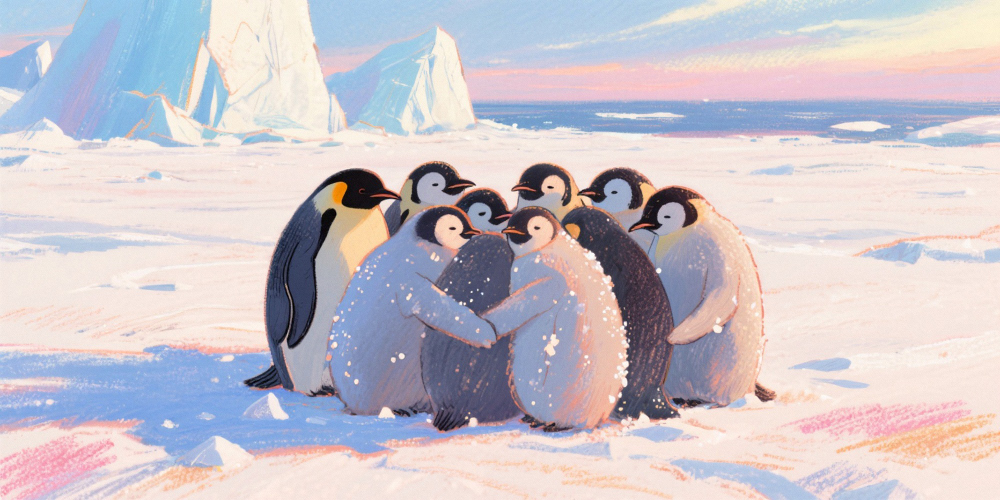
Penguins live in some of the coldest places on Earth, like Antarctica, where temperatures can drop far below freezing. Even though it looks impossible to survive there, penguins have many clever ways to stay warm. One of their biggest secrets is their thick layer of fat under the skin, called blubber. This layer works like a built-in jacket that keeps their body heat from escaping. Penguins also have very dense feathers that overlap tightly, like shingles on a roof. These feathers trap warm air close to their bodies and also keep cold water out when they swim. Another important trick is teamwork. Penguins often stay close together in large groups to share warmth and stay protected. They take turns moving from the cold outer edges to the warmer center of the group, helping everyone stay warm. Even their behavior helps them survive. Penguins stay active and move regularly so their bodies keep producing heat. Thanks to all these adaptations, penguins can thrive in places where most animals would not survive.
Why Do Frogs Croak at Night?
If you've ever been near a pond at night, you've probably heard frogs making loud croaking sounds. But frogs don’t croak just for noise - it actually has an important purpose. Most of the time, frogs croak to communicate with each other. Male frogs use croaking to attract female frogs during the breeding season. Each species has its own unique sound, almost like a special “voice.” Frogs croak more at night because it is safer and quieter. During the night, there are fewer predators around, and sound travels better in the cool air, making it easier for other frogs to hear them. Croaking can also be used to warn other males to stay away from their territory. In this way, frogs use sound to protect their space. So, what sounds like a noisy night for us is actually a very important conversation happening in the frog world.
The Incredible Memory of Elephants
Elephants are known for having one of the best memories in the animal kingdom. Their brains are very large and highly developed, which helps them remember important information for many years. One of the most amazing things elephants can do is remember locations of water sources, even after long periods of time. This is very important for survival, especially during dry seasons. Elephants also remember other elephants. They can recognize family members and friends even after being separated for years. This helps them stay connected in large herds. Older elephants, especially females, often act as leaders because of their experience and memory. They guide the group to food, water, and safe paths. Scientists believe elephants also remember emotional experiences. They may react differently to animals or places based on past encounters. Because of all this, elephants are not only intelligent but also deeply social animals with strong long-term memory.
10 Amazing Facts About the Human Brain
Your brain is one of the most incredible parts of your body. It works quietly all the time, even when you are sleeping, and helps you do everything from thinking to moving to dreaming. Let’s explore 10 super cool facts about your brain: Your brain never really “switches off” — it stays active day and night. It weighs about 1.3–1.4 kg, similar to a small watermelon. Your brain is made up of billions of tiny cells called neurons that help you think and feel. Neurons send messages through your body faster than a sports car. Your brain uses around 20% of all the energy your body needs. It controls everything — breathing, moving, thinking, and even feelings. Memories are stored in different areas, not just one single place. Your brain keeps learning and growing stronger every time you try something new. It doesn’t feel pain itself, but it processes all pain signals from your body. No two brains are the same — every person has a unique one. Your brain is like a powerful control center that helps you understand the world, solve problems, and imagine new things every day.
7 Things You Didn’t Know About Water
Water is something we use every day, but there are many surprising things about it that most people don’t know. Here are 7 interesting facts about water: Water covers most of the Earth—about 70% of it! Your body is made up of about 60% water. Water can exist in three states: liquid, solid (ice), and gas (vapor). No two snowflakes are exactly the same. Water is the only substance that naturally exists in all three states on Earth. You cannot survive more than a few days without water. The water on Earth today is the same water that existed millions of years ago. Water is essential for all life, from tiny insects to humans and giant whales.
Why Do We Yawn? A Strange Mystery Explained
Yawning is something everyone does, but scientists are still not completely sure why it happens. We yawn when we are tired, bored, or even when we see someone else yawn. One common idea is that yawning helps bring more oxygen into the body and cools the brain. When you yawn, you take in a deep breath and stretch your lungs. Another idea is that yawning helps the brain stay alert. It often happens when we are sleepy or not focused, like a kind of “wake-up signal.” Yawning is also very contagious. If you see someone yawn, you might start yawning too. This might be linked to empathy — the ability to understand how others feel. Even animals like dogs and lions yawn, so it is not just something humans do. Even though yawning is still a bit of a mystery, it is a normal and healthy part of life that helps your body and brain stay balanced.
8 Crazy Facts About the Universe
The universe is one of the most amazing things we can think about. It is unbelievably huge, full of mysteries, and still not fully understood. Scientists are discovering new things about it all the time. Here are 8 crazy facts about the universe: The universe is so massive that we can only see a tiny part of it from Earth. There are more stars in the universe than grains of sand on all the beaches on Earth combined. Some stars are so far away that their light takes millions of years just to reach us. Not all planets are solid — some are made mostly of gas and have no surface to stand on. On certain planets, one day can last longer than an entire year on Earth. Space has no air, which means sound cannot travel there, making it completely silent. There are galaxies that each contain billions of stars, and there are countless galaxies in the universe. The universe is still expanding, meaning it is getting bigger every single moment. The universe is full of incredible things that are hard to imagine, but that’s exactly what makes exploring it so exciting.
Did you know your body shines with a very faint light all the time?
It might sound unbelievable, but your body actually gives off a tiny amount of light all the time. You just can’t see it. This glow is not like a flashlight or a lamp. It is caused by chemical reactions happening inside your body as you use energy. Scientists call this bioluminescence, but in humans it is extremely weak. The glow is about 1,000 times weaker than what our eyes can detect, which is why we cannot see it without special equipment. Interestingly, the glow can change during the day. It is slightly stronger in the evening and weaker in the morning, following your body’s natural rhythm. Scientists study this tiny light to learn more about how our bodies work, especially how energy is used inside our cells. So even though you can’t see it, your body is quietly shining all the time!

10 Fun Facts About Ice Cream
People everywhere love eating ice cream! It's cold, sweet, and enjoyed by kids and grown-ups everywhere. But there’s a lot more to ice cream than just how tasty it is! Time for 10 tasty facts about ice cream! People have been enjoying early versions of ice cream for hundreds of years. It is believed that some of the first frozen desserts were made in ancient China. Vanilla is the most popular ice cream flavor in the world. Ice cream is fluffy and soft because air is mixed into it during production. Most people lick ice cream instead of biting into it. Ice cream melts quickly compared to many other frozen desserts. Some ice creams have very unusual flavors, like garlic or cheese. The largest ice cream scoop ever made weighed more than 1,000 kilograms. “Brain freeze” happens when something really cold touches the roof of your mouth too quickly. Ice cream tastes even better when you eat it on a warm, sunny day. Ice cream is not just a dessert - it is a fun experience that brings happiness to people all over the world.

The Weird Reason Why We Get Goosebumps
Have you ever felt tiny bumps appear on your skin when you are cold, scared, or even listening to a really emotional song? Those little bumps are called goosebumps, and they are something almost everyone experiences. Goosebumps happen when tiny muscles at the base of your hair follicles tighten. This makes the hairs on your skin stand up, creating that bumpy look. But why does this happen? A long time ago, our animal ancestors were much hairier. When they felt cold or threatened, their body made their hair stand up. This trapped more air close to the skin, helping them stay warmer. It also made them look bigger and more intimidating to enemies. Even though humans don’t have much body hair anymore, this reaction still exists in our bodies. It is like a leftover survival reflex from the past. Today, goosebumps can appear for many reasons: When you feel cold When you are scared or nervous When you experience strong emotions, like hearing powerful music So even though they might seem strange, goosebumps are actually your body’s ancient survival system still working in the background.

9 Surprising Facts About Sleep
Getting enough sleep helps your body and brain feel their best. While you are asleep, your brain and body are busy doing important jobs to help you stay healthy and full of energy. Here are 9 surprising facts about sleep: Your brain stays active even while you are sleeping. Children need more sleep than adults because their bodies and brains are still growing. Most people dream several times every night, even if they don't remember their dreams. Sleeping helps your brain store new memories and learn new skills. Your body repairs muscles and tissues while you sleep. Not getting enough sleep can make it harder to pay attention and solve problems. Yawning is often a sign that your body is getting ready for sleep or waking up. Some people talk or even walk in their sleep without knowing it. A good night's sleep can help improve your mood and give you more energy for the next day. Getting enough sleep helps you grow, learn, play, and feel your best every day.
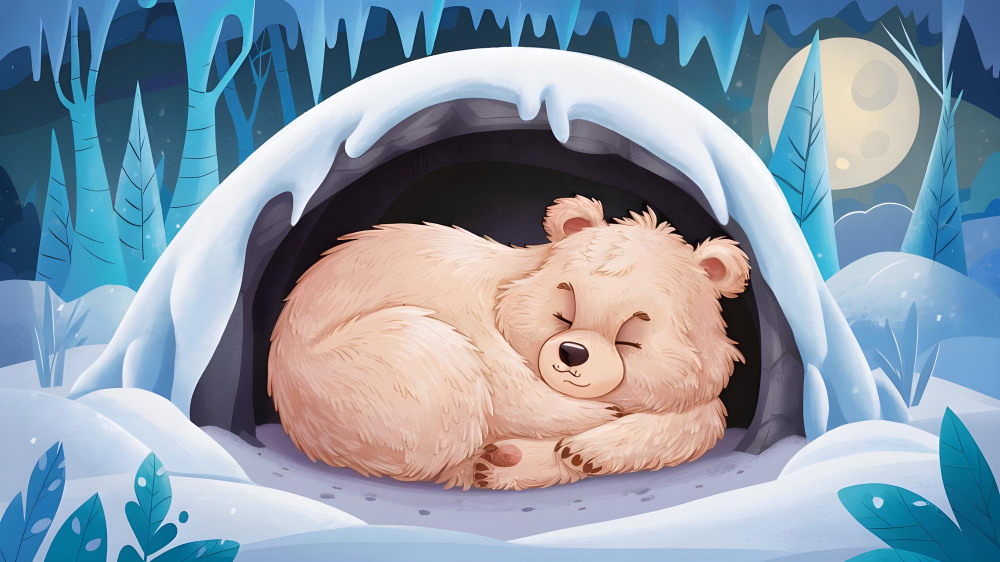
Why Do Some Animals Sleep All Winter?
Have you ever wondered why some animals seem to disappear during the winter? Many of them spend the cold months in a special deep sleep called hibernation. During hibernation, an animal's body slows down to save energy. Its heart beats much more slowly, its breathing becomes gentle, and its body temperature drops. Animals hibernate because food can be very difficult to find during winter. Instead of searching for food every day, they live off the fat they stored in their bodies during warmer months. Bears are famous for hibernating, but they are not the only ones. Bats, hedgehogs, ground squirrels, and some frogs also spend the winter in a resting state. Not every animal sleeps through the entire winter. Some wake up from time to time, while others remain asleep for weeks or even months. Hibernation is one of nature's smartest survival tricks, helping animals stay safe until spring arrives.

7 Incredible Facts About Lightning
Lightning is one of the most exciting and powerful weather events on Earth. It happens during storms and lights up the sky in just a tiny fraction of a second. Here are 7 incredible facts about lightning: Lightning is a huge burst of electricity that travels through the air. One flash of lightning can be five times hotter than the surface of the Sun. Lightning travels much faster than the sound of thunder. You always see the lightning before you hear the thunder because light travels faster than sound. Millions of lightning strikes happen around the world every day. Lightning can strike the same place more than once, especially tall buildings and trees. Thunder is created when lightning heats the air so quickly that the air expands with a loud boom. Lightning may look amazing, but it can also be dangerous. The safest place to be during a thunderstorm is indoors, away from windows and open spaces.

The Secret Life of Shadows Explained
Shadows are everywhere, but have you ever stopped to wonder what they really are? Even though they may look mysterious, shadows are actually very simple to understand. A shadow is made when an object blocks light. Light travels in straight lines, so when something gets in the way, the light cannot pass through. The dark area behind the object is called a shadow. Shadows can change their shape and size. If you move closer to a light source, your shadow becomes bigger. If you move farther away, it becomes smaller. That's why your shadow looks different during the day. The Sun is the biggest light source on Earth. In the morning and evening, the Sun is low in the sky, so shadows become long. Around midday, when the Sun is high overhead, shadows are much shorter. Not all shadows are black. They usually look dark gray because some light still reaches them by bouncing off other objects nearby. Shadows help us understand how light works, and they can even be used to tell the time with a sundial. The next time you see your shadow, remember—it's simply light taking a different path!
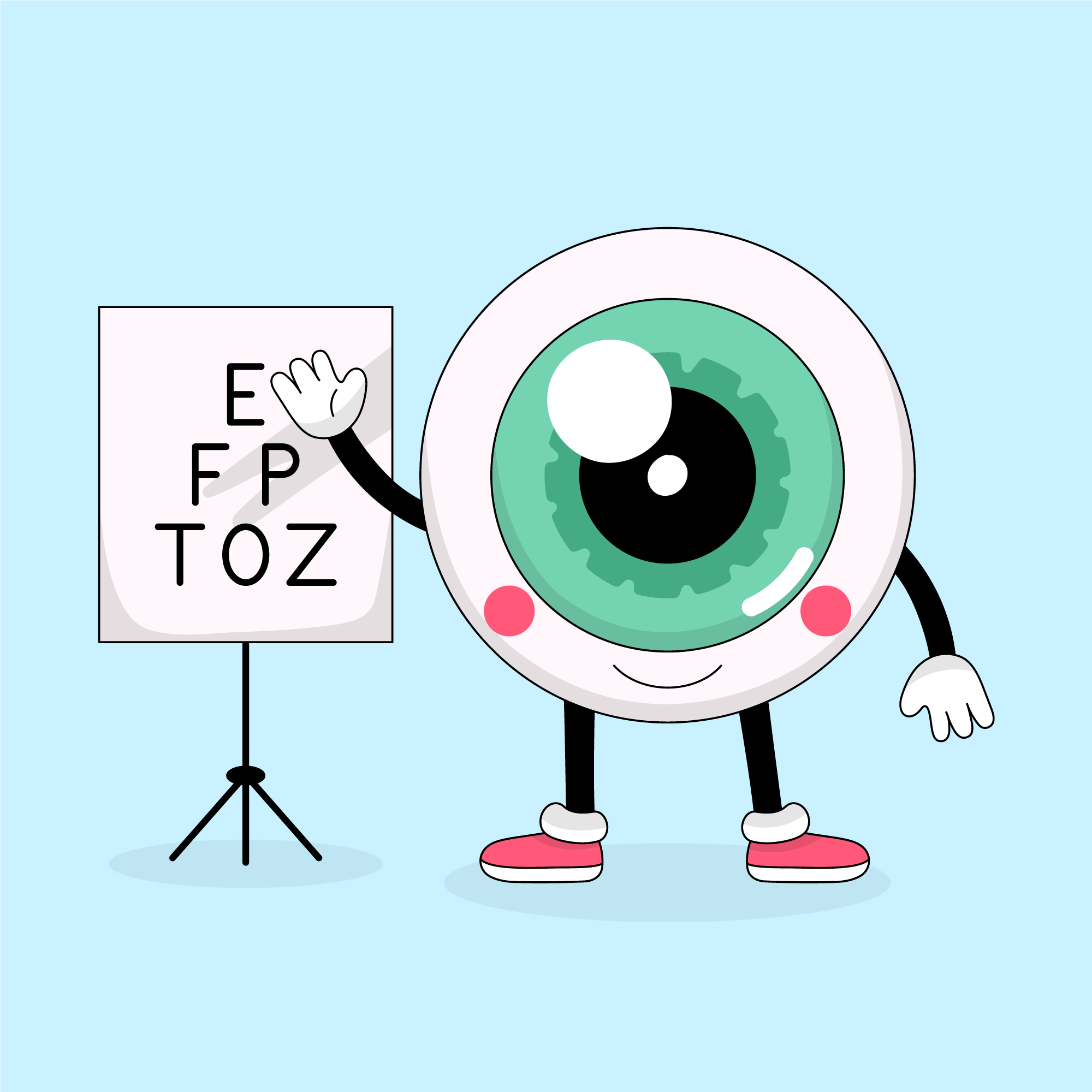
10 Cool Things to Know About Your Eyes
Your eyes help you explore the world every single day. They work together with your brain to let you see colors, shapes, and movement. Here are 10 amazing facts about your eyes: Your eyes can recognize millions of beautiful colors. Blinking is like a tiny windshield wiper that keeps your eyes clean and wet. You blink about 15 to 20 times every minute without even thinking about it. Your eyes focus on objects by changing the shape of the lens inside them. Your pupils get bigger in the dark to let in more light. Every person's iris—the colored part of the eye—is unique, just like a fingerprint. Your brain flips the images from your eyes so you see the world the right way up. Carrots are healthy for your eyes because they contain vitamin A, but they won't give you super vision. Your eyes work together to help you judge how far away things are. Your eyes send information to your brain in just a tiny fraction of a second. Your eyes and brain make an amazing team, helping you read, play, learn, and discover new things every day.
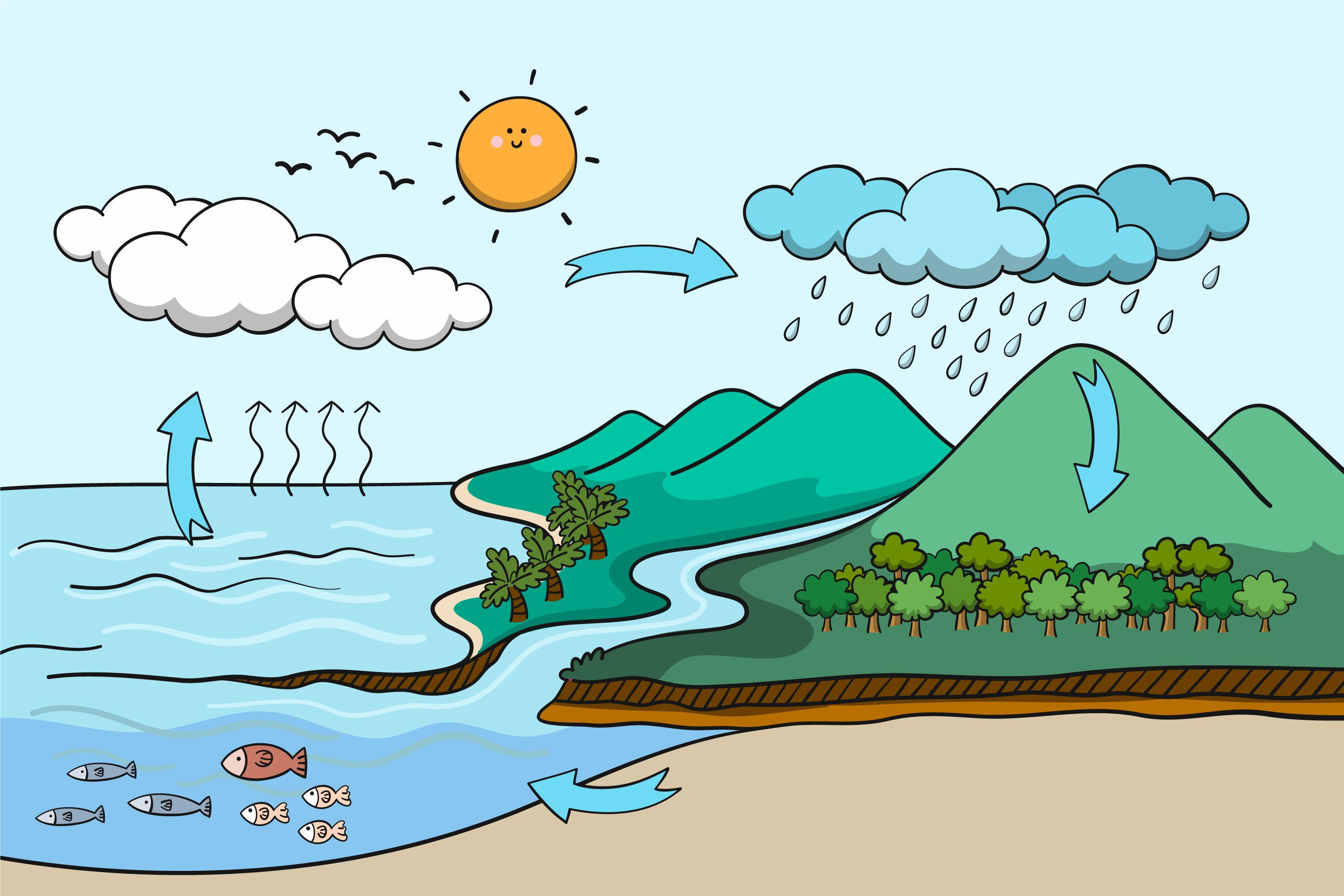
How Rain Is Made: The Water Cycle Explained
Have you ever asked yourself how rain gets from the clouds to the ground? It all happens because of a natural process called the water cycle, which keeps water moving around our planet. The journey begins when the Sun warms lakes, rivers, and oceans. The heat changes some of the water into an invisible gas called water vapor. This process is called evaporation. The water vapor rises high into the sky, where the air is much cooler. As it cools down, it turns back into tiny drops of water. These tiny drops gather together to form clouds. This step is called condensation. As more and more water droplets collect, the clouds become heavier. When the droplets are too heavy to stay in the sky, they fall back to Earth as rain. This stage is called precipitation. After the rain falls, the water flows into rivers, lakes, and oceans or soaks into the ground. Then the Sun warms the water again, and the whole cycle starts over. The water cycle never stops. It provides fresh water for plants, animals, and people, making life on Earth possible.

Why Do Leaves Change Color in Autumn?
Have you ever noticed how green trees turn bright yellow, orange, and red in autumn? This colorful change is one of nature's most beautiful surprises! During spring and summer, leaves are green because they contain a substance called chlorophyll. Chlorophyll helps plants use sunlight to make food, a process called photosynthesis. When autumn arrives, the days become shorter and the weather gets cooler. Trees know that winter is coming, so they stop making as much chlorophyll. As the green color fades away, other colors that were already hiding inside the leaves begin to appear. Yellow and orange colors become easy to see, while some trees also produce beautiful red and purple shades. Eventually, the leaves dry out and fall to the ground. This helps the tree save energy during the cold winter months when it is harder to grow. When spring returns, new green leaves grow, and the cycle begins all over again.
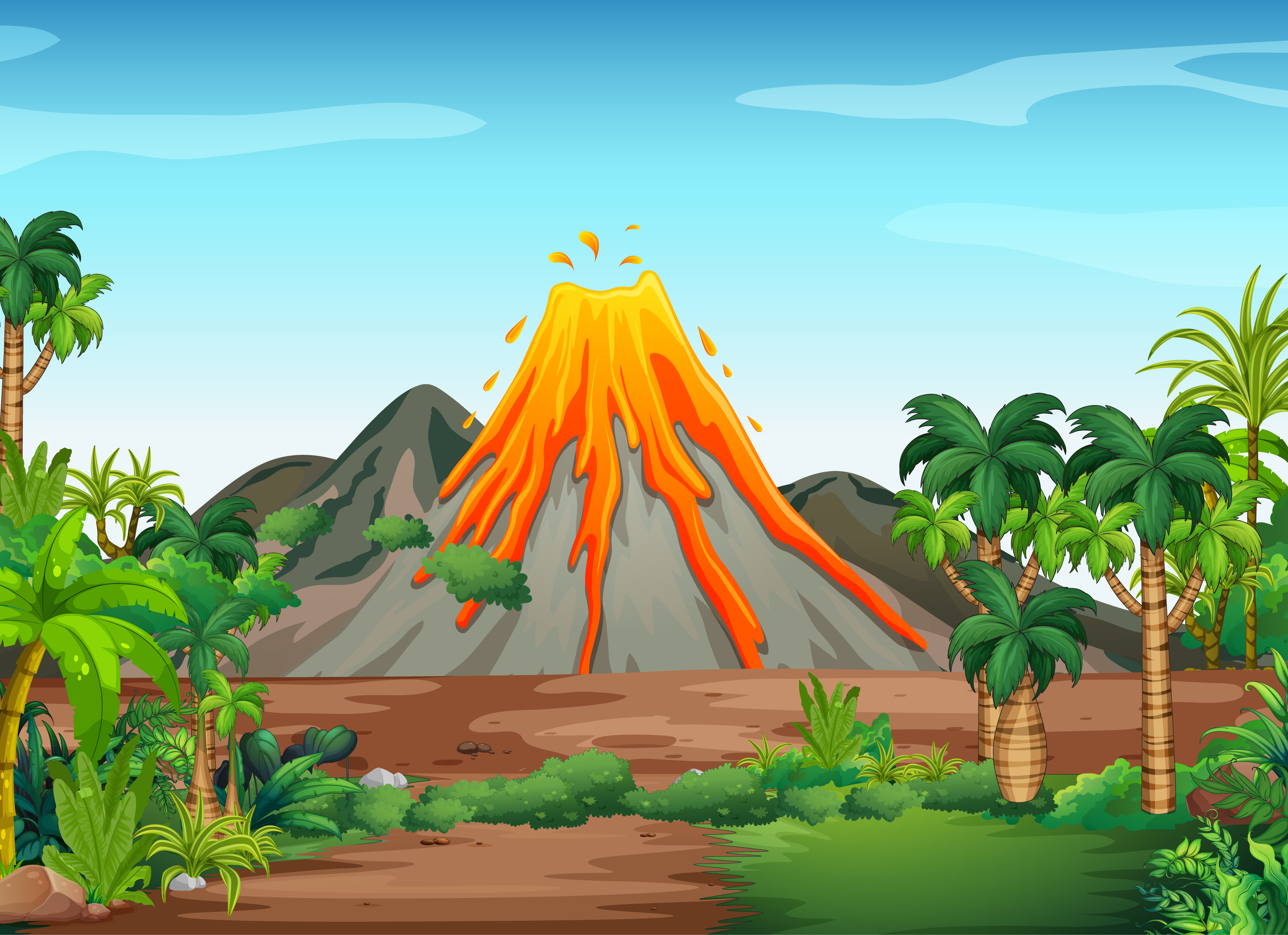
How Do Volcanoes Erupt? A Simple Explanation
Volcanoes are some of the most powerful natural features on Earth. They can stay quiet for many years, but when they erupt, they can send hot lava, ash, and gases high into the sky. Deep beneath the Earth's surface is a layer of extremely hot, melted rock called magma. As magma heats up, gases inside it create pressure. Sometimes, the pressure becomes so strong that the magma pushes upward through cracks in the Earth's crust. When it finally reaches the surface, it is called lava. An eruption can also send ash, rocks, and steam into the air. Some eruptions are gentle, with slow-moving lava, while others are much more explosive. After the lava cools down, it becomes solid rock. Over many years, repeated eruptions can make a volcano grow even taller. Although volcanoes may seem scary, they also help create new land and provide rich soil where many plants can grow.
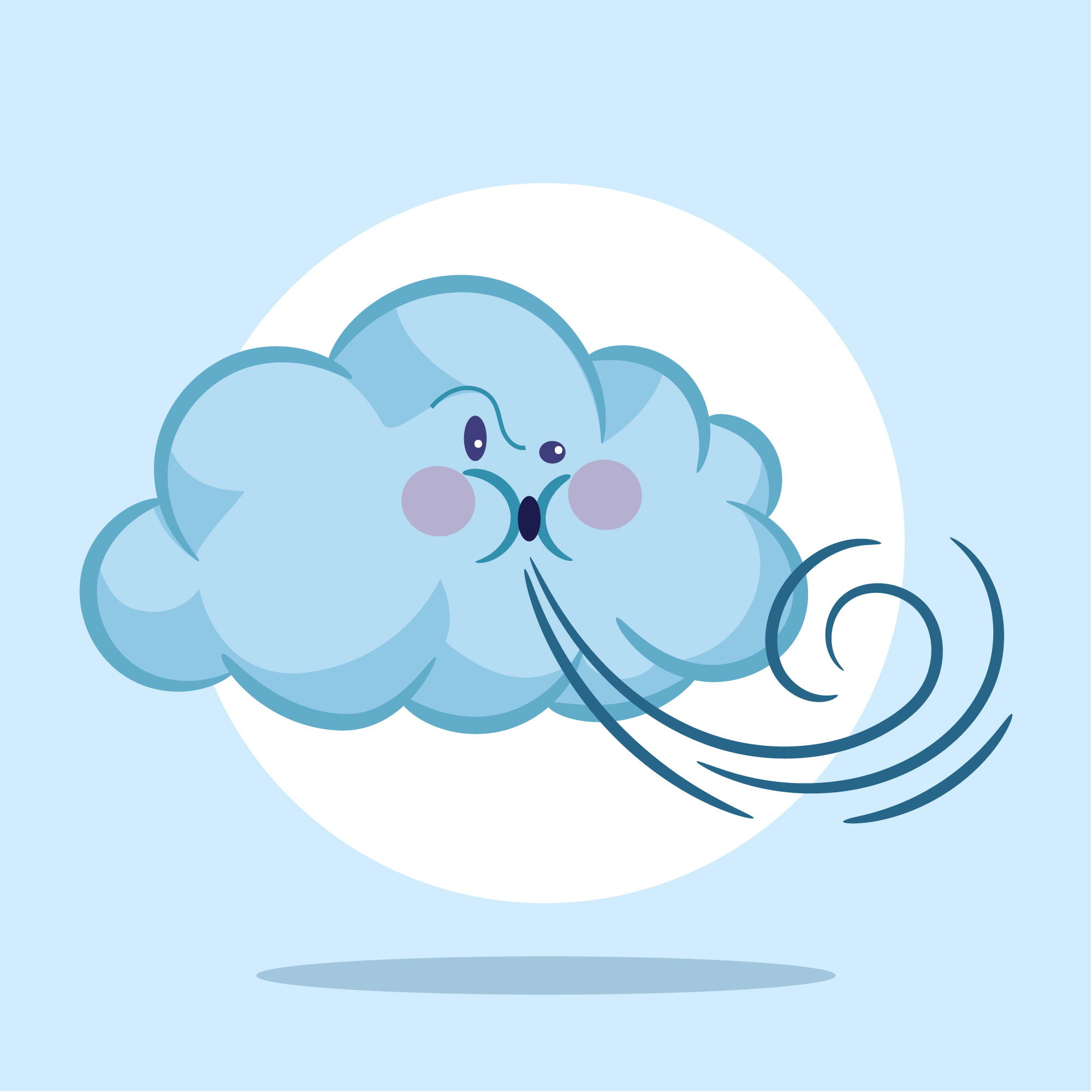
What Makes the Wind Blow?
Have you ever felt the wind on your face while playing outside? Even though we can't see it, wind is always moving around us. Wind is simply moving air. It forms because the Sun heats different parts of the Earth unevenly. Some places become warmer than others. Warm air is lighter, so it rises into the sky. Cooler air is heavier, so it moves in to take its place. This movement of air creates wind. The bigger the difference in temperature, the stronger the wind can become. That's why some days are calm, while others are very windy. Mountains, forests, oceans, and buildings can also change the way wind moves by slowing it down or changing its direction. Wind is very useful. It helps spread seeds, moves clouds across the sky, powers wind turbines to make electricity, and even helps birds glide through the air. The next time you feel a breeze, you'll know it's the result of warm and cool air constantly moving around our amazing planet.
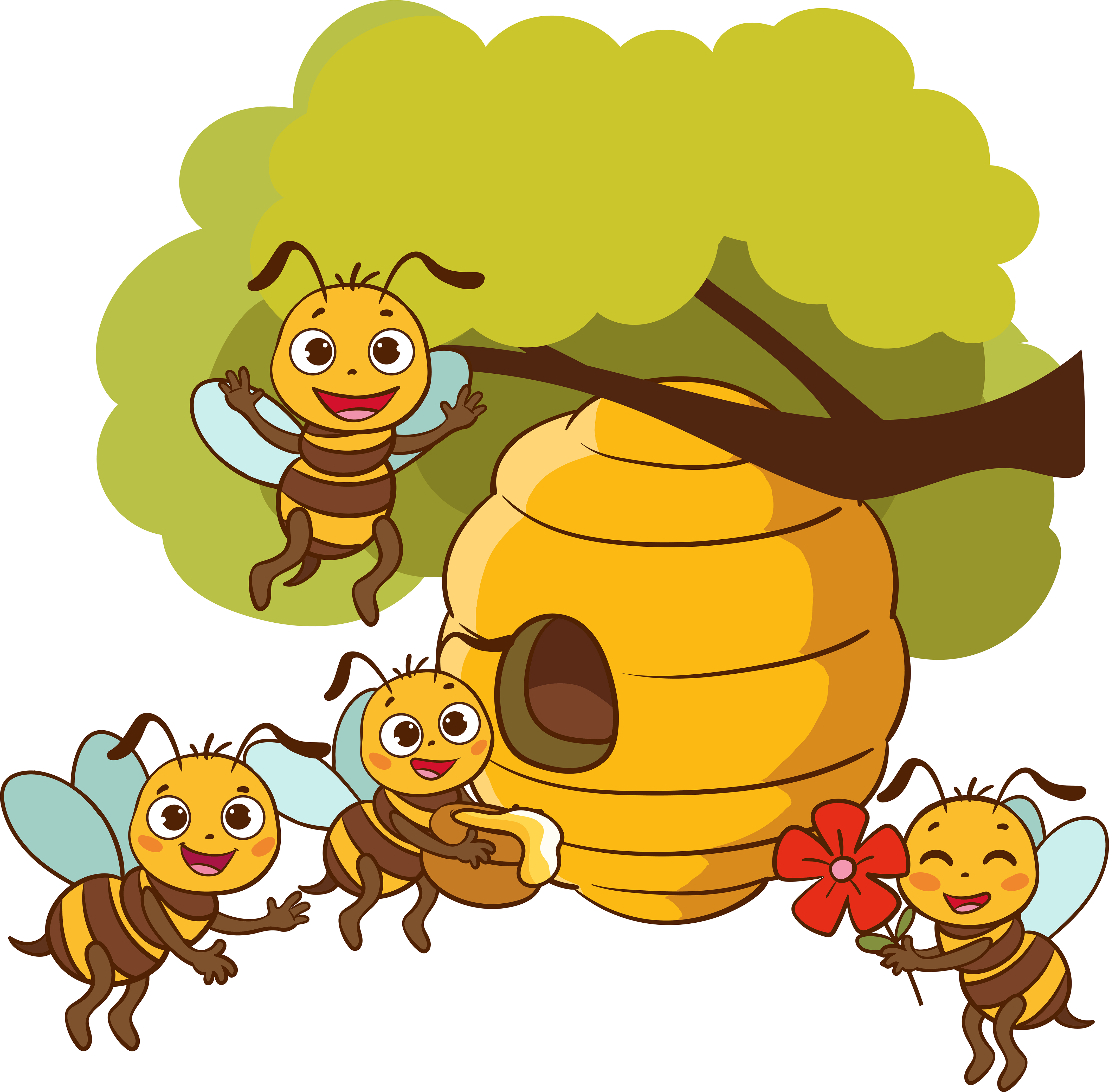
How Do Bees Make Honey Step by Step
Honey is one of nature's sweetest treats, and it is made by hardworking bees. Making honey takes teamwork, and every bee in the hive has an important job. The process begins when worker bees visit flowers to collect a sweet liquid called nectar. They use their long tongues to sip the nectar and store it in a special part of their body called the honey stomach. When the bees return to the hive, they pass the nectar to other worker bees. These bees mix it with special enzymes that slowly change the nectar into honey. Next, the bees place the honey into tiny wax cells called honeycombs. At first, the honey is still too watery. To remove the extra water, the bees flap their wings quickly, creating a gentle breeze inside the hive. This helps the honey become thick and sticky. Once the honey is ready, the bees seal each honeycomb cell with a thin layer of wax to keep it fresh. The honey is then stored as food for the colony, especially during winter when flowers are harder to find. Every spoonful of honey is the result of thousands of bee trips and lots of teamwork!
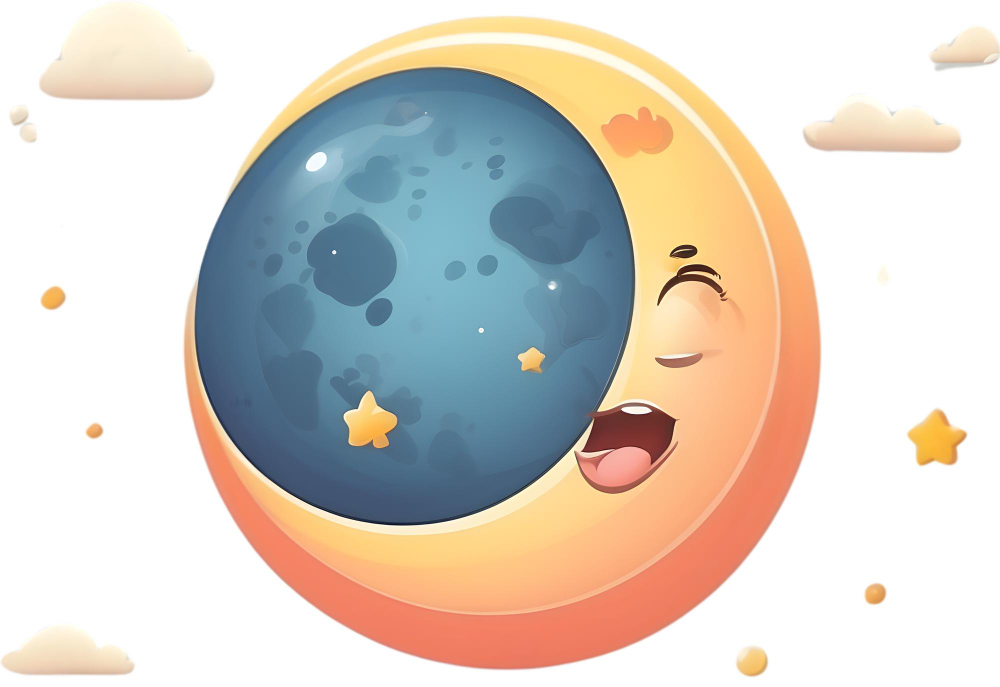
Why Does the Moon Change Shape?
Have you ever looked at the Moon and noticed that it looks different from one night to the next? Sometimes it is a thin crescent, sometimes it is a bright circle, and sometimes you can barely see it at all. The Moon does not actually change shape. What changes is the amount of sunlight we can see shining on it from Earth. The Moon travels around our planet in a path called an orbit. As it moves, the Sun lights up different parts of the Moon. From Earth, we see different portions of that lit-up side. As the Moon changes shape, each new look is called a Moon phase. The main phases include: New Moon – the Moon is almost invisible. Crescent Moon – only a small curved part is lit. First Quarter – half of the Moon appears bright. Full Moon – the entire face of the Moon shines brightly. Last Quarter – half of the Moon is lit again before it becomes a new moon. The Moon takes about 29½ days to complete one full cycle of phases. After that, the Moon starts the same pattern all over again. Watching the Moon change throughout the month is like seeing nature's own space calendar!

How Do Plants Grow from Seeds?
Every giant tree, colorful flower, and tasty vegetable starts as a tiny seed. Inside each seed is everything a new plant needs to begin its life. For a seed to grow, it needs three important things: water, air, and the right temperature. When a seed absorbs water, it begins to wake up. The outer shell softens, and a tiny root starts growing downward into the soil. The root helps the young plant take in water and nutrients. Next, a small shoot grows upward toward the sunlight. Soon, the first leaves appear. The leaves collect energy from the Sun through a process called photosynthesis. Using sunlight, water, and carbon dioxide from the air, the plant makes its own food. As the plant continues to grow, it develops more leaves, a stronger stem, and larger roots. Some plants will eventually produce flowers, fruits, or vegetables, and inside them are new seeds. This amazing life cycle allows plants to grow, reproduce, and continue filling our world with forests, gardens, and beautiful flowers year after year.
What Is Gravity and How Does It Work?
Gravity is a force you can’t see that pulls everything toward each other. It's the reason things fall down instead of floating in the air. On Earth, gravity pulls everything toward the center of our planet. That is why when you drop something, it falls to the ground, and when you jump, you always come back down. The strength of gravity depends mainly on two things: how heavy an object is (its mass) and how far apart objects are. Larger objects have stronger gravity, which is why planets have a powerful pull, while small objects like toys have almost no noticeable gravity. Gravity is also very important in space. It keeps the Moon moving around Earth instead of flying away, and it keeps Earth and other planets moving around the Sun. Without gravity, nothing would stay in place — planets, moons, and even galaxies would drift off in straight lines through space.
Why Is the Ocean Salty?
The ocean is salty because of tiny minerals that come from rocks on land. When rain falls, it flows over land and slowly breaks down rocks. This process releases minerals like sodium and chloride into rivers and streams. These rivers carry the minerals all the way to the ocean. Over millions of years, more and more salt has been added to the oceans. When water in the ocean evaporates into the air, the salt stays behind, making the ocean even saltier. Another source of salt comes from underwater volcanoes and hydrothermal vents on the ocean floor, which release minerals directly into the water. Even though the ocean is always moving, the salt does not disappear, so it keeps building up over time. That is why ocean water is salty, while river water usually is not.

How Do Rainbows Appear in the Sky?
Rainbows are one of the most beautiful sights in nature, and they appear when sunlight and rain work together. A rainbow forms when sunlight passes through tiny water droplets in the air. These droplets act like small prisms. When light enters a water droplet, it bends (this is called refraction). Then the light reflects inside the droplet and bends again as it comes out. Sunlight can be split into many colors, forming a rainbow: red, orange, yellow, green, blue, indigo, and violet. Together, these colors form a rainbow. Rainbows usually appear when the Sun is shining while it is raining at the same time. Rainbows appear when the Sun is behind you and rain is falling in front of you. Even though a rainbow looks like a physical object, it is actually just light and water working together in a very special way.
What Happens Inside a Thunderstorm?
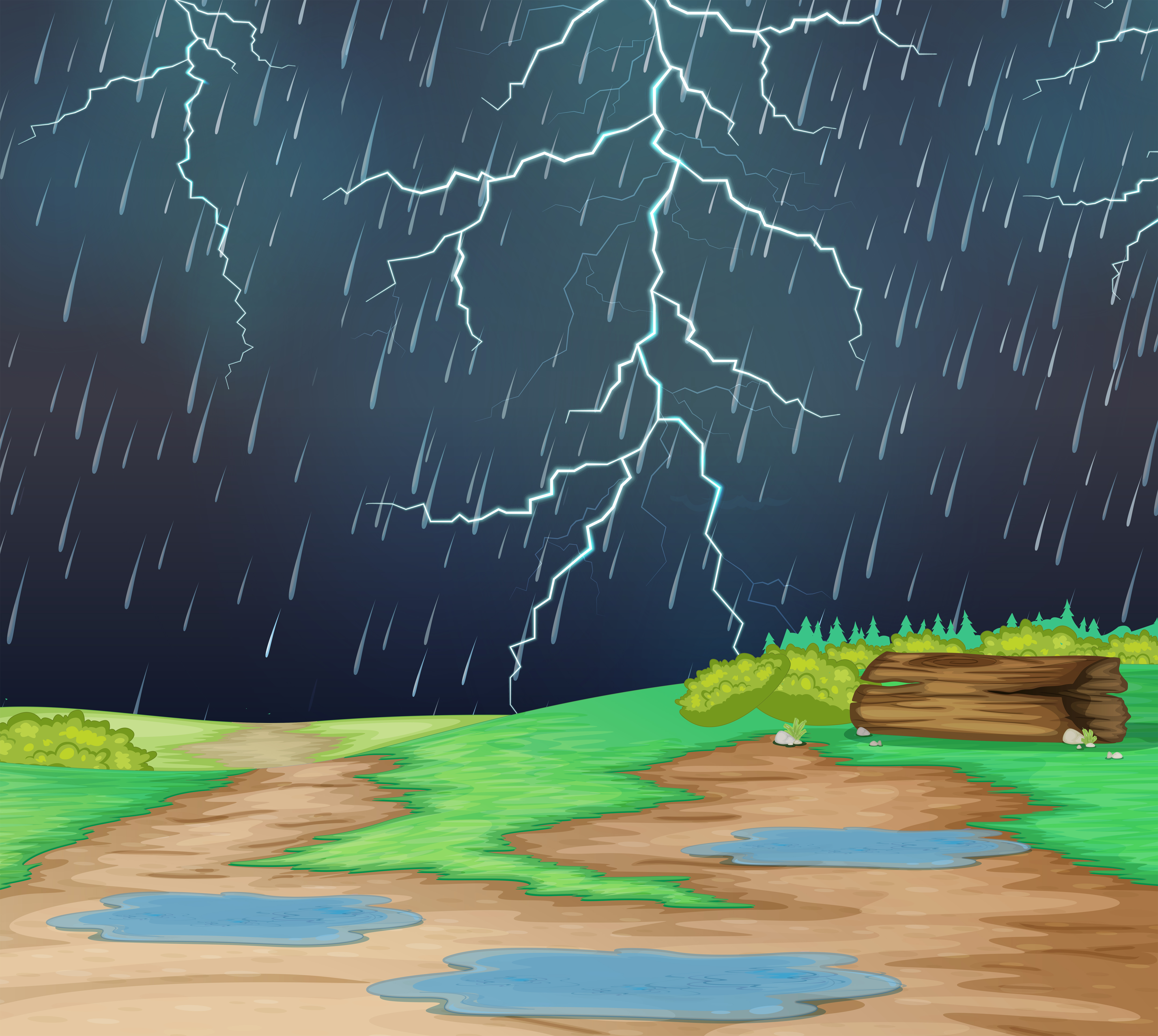
A thunderstorm is a powerful weather event that happens when warm, moist air rises quickly into the sky. It all begins when the Sun heats the ground, warming the air above it. This warm air rises and meets cooler air higher up. When these air masses collide, the warm air keeps rising and starts forming tall, dark clouds called cumulonimbus clouds. Inside these clouds, tiny water droplets and ice particles move around very fast. They bump into each other, creating electric charges. Over time, this builds up a huge amount of electricity. When the electricity becomes too strong, it is released as a bright flash of light called lightning. The sudden heating of the air around the lightning creates a loud sound called thunder. Thunderstorms can also bring heavy rain, strong winds, and sometimes hail. Even though they can be dramatic, they are a natural way for the atmosphere to release built-up energy.

How Do Birds Know Where to Fly?
Many birds travel long distances every year in a journey called migration. But how do they know where to go without getting lost? Birds use several natural tools to guide them. One of the most important is the Sun. During the day, they can use its position in the sky like a compass. At night, some birds navigate using the stars. They learn the patterns of the night sky and use them to stay on course. Birds also have a natural sense called magnetoreception, which helps them detect Earth’s magnetic field. This works like an invisible map that guides them in the right direction. In addition, birds often follow landmarks like rivers, coastlines, and mountains. Younger birds sometimes learn migration routes by following older birds. All these methods work together to help birds travel thousands of kilometers and still find their way to the right place.
Why Do We Have Day and Night?
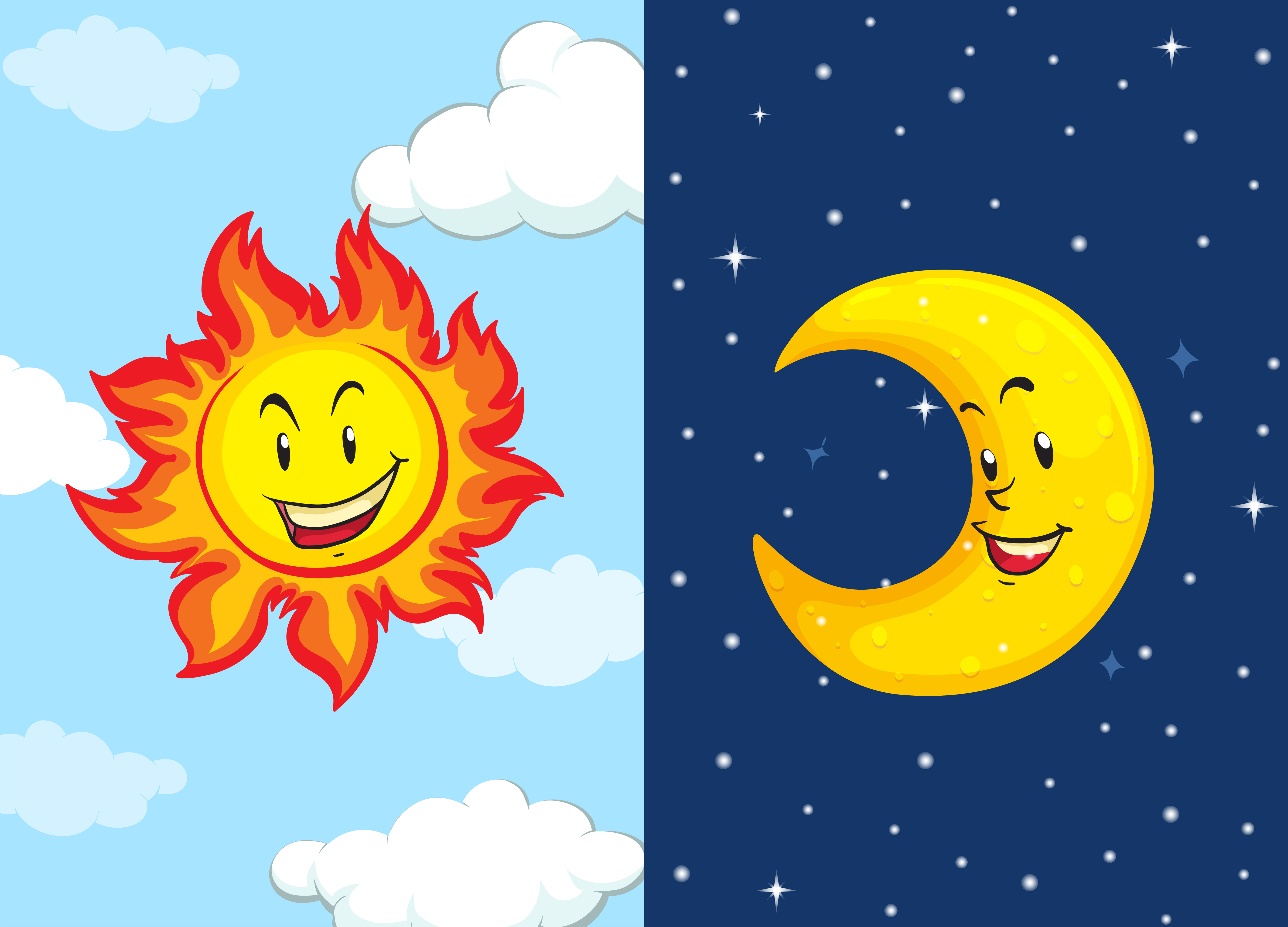
Day and night happen because of how Earth moves in space. Earth is constantly spinning around its own axis, which is an imaginary line that goes through the North and South Poles. This spinning is called rotation. It takes about 24 hours for Earth to complete one full rotation. As Earth turns, different parts of the planet face the Sun. When your part of Earth is facing the Sun, it is daytime because sunlight reaches you. When your part turns away from the Sun, it becomes night because you are in the shadow of Earth. This cycle repeats every day, creating the regular pattern of day and night that we experience. Without Earth’s rotation, one side of the planet would always face the Sun and be extremely hot, while the other side would always be dark and cold.
How Do Stars Shine in Space?
Stars shine because they are huge balls of extremely hot gas, mostly hydrogen and helium. Deep inside a star, something amazing is happening all the time. At the core of a star, temperatures and pressure are incredibly high. This causes a process called nuclear fusion, where tiny particles of hydrogen combine to form helium. This process releases a huge amount of energy. That energy travels from the center of the star to its surface, and then spreads out into space as light and heat. That is why we can see stars shining even from Earth, millions of kilometers away. Stars look like tiny points of light in the night sky, but many of them are actually much bigger and brighter than our Sun. Without this constant energy production, stars would not shine at all. They are basically giant natural engines burning for millions or even billions of years.
How Chameleons Change Their Colors
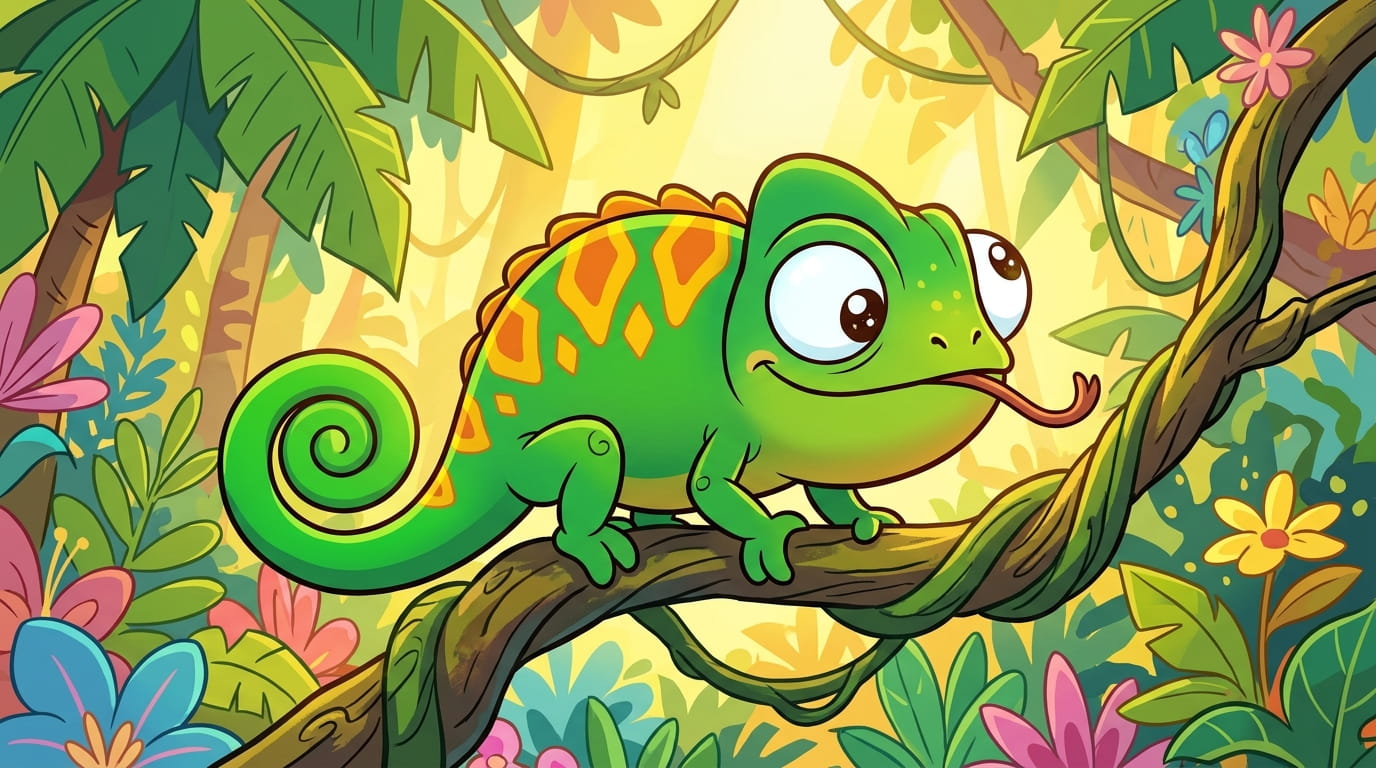
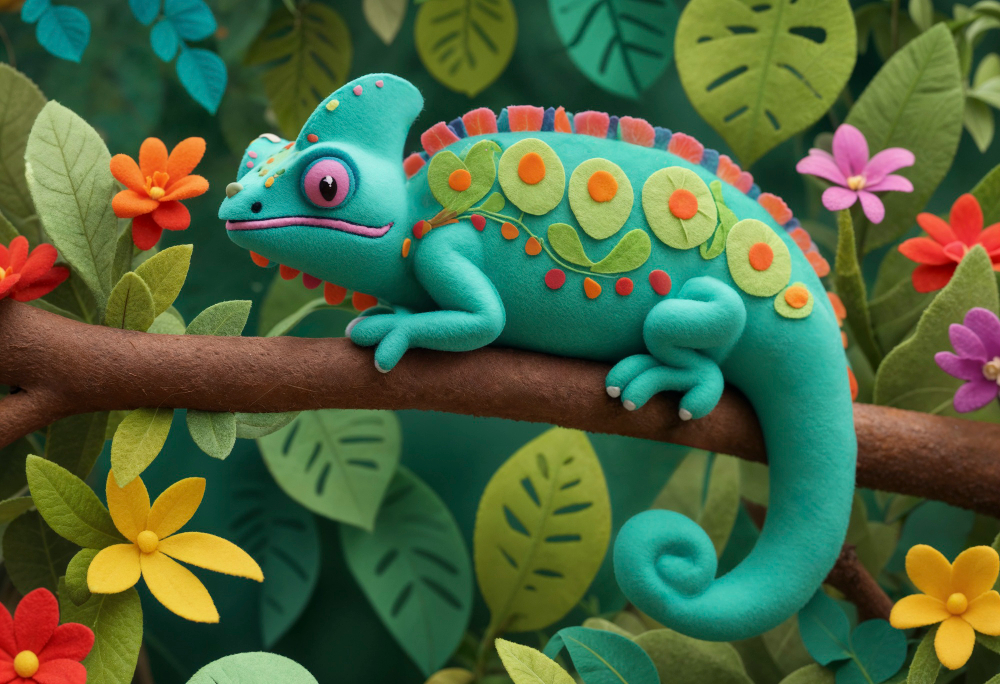
Chameleons are famous for their ability to change color, but not because they are trying to hide like invisible paint. Inside their skin, chameleons have special layers of cells that contain tiny crystals. These crystals can move and change how light is reflected. When the crystals shift, they change the way light bounces off the skin. This creates different colors like green, yellow, brown, or even bright red. Chameleons change color for several reasons. It can help them communicate with other chameleons, show emotions like stress or excitement, or regulate body temperature. For example, a chameleon might turn darker when it wants to absorb more heat from sunlight, or lighter when it needs to cool down. So, their color change is not just for camouflage — it is also a way of talking and reacting to their environment.
Why Do Parrots Copy What We Say?
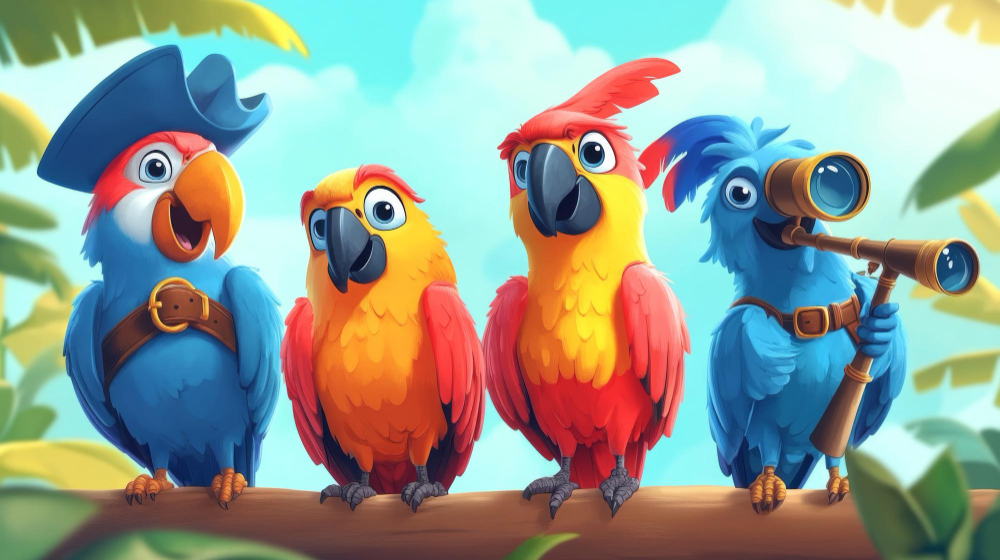
Parrots are one of the few animals that can copy human speech, and they do it very well. But they are not actually “talking” the way humans do. Parrots have a special voice box called a syrinx, which allows them to produce a wide range of sounds. This makes it possible for them to imitate words, whistles, and noises they hear around them. In the wild, parrots use sound imitation to fit into their flock and communicate with each other. When they live with humans, they start copying human sounds instead. Parrots are very intelligent and social animals. They learn by listening and repeating sounds, especially if they get attention or rewards when they do it. However, when a parrot says a word, it does not always understand the meaning like a human does. Instead, it is often copying sounds it has learned to associate with reactions. This ability makes parrots one of the most fascinating talking animals in the world.
How Do Turtles Know Where to Go?

Sea turtles are amazing travelers. After they are born, many of them can travel thousands of kilometers across the ocean and still find their way back to the same beaches years later. But how do they do it? Turtles use a mix of natural navigation tools. One of the most important protections Earth has is its magnetic field. They can sense it like an invisible map in the ocean, helping them know which direction to swim. They also use ocean currents, the position of the Sun, and even smells in the water to guide them. Each beach has a slightly different chemical “scent,” which helps turtles recognize where they are. When female turtles grow up, they often return to the exact beach where they were born to lay their own eggs. This incredible journey is called natal homing. Even though the ocean is huge, turtles rarely get completely lost because their instincts and senses work together like a natural GPS.
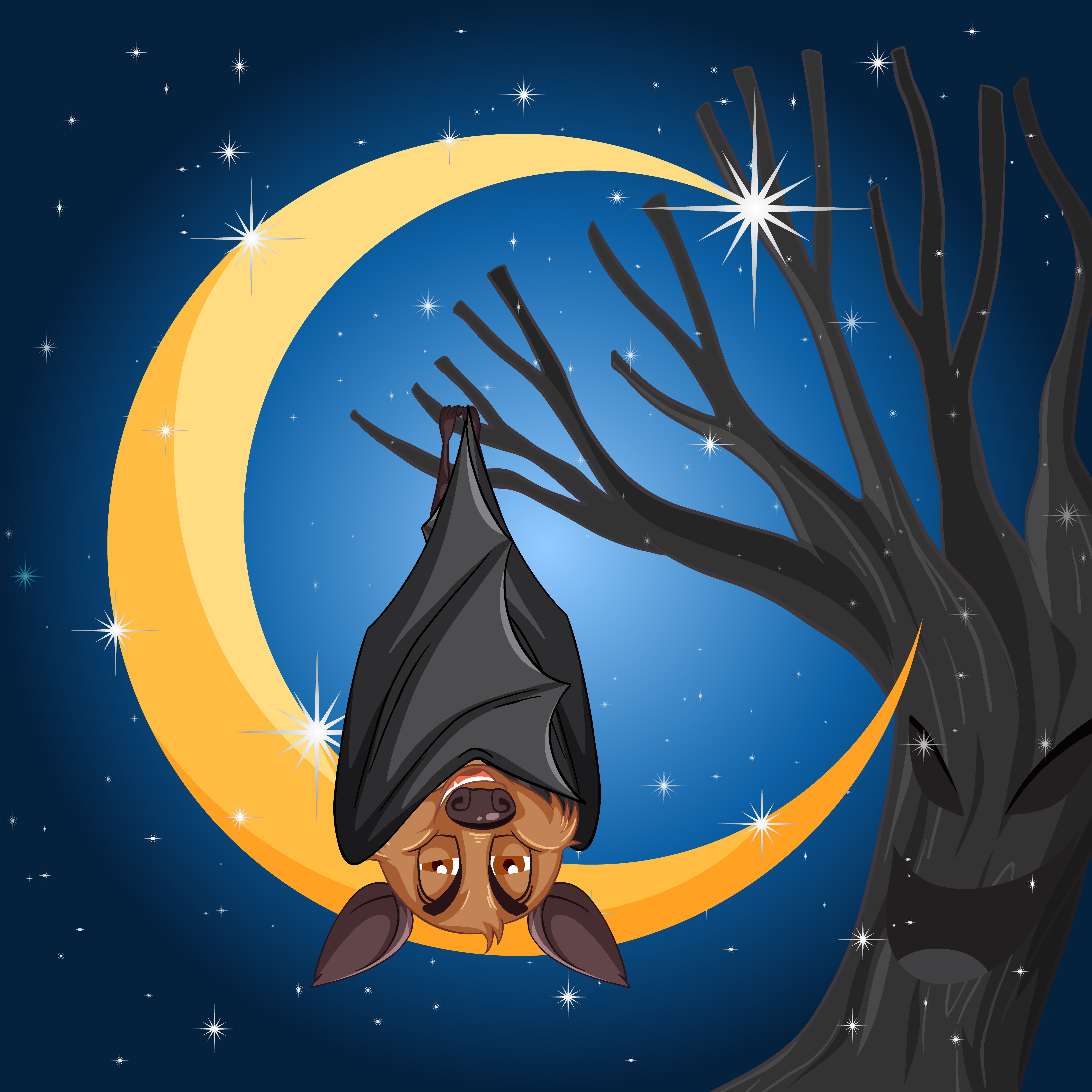
Why Do Bats Sleep Upside Down?
Bats are the only mammals that can truly fly, and they have a very unusual way of sleeping - hanging upside down. This position actually makes life easier for them. Unlike birds, bats cannot take off from the ground easily. They start upside down, then let go and drop into the air to fly. Their feet are specially designed with strong tendons that allow them to lock onto surfaces like cave ceilings or tree branches without using much energy. Sleeping upside down also helps protect bats from predators. Many animals find it difficult to reach them in high, dark places like caves. Even when they are resting, bats can stay safely out of sight while being ready to fly at a moment’s notice. So, their strange sleeping position is actually a smart survival strategy.
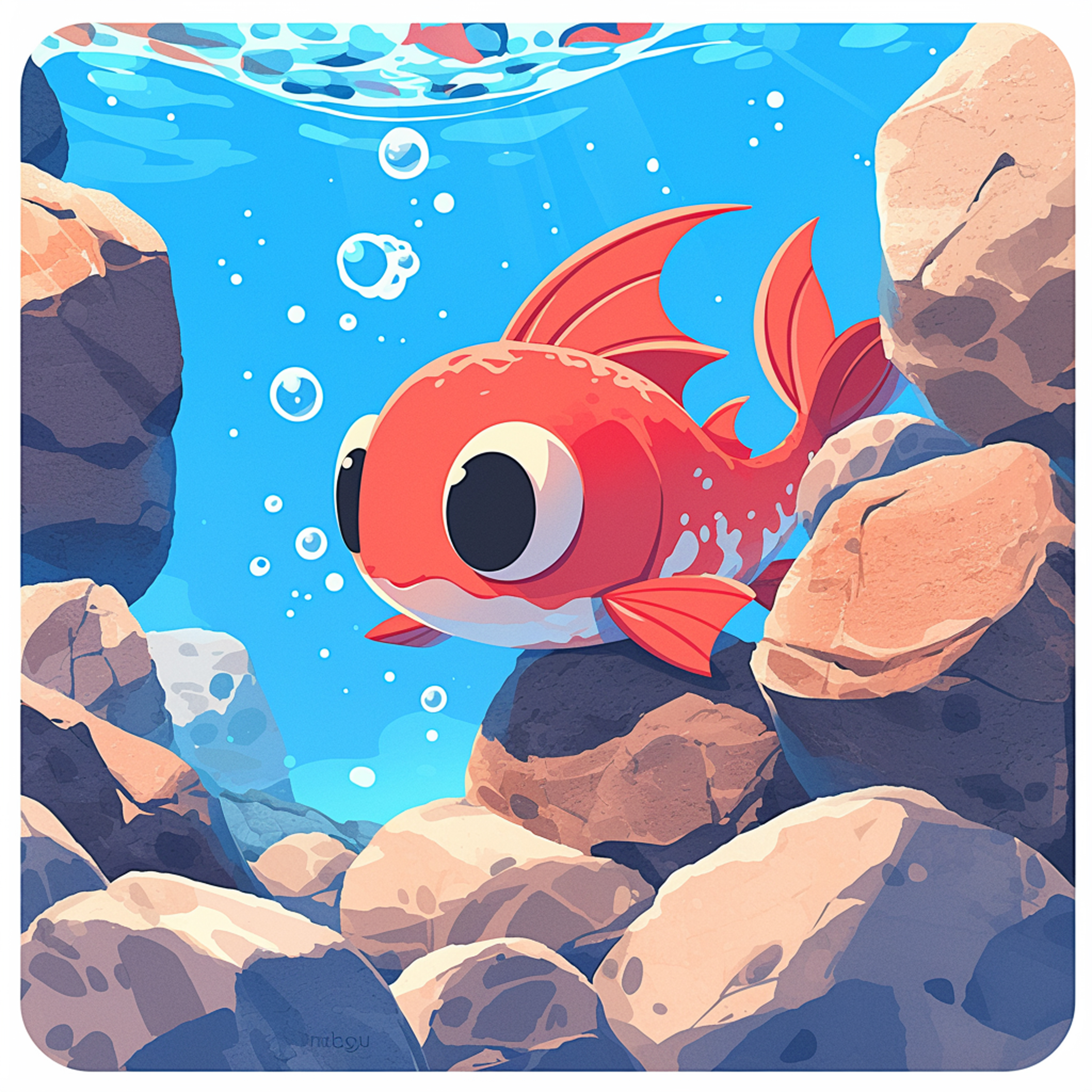
How Do Fish Breathe Underwater?
Fish live underwater, but just like humans, they need oxygen to survive. Instead of lungs, fish use special organs called gills. Fish get water into their mouths by opening them wide. This water flows over the gills, which are full of tiny blood vessels. Inside the gills, oxygen from the water moves into the fish’s blood, while carbon dioxide moves out into the water. This process is called gas exchange. After the oxygen is taken, the water leaves the fish’s body through openings behind the gills. Fish are very efficient at breathing this way, which allows them to live in rivers, lakes, and oceans all over the world. Without gills, fish would not be able to survive underwater at all.
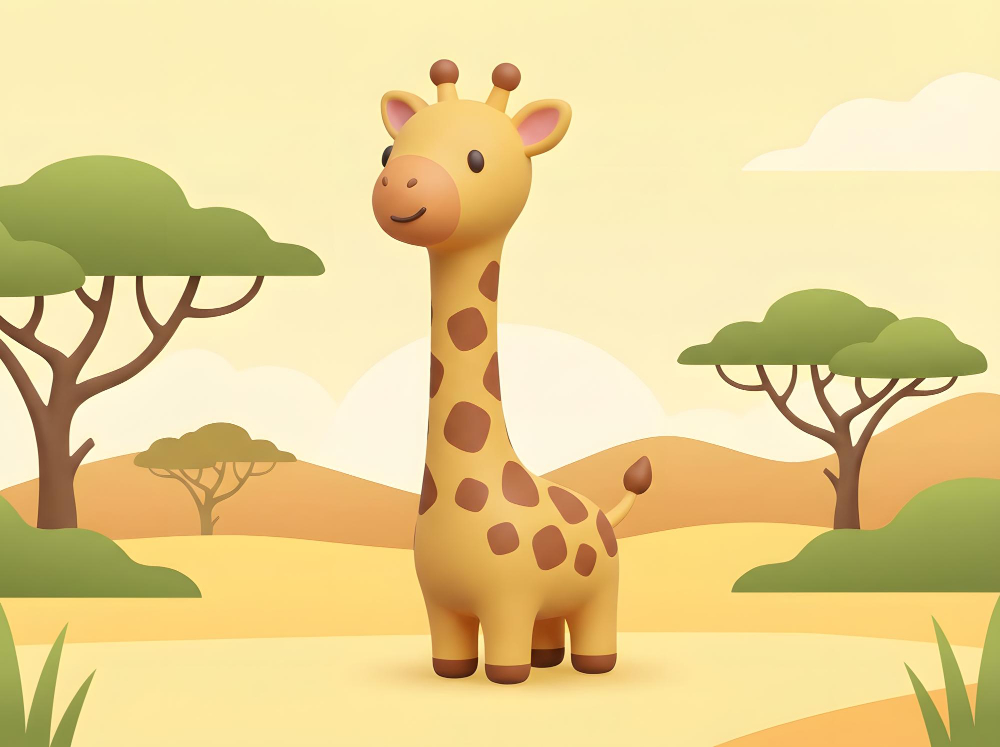
Why Do Giraffes Have Such Long Necks?
Giraffes are the tallest animals on Earth, and their long necks are one of their most famous features. But why did they evolve this way? One reason is food. Giraffes use their long necks to reach leaves high up in trees that other animals cannot easily reach. This gives them access to plenty of food in the wild. Another reason is survival. Male giraffes also use their necks in “necking” battles, where they swing their necks to compete for dominance and mates. Even though their necks are very long, giraffes still have the same number of neck bones as humans — just much longer ones! Their long necks help them survive in open African savannas where food can be spread out and competition is strong.
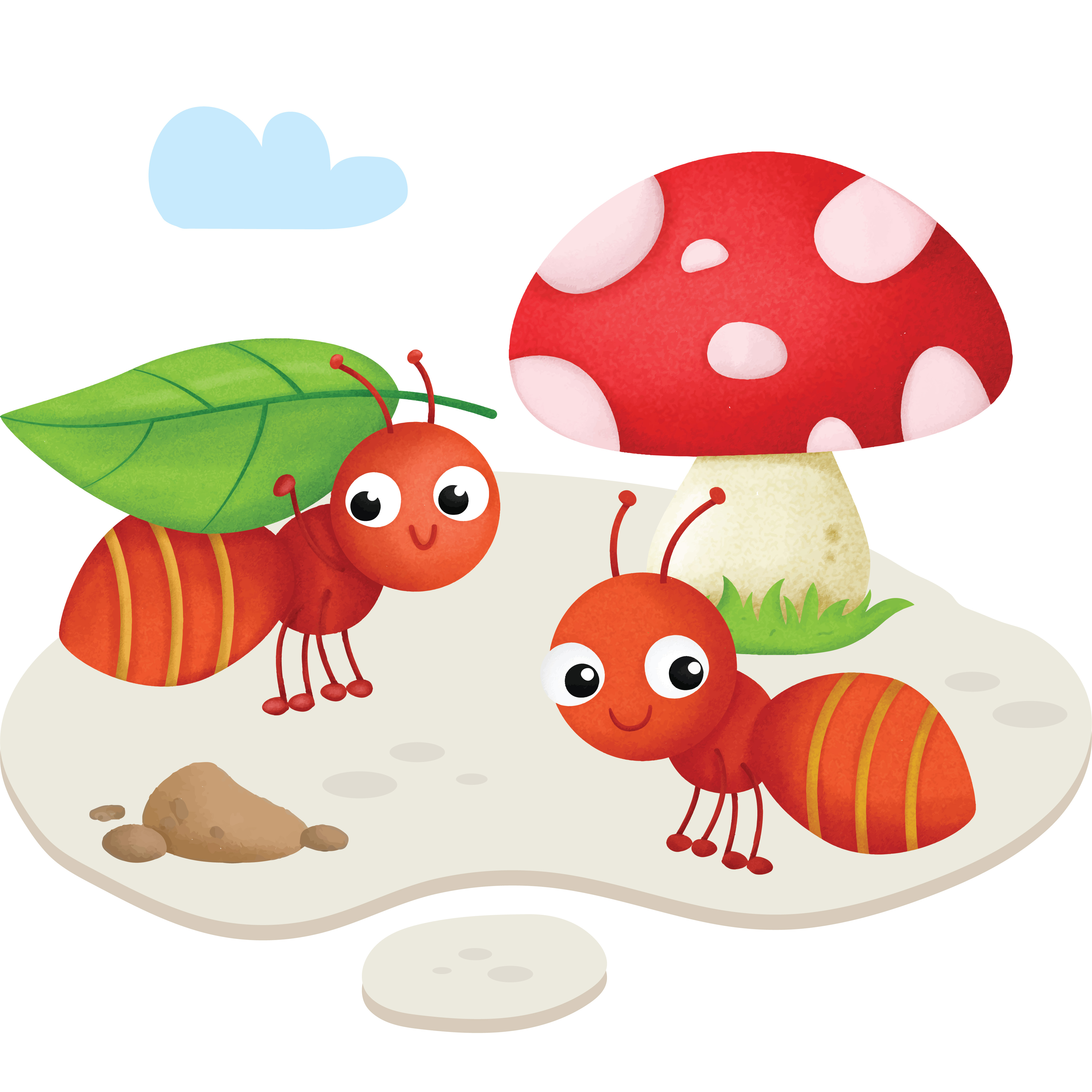
How Do Ants Work Together as a Team?
Ants are tiny insects, but they are some of the best team workers in nature. They live in large colonies where every ant has a job. Some ants look for food, others take care of the queen, and some protect the nest. They all work together to keep the colony alive. Ants communicate using chemicals called pheromones. When an ant finds food, it leaves a scent trail so others can follow it. This teamwork allows ants to carry food that is much bigger than their own bodies. They can also build strong nests, tunnels, and bridges using their combined strength. Even though each ant is small, together they form a powerful and organized society.
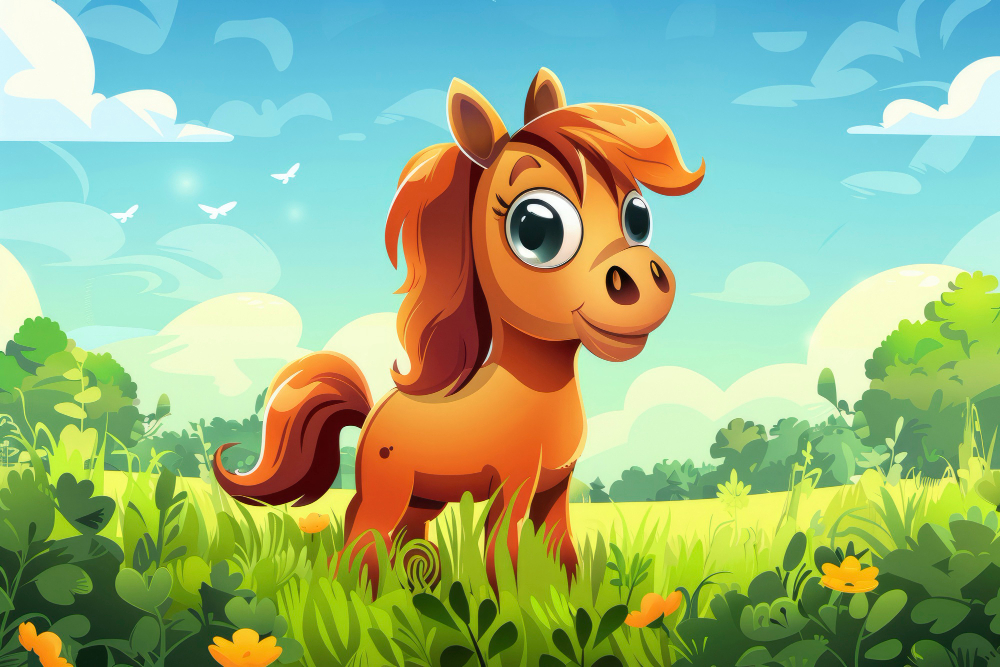
Why Do Horses Sleep Standing Up?
Horses have a very unusual ability — they can sleep while standing. But why do they do this? The main reason is safety. In the wild, horses are prey animals, which means predators might attack them. If they are already standing, they can run away quickly if needed. Horses have a special system of muscles and tendons called a “stay apparatus” that allows them to lock their legs in place without using much energy. However, horses do not sleep standing up all the time. For deep sleep, they still lie down for short periods when they feel safe. So, standing sleep is mainly a way for horses to stay alert and ready to escape danger.
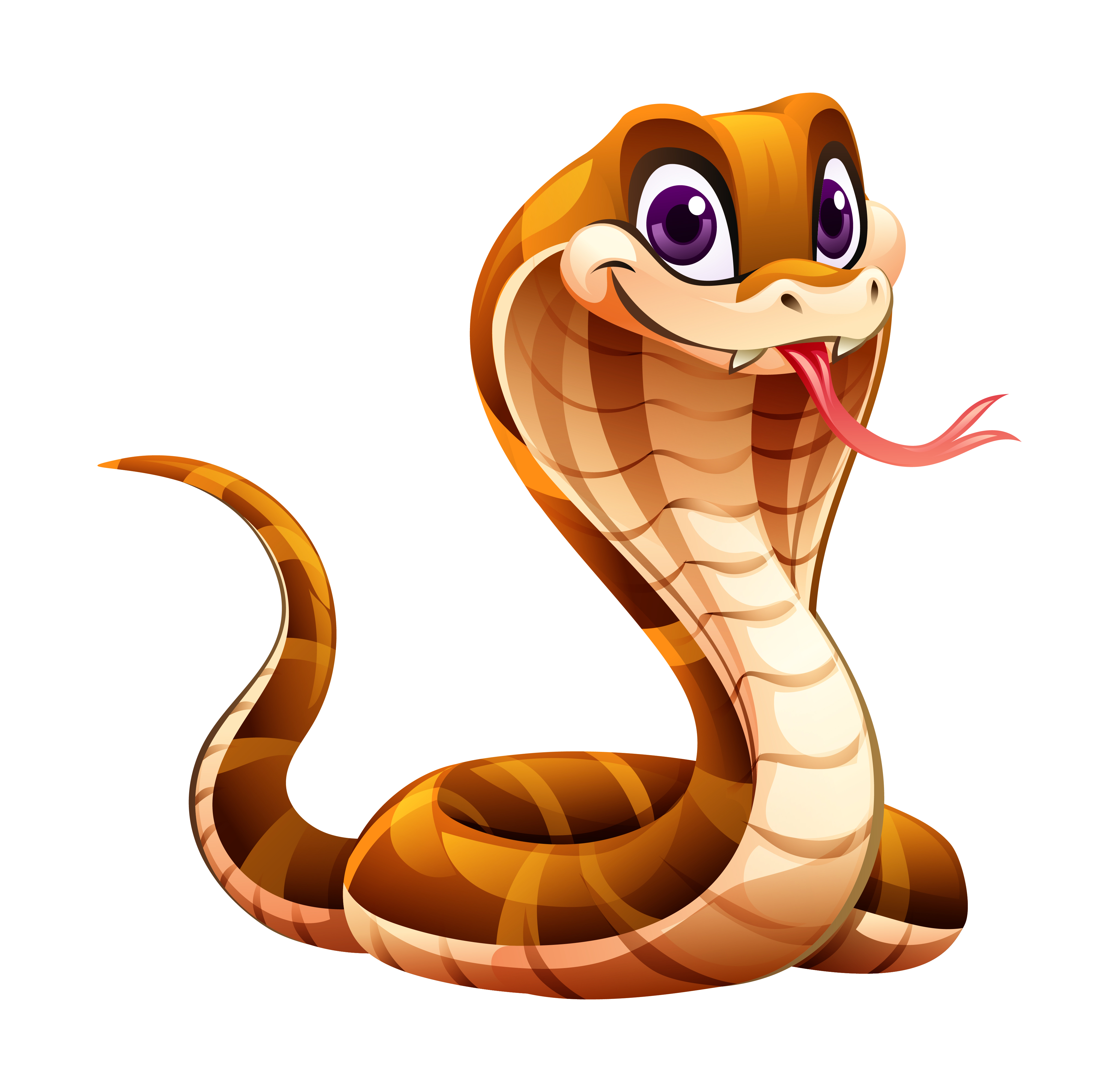
How Do Snakes Move Without Legs?
Snakes may not have legs, but they are still very fast and flexible movers. They move by using strong muscles along their long bodies. These muscles push against the ground, allowing the snake to slide forward. There are different ways snakes move. Some move in a wave-like motion, others push in straight lines, and some even use side-to-side movements to travel across sand. Their belly scales help them grip surfaces, so they don’t slip while moving. This unique movement system makes snakes excellent at hunting, climbing, and swimming.
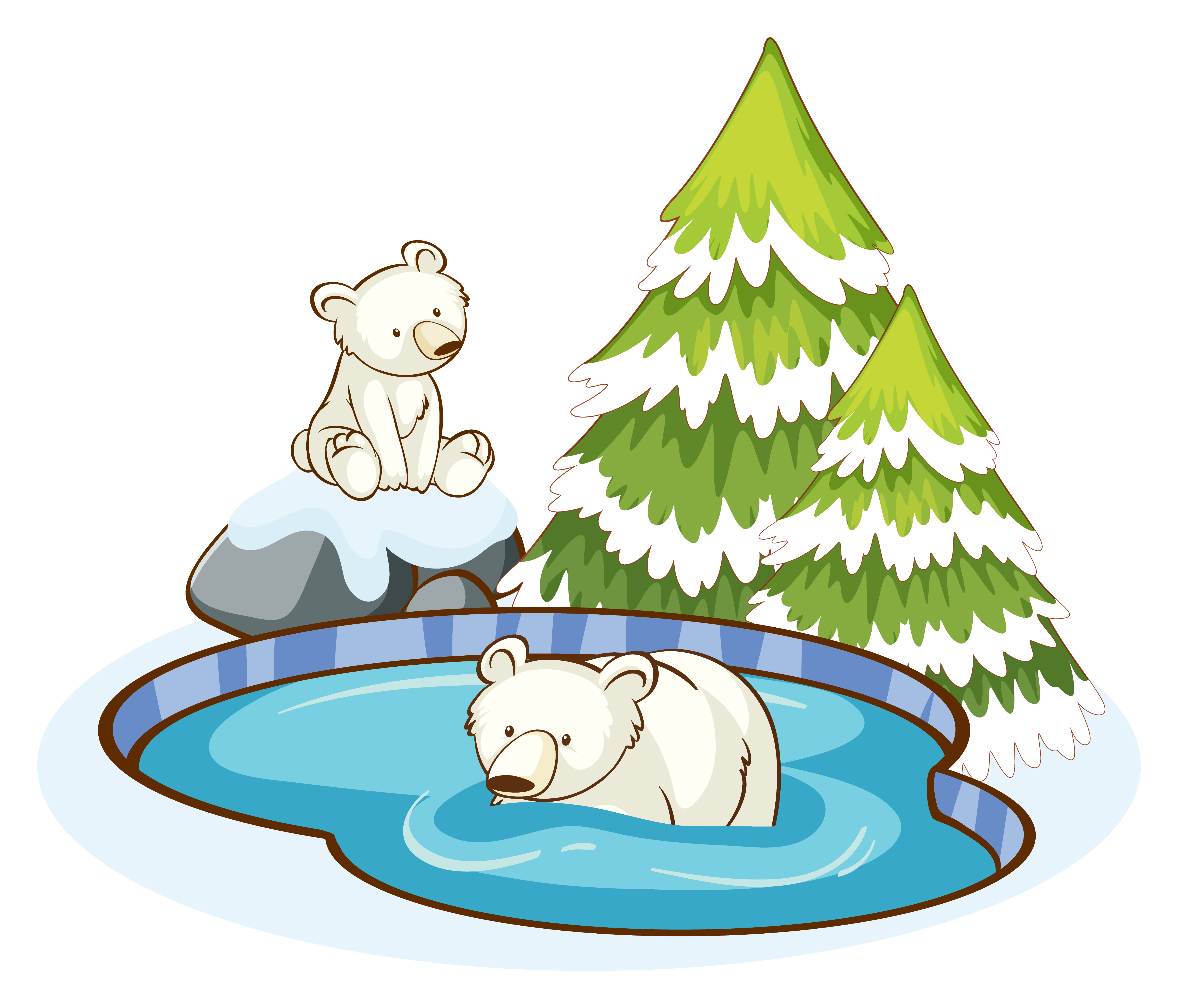
Why Do Polar Bears Have White Fur?
Polar bears live in the cold Arctic, where everything is covered in snow and ice. Their white fur helps them survive in this environment. The white color acts as camouflage, making it harder for prey like seals to see them against the snowy background. But interestingly, polar bear fur is not actually white. Each hair is transparent and reflects light, which makes it look white. Underneath their fur, they have black skin that helps absorb heat from the Sun. They also have a thick layer of fat that keeps them warm in freezing temperatures. All of these features work together to help polar bears survive in one of the harshest environments on Earth.