




Science Articles
How Scientific Discoveries Quietly Shape Everyday Life
Scientific discoveries often feel distant - something happening in laboratories, universities, or research papers. Yet many of the most important breakthroughs quietly shape daily life in ways that are easy to overlook. From the way we communicate to how we stay healthy, science forms the invisible structure behind modern living. This influence is not always dramatic or visible, but it is constant and deeply embedded in everyday routines. The Invisible Science Behind Technology and Communication Modern communication is one of the clearest examples of science shaping daily life. The smartphones we rely on are built on decades of research in physics, computer science, and materials engineering. Technologies such as Wi-Fi, GPS, and mobile networks all depend on discoveries about electromagnetic waves and satellite positioning. Without advances in these scientific fields, instant global communication would not be possible. The internet itself is another result of layered scientific progress. Early work in computer networking, information theory, and cryptography made it possible to transmit and secure data across vast distances. Today, activities like sending messages, streaming videos, or using navigation apps all depend on systems that evolved from fundamental scientific principles. Even artificial intelligence and search engines are rooted in mathematical discoveries and computer science research. Algorithms that recommend content or translate languages are built on statistical models developed over decades. These tools have become so integrated into daily life that they often feel natural, even though they rely on complex scientific foundations. Science in Health, Environment, and Everyday Convenience Healthcare is one of the most direct ways scientific discoveries affect human life. Vaccines, antibiotics, and medical imaging technologies like MRI and CT scans are all products of scientific research. These innovations have dramatically increased life expectancy and improved the ability to diagnose and treat diseases early. Public health also depends heavily on science. Understanding how diseases spread, how nutrition affects the body, and how clean water systems work has transformed living standards worldwide. Even simple practices like handwashing and food preservation are based on microbiology and chemistry discoveries. Science also plays a major role in environmental protection and sustainability. Research in climate science helps societies understand global warming and develop renewable energy sources such as solar and wind power. Materials science has led to more efficient batteries, energy-saving buildings, and recyclable materials that reduce environmental impact. In everyday life, science influences even the smallest conveniences. Non-stick cookware, LED lighting, water filtration systems, and modern fabrics all come from scientific innovation. These technologies improve comfort, safety, and efficiency without most people ever thinking about the discoveries behind them. Conclusion Ultimately, science shapes life not only through major breakthroughs but through continuous, incremental improvements that accumulate over time. Many of the comforts and capabilities of modern society are the result of invisible layers of research and discovery. Understanding this connection helps reveal how deeply science is woven into everyday existence. From the moment we wake up to the moment we sleep, scientific discoveries quietly support, improve, and transform the way we live.
The Most Influential Scientists You’ve Never Heard Of
Science is often associated with famous names like Einstein, Newton, or Curie, but much of modern life is shaped by researchers who rarely appear in textbooks or public memory. Many of the most influential scientists worked quietly behind the scenes, developing theories, tools, and systems that underpin today’s technology, medicine, and communication. Their contributions are everywhere - even if their names are not. Hidden Pioneers Behind Modern Technology One of the most important yet lesser-known figures in computing is Alonzo Church, who developed the foundations of lambda calculus. His work helped establish the theoretical basis for modern programming languages and computer science. Without these ideas, the digital systems we rely on today would not function in their current form. Similarly, Hedy Lamarr co-invented a frequency-hopping system during World War II that became the foundation for modern wireless communication technologies. Her work influenced the development of Wi-Fi, Bluetooth, and GPS, even though she was not formally trained as an engineer. In materials science, John Bardeen contributed to the invention of the transistor and the theory of superconductivity. These breakthroughs are fundamental to all modern electronics, from smartphones to computers. Another influential figure is Claude Shannon, whose development of information theory transformed how data is stored, transmitted, and compressed. Every digital communication system today - from email to streaming services - depends on principles he established. Scientific Minds That Changed Medicine and Society In medicine, Maurice Hilleman developed over 40 vaccines, including those for measles, mumps, and hepatitis B. His work has saved millions of lives globally, yet he remains less widely known than many of his contemporaries. Another key figure is Rosalind Franklin, whose X-ray diffraction images were essential to understanding the structure of DNA. While later models of DNA gained more public recognition, her experimental data played a crucial role in establishing the double-helix structure. In psychology, Mary Ainsworth developed attachment theory, which reshaped how scientists understand child development and emotional bonding. Her research continues to influence education, parenting, and mental health practices today. In environmental science, Eugene Odum helped define ecosystems as integrated systems of energy flow and biological interaction. His work laid the foundation for modern ecology and environmental conservation. Tu Youyou discovered artemisinin, a life-saving malaria treatment that has saved millions of lives worldwide. Although later recognized more broadly, her work was initially little known outside scientific circles. Conclusion Many of the systems that define modern life are built on discoveries made by scientists who are not widely remembered outside academic fields. Their work continues to shape technology, medicine, and society in ways that remain essential but often invisible.
Breakthrough Moments That Changed the Course of Technology
Technology rarely advances in a straight line. Instead, it moves through breakthrough moments - sudden leaps where a single idea, invention, or discovery reshapes everything that follows. Many of the tools we rely on today, from smartphones to the internet, exist because of a handful of turning points that quietly transformed human capability. Foundational Inventions That Launched the Digital Age One of the most important breakthroughs in modern history was the invention of the transistor in 1947 at Bell Laboratories. This small device replaced bulky vacuum tubes and made modern electronics possible. Without it, computers, smartphones, and digital systems would still be massive, inefficient machines. The transistor became the building block of all modern computing. Another defining moment was the development of the integrated circuit in the late 1950s and 1960s. By combining multiple transistors onto a single chip, engineers drastically reduced size and cost while increasing performance. This innovation led directly to the rise of personal computers and eventually mobile devices. The creation of ARPANET in the late 1960s marked the beginning of the internet. Originally a U.S. Defense Department project, it introduced the idea of packet switching - breaking data into small pieces and sending them across networks. This concept became the foundation of global digital communication. Later, the invention of the World Wide Web by Tim Berners-Lee in 1989 transformed the internet into a user-friendly system of linked pages. This breakthrough made information accessible to everyday users and triggered the explosive growth of online communication, commerce, and media. Modern Breakthroughs That Reshape Everyday Life The development of GPS technology is another major turning point. Originally designed for military navigation, it became widely available for civilian use in the 1990s. Today, GPS powers everything from ride-sharing apps to logistics systems and personal navigation tools, fundamentally changing how people move through the world. In computing, the rise of cloud technology has reshaped how data is stored and accessed. Instead of relying on local hardware, individuals and companies now use remote servers to run applications, store files, and process information. This shift has enabled services like streaming platforms, online collaboration tools, and scalable artificial intelligence systems. Artificial intelligence itself represents a major technological leap. Advances in machine learning, especially deep learning, have enabled computers to recognize images, understand language, and generate content. These systems are already transforming industries such as healthcare, finance, education, and transportation. Renewable energy technologies also mark a critical breakthrough moment. Improvements in solar panels, wind turbines, and battery storage have made clean energy more practical and cost-effective, accelerating the global transition toward sustainable power systems. Finally, advances in biotechnology, such as CRISPR gene editing, are opening entirely new possibilities in medicine and agriculture. By allowing precise modifications to DNA, CRISPR has the potential to treat genetic diseases and improve food security in ways previously unimaginable.
How One Idea Can Transform an Entire Scientific Field
Scientific progress is often imagined as slow and incremental, built from years of careful experimentation. Yet history shows that sometimes a single idea can reshape an entire field, changing how scientists think, what they study, and even what questions they consider meaningful. These moments don’t just add knowledge - they reorganize the rules of discovery itself. Paradigm Shifts That Redefine Science One of the clearest examples of a transformative idea is Charles Darwin’s theory of evolution by natural selection. Before Darwin, many explanations of biological diversity relied on fixed species concepts or divine design. Darwin’s idea introduced a simple but powerful mechanism: species change over time through variation and selection. This single framework unified biology, explained adaptation, and laid the foundation for genetics, ecology, and modern evolutionary science. In physics, Albert Einstein’s theory of relativity radically changed how scientists understand space, time, and gravity. Instead of viewing them as fixed and separate, Einstein showed that space and time are interconnected and relative to the observer. This idea replaced Newtonian assumptions that had dominated physics for centuries and led to technologies such as GPS, which depends on relativistic corrections to function accurately. Another transformative idea came from quantum mechanics in the early 20th century. The realization that energy and matter behave both as particles and waves fundamentally changed physics. Concepts like uncertainty and probability replaced deterministic views of nature. This shift not only redefined physics but also enabled modern technologies such as semiconductors, lasers, and quantum computing research. In medicine, the germ theory of disease completely transformed healthcare. Before this idea, illnesses were often attributed to imbalances or unknown causes. The recognition that microorganisms cause many diseases led to antiseptic techniques, vaccines, and antibiotics. This single conceptual shift dramatically increased life expectancy and reshaped public health systems worldwide. When Ideas Change the Questions Scientists Ask Transformative ideas do more than solve problems - they change what counts as a problem in the first place. For example, the development of plate tectonics in geology replaced the idea of static continents with a dynamic Earth surface. These unified explanations for earthquakes, mountain formation, and ocean trenches opened entirely new areas of research. In computer science, the concept of the algorithm as a formal, universal procedure reshaped how computation is understood. Later, ideas like Turing completeness and computational complexity defined the limits of what machines can and cannot do, guiding decades of research in artificial intelligence and theoretical computer science. Even in chemistry, the periodic table introduced by Dmitri Mendeleev was more than an organizational tool. It predicted undiscovered elements and revealed patterns in atomic structure, fundamentally changing how chemists understand matter. Conclusion What makes these ideas powerful is not just that they explain existing data, but that they generate new questions, methods, and entire disciplines. Once adopted, they become invisible foundations - so natural that it is hard to imagine science before them. A single idea can transform a scientific field because it offers a new lens for interpreting reality. When that lens is powerful enough, it doesn’t just refine knowledge - it reshapes the entire landscape of discovery, guiding generations of research that follow.
The Evolution of Human Knowledge Through Major Discoveries
Human knowledge has evolved through centuries of observation, experimentation, and innovation. From the earliest discoveries of fire and language to modern breakthroughs in artificial intelligence and space exploration, humanity has continuously expanded its understanding of the world. The evolution of human knowledge through major discoveries has shaped civilizations, improved living conditions, and transformed the way people communicate, travel, and solve problems. Today, scientific progress and technological innovation continue to influence every aspect of human life, making knowledge one of the most valuable resources in modern society. Ancient Discoveries That Changed Civilization The earliest human discoveries laid the foundation for modern civilization. One of the most important milestones in human history was the discovery of fire. Fire provided warmth, protection, and the ability to cook food, which improved health and survival. This simple yet revolutionary discovery helped early humans develop communities and advance socially. Another major step in the evolution of human knowledge was the invention of written language. Ancient civilizations such as the Egyptians and Mesopotamians created writing systems that allowed information to be recorded and shared across generations. Writing transformed education, government, trade, and culture, becoming one of the most influential discoveries in human history. The development of mathematics and astronomy also played a crucial role in expanding human understanding. Ancient Greek scholars like Pythagoras and Aristotle explored logic, geometry, and natural philosophy, while astronomers studied the movement of stars and planets. These discoveries inspired future generations of scientists and thinkers. During the Renaissance, knowledge spread rapidly due to the invention of the printing press by Johannes Gutenberg. Books became more accessible, literacy rates increased, and scientific ideas circulated throughout Europe. This period encouraged curiosity, creativity, and critical thinking, leading to major advancements in medicine, engineering, and physics. Modern Innovations and the Future of Knowledge The modern era introduced discoveries that completely transformed society. The Industrial Revolution brought machines, factories, and new transportation systems that increased productivity and changed economies worldwide. Later, the discovery of electricity revolutionized everyday life by powering homes, businesses, and communication systems. Medical discoveries have also significantly improved human life. Vaccines, antibiotics, and modern surgical techniques have saved millions of lives and increased global life expectancy. Scientists such as Louis Pasteur and Alexander Fleming contributed groundbreaking research that continues to influence healthcare today. The digital revolution represents another major stage in the evolution of human knowledge. Computers, the internet, and smartphones have connected people globally and made information instantly accessible. Search engines, online education platforms, and digital libraries allow individuals to learn new skills and explore vast amounts of knowledge from anywhere in the world. Artificial intelligence and space exploration are now shaping the future of human discovery. AI technologies are improving industries such as healthcare, finance, and education, while missions to Mars and deep space continue to expand humanity’s understanding of the universe. These innovations demonstrate that the pursuit of knowledge never stops. In conclusion, the evolution of human knowledge through major discoveries reflects humanity’s endless desire to learn and progress. Each generation builds upon previous achievements, creating new opportunities for innovation and growth. As technology and science continue to advance, future discoveries will undoubtedly reshape society and open new possibilities for human development.

How Great Innovators Think
Innovation has always been the driving force behind human progress. The world's greatest innovators have transformed industries, changed societies, and inspired future generations through their creativity and determination. From scientific discoveries to technological revolutions, innovative thinkers have challenged traditional ideas and introduced solutions that reshaped the modern world. Understanding the mindset of these remarkable individuals provides valuable insight into how innovation influences business, science, education, and everyday life. The Creative Thinking Behind Great Innovation One of the key characteristics shared by the world’s greatest innovators is curiosity. Innovative minds constantly ask questions and search for better ways to solve problems. Figures such as Thomas Edison, Nikola Tesla, and Albert Einstein became famous not only for their intelligence but also for their willingness to experiment and challenge accepted beliefs. Their ability to think differently allowed them to develop ideas that transformed technology and science. Creativity also plays a central role in innovation. Successful innovators often connect ideas from different fields to create something entirely new. Steve Jobs, for example, combined technology with design and user experience to revolutionize personal electronics. His vision demonstrated that innovation is not only about technical knowledge but also about understanding human needs and behavior. Another important factor is persistence. Many groundbreaking inventions were created after years of failure and experimentation. Innovators understand that setbacks are part of the learning process. Thomas Edison reportedly tested thousands of materials before successfully inventing the practical electric light bulb. This determination highlights the importance of resilience in achieving long-term success. The greatest innovators also embrace lifelong learning. They continuously seek knowledge through reading, observation, research, and collaboration. By remaining open to new ideas, innovators can adapt to changing circumstances and identify opportunities others may overlook. This mindset has become even more important in today’s rapidly evolving digital world. How Innovation Continues to Shape the Future Modern innovators are transforming industries at an unprecedented speed. Entrepreneurs and technology leaders are developing artificial intelligence, renewable energy solutions, medical advancements, and space exploration technologies that could redefine the future of humanity. Companies focused on innovation are driving economic growth and creating new career opportunities worldwide. Artificial intelligence is one of the most influential innovations of the modern era. AI systems are improving healthcare diagnostics, automating business operations, and enhancing customer experiences. Similarly, renewable energy innovators are creating sustainable solutions to reduce environmental impact and address global climate challenges. The digital age has also changed the way innovation spreads across the world. The internet and social media platforms allow ideas to be shared instantly, enabling collaboration between experts from different countries and industries. Startups and entrepreneurs now have greater access to information, investment, and global markets than ever before. Education plays a critical role in developing future innovators. Schools and universities increasingly encourage critical thinking, creativity, and problem-solving skills to prepare students for modern challenges. By supporting innovation and research, societies can continue advancing technology and improving quality of life. In conclusion, the minds of the world’s greatest innovators reveal the importance of curiosity, creativity, persistence, and continuous learning. Their discoveries and inventions have transformed civilization and continue to influence modern society. As technology advances and new challenges emerge, future innovators will shape the next chapter of human progress through groundbreaking ideas and visionary thinking.

The Hidden History of Everyday Technologies
Everyday technologies are so deeply integrated into modern life that people rarely stop to consider their origins. From smartphones and microwaves to bicycles and credit cards, many tools we use daily have long and surprising histories. The evolution of these inventions reflects centuries of experimentation, problem-solving, and scientific progress. Understanding the hidden history of everyday technologies not only reveals human ingenuity but also highlights how innovation builds gradually over time, often through unexpected discoveries and incremental improvements. Unexpected Origins of Common Inventions Many widely used technologies were not originally designed for their current purposes. For example, the microwave oven was discovered accidentally by engineer Percy Spencer while working with radar technology during World War II. He noticed that a chocolate bar in his pocket melted near a magnetron, leading to the development of one of the most common kitchen appliances today. This story illustrates how accidental discoveries can lead to revolutionary innovations. Another example is the modern computer mouse, which was invented by Douglas Engelbart in the 1960s. Originally, it was designed to improve human-computer interaction in research environments. Over time, it evolved into an essential tool for personal computing, making digital navigation more intuitive for users around the world. The bicycle also has a complex history. Early versions, such as the “dandy horse” invented by Karl Drais in the 19th century, had no pedals and required riders to push themselves along the ground. Through decades of refinement, the bicycle transformed into a highly efficient and widely used mode of transportation that remains popular today. Even the credit card, now a symbol of digital finance, has roots in earlier systems of paper-based charge accounts used by hotels and department stores. The introduction of magnetic stripes and later chip technology turned simple payment systems into secure and global financial tools. These examples show that many everyday technologies are the result of continuous improvement rather than single moments of invention. Each innovation builds on earlier ideas, often across different fields of study. How Innovation Transformed Daily Life The transformation of everyday technologies has had a profound impact on global society. Smartphones, for instance, combine communication, computing, photography, and navigation into a single device. Their development was made possible by advances in microprocessors, wireless communication, and software engineering. The internet is another revolutionary technology with a complex history. Originally developed for military and academic communication, it has evolved into a global network that connects billions of people. It has reshaped industries such as education, commerce, entertainment, and healthcare. Household appliances like washing machines, refrigerators, and air conditioners have also significantly improved the quality of life. These inventions reduced manual labor, increased hygiene standards, and made homes more comfortable. Their development was driven by advancements in electrical engineering and materials science. Transportation technologies such as cars and airplanes have similarly transformed society. The automobile, developed through contributions from inventors like Karl Benz, changed urban planning and mobility. Air travel, made possible by the Wright brothers’ pioneering work, connected distant parts of the world and accelerated globalization. In conclusion, the hidden history of everyday technologies demonstrates that innovation is rarely simple or immediate. Instead, it is a gradual process shaped by curiosity, experimentation, and collaboration across generations. By understanding the origins of common tools, we gain a deeper appreciation for the complexity of modern life and the ongoing evolution of human creativity.

How Scientific Theories Become Real-World Applications
Scientific progress does not happen overnight. It is a long and structured process in which abstract ideas gradually transform into practical solutions that shape everyday life. The journey from theory to application is one of the most important pathways in human development, connecting laboratories, academic research, and industries that rely on innovation. Understanding how scientific theories become real-world applications reveals how knowledge evolves into technology, medicine, engineering, and modern infrastructure. From Hypothesis to Verified Scientific Theory Every scientific breakthrough begins with an idea or hypothesis. Scientists observe natural phenomena, identify patterns, and propose explanations that can be tested. Through experimentation and data collection, these hypotheses are either confirmed, refined, or rejected. This process ensures that only reliable and repeatable results become part of scientific knowledge. For example, the theory of gravity developed through the work of Isaac Newton began as an attempt to explain why objects fall toward the Earth. Through mathematical formulation and observation, it became one of the foundational principles of physics. Similarly, Albert Einstein’s theory of relativity redefined our understanding of time, space, and motion, challenging long-held assumptions and opening new paths in modern physics. Peer review also plays a crucial role in this stage. Before a theory is widely accepted, it must be evaluated by other experts in the field. This process helps eliminate errors, biases, and unsupported claims, ensuring that scientific knowledge is credible and robust. Over time, repeated validation strengthens a theory and prepares it for practical use. Turning Scientific Knowledge into Practical Innovation Once a theory is well-established, researchers and engineers begin exploring how it can be applied in real-world situations. This transformation often requires collaboration between scientists, industry professionals, and policymakers. The goal is to convert abstract principles into usable technologies or systems that solve real problems. A clear example is the development of electricity. Theoretical understanding of electromagnetism, contributed by scientists like Michael Faraday and James Clerk Maxwell, eventually led to the creation of electrical power systems. Today, electricity powers homes, industries, communication networks, and transportation systems worldwide. Scientific advances in microbiology and disease transmission transformed medicine, enabling groundbreaking developments such as vaccines, antibiotics, and modern sterilization methods. The germ theory of disease, once controversial, now forms the foundation of modern healthcare and public health practices, saving millions of lives every year. Technology is another major area where theory becomes application. Quantum mechanics, once considered purely theoretical physics, now enables technologies such as semiconductors, lasers, and MRI scanners. These innovations are essential in computing, communication, and medical diagnostics. The process of innovation does not end with the first application. Continuous improvement, testing, and refinement ensure that technologies remain effective and relevant. Feedback from real-world use often leads to new research questions, creating a cycle of ongoing discovery and advancement. In conclusion, the transformation of scientific theories into real-world applications is a complex but essential process that drives human progress. From initial hypotheses to fully developed technologies, each stage contributes to the expansion of knowledge and improvement of society. As science continues to evolve, future theories will undoubtedly lead to new innovations that further reshape the world we live in.

The Relationship Between Curiosity and Innovation
Curiosity and innovation are deeply connected forces that have shaped human progress for centuries. Every major breakthrough in science, technology, and society begins with a simple question or a desire to understand how something works. From the discovery of electricity to the development of artificial intelligence, curiosity has consistently been the spark that ignites innovation. In today’s fast-changing world, understanding the relationship between curiosity and innovation is essential for individuals, businesses, and educators who want to stay ahead of new challenges and opportunities. Search engines and SEO-focused content increasingly highlight this topic because it reflects how creativity and problem-solving drive modern success. How Curiosity Drives Innovative Thinking Curiosity is the foundation of all innovative thinking. It pushes individuals to question existing systems, explore unknown possibilities, and challenge traditional assumptions. Many of the world’s greatest innovators, such as Albert Einstein, Marie Curie, and Nikola Tesla, were driven by an intense desire to understand the world at a deeper level. Their curiosity led them to explore ideas that others ignored or considered impossible. In psychology, curiosity is often linked to intrinsic motivation, which means people are driven by internal satisfaction rather than external rewards. This type of motivation encourages experimentation, risk-taking, and creative problem-solving. When individuals are curious, they are more likely to test new ideas, analyze patterns, and look for alternative solutions. These behaviors are essential for developing innovative products, technologies, and systems. In education and business environments, curiosity plays a key role in performance and growth. Students who ask questions and explore beyond the curriculum tend to develop stronger critical thinking skills. Similarly, companies that promote curiosity among employees often experience higher levels of creativity and innovation. Google, for example, has long encouraged its employees to dedicate time to personal projects, a practice that has contributed to the creation of major products such as Gmail and Google Maps. Curiosity also helps individuals adapt to change. In a world where technology evolves rapidly, those who remain curious are more likely to learn new skills and embrace new tools. This adaptability is crucial for innovation, as it allows people to respond effectively to emerging challenges and opportunities. From Curiosity to Real-World Innovation While curiosity is the starting point, innovation is the process of turning ideas into practical solutions. This transformation requires research, experimentation, and persistence. A curious idea alone is not enough; it must be tested, refined, and applied in real-world conditions. The history of innovation shows how curiosity leads to groundbreaking discoveries. For example, the curiosity about light and energy eventually led to the invention of the electric light bulb. Similarly, questions about communication and connectivity inspired the creation of the internet, which has transformed global society. In modern industries, innovation often begins with identifying a problem and asking why it exists. Engineers, scientists, and entrepreneurs use curiosity-driven research to develop new technologies such as renewable energy systems, medical treatments, and artificial intelligence applications. Each of these innovations started with someone asking a simple question that led to deeper exploration. Collaboration is also an important factor in turning curiosity into innovation. When people from different backgrounds share ideas, they combine knowledge in new ways that lead to creative breakthroughs. This is especially visible in technology companies and research institutions, where teamwork accelerates the innovation process. Ultimately, curiosity and innovation form a continuous cycle. Curiosity leads to ideas, ideas lead to experimentation, and experimentation leads to innovation, which then sparks new curiosity. This cycle is what drives human progress forward. In conclusion, the relationship between curiosity and innovation is essential for understanding how progress happens in every field. By encouraging curiosity in education, business, and everyday life, society can continue to produce innovative solutions that improve the world and shape the future.
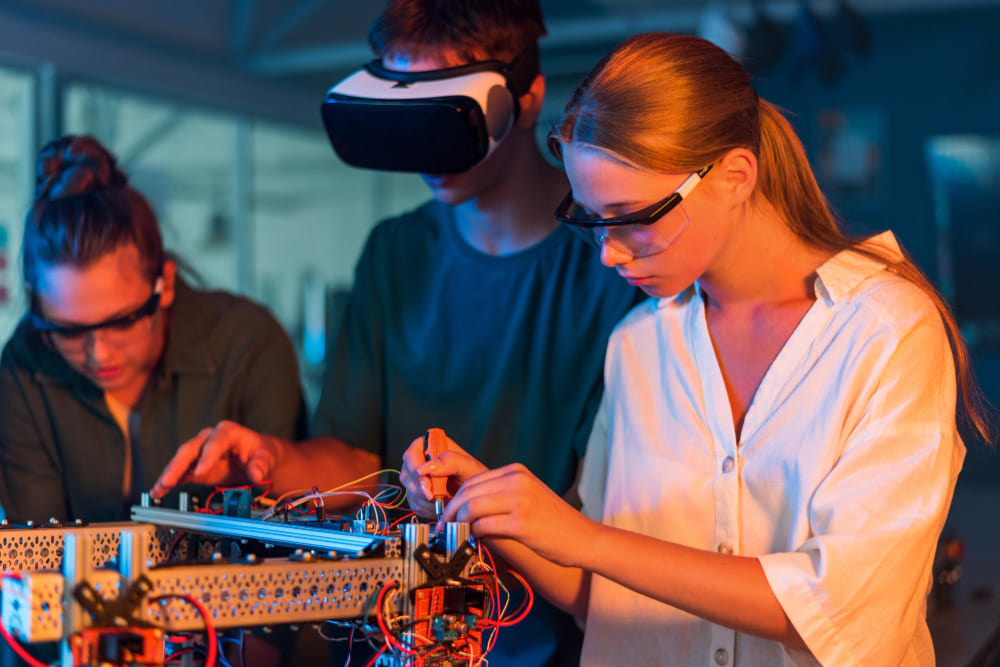
How Early Experiments Led to Modern Technology
Modern technology is the result of centuries of experimentation, observation, and gradual improvement. What we now consider everyday tools - such as smartphones, computers, electricity, and medical devices - originated from simple early experiments conducted by curious thinkers who sought to understand the natural world. The evolution from basic scientific trials to advanced technological systems highlights how human innovation builds step by step over time. Exploring how early experiments led to modern technology provides insight into the foundations of science, engineering, and digital progress that shape today’s society. The Foundations of Scientific Experimentation Early experiments were often simple, but they laid the groundwork for major scientific discoveries. Ancient civilizations such as the Greeks, Egyptians, and Chinese conducted observations and practical tests to understand natural phenomena. For example, early studies of mechanics and geometry helped develop basic engineering principles used in construction and architecture. One of the most important developments in scientific history was the shift from speculation to experimentation. During the Renaissance and Scientific Revolution, thinkers like Galileo Galilei and Francis Bacon emphasized the importance of observation, measurement, and repeatable experiments. Galileo’s studies of motion challenged traditional beliefs and introduced a more accurate understanding of physics, while Bacon’s scientific method provided a structured approach that is still used today. Early electrical experiments also played a crucial role in shaping modern technology. Scientists such as Benjamin Franklin conducted experiments with electricity, famously demonstrating the connection between lightning and electrical charge. Later, researchers like Michael Faraday and Alessandro Volta expanded this knowledge, leading to the development of batteries and electrical systems that power the modern world. These foundational experiments were not immediately practical, but they created the essential knowledge base for future innovations. Each discovery added a new layer of understanding, allowing later scientists and engineers to build more advanced technologies. From Early Discoveries to Modern Technological Systems As scientific knowledge expanded, early experiments began to evolve into real-world applications. The development of electricity is one of the clearest examples of this transformation. What began as simple laboratory experiments eventually led to electrical grids, lighting systems, and electronic devices that are now essential in daily life. The study of electromagnetism, developed by scientists like James Clerk Maxwell, helped explain how electricity and magnetism interact. This theoretical understanding later enabled the creation of motors, generators, and communication systems such as radios and televisions. These innovations fundamentally changed how people live, work, and communicate. In medicine, early experiments with anatomy, disease, and chemistry led to groundbreaking advancements in healthcare. Scientists like Louis Pasteur used experiments to develop the germ theory of disease, which revolutionized hygiene, vaccines, and infection control. These discoveries have saved millions of lives and remain the foundation of modern medicine. The evolution of computing technology also began with early experimental ideas. Pioneers such as Charles Babbage designed mechanical calculating machines, while later researchers developed electronic computers that could process complex data. Today, these early concepts have evolved into powerful computers, artificial intelligence systems, and global digital networks. Modern technology continues to rely on experimentation. Engineers and scientists constantly test new materials, algorithms, and systems to improve efficiency and performance. Innovations such as renewable energy, nanotechnology, and space exploration are direct results of continuous experimental research. In conclusion, early experiments laid the essential foundation for modern technology. Through centuries of curiosity, trial, and refinement, simple investigations evolved into complex systems that define the modern world. Every technological advancement today is connected to the experimental efforts of the past, proving that scientific progress is a continuous journey from discovery to innovation.

The Role of Failure in Scientific Progress
Scientific progress is often associated with breakthroughs, discoveries, and moments of success. However, behind every major achievement lies a long history of trial, error, and repeated failure. Failure is not the opposite of progress in science - it is an essential part of it. From early experiments in physics and chemistry to modern advancements in medicine and technology, unsuccessful attempts have consistently guided researchers toward better understanding and innovation. Exploring the role of failure in scientific progress reveals how mistakes, setbacks, and unexpected results contribute to the growth of knowledge and the development of transformative ideas. Why Failure is Essential in Scientific Discovery Failure plays a critical role in shaping scientific understanding because it provides information about what does not work. In experimental science, negative results are just as important as successful ones, as they help refine hypotheses and eliminate incorrect assumptions. This process allows scientists to move closer to accurate explanations of natural phenomena. Many of history’s greatest scientists experienced repeated failure before achieving success. For example, Thomas Edison conducted thousands of experiments before successfully developing a practical electric light bulb. Each failed attempt provided valuable insight into materials and design, ultimately leading to a working solution. Similarly, Marie Curie faced numerous experimental challenges while studying radioactive elements, yet her persistence led to groundbreaking discoveries that transformed physics and medicine. Failure also strengthens the scientific method itself. The process of forming a hypothesis, testing it, analyzing results, and revising ideas is built on the expectation that not all experiments will succeed. This iterative approach ensures that scientific conclusions are reliable and evidence-based. Without failure, there would be no mechanism for improvement or correction in scientific research. In addition, failure encourages creativity and critical thinking. When an experiment does not produce the expected outcome, researchers are forced to rethink their assumptions and explore alternative explanations. This often leads to unexpected discoveries that were not part of the original research goal. How Scientific Failure Leads to Innovation and Progress Although failure can be frustrating, it often becomes the foundation for major innovations. Many technologies and scientific breakthroughs have emerged directly from experiments that initially failed to achieve their intended purpose. Over time, scientists and engineers learn from these failures and adapt their methods to create more effective solutions. The development of aviation is a clear example of this process. Early attempts by inventors such as the Wright brothers involved numerous crashes and unsuccessful designs. However, each failure contributed to a deeper understanding of aerodynamics and control systems, eventually leading to the first successful powered flight. In medicine, failure has also played a vital role in progress. Early vaccine research involved many unsuccessful trials before effective immunization methods were developed. These setbacks helped scientists refine their techniques and improve safety and effectiveness in modern healthcare. Even in modern technology, failure remains a key driver of innovation. Software development, for instance, relies heavily on testing and debugging. Each error discovered in a system helps developers improve performance, security, and user experience. This continuous cycle of testing and correction ensures that digital systems evolve rapidly and reliably. The mindset toward failure has also changed in scientific communities. Today, researchers recognize that unsuccessful experiments are not wasted effort but valuable contributions to collective knowledge. Many academic journals and institutions now encourage the publication of negative results to promote transparency and accelerate discovery. In conclusion, failure is an indispensable part of scientific progress. It helps refine theories, improve methods, and inspire innovation across all fields of study. By embracing failure as a learning tool rather than a setback, scientists continue to push the boundaries of knowledge and develop technologies that shape the future of humanity.
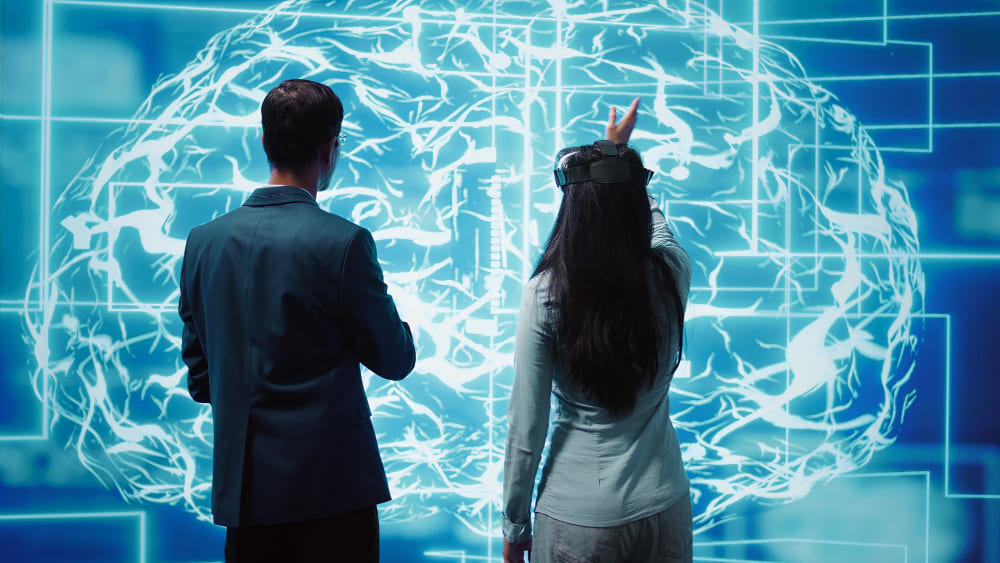
How Technology Changes the Way We Think as Humans
Technology has become deeply embedded in everyday life, influencing not only what humans do but also how they think, process information, and make decisions. From smartphones and social media to artificial intelligence and search engines, digital tools have transformed cognitive habits across the world. The relationship between technology and human thinking is complex, as it enhances certain mental abilities while also reshaping attention, memory, and problem-solving patterns. Understanding how technology changes the way we think is essential for navigating the modern digital era responsibly and effectively. How Digital Tools Shape Human Cognition One of the most significant ways technology influences thinking is by changing how people access and process information. In the past, knowledge required memorization, books, and direct experience. Today, search engines provide instant answers to almost any question, reducing the need for long-term memorization. While this increases efficiency, it also shifts the brain’s focus from storing information to knowing where and how to find it. Smartphones and constant connectivity have also impacted attention spans. With notifications, apps, and social media platforms competing for attention, humans are increasingly accustomed to rapid information switching. This has led to more fragmented thinking patterns, where individuals often multitask across multiple digital environments. Although multitasking can boost short-term productivity, it can also weaken deep focus and reduce sustained concentration over time. Technology also influences decision-making processes. Algorithms used in recommendation systems suggest content, products, and even news based on user behavior. As a result, people are often guided by personalized digital environments, which can shape opinions and reinforce existing beliefs. This phenomenon highlights the growing role of artificial intelligence in shaping human perception and judgment. However, digital tools also enhance cognitive abilities in positive ways. Educational platforms, online courses, and simulation software allow individuals to learn faster and more interactively than ever before. Visualization tools help users understand complex data, improving analytical thinking and problem-solving skills. The Evolution of Thought in the Digital Age As technology continues to evolve, so does the structure of human thinking. One major shift is the transition from linear thinking to networked thinking. Instead of processing information in a straight sequence, people now navigate interconnected digital systems filled with hyperlinks, multimedia content, and interactive media. This fosters a more associative and flexible style of thinking. Artificial intelligence is also reshaping cognitive processes. AI-powered assistants and tools can analyze data, generate insights, and automate tasks that once required human effort. While this increases efficiency, it also raises questions about dependency and the future role of human judgment in decision-making. Communication technology has further transformed how humans think socially. Social media platforms enable instant global interaction, exposing individuals to diverse perspectives. This can broaden understanding and encourage empathy, but it can also create information overload and digital echo chambers. Moreover, technology has accelerated the pace of life, influencing how people prioritize tasks and make decisions. Instant access to information encourages faster responses, sometimes at the expense of reflection and critical thinking. As a result, modern cognition is increasingly shaped by speed and immediacy. In conclusion, technology has fundamentally changed the way humans think by altering memory, attention, communication, and decision-making processes. While it offers powerful tools for learning and innovation, it also introduces new cognitive challenges. The future of human thinking will depend on how effectively society balances digital convenience with deep, reflective thought in an increasingly connected world.
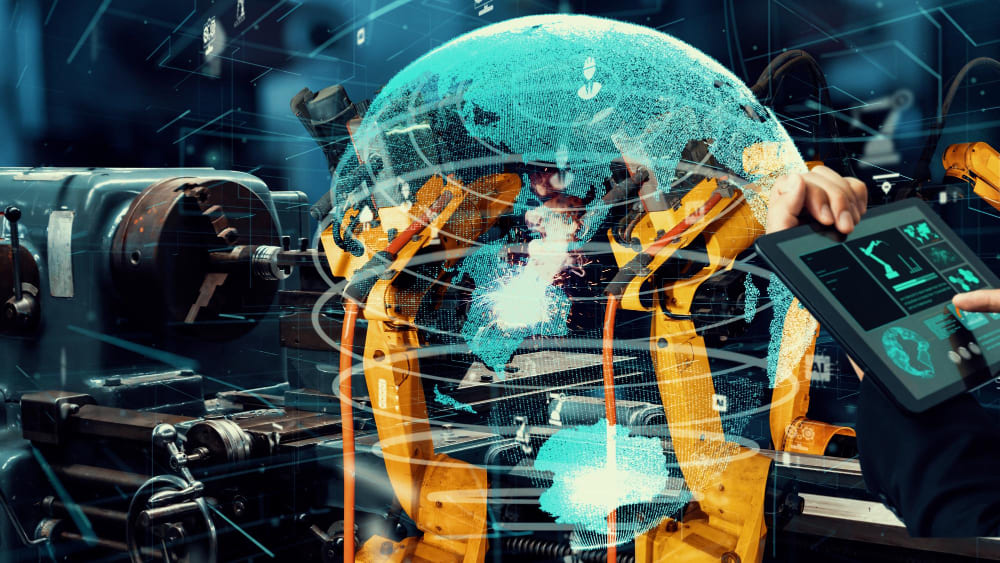
The Science Behind Major Global Inventions
Major global inventions are often seen as sudden breakthroughs, but in reality, they are the result of long scientific development, experimentation, and gradual refinement of ideas. From electricity and transportation to medicine and computing, every transformative invention is grounded in scientific principles that evolved over time. Understanding the science behind major global inventions reveals how observation, experimentation, and theory combine to shape the modern world and drive human progress. Scientific Principles That Led to Revolutionary Inventions At the core of every major invention lies a scientific principle that explains how the natural world works. Electricity, for example, is based on the understanding of electromagnetism, which was developed through the work of scientists such as Michael Faraday and James Clerk Maxwell. Their research into electric and magnetic fields made it possible to design generators, motors, and power systems that now supply energy to billions of people worldwide. Similarly, the invention of modern transportation systems is rooted in the science of physics, particularly mechanics and aerodynamics. Early studies of motion, force, and resistance allowed engineers to design cars, trains, and airplanes. The Wright brothers applied scientific experimentation with lift, thrust, and control to achieve the first successful powered flight, fundamentally changing global mobility. In medicine, the science of biology and chemistry has driven some of the most important inventions in human history. The germ theory of disease, developed through experimental research, explained how microorganisms cause illness. This discovery led to vaccines, antibiotics, and sterilization techniques that dramatically improved global health and life expectancy. The development of computing technology is based on mathematical logic and electrical engineering. Early theoretical work on algorithms and computation, combined with advances in electronic circuits, led to the creation of computers. These machines evolved from simple calculating devices into powerful systems capable of artificial intelligence, data analysis, and global communication. Each of these inventions demonstrates how scientific understanding forms the foundation for technological progress. Without the underlying theories, practical innovation would not be possible. From Scientific Theory to Real-World Global Impact Once scientific principles are understood, they must be transformed into practical applications through engineering and experimentation. This process often involves years of testing, failure, and refinement before a usable invention is achieved. Collaboration between scientists, engineers, and industries plays a crucial role in turning theory into real-world solutions. The global impact of scientific inventions can be seen in nearly every aspect of modern life. Electricity powers homes, hospitals, and industries. Transportation systems connect countries and enable international trade. Medical innovations save millions of lives each year and improve quality of life across the world. Computing technology enables instant communication, digital economies, and access to global information networks. Renewable energy technologies such as solar panels and wind turbines are also rooted in scientific research on energy conversion and environmental systems. These inventions address global challenges such as climate change and resource sustainability, showing how science continues to evolve in response to human needs. Artificial intelligence represents one of the latest examples of science-driven innovation. Built on mathematics, computer science, and cognitive modeling, AI systems are transforming industries such as healthcare, finance, and transportation. These technologies are continually pushing the limits of what machines are capable of achieving. In conclusion, the science behind major global inventions demonstrates that innovation is a structured process built on knowledge, experimentation, and collaboration. Every invention begins with scientific curiosity and evolves through rigorous testing into technologies that shape the modern world. As science continues to advance, future inventions will further transform society and redefine human potential.

How Small Discoveries Lead to Massive Breakthroughs
Scientific and technological progress is often imagined as a series of dramatic breakthroughs that instantly change the world. In reality, most major innovations begin with small, almost unnoticed discoveries. These minor insights, accidental observations, and incremental improvements gradually accumulate until they transform entire industries and reshape human life. Understanding how small discoveries lead to massive breakthroughs reveals the true nature of innovation: a slow, continuous process built on curiosity, experimentation, and persistence. The Power of Incremental Scientific Progress Many of the world’s most important breakthroughs started with simple observations that seemed insignificant at the time. Scientists often begin with small questions about how nature behaves, and these questions lead to deeper investigations. Over time, repeated experiments turn minor findings into established scientific knowledge. For example, early studies of electricity were based on small experiments with static charge and basic materials. These simple investigations, conducted by scientists such as Benjamin Franklin and Alessandro Volta, eventually led to the development of electrical theory. That theory later enabled the creation of power grids, lighting systems, and modern electronics that power the world today. In medicine, small discoveries such as the identification of bacteria under microscopes led to a complete revolution in healthcare. After scientists discovered that microorganisms are responsible for disease, they were able to develop hygiene practices, vaccines, and antibiotics. These advances began with tiny observations that completely changed the global approach to health and disease prevention. Technology also evolves through incremental progress. Early computers were large, slow devices built to perform basic calculations. However, each improvement in hardware, software, and microchip design was built upon earlier discoveries. Over the decades, these small enhancements resulted in powerful devices such as smartphones and cloud computing systems. The scientific method itself encourages incremental progress. Researchers test small hypotheses, analyze results, and refine their ideas step by step. This structured process ensures that even minor discoveries contribute to the larger body of knowledge. How Minor Innovations Create Global Transformations Once small discoveries accumulate, they often combine to produce major breakthroughs that reshape society. These transformations rarely happen overnight. Instead, they emerge when multiple incremental improvements reach a point where they can be applied on a large scale. The development of the Internet is a clear example of this process. It did not begin as a single invention but rather as a combination of small innovations in networking, data transmission, and computer science. Over time, these separate developments merged into a global communication system that connects billions of people. In transportation, the modern automobile is the result of countless small improvements in engine design, materials, and manufacturing techniques. Each innovation made vehicles safer, faster, and more efficient, eventually transforming global mobility and urban development. Even artificial intelligence is built on decades of small discoveries in mathematics, statistics, and computer science. Each improvement in algorithms and computing power has contributed to the advanced AI systems used today in healthcare, business, and communication. Another important factor is collaboration. Small discoveries made by different researchers across the world often combine to create larger breakthroughs. Scientific progress is rarely isolated; instead, it is a global effort where knowledge is shared and expanded over time. In conclusion, small discoveries are the foundation of massive breakthroughs. They demonstrate that innovation is not a single moment of genius but a continuous process of exploration and refinement. By valuing incremental progress, humanity continues to build technologies and knowledge systems that shape the future of the world.

How Modern Computing Evolved From Simple Machines
Modern computing is the result of centuries of gradual development, beginning with simple mechanical devices and evolving into highly advanced digital systems. What we now recognize as computers - smartphones, laptops, cloud servers, and artificial intelligence platforms - are built upon a long history of experimentation, mathematics, and engineering innovation. Understanding how modern computing evolved from simple machines reveals how human creativity and scientific progress have transformed basic counting tools into powerful global technologies. The Origins of Mechanical Calculation Devices The earliest foundations of computing began with simple mechanical tools designed to assist with calculation. Ancient devices such as the abacus were used to perform basic arithmetic operations and were widely adopted in early civilizations. These tools helped traders, engineers, and scholars solve numerical problems more efficiently than mental calculation alone. During the 17th and 18th centuries, inventors began developing more complex mechanical machines. Devices such as Blaise Pascal’s Pascaline and Gottfried Wilhelm Leibniz’s stepped reckoner introduced the idea of automated calculation using gears and mechanical components. These inventions marked the beginning of machine-based computation. In the 19th century, Charles Babbage designed the Analytical Engine, which is widely regarded as a conceptual forerunner of modern computers. Although it was never fully built in his lifetime, the design included essential elements such as memory storage, processing units, and programmable instructions. Ada Lovelace, working alongside Babbage’s ideas, is often recognized for envisioning the potential of machines to go beyond arithmetic and perform general-purpose computing tasks. These early machines demonstrated that complex calculations could be automated, laying the groundwork for future digital systems. From Mechanical Systems to Digital Computing Power The transition from mechanical machines to electronic computers began in the 20th century with advances in electricity and electronics. Early computing devices relied on vacuum tubes and later transistors, which allowed machines to process information faster and more reliably than mechanical systems. During World War II, large-scale computing machines were developed to solve complex military calculations. These systems demonstrated the potential of electronic computing and led to further investment in computer science research. The invention of the microprocessor in the 1970s marked a turning point in computing history. By integrating processing functions into a single chip, computers became smaller, faster, and more affordable. This innovation made personal computers accessible to individuals and businesses, revolutionizing productivity and communication. The rise of the internet further transformed computing by connecting millions of machines into a global network. This development enabled instant communication, digital commerce, and access to vast amounts of information. Cloud computing later expanded these capabilities by allowing data and software to be stored and accessed remotely. Today, modern computing continues to evolve through artificial intelligence, machine learning, and quantum computing research. These technologies build upon centuries of scientific progress and continue to push the boundaries of what machines can achieve. Conclusion In conclusion, modern computing evolved from simple mechanical machines through continuous innovation in mathematics, engineering, and electronics. Each stage of development contributed essential ideas that shaped today’s digital world. From basic calculation tools to advanced intelligent systems, computing history reflects humanity’s ongoing effort to improve efficiency, solve problems, and expand technological possibilities.

The Scientists Who Changed Medicine Forever
Medicine as we know it today is the result of centuries of scientific discovery, experimentation, and relentless curiosity. Throughout history, a handful of pioneering scientists have fundamentally transformed how humans understand disease, treat illness, and improve overall health. Their contributions have saved millions of lives and continue to shape modern healthcare systems. Studying the scientists who transformed medicine reveals how innovation, persistence, and scientific thinking can dramatically improve human health and well-being. Pioneers Who Transformed Medical Science One of the earliest and most influential figures in medical history was Louis Pasteur. His research in microbiology led to the germ theory of disease, which proved that microorganisms are responsible for many illnesses. This discovery changed medicine forever by shifting the focus from superstition and guesswork to scientific explanation and prevention. Pasteur also developed pasteurization, a process that helps prevent food contamination and improve public health. Another groundbreaking figure was Edward Jenner, who developed the world’s first vaccine. By observing that milkmaids who contracted cowpox were immune to smallpox, Jenner introduced a method of vaccination that eventually led to the eradication of one of the deadliest diseases in human history. His work laid the foundation for immunology and modern vaccine development. Marie Curie also made extraordinary contributions to medicine through her research on radioactivity. Her discoveries of radium and polonium opened new possibilities for medical treatments, particularly in cancer therapy. Despite facing significant challenges in a male-dominated scientific world, her work became essential to both physics and medical science. Alexander Fleming’s discovery of penicillin marked another turning point in medical history. When he observed that mold could destroy bacteria in a petri dish, he accidentally discovered the first antibiotic. This breakthrough revolutionized the treatment of bacterial infections and significantly reduced mortality rates worldwide. These scientists shared a common trait: a deep curiosity about how the natural world works and a commitment to solving real human problems. Their discoveries were not isolated events but part of a continuous scientific journey that built the foundation of modern medicine. How Their Discoveries Shaped Modern Healthcare The contributions of these scientists continue to influence healthcare systems around the world. Vaccines, antibiotics, and sterilization techniques are now standard practices in hospitals and clinics, preventing millions of deaths every year. Public health policies are also built upon the principles established by early medical pioneers. Modern medicine has expanded upon its discoveries using advanced technology and research. For example, germ theory has evolved into complex studies of microbiomes and infectious disease control. Vaccination technology now includes mRNA-based vaccines, which represent a new era of medical innovation. Antibiotic research continues to evolve in response to challenges such as drug-resistant bacteria. Medical imaging technologies, such as MRI and CT scans, also reflect the progress of scientific discovery. These tools allow doctors to diagnose and treat diseases with precision that was unimaginable in earlier centuries. Many of these advancements are rooted in the foundational work of early scientists who explored the relationship between physics, chemistry, and biology. The legacy of these scientists extends beyond their individual discoveries. They established a scientific approach to medicine based on evidence, experimentation, and continuous improvement. This approach remains the backbone of modern healthcare systems worldwide.

The Origins of Artificial Intelligence and Its Early Pioneers
Artificial intelligence (AI) is one of the most transformative technologies of the modern era, shaping industries such as healthcare, finance, transportation, and communication. However, its origins date back decades before the digital revolution, rooted in mathematics, philosophy, and early computing theory. The development of AI was not the result of a single invention but rather a gradual process driven by visionary thinkers who explored the possibility of machines that could simulate human intelligence. Understanding the origins of artificial intelligence and its early pioneers provides insight into how modern AI systems evolved from abstract ideas into powerful real-world technologies. Early Ideas That Shaped the Foundations of AI The idea of artificial intelligence began long before computers existed. Philosophers and mathematicians speculated about mechanical reasoning and symbolic logic as early as the 19th century. These early theories proposed that human thought could be represented using formal systems of rules and symbols. A major breakthrough came with the work of Alan Turing, who is widely considered one of the founding figures of computer science and AI. Turing introduced the concept of a machine capable of performing any logical operation if properly programmed. His theoretical model, known as the Turing Machine, became a foundational concept in computing and artificial intelligence. He also proposed the famous “Turing Test,” which evaluates whether a machine can exhibit intelligent behavior indistinguishable from that of a human. During the mid-20th century, advances in electronic computing made these ideas more practical. Researchers began exploring how machines could solve problems, play games, and perform tasks that required reasoning. Early experiments focused on symbolic AI, where intelligence was represented through logical rules rather than data-driven learning. In 1956, the Dartmouth Conference marked a turning point in the history of AI. This event officially established artificial intelligence as a field of study and brought together pioneers who believed that machines could eventually replicate human cognitive abilities. This period sparked optimism and significant research investment in developing intelligent systems. The Early Pioneers Who Shaped Artificial Intelligence The development of artificial intelligence was driven by several influential pioneers who laid the groundwork for modern systems. Alongside Alan Turing, researchers such as John McCarthy, Marvin Minsky, and Herbert Simon played key roles in shaping the field. John McCarthy is credited with coining the term “artificial intelligence” and developing the programming language LISP, which became widely used in AI research. His work helped formalize AI as a scientific discipline and provided tools for building early intelligent systems. Marvin Minsky contributed significantly to the understanding of how machines could simulate human thinking. His research at the Massachusetts Institute of Technology (MIT) helped develop early AI programs that could solve mathematical problems and perform logical reasoning. Herbert Simon, along with Allen Newell, created some of the first AI programs capable of mimicking human problem-solving processes. Their work demonstrated that machines could replicate aspects of human cognition, such as decision-making and reasoning. These pioneers laid the intellectual and technical foundations for modern AI systems. Although early AI was limited by computing power and data availability, their ideas established the principles that guide today’s advanced machine learning and neural network technologies. Modern artificial intelligence, including deep learning and generative models, builds directly upon these early theories. Today’s systems can analyze vast datasets, recognize patterns, generate human-like text, and assist in complex decision-making tasks. These achievements reflect decades of continuous progress rooted in the vision of AI pioneers. In conclusion, the origins of artificial intelligence are deeply connected to the work of early thinkers who imagined machines capable of intelligent behavior. Their pioneering research transformed theoretical concepts into a scientific discipline that continues to evolve. As AI technology advances further, it remains grounded in the foundational ideas established by its early pioneers, shaping the future of human-machine interaction.

How Physics Shapes the Modern Technological World
Physics is the foundation of the modern technological world. Every device, system, and innovation that defines contemporary life is built upon physical laws that describe how matter, energy, motion, and forces interact. From electricity and communication systems to transportation and medical imaging, physics provides the essential principles that allow engineers and scientists to design and improve technology. Understanding how physics shapes the modern technological world reveals the deep connection between scientific theory and everyday applications that influence global society. Fundamental Laws of Physics Behind Modern Technology The core laws of physics are responsible for many of the technologies people use every day. Classical mechanics, for example, explains how objects move under the influence of forces. These principles are essential in designing vehicles, bridges, buildings, and machines. Engineers rely on Newton’s laws of motion to ensure that structures are safe, stable, and efficient. Electromagnetism is another key area of physics that powers modern technology. The study of electric and magnetic fields led to the development of electricity generation, electric motors, and communication systems. Without electromagnetic theory, technologies such as smartphones, radios, and the internet would not exist. Electrical circuits, which are based on the movement of electrons, form the backbone of all digital devices. Thermodynamics, the study of heat and energy transfer, also plays a crucial role in technology. It explains how engines work, how refrigerators cool food, and how power plants generate electricity. These principles allow engineers to design systems that efficiently convert energy from one form to another. Quantum physics has revolutionized modern computing and electronics. The behavior of particles at the atomic level makes semiconductors possible, which are essential for computers, microchips, and digital devices. Without quantum mechanics, modern computing technology would not have advanced beyond simple mechanical systems. How Physics Drives Modern Innovation and Future Technologies Physics not only explains existing technologies but also drives innovation for the future. Advances in physics research continuously lead to new inventions and improvements in efficiency, performance, and sustainability. Many modern breakthroughs are direct results of applying physical principles in new ways. In communication technology, physics has enabled the development of fiber optics, satellite systems, and wireless networks. These systems rely on the behavior of light, waves, and electromagnetic signals to transmit information across long distances at incredible speeds. As a result, global communication has become nearly instantaneous. In medicine, physics plays a vital role in diagnostic and treatment technologies. Medical imaging techniques such as X-rays, MRI scans, and CT scans are based on physical principles of radiation, magnetism, and wave behavior. These tools allow doctors to see inside the human body without surgery, improving diagnosis and treatment outcomes. Transportation systems also depend heavily on physics. Aerodynamics governs aircraft design, while fluid dynamics influences shipbuilding and automotive engineering. These principles help improve fuel efficiency, safety, and performance in modern transportation. Looking ahead, physics continues to shape emerging technologies such as renewable energy systems, quantum computing, and space exploration. Solar panels, wind turbines, and advanced battery systems are all based on physical principles that convert and store energy efficiently. Quantum computing, still in development, has the potential to revolutionize data processing by exploiting the laws of quantum mechanics. In conclusion, physics is the driving force behind modern technological progress. Its fundamental laws explain how the world works and provide the foundation for innovation across all industries. As research in physics continues to advance, it will unlock new possibilities that further transform technology and redefine the future of human civilization.

How Science Continues to Redefine What Is Possible
Science has always been one of humanity's most powerful tools for progress. From the discovery of electricity to the development of artificial intelligence, scientific advancement continues to reshape the world in ways that once seemed impossible. Every generation witnesses breakthroughs that transform industries, improve daily life, and expand our understanding of the universe. What makes science so remarkable is its ability to challenge limitations. Problems that appeared unsolvable decades ago are now approached with innovative technologies, advanced research methods, and global collaboration. Medical science, for example, has dramatically increased life expectancy through vaccines, precision treatments, and modern diagnostics. Diseases that once caused widespread devastation can now often be prevented or managed effectively. Technology driven by scientific discovery is equally influential. The rise of smartphones, cloud computing, and high-speed communication has connected billions of people around the globe. Artificial intelligence is now assisting businesses, researchers, and healthcare professionals by processing massive amounts of data faster than ever before. Automation and robotics are changing manufacturing, transportation, and even agriculture, making processes more efficient and sustainable. Space exploration is another area where science continues to redefine possibility. Missions to Mars, advanced telescopes, and private space companies are opening new opportunities for discovery beyond Earth. Scientists are learning more about distant planets, black holes, and the origins of the universe, while engineers develop technologies that could eventually support long-term human life in space. Environmental science is also playing a crucial role in shaping the future. As climate challenges intensify, researchers are developing renewable energy technologies, sustainable transportation systems, and more efficient ways to manage natural resources. Solar power, wind energy, and battery innovation are helping societies move toward more sustainable living while reducing environmental impact. Perhaps the most exciting aspect of scientific progress is that innovation rarely stops. Each discovery creates new questions, leading to further research and unexpected breakthroughs. Emerging fields such as biotechnology, quantum computing, and nanotechnology are still evolving, but they already demonstrate significant potential to reshape medicine, communication, and industry in the years ahead. Science is not simply about laboratories and equations. It is about curiosity, creativity, and the constant desire to improve the human experience. As researchers continue pushing boundaries, society gains new opportunities to solve global challenges and explore possibilities once limited to imagination. The future of science promises even greater change, and with every breakthrough, humanity moves closer to achieving what once seemed beyond reach.

The Future of Human–Machine Interaction
The relationship between humans and machines is evolving faster than ever before. What once involved simple keyboards and screens is gradually becoming a more natural, intelligent, and immersive form of communication. As technology advances, human–machine interaction is moving beyond traditional devices and into a future where digital systems understand speech, gestures, emotions, and even intent. Artificial intelligence is a key force behind this transformation. Modern systems are no longer limited to following basic commands. They can analyze patterns, learn user behavior, and adapt to individual preferences over time. Virtual assistants, recommendation engines, and AI-powered customer support already demonstrate how machines are becoming more responsive and personalized in everyday life. One of the most important developments is the rise of voice-based interaction. People increasingly expect technology to respond conversationally rather than through complicated menus or manual input. Smart homes, connected vehicles, and wearable devices are all integrating voice recognition to create faster and more intuitive experiences. In the future, speaking with machines may feel as natural as speaking with another person. At the same time, touchless technology is gaining momentum. Gesture recognition, eye tracking, and motion sensors are changing how users interact with digital systems. These innovations are particularly important in healthcare, gaming, education, and industrial environments where speed, accessibility, and hygiene matter. Instead of adapting to machines, machines are being designed to adapt to human behavior. Augmented reality and virtual reality are also reshaping interaction by blending physical and digital environments. Rather than simply viewing information on a screen, users can experience data spatially and interact with digital objects in real time. This technology has applications far beyond entertainment. Businesses use immersive environments for training, architecture, remote collaboration, and product design. Brain–computer interfaces represent one of the most ambitious frontiers in human–machine communication. Researchers are exploring systems that can interpret neural signals and allow direct interaction between the human brain and digital devices. Although still in early development, such technology could eventually help people with disabilities regain mobility and communication abilities while also introducing entirely new ways of controlling machines. However, the future of human–machine interaction is not only about convenience. It also raises significant ethical and social concerns. Privacy and data security concerns as systems access more personal information Risks of increasing digital dependence in everyday life Need for responsible and transparent AI systems The next generation of machines will likely become less visible but more integrated into daily life. Technology may eventually evolve from a tool people consciously operate into an invisible system that quietly assists daily activities through predictive intelligence and seamless automation. Human–machine interaction is entering a new era where communication with technology becomes increasingly fluid, intelligent, and human-centered. As innovation continues, the boundary between the digital and physical world may become smaller than ever before.

How Modern Technology Improves Human Health Outcomes
Modern technology has transformed healthcare in ways that were unimaginable only a few decades ago. From advanced diagnostics to AI-assisted treatment planning, innovation continues to improve the quality of care, increase accessibility, and help people live longer, healthier lives. As science and technology evolve together, healthcare systems around the world are becoming faster, smarter, and more efficient. One of the most significant advancements is the development of digital diagnostics. Medical imaging technologies such as MRI scans, CT scans, and high-resolution ultrasound systems allow doctors to detect diseases earlier and with greater accuracy. Early diagnosis often leads to more effective treatment, especially in conditions like cancer, cardiovascular disease, and neurological disorders. Artificial intelligence is also reshaping the healthcare industry. AI systems can analyze large amounts of medical data within seconds, helping doctors identify patterns that might otherwise go unnoticed. In hospitals and research centers, machine learning algorithms are being used to assist with diagnostics, predict patient risks, and support personalized treatment strategies tailored to individual needs. Wearable technology has become another important tool for improving health outcomes. Smartwatches and fitness trackers can monitor heart rate, sleep quality, physical activity, and blood oxygen levels in real time. These devices encourage preventive healthcare by helping users recognize health changes early and maintain healthier daily habits. Telemedicine has expanded access to healthcare for millions of people. Patients can now consult doctors remotely through video calls and digital platforms, reducing travel time and improving access for those living in rural or underserved areas. During global health crises, telehealth proved especially valuable by allowing healthcare providers to continue treating patients safely and efficiently. Robotics and automation are also improving surgical precision and patient recovery. Robotic-assisted procedures enable surgeons to perform complex operations with greater control and minimal invasiveness. As a result, patients often experience less pain, reduced complications, and shorter recovery periods compared to traditional surgical methods. In pharmaceutical research, technology accelerates the discovery and development of new medications. Advanced computing systems can simulate chemical interactions and analyze biological data far more quickly than traditional methods. This allows researchers to identify promising treatments faster and improve the efficiency of clinical trials. Data-driven healthcare is becoming increasingly important as well. Electronic health records make it easier for medical professionals to access patient histories, coordinate care, and reduce administrative errors. Better data management improves communication between healthcare providers and contributes to more accurate decision-making. Despite these advancements, challenges remain. Data privacy, cybersecurity, and equal access to medical technology continue to be major concerns worldwide. Ensuring that innovation benefits all populations requires responsible regulation, ethical development, and continued investment in healthcare infrastructure. Technology is not replacing healthcare professionals — it is enhancing their capabilities. By combining human expertise with intelligent systems, modern medicine is becoming more proactive, personalized, and effective. As innovation continues, technology will play an even greater role in preventing disease, improving treatment, and shaping the future of global healthcare.

The Link Between Scientific Discovery and Economic Growth
Scientific discovery has long been one of the strongest drivers of economic progress. While innovation often begins in laboratories and research institutions, its effects extend far beyond science itself, shaping industries, creating jobs, and influencing global markets. The connection between scientific advancement and economic growth is not indirect—it is fundamental. At the core of this relationship is innovation. When new scientific knowledge is transformed into practical technology, it often leads to entirely new industries or significantly improves existing ones. The development of electricity, for example, revolutionized manufacturing and communication, while modern breakthroughs in computing and artificial intelligence are reshaping today’s digital economy. Investment in research and development (R&D) plays a critical role in this process. Countries and companies that consistently invest in scientific research tend to experience higher productivity and stronger long-term growth. R&D allows businesses to create more efficient production methods, develop better products, and reduce operational costs, all of which contribute to economic competitiveness. Another important factor is the creation of high-skilled jobs. Scientific progress increases demand for professionals in engineering, data science, biotechnology, and other specialized fields. These roles not only offer higher wages but also stimulate further economic activity through increased consumer spending and tax contributions. As a result, science-driven economies tend to build stronger middle classes. Technology transfer is another key mechanism linking science to economic growth. When discoveries made in universities or research institutions are commercialized, they often give rise to startups and new business sectors. Silicon Valley is a well-known example of how academic research and private investment can combine to create a global innovation hub. Scientific progress also improves productivity across traditional industries. Agriculture, for instance, has benefited from advances in genetics, irrigation systems, and precision farming technologies. Manufacturing has become more efficient through automation and robotics, while logistics and transportation systems rely heavily on data science and optimization algorithms. These improvements reduce costs and increase output, directly contributing to economic expansion. Healthcare innovation further demonstrates the economic value of science. Healthier populations are more productive, take fewer sick days, and require less long-term medical care. Advances in medical technology and pharmaceuticals not only save lives but also reduce the financial burden on healthcare systems and increase workforce participation. However, the relationship between science and economic growth is not automatic. It depends on supportive policies, education systems, and infrastructure. Countries that fail to invest in scientific education or that lack mechanisms to commercialize research often struggle to fully benefit from scientific advancements. In addition, the global nature of modern science means that collaboration is essential. Many breakthroughs today result from international cooperation, shared data, and cross-border research initiatives. This interconnectedness allows knowledge to spread faster and amplifies its economic impact worldwide. Ultimately, scientific discovery fuels economic growth by expanding knowledge, improving productivity, and enabling innovation across all sectors of society. As science continues to advance, its role in shaping sustainable and inclusive economic development will only become more important.

How Technological Revolutions Begin in Laboratories
Most technological revolutions do not start on factory floors or in consumer markets. Instead, they begin quietly in laboratories, where curiosity-driven research slowly transforms into breakthroughs that reshape entire industries. From early experiments in physics and chemistry to today’s advanced work in artificial intelligence and biotechnology, labs have always been the birthplace of transformative innovation. At the heart of every major technological shift is scientific experimentation. Researchers begin by exploring fundamental questions—how materials behave, how energy moves, or how biological systems function. These early investigations may seem abstract, but they often uncover principles that later become the foundation for real-world applications. For example, early research into semiconductor physics eventually made modern computing and smartphones possible. Another key factor is the role of prototyping and iteration. In laboratories, ideas are tested, refined, and sometimes completely redesigned. This process allows scientists and engineers to identify limitations early and improve their designs before they reach commercial development. Many breakthrough technologies exist today because countless experimental versions were tested and discarded in research environments. Collaboration is also essential in the emergence of technological revolutions. Modern laboratories are rarely isolated spaces. They often involve interdisciplinary teams combining expertise from physics, computer science, biology, engineering, and mathematics. This blending of knowledge allows complex problems to be approached from multiple angles, increasing the likelihood of innovation. Funding and institutional support play a crucial role as well. Universities, government research programs, and private companies provide the financial resources needed to sustain long-term experimentation. Without this support, many groundbreaking discoveries would remain unexplored due to their high cost and uncertainty. In many cases, early-stage research requires years of investment before any commercial application becomes visible. Some of the most significant technological revolutions began as basic research with no immediate practical goal. The development of the internet, for instance, originated from academic and government-funded experiments in networking and communication systems. Similarly, advancements in medical imaging and genetic engineering grew out of fundamental scientific curiosity long before they became essential tools in healthcare. Once a discovery proves viable, the transition from laboratory to industry begins. This stage often involves scaling up experiments, improving efficiency, and adapting technologies for mass production. Startups, research spin-offs, and corporate innovation labs play an important role in turning scientific concepts into usable products and services. However, not every laboratory discovery becomes a revolution. Many ideas remain experimental or fail to achieve commercial success. The path from lab to market is uncertain and depends on timing, market demand, and technological readiness. Even so, unsuccessful experiments often contribute valuable knowledge that supports future breakthroughs. In the end, laboratories are more than places of research—they are engines of progress. They represent the starting point of technological revolutions that eventually shape economies, societies, and everyday life. As science continues to advance, the discoveries made in today’s labs will likely define the technologies of tomorrow.

The Story of Electricity and Its Pioneers
Electricity stands as one of the most important discoveries in human history, forming the backbone of modern life. It powers homes, hospitals, communication systems, transportation, and entire industries. However, our understanding of electricity was not achieved in a single breakthrough. Instead, it developed gradually over centuries through observation, experimentation, and the contributions of many pioneering scientists. The earliest records of electrical phenomena go back to ancient Greece, where philosophers observed that rubbing amber could attract small, lightweight objects. This simple observation hinted at the existence of static electricity, although its true nature remained unknown for many centuries. A more scientific approach began to take shape in the 17th and 18th centuries. One of the most influential figures of this period was William Gilbert, who is often regarded as the founder of electrical science. He was the first to clearly distinguish electricity from magnetism, helping establish electricity as a subject of systematic study. In the 18th century, Benjamin Franklin advanced the understanding of electricity through his famous kite experiment. By demonstrating the connection between lightning and electrical charge, he showed that electricity is a natural force present both in the laboratory and in the environment. His work helped unify earlier observations into a more coherent scientific concept. The 19th century brought major technological progress. Alessandro Volta created the first true battery, the Voltaic pile, which produced a steady flow of electric current. This invention made it possible to conduct repeatable experiments and laid the groundwork for the development of electrical engineering. Michael Faraday later made groundbreaking discoveries in electromagnetism. His work on electromagnetic induction revealed that moving magnetic fields could generate electricity. This principle became essential for the creation of electric generators and modern power systems. Building on these ideas, James Clerk Maxwell developed a set of equations that unified electricity and magnetism into a single theoretical framework. His theory also showed that light is an electromagnetic wave, linking electricity to other fundamental aspects of physics and transforming scientific understanding. During the late 19th and early 20th centuries, electricity moved from theory into everyday application. Inventors such as Thomas Edison and Nikola Tesla played central roles in this transformation. Edison focused on practical electrical systems, including the development of the light bulb and early power distribution networks. Tesla advanced alternating current (AC) technology, which proved more efficient for transmitting electricity over long distances. The competition between Edison and Tesla, often referred to as the “War of Currents,” shaped the direction of modern electrical infrastructure. Ultimately, AC systems became the global standard due to their efficiency and scalability. Today, electricity is indispensable to modern society, powering everything from digital devices to advanced scientific instruments. Its development continues to influence innovations in renewable energy, smart grids, and wireless power technologies. The history of electricity reflects the progression of human curiosity and scientific discovery. Each generation of researchers built upon earlier insights, transforming simple observations into a force that now powers the modern world.

The Chemistry Behind Everyday Materials
Chemistry plays a fundamental role in shaping the materials that make up the modern world. From the plastics in household items to the metals in electronics and the fibers in clothing, nearly everything people use daily is the result of carefully understood chemical processes. The chemistry behind everyday materials explains how atoms and molecules combine, react, and transform to create substances with specific properties that suit human needs. Understanding these chemical principles helps reveal how science influences comfort, convenience, and technological progress in everyday life. How Chemical Structures Define Material Properties Every material has unique properties based on its chemical structure and the way its atoms are arranged. Metals, for example, are strong and conductive because their atoms are arranged in a lattice that allows electrons to move freely. This makes metals such as copper and aluminum essential for electrical wiring, construction, and transportation. Polymers are another major category of materials shaped by chemistry. These large molecules are made of repeating units called monomers. Plastics such as polyethylene and polypropylene are examples of synthetic polymers widely used in packaging, containers, and household goods. Their flexibility, durability, and low cost make them extremely valuable in modern industry. Ceramics and glass are materials formed through high-temperature chemical processes. Their rigid structures make them heat-resistant and ideal for construction, cookware, and electronic components. The arrangement of atoms in these materials gives them hardness and stability but also makes them more brittle compared to metals. Even natural materials such as wood and cotton are composed of complex chemical compounds. Cellulose, a natural polymer found in plants, gives wood its strength and provides the basis for paper and textile production. Chemistry allows scientists to modify these natural substances to improve durability, softness, or resistance to environmental factors. Chemistry’s Role in Advancing Modern Materials Science Modern innovation in materials science is driven by advances in chemistry. Scientists continuously develop new materials with enhanced properties to meet the demands of technology, sustainability, and industry. One major area of innovation is the development of composite materials, which combine two or more substances to create stronger and lighter products. These materials are widely used in aerospace, automotive design, and sports equipment. Nanomaterials represent another breakthrough in chemical research. By manipulating matter at the atomic and molecular scale, scientists can create materials with extraordinary properties such as increased strength, improved conductivity, or enhanced chemical reactivity. Nanotechnology is applied across fields such as electronics, medicine, and energy storage systems. Chemistry is also essential in developing sustainable materials. Biodegradable plastics, for example, are designed to break down naturally and reduce environmental pollution. Researchers are also working on eco-friendly alternatives to traditional materials by using renewable resources and green chemistry techniques that minimize waste and harmful emissions. In the field of electronics, chemistry enables the creation of semiconductors, which are the foundation of all modern digital devices. Silicon-based materials are carefully engineered at the chemical level to control electrical conductivity, allowing for the development of microchips and integrated circuits. In conclusion, the chemistry behind everyday materials reveals how deeply science is integrated into daily life. By understanding chemical structures and reactions, scientists can design materials that improve performance, sustainability, and functionality. As research continues to advance, chemistry will play an even greater role in shaping the materials and technologies of the future.

How Scientific Institutions Influence Global Progress
Scientific progress does not happen in isolation. Behind every major breakthrough—whether in medicine, physics, environmental science, or computing—there are institutions that support, structure, and accelerate discovery. Universities, research laboratories, government agencies, and private research centers form the backbone of global scientific advancement, shaping not only what is discovered but also how quickly it reaches society. One of the most important roles of scientific institutions is knowledge creation. Universities and research institutes provide structured environments where scientists can explore fundamental questions about nature, matter, life, and technology. Unlike commercial industries, which often focus on short-term outcomes, academic institutions are able to invest in long-term research that may take years or even decades to produce practical results. This freedom is essential for groundbreaking discoveries that redefine entire fields. Funding is another critical influence. Large-scale research often requires significant financial resources, advanced equipment, and highly trained personnel. Governments and international organizations play a key role by allocating grants and funding programs that support scientific work. Without this structured investment, many complex areas of research—such as particle physics, climate modeling, or genetic engineering—would be impossible to sustain at scale. Scientific institutions also act as hubs of collaboration. Modern research is rarely the product of a single individual; it is the result of teams working across disciplines and borders. Institutions provide the framework for this collaboration, bringing together experts in biology, chemistry, engineering, computer science, and mathematics. This interdisciplinary approach often leads to unexpected innovations, as ideas from one field are applied to solve problems in another. Another key influence is education and talent development. Universities are responsible for training the next generation of scientists, engineers, and researchers. Through advanced degree programs and hands-on research experience, students gain the skills needed to contribute to future discoveries. This continuous cycle of learning and innovation ensures that scientific progress does not stagnate but instead evolves over time. Scientific institutions also play a major role in validating and preserving knowledge. Peer review systems, academic publishing, and research replication ensure that findings are accurate, reliable, and reproducible. This process helps maintain scientific integrity and builds public trust in new technologies and discoveries. In addition to research and education, many institutions are involved in technology transfer. This is the process of turning scientific discoveries into practical applications, such as medical treatments, industrial tools, or digital technologies. Research universities often collaborate with startups and private companies to bring innovations to market, bridging the gap between theory and real-world use. On a global scale, scientific institutions contribute to solving shared challenges. Climate change, pandemics, energy sustainability, and food security are issues that require coordinated international efforts. Institutions often form global networks to share data, standardize research methods, and develop joint solutions. This cooperation allows science to function as a unifying force across political and cultural boundaries. However, scientific institutions also face challenges. Funding limitations, political influence, unequal access to resources, and administrative complexity can slow down progress. Ensuring that institutions remain independent, transparent, and well-supported is essential for maintaining the pace of innovation. Despite these challenges, the impact of scientific institutions on global progress is undeniable. They provide the structure, resources, and expertise needed to transform curiosity into discovery and discovery into real-world change. As global challenges become more complex, the role of these institutions will only grow in importance, guiding humanity toward a more informed and innovative future.

The Forgotten Women Who Shaped Science
The history of science is often told through the achievements of well-known figures, but many of its most important breakthroughs were made by women whose contributions were overlooked or underrepresented. Female pioneers in science have played a crucial role in shaping modern knowledge across physics, chemistry, medicine, and engineering. Their discoveries have transformed industries, saved lives, and expanded our understanding of the universe. Examining the overlooked stories of women pioneers in science highlights both their remarkable achievements and the obstacles they encountered in receiving recognition. Breaking Barriers in a Male-Dominated Scientific World For centuries, women were often excluded from formal scientific education and professional research institutions. Despite these barriers, many women pursued scientific inquiry independently or worked in collaboration with male colleagues whose names often received more recognition. One of the most well-known pioneers is Marie Curie, whose groundbreaking research on radioactivity changed both physics and medicine. She was the first woman to win a Nobel Prize and remains the only person to receive Nobel Prizes in two different scientific fields. Her work laid the foundation for cancer treatments and nuclear physics. Another important figure is Rosalind Franklin, whose X-ray diffraction images were essential in discovering the structure of DNA. Although her contributions were not fully recognized during her lifetime, her research was critical to one of the most important scientific discoveries in biology. Ada Lovelace is also considered a visionary in computing. She worked on early mechanical computers and is often regarded as the first computer programmer. Her ideas about machines going beyond simple calculation to process complex information were far ahead of her time. In astronomy, Henrietta Swan Leavitt made a major discovery by studying variable stars. Her work allowed scientists to measure vast distances in space, fundamentally changing our understanding of the universe. Despite working in relative obscurity, her findings became essential to modern astrophysics. These women and many others demonstrated extraordinary intellectual strength, often working under difficult social and professional conditions. Their persistence helped pave the way for future generations of female scientists. How Their Discoveries Shape Modern Science Today The contributions of female pioneers continue to influence modern science and technology. In medicine, Marie Curie’s research is still used in radiation therapy for cancer treatment. Her discoveries remain a cornerstone of medical physics and oncology. Rosalind Franklin’s work continues to be fundamental in genetics and molecular biology. The understanding of DNA structure has led to advances in genetic engineering, forensic science, and personalized medicine. Ada Lovelace’s early ideas about computing have become reality in today’s digital world. Modern software development, artificial intelligence, and algorithmic systems reflect the principles she envisioned long before computers existed. Henrietta Swan Leavitt’s contributions are still essential in modern astronomy. Her discoveries enable scientists to calculate cosmic distances, helping us explore galaxies and understand the expansion of the universe. Beyond their individual achievements, these women helped change the culture of science itself. Today, more women are entering scientific fields, contributing to research, innovation, and technological development across the globe. Educational institutions and research organizations are increasingly recognizing the importance of diversity in science. In conclusion, the untold stories of female pioneers in science highlight the essential but often overlooked contributions of women to human knowledge. Their discoveries have shaped modern science and continue to influence technological and medical progress. By recognizing their legacy, we develop a fuller and more accurate view of scientific history and help inspire future generations of innovators.

The Science Behind Human Intelligence and Machine Learning
Human intelligence and Human Intelligence have long been central subjects of scientific study, while modern computing has given rise to Machine Learning. Although one is biological and the other computational, both rely on pattern recognition, adaptation, and the ability to improve performance based on experience. Human intelligence is rooted in the structure and function of the brain. Billions of neurons form complex networks that process sensory input, store memories, and generate decisions. Learning occurs through synaptic plasticity, a biological mechanism where connections between neurons strengthen or weaken depending on activity. This allows humans to adapt to new environments, solve problems, and develop abstract thinking skills. Cognitive functions such as reasoning, language, and creativity arise from the coordinated interaction of multiple brain regions rather than being located in a single isolated system. Machine learning, by contrast, is inspired by some of these biological principles but implemented through mathematics and computer algorithms. Instead of neurons, machine learning models use artificial neural networks composed of layers of interconnected nodes. These systems learn by adjusting numerical weights based on data inputs, gradually improving their ability to recognize patterns, make predictions, or classify information. Unlike humans, machines do not possess consciousness or understanding; they operate strictly through statistical optimization. A key similarity between human cognition and machine learning is the importance of data and experience. Humans learn from sensory experiences, repetition, and feedback, while machine learning systems rely on large datasets and training cycles. In both cases, exposure to diverse information improves performance. However, humans tend to learn more efficiently from fewer examples, while machines often require vast amounts of data to achieve comparable results. Another important difference lies in flexibility and generalization. Human intelligence is highly adaptable, allowing individuals to transfer knowledge from one context to another with ease. Machine learning systems, especially specialized models, are often limited to the specific tasks they were trained for. Although advances in artificial intelligence are improving generalization abilities, true human-like adaptability remains a significant challenge. Despite these differences, there are strong connections between neuroscience and artificial intelligence research. Scientists often study the brain to inspire new machine learning architectures, while AI models are sometimes used to simulate and test theories about human cognition. This cross-disciplinary relationship has accelerated progress in both fields, leading to better understanding of intelligence in general. The future of research in this area is focused on narrowing the gap between biological and artificial systems. Advances in deep learning, reinforcement learning, and neural modeling are pushing machines closer to more flexible forms of intelligence. At the same time, neuroscience continues to uncover how memory, attention, and decision-making work in the human brain. Ultimately, studying both human intelligence and machine learning provides deeper insight into what it means to learn, adapt, and process information. While one represents natural evolution and the other technological design, both reveal fundamental principles about intelligence itself and its role in shaping the future of science and technology.
How Energy Innovations Are Reshaping Global Economies
Energy has always been the foundation of economic development. From the steam engine to electrification and modern digital infrastructure, every major economic transformation has been powered by advances in how energy is produced, stored, and used. Today, new energy innovations are once again reshaping global economies, influencing industries, trade relationships, and long-term sustainability strategies. One of the most significant shifts is the rapid expansion of renewable energy sources such as solar, wind, and hydropower. These technologies are becoming more efficient and cost-effective, allowing countries to reduce dependence on fossil fuels. As production costs decrease, renewable energy is increasingly integrated into national grids, changing the structure of energy markets and creating new investment opportunities. Solar energy, in particular, has experienced dramatic growth due to improvements in photovoltaic technology. Modern solar panels convert sunlight into electricity more efficiently than ever before, making large-scale deployment economically viable. Wind energy has also advanced through the development of larger and more powerful turbines, capable of generating significant amounts of electricity even in offshore environments. Energy storage technologies are another critical driver of change. Batteries, especially lithium-ion systems, allow energy generated from renewable sources to be stored and used when needed. This solves one of the biggest challenges in renewable energy—intermittency. As battery technology continues to improve, it is enabling more stable and reliable energy systems, which in turn supports economic growth and energy independence. The rise of electric vehicles (EVs) is also transforming global energy consumption patterns. As transportation shifts away from fossil fuels, demand for electricity increases while oil dependency decreases. This shift is influencing global oil markets, changing trade dynamics, and encouraging governments to invest in charging infrastructure and clean energy production. Hydrogen energy is emerging as another promising innovation. Often referred to as a potential “fuel of the future,” hydrogen can be produced using renewable energy and used in industries that are difficult to electrify, such as heavy manufacturing and long-distance transport. Although still developing, hydrogen technology could play a major role in decarbonizing global economies. These energy transitions are not only technological but also economic. Countries investing heavily in clean energy infrastructure are creating new industries and job markets. Sectors such as renewable engineering, battery manufacturing, and smart grid development are expanding rapidly, reshaping labor markets and shifting economic power toward innovation-driven economies. At the same time, traditional energy-exporting countries face challenges as global demand for fossil fuels gradually changes. This transition requires economic diversification strategies to ensure long-term stability. As a result, energy innovation is influencing geopolitical relationships and reshaping global trade patterns. Digital technology is also playing a key role in modern energy systems. Smart grids use data and automation to optimize electricity distribution, reduce waste, and improve efficiency. Artificial intelligence is being used to predict energy demand, manage supply fluctuations, and integrate renewable sources more effectively into national grids. Despite these advancements, challenges remain. Infrastructure costs, resource availability, and policy coordination all influence the speed of energy transition. Additionally, ensuring equitable access to clean energy is essential for balanced global development. Overall, energy innovations are redefining how economies grow, compete, and sustain themselves. As new technologies continue to evolve, they are not only changing the way energy is produced and consumed but also reshaping the structure of the global economy itself.

The Role of Algorithms in Today’s Digital World
Algorithms are at the core of today's digital world, shaping how information is processed, decisions are made, and services are delivered. Although often invisible to users, they influence nearly every interaction with modern technology—from searching on the internet to watching videos, shopping online, and using navigation apps. As digital systems become more complex, algorithms have become essential tools for managing data and improving efficiency. At their simplest, algorithms are step-by-step instructions designed to solve problems or perform tasks. In computing, they are used to process inputs and produce outputs in a structured and predictable way. However, modern algorithms have evolved far beyond basic instructions. With the rise of data-driven systems and artificial intelligence, they now analyze vast datasets, identify patterns, and make predictions in real time. One of the most visible uses of algorithms is in recommendation systems. Platforms such as streaming services, social media networks, and online marketplaces rely on algorithms to personalize content for users. These systems analyze behavior, preferences, and interactions to suggest videos, posts, or products that are most likely to be relevant. This personalization improves user experience but also raises questions about attention, bias, and digital influence. Search engines are another major example of algorithmic power. When a user types a query, complex ranking algorithms evaluate billions of web pages in milliseconds to deliver the most relevant results. These systems consider factors such as content quality, relevance, and authority, ensuring that users can quickly access useful information from across the internet. In navigation and transportation, algorithms play a crucial role in optimizing routes and reducing travel time. Applications like GPS systems use real-time data to calculate the fastest or most efficient paths, taking into account traffic conditions, road closures, and other variables. This has transformed logistics, ride-sharing services, and everyday commuting. Financial markets also rely heavily on algorithms. High-frequency trading systems execute thousands of transactions per second based on automated strategies. These algorithms analyze market data, detect patterns, and make rapid decisions that would be impossible for humans to perform manually. While this increases efficiency, it also introduces complexity and potential risks in financial systems. Machine learning algorithms have added a new dimension to digital intelligence. Unlike traditional algorithms that follow fixed rules, machine learning systems can improve over time by learning from data. These algorithms are widely used in fraud detection, language translation, image recognition, and predictive analytics, making digital systems more adaptive and intelligent. Despite their benefits, algorithms also raise important ethical and societal concerns. Data privacy issues Algorithmic bias and fairness Lack of transparency in decision-making systems Regulation and responsible design are becoming key priorities in algorithm development. Researchers and policymakers are working to ensure that algorithms are fair, explainable, and aligned with human values. This includes improving transparency in decision-making systems and ensuring users understand how their data is being used. Ultimately, algorithms are the invisible infrastructure of the digital age. They shape how people interact with technology, how businesses operate, and how information flows across the world. As digital systems continue to evolve, the role of algorithms will only become more central to understanding and shaping the future of technology.
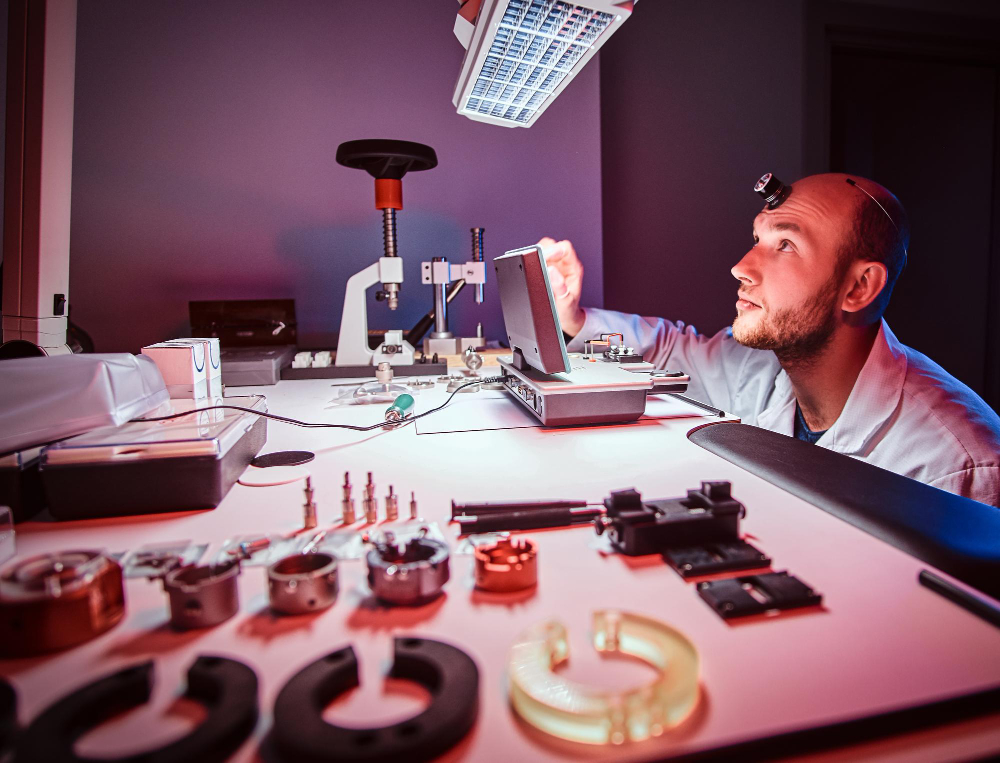
How Modern Devices Are Built on Ancient Scientific Ideas
Modern devices often feel like products of a purely digital age, yet many of their core principles are rooted in scientific ideas that are centuries, and in some cases millennia, old. From smartphones and computers to medical scanners and satellites, today’s technology is built on foundational discoveries in mathematics, physics, and natural philosophy that were developed long before the modern industrial world existed. One of the clearest examples is mathematics. Ancient civilizations such as the Babylonians and Greeks developed early concepts of geometry, algebra, and numerical systems. These ideas now underpin every digital device. Computer processors rely on binary logic, which is an extension of mathematical reasoning about numbers and operations. Without the abstract work of early mathematicians like Euclid or Al-Khwarizmi, modern computing systems would not exist in their current form. Physics is another essential foundation. Classical mechanics, developed by thinkers such as Isaac Newton, describes how objects move and interact under forces. This framework is still used today in engineering, robotics, and simulation software. Even advanced technologies like spacecraft navigation and game physics engines rely on Newtonian principles to model motion accurately, despite the complexity of modern computing systems. The study of electricity and magnetism also has deep historical roots. Early experiments with static electricity and magnetism laid the groundwork for understanding electromagnetic forces. These principles, later formalized by scientists such as Michael Faraday and James Clerk Maxwell, are essential for all electronic devices. Smartphones, laptops, and wireless communication systems all depend on the behavior of electromagnetic waves to transmit and process information. Optics, another ancient field of study, continues to play a major role in modern technology. Early theories about light and vision evolved over centuries into the science of optics, which now supports everything from camera lenses to fiber-optic communication networks. High-speed internet, for example, relies on light traveling through optical fibers, a concept that directly builds on centuries of research into how light behaves. Even medical technologies are deeply connected to historical scientific ideas. Early anatomical studies and theories of biology laid the groundwork for modern diagnostics and imaging systems. Devices such as X-ray machines and MRI scanners rely on principles of physics and biology that were developed through gradual scientific exploration over hundreds of years. Thermodynamics, a field developed during the industrial revolution, is another key contributor to modern engineering. Concepts such as energy conservation and entropy are essential in designing engines, power plants, and even computing systems that manage heat dissipation. Without these principles, modern high-performance electronics would quickly become inefficient or unstable. What makes this connection between old ideas and modern devices so powerful is continuity. Scientific progress does not replace earlier knowledge; it builds upon it. Each generation refines, expands, and applies previous discoveries to new problems. Ancient observations about nature eventually evolved into formal scientific theories, which in turn became the foundation for modern engineering and digital innovation. Today’s devices may appear highly advanced, but they are essentially layered systems of accumulated knowledge. A smartphone, for example, combines ancient mathematics, classical physics, electromagnetic theory, and modern computer science into a single portable device. This fusion of old and new demonstrates how scientific progress is cumulative rather than isolated. Ultimately, modern technology is a reflection of humanity’s long intellectual journey. The devices we use today are not separate from the past but are direct descendants of centuries of scientific thinking. As research continues, future innovations will likely follow the same pattern—building new possibilities on the enduring foundations of old ideas.

The Greatest Scientific Minds of the 20th Century
The 20th century was one of the most productive periods in scientific history. Rapid advances in physics, chemistry, biology, and mathematics reshaped how humanity understands the universe and itself. Behind these breakthroughs were extraordinary individuals whose ideas transformed entire disciplines and laid the groundwork for modern technology. One of the most influential figures of the century was Albert Einstein. His theories of special and general relativity fundamentally changed the understanding of space, time, and gravity. Beyond their theoretical importance, his work also contributed to practical developments in nuclear energy and modern cosmology, influencing both science and global politics. In the field of chemistry and physics, Marie Curie made groundbreaking contributions that opened entirely new areas of study. She was the first person to win Nobel Prizes in two different scientific fields, and her research on radioactivity paved the way for medical imaging techniques and cancer treatments that are still used today. The development of quantum mechanics brought forward another generation of scientific thinkers, including Niels Bohr. His model of the atom and contributions to quantum theory helped explain the behavior of matter at microscopic scales, forming the basis of modern electronics and semiconductor technology. In mathematics and computer science, figures such as Alan Turing played a crucial role in shaping the digital age. Turing’s theoretical work on computation laid the foundation for modern computers, while his contributions during World War II demonstrated the practical power of algorithmic thinking in codebreaking and information processing. Biology also experienced revolutionary progress during the century. James Watson and Francis Crick, along with Rosalind Franklin’s essential contributions, uncovered the double-helix structure of DNA. This discovery transformed genetics, medicine, and biotechnology, enabling advancements such as genetic engineering and modern diagnostics. In theoretical physics, Richard Feynman made significant contributions to quantum electrodynamics and particle physics. His work improved the understanding of how light and matter interact at fundamental levels, and his teaching style helped make complex scientific ideas more accessible to broader audiences. Another major figure was Erwin Schrödinger, whose wave equation became a cornerstone of quantum mechanics. His thought experiments and theoretical insights continue to influence modern physics and interpretations of quantum behavior. These scientists, along with many others, did not work in isolation. Their discoveries were often built upon international collaboration and decades of prior research. Scientific progress during the 20th century became increasingly interconnected, with breakthroughs in one field rapidly influencing developments in others. The legacy of these minds is still deeply embedded in modern life. Technologies such as computers, medical imaging, nuclear energy, and genetic engineering all trace their origins back to their work. The 20th century was not only a period of discovery but also a turning point that defined the scientific foundation of the modern world. Ultimately, the greatest scientific minds of the 20th century share a common trait: they expanded the boundaries of human knowledge in ways that continue to shape how we live, think, and innovate today.
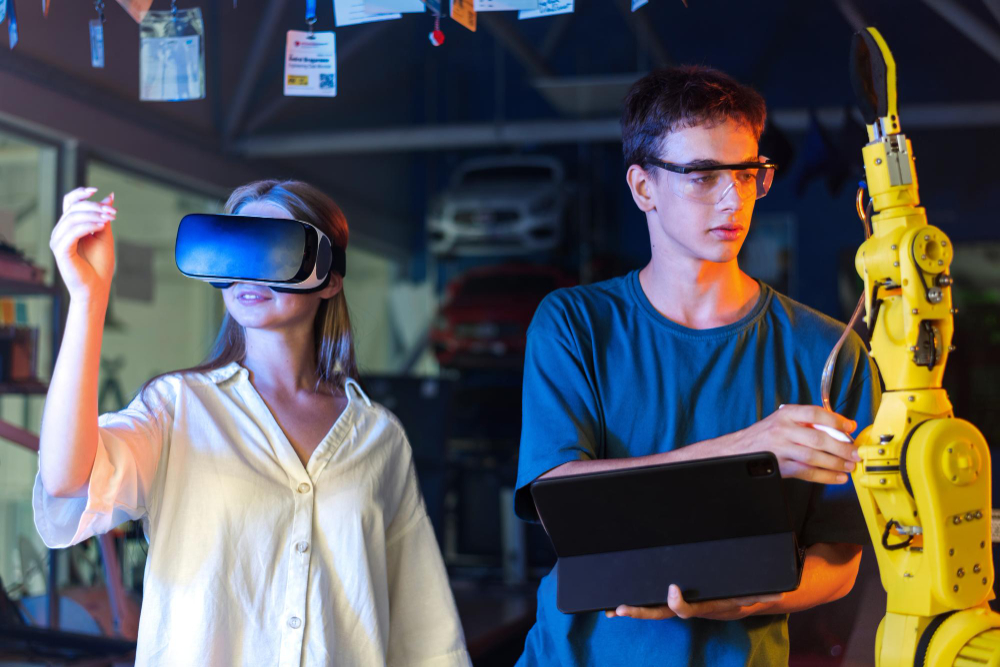
How Human Curiosity Leads to Technological Revolutions
Human curiosity is one of the most powerful forces behind scientific and technological progress. Long before formal laboratories and modern research institutions existed, people observed the world around them and asked fundamental questions: Why does fire burn? How do objects move? What causes disease? These simple questions have repeatedly led to discoveries that reshaped entire civilizations. At the core of every technological revolution is a moment of curiosity-driven inquiry. Unlike problem-solving that begins with a clear practical goal, curiosity often starts without immediate application. Scientists explore ideas because they are interesting, confusing, or unexplained. Over time, these explorations often reveal patterns and principles that become the foundation for entirely new technologies. Many major breakthroughs in history began as attempts to understand natural phenomena. Early investigations into electricity, for example, started with curiosity about static shocks and lightning. These observations eventually led to the development of electrical theory and, much later, the global power systems that define modern society. What began as a mystery in nature became one of the most important technological infrastructures in the world. Curiosity also drives experimentation. When scientists do not know the answer, they test different possibilities, often discovering unexpected results. This process of trial and error is essential for innovation. Some of the most transformative technologies emerged from accidental findings made by researchers who were simply exploring how systems behave under different conditions. Another important aspect of curiosity is its role in connecting different fields of knowledge. When researchers explore unfamiliar ideas, they often combine concepts from multiple disciplines. This interdisciplinary thinking leads to breakthroughs that would not be possible within a single field. For example, modern computing emerged from the intersection of mathematics, engineering, and logic, all driven by attempts to understand computation and information. Curiosity also fuels persistence. Scientific progress is rarely immediate, and many discoveries require years or even decades of investigation. Researchers who are driven by genuine interest are more likely to continue exploring difficult problems even when results are not immediately visible. This persistence is often what turns early ideas into full-scale technological revolutions. In modern times, curiosity continues to drive innovation in rapidly evolving fields such as artificial intelligence, biotechnology, and space exploration. Scientists and engineers are constantly asking new questions about intelligence, life, and the universe. These questions are leading to technologies that are reshaping communication, medicine, transportation, and even the way humans understand themselves. Technological revolutions often follow a predictable pattern: curiosity leads to exploration, exploration leads to discovery, and discovery leads to application. Once a new principle is understood, it can be developed, scaled, and integrated into society, often transforming industries and daily life in the process. However, curiosity alone is not enough. It must be supported by education, collaboration, and access to resources. Societies that encourage open inquiry and invest in research are more likely to experience rapid technological growth. This is why scientific institutions, universities, and innovation centers play such an important role in turning curiosity into real-world impact. Ultimately, human curiosity is the starting point of all technological progress. Every device, system, and innovation begins with someone asking a question and seeking an answer. As long as curiosity continues to drive exploration, technological revolutions will continue to shape the future of humanity.

The Science Behind Climate Research and Global Models
Climate research is one of the most complex and important fields in modern science. It seeks to understand how Earth’s climate system works, how it is changing over time, and what future conditions may look like. At the center of this effort are global climate models—advanced computational systems that simulate interactions between the atmosphere, oceans, land surfaces, and ice. Together, they help scientists interpret past trends and project future climate scenarios. The foundation of climate science is observation. Scientists collect data from satellites, weather stations, ocean buoys, and ice cores to understand how temperature, precipitation, and atmospheric composition have changed over time. These datasets provide a historical record that allows researchers to identify long-term patterns and distinguish natural variability from human-driven change. One of the key components studied in climate research is the Earth’s energy balance. The planet constantly receives energy from the Sun and radiates it back into space. When this balance is disrupted—such as through increased greenhouse gas concentrations—the global climate begins to shift. Understanding this balance is essential for predicting temperature changes and their broader environmental effects. Global climate models (GCMs) are the primary tools used to simulate these processes. They divide the Earth into a three-dimensional grid and use mathematical equations to represent physical laws such as fluid dynamics, thermodynamics, and radiation transfer. Each grid cell interacts with its neighbors, allowing the model to simulate large-scale climate behavior over time. Atmospheric modeling focuses on how air masses move, how clouds form, and how heat and moisture are distributed across the planet. Small changes in atmospheric conditions can lead to significant differences in weather patterns, making this component both essential and highly complex. Ocean modeling is equally important because oceans store and transport vast amounts of heat. Ocean currents influence global temperatures and regulate climate systems. By simulating these currents, scientists can better understand phenomena such as El Niño and long-term ocean warming trends. Another critical aspect of climate models is the representation of the carbon cycle. This includes how carbon dioxide is absorbed by plants, released through natural processes, and emitted through human activities. Since greenhouse gases are a major driver of climate change, accurately modeling carbon flows is essential for reliable predictions. Despite their sophistication, climate models are not perfect. They rely on assumptions, approximations, and limited resolution, which can introduce uncertainties. However, by comparing multiple models and running simulations under different scenarios, scientists can identify consistent trends and improve confidence in their projections. Validation is a crucial part of climate science. Researchers test models by comparing their outputs with observed data from past climate conditions. If a model can accurately reproduce known historical trends, it is considered more reliable for predicting future changes. This iterative process continuously improves model accuracy over time. Climate research is highly collaborative and international in scope. Scientists from around the world contribute data, share models, and work together to refine predictions. Organizations such as the Intergovernmental Panel on Climate Change (IPCC) synthesize this research to provide comprehensive assessments that inform global policy decisions. The importance of climate models extends beyond academic research. They are used to guide infrastructure planning, agricultural strategies, disaster preparedness, and environmental policy. By simulating different future scenarios, they help societies understand potential risks and develop adaptation strategies. Ultimately, climate research and global models represent a powerful combination of observation, physics, and computation. They transform vast amounts of data into meaningful insights about the Earth’s future. As computing power and scientific understanding continue to improve, these models will become even more precise, helping humanity navigate one of its most pressing global challenges.
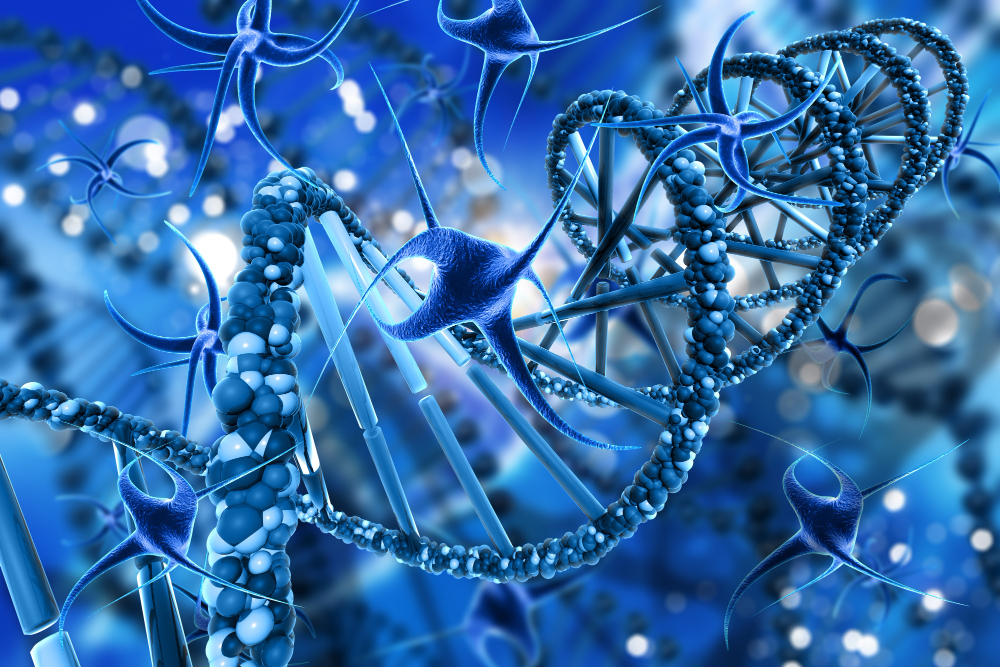
How Nanotechnology Is Changing the Future of Medicine
Nanotechnology is rapidly transforming modern medicine by enabling scientists to work at an incredibly small scale—at the level of atoms and molecules. This field focuses on designing and manipulating materials between 1 and 100 nanometers in size, where unique physical and chemical properties emerge. In healthcare, these properties are being used to develop more precise diagnostics, targeted therapies, and advanced drug delivery systems that could redefine how diseases are treated. One of the most promising applications of nanotechnology is in drug delivery. Traditional medications often affect both healthy and diseased cells, which can lead to unwanted side effects. Nanoparticles, however, can be engineered to carry drugs directly to specific cells or tissues in the body. This targeted approach increases treatment effectiveness while reducing harm to healthy organs, especially in diseases such as cancer. Cancer treatment in particular has seen major advancements through nanomedicine. Researchers are developing nanoparticles that can identify tumor cells and release medication only when they reach the affected area. Some systems are even designed to respond to specific conditions, such as pH changes or enzyme activity inside tumors. This level of precision represents a significant improvement over conventional chemotherapy methods. Nanotechnology is also improving medical diagnostics. Nanoscale sensors can detect extremely small amounts of biological markers in blood or tissue samples, allowing diseases to be identified at much earlier stages. Early detection is critical in conditions like cancer, cardiovascular disease, and neurodegenerative disorders, where treatment outcomes depend heavily on timing. Imaging technologies are another area benefiting from nanoscience. Nanoparticles can be used as contrast agents to enhance the clarity of MRI, CT, and ultrasound scans. This helps doctors see biological structures in greater detail, improving diagnostic accuracy and enabling more informed medical decisions. Beyond treatment and diagnostics, nanotechnology is also advancing regenerative medicine. Nanomaterials can be used to support tissue repair and stimulate cell growth. In some experimental approaches, nanoscale scaffolds are designed to mimic natural biological structures, helping damaged tissues regenerate more effectively. This could eventually lead to breakthroughs in healing injuries or repairing organs. Another emerging area is the development of nanosensors that can monitor health conditions in real time. These devices may be able to track glucose levels, detect infections, or monitor internal biological changes continuously. Integrated into wearable or implantable systems, they could provide constant health feedback and enable more proactive medical care. Despite its potential, nanomedicine also raises important challenges. Uncertain long-term safety of nanoparticles in the human body Regulatory approval and ethical considerations Manufacturing complexity and scalability issues Cost and accessibility are also important concerns. While nanotechnology has the potential to revolutionize healthcare, ensuring that these advancements are available to a wide population will require significant investment and global cooperation. Without this, the benefits of nanomedicine could remain limited to specialized healthcare systems. Even with these challenges, the future of nanotechnology in medicine is highly promising. As research continues, it is expected to lead to more personalized treatments, earlier disease detection, and more effective therapies with fewer side effects. The ability to operate at the nanoscale is opening new possibilities that were previously impossible in traditional medicine. Ultimately, nanotechnology is changing medicine by making it more precise, efficient, and responsive to individual patient needs. As scientific understanding grows, it is likely to become one of the most important tools in shaping the future of global healthcare.

How Early Thinkers Predicted Modern Technology
Long before the invention of computers, smartphones, or the internet, early thinkers were already imagining forms of technology that resemble the modern world. While they did not have the scientific tools we rely on today, philosophers, inventors, and writers used logic, observation, and imagination to predict ideas that would later become reality. Their insights often came from studying nature, mathematics, and human behavior, revealing patterns that pointed toward future technological possibilities. One of the most striking examples is the idea of automated machines. Ancient engineers and philosophers, including figures from Greek and Hellenistic traditions, designed mechanical devices that could move on their own or perform simple tasks. Although primitive compared to modern robotics, these early automata demonstrated a fundamental concept: machines could be built to replicate aspects of human labor. This idea eventually evolved into industrial machinery and modern robotics. In literature, early speculative thinkers also imagined communication systems that resemble today’s technologies. Some writers described devices that could transmit voices over long distances or allow people to communicate instantly without physical travel. While these ideas were once purely fictional, they closely resemble modern telephones, radios, and digital communication networks. Mathematics played a key role in shaping early predictions about technology. Thinkers who studied numbers, logic, and patterns often recognized that complex systems could be described and manipulated through formal rules. This insight laid the foundation for computing centuries later. The idea that reasoning could be reduced to symbolic operations eventually became the basis for modern computer science and programming. During the scientific revolution, thinkers began to connect natural laws with mechanical systems. The understanding that the universe operates according to consistent physical principles led to the belief that machines could replicate or simulate aspects of nature. This idea influenced early engineering designs and later contributed to the development of engines, electrical systems, and computational models. Some early philosophers also speculated about artificial intelligence in conceptual form. While they did not describe modern AI systems, they explored the idea of artificial reasoning and mechanical logic. These early discussions anticipated the modern goal of creating machines capable of decision-making, learning, and problem-solving. In the 19th and early 20th centuries, scientific progress began to turn many of these predictions into reality. The invention of electrical systems, telecommunication networks, and early computing machines confirmed that many ideas once considered speculative were achievable through scientific method and engineering. What had been imagination gradually became structured technological development. Science fiction writers of the 20th century further bridged the gap between imagination and reality. Authors described space travel, automated homes, digital information systems, and global communication networks long before they existed. While not all predictions were accurate, many captured the direction of technological progress with surprising accuracy, especially in areas like computing and aerospace exploration. The accuracy of early predictions can often be explained by careful observation of scientific trends. Thinkers who understood the principles of physics, mathematics, and engineering were able to extrapolate future possibilities from existing knowledge. Rather than random guessing, their predictions were based on logical extensions of what was already known. Modern technology often reflects ideas that were once considered impossible. Artificial intelligence, global communication networks, automation, and space exploration all have conceptual roots in earlier intellectual traditions. What has changed is not only the technology itself, but also the scientific ability to transform abstract ideas into practical systems. Ultimately, early thinkers predicted modern technology not through magic or chance, but through reasoning, imagination, and deep engagement with the natural world. Their visions remind us that technological progress is often preceded by intellectual curiosity and the willingness to imagine what does not yet exist. As science continues to advance, today’s ideas may become the foundations of tomorrow’s technologies.

The Evolution of Communication Technology Through Science
Communication technology has evolved through centuries of scientific discovery, transforming how humans share information, coordinate societies, and connect across vast distances. What began as simple physical signals has developed into a global digital network capable of transmitting data instantly across the planet. Each stage of this evolution is rooted in scientific principles that gradually turned abstract theory into practical communication systems. Early communication methods were based on physical observation and simple engineering. Smoke signals, drums, and carrier systems relied on line-of-sight or direct transport of messages. While effective for their time, these systems were limited by distance and speed. The demand for faster and more reliable communication drove societies to investigate the scientific principles of sound, light, and electricity. A major turning point came with the scientific study of electricity and magnetism. Discoveries in the 19th century revealed that electrical signals could travel through wires at high speeds. This led to the invention of the telegraph, one of the first technologies to enable near-instant communication over long distances. The telegraph fundamentally changed commerce, journalism, and military coordination by shrinking the perceived size of the world. The telephone followed soon after, building on electrical principles to transmit human voice signals. By converting sound waves into electrical signals and back again, scientists and engineers created a system that allowed real-time voice communication. This innovation marked a shift from coded messages to natural, conversational interaction across distances. In the 20th century, communication technology expanded further with the rise of radio and television. These systems relied on electromagnetic waves, a concept rooted in the theoretical work of physicists such as James Clerk Maxwell. Radio waves made it possible to broadcast information wirelessly, reaching large audiences simultaneously. Television added visual transmission, combining audio and imagery into a powerful medium for global communication and information sharing. The development of computers introduced a new phase in communication evolution. Digital information could now be encoded, stored, and transmitted as binary data. This shift allowed communication systems to become more flexible, accurate, and scalable. Early computer networks laid the groundwork for the internet, which would eventually become the most influential communication system in history. The internet itself is built on scientific principles of networking, data transmission, and information theory. It allows billions of devices to communicate through standardized protocols, enabling email, websites, social media, and real-time messaging. The underlying science ensures that data can be broken into packets, transmitted across multiple routes, and reassembled accurately at its destination. Mobile communication further extended these capabilities. Advances in semiconductor physics and wireless engineering made it possible to build compact devices capable of high-speed data transmission. Smartphones combine computing power, internet access, and wireless communication into a single portable system, fundamentally changing how people interact with information and each other. More recently, communication technology has entered the era of intelligent systems. Artificial intelligence is now used to translate languages, filter information, and personalize communication experiences. Machine learning algorithms help manage network traffic, optimize signal strength, and improve user interaction across digital platforms. Despite these advances, communication technology continues to evolve alongside scientific discovery. Emerging fields such as quantum communication and satellite-based internet promise even faster and more secure global connectivity. These developments are based on advanced physics and engineering principles that are still being explored and refined. The evolution of communication technology demonstrates a clear pattern: scientific discovery leads to new methods of transmitting information, which in turn reshape society. Each innovation is built upon earlier discoveries, forming a continuous chain of progress that links ancient signaling systems to modern global digital networks. Ultimately, modern communication systems are the result of centuries of scientific inquiry and technological refinement. As research continues, future communication technologies will likely become even faster, more intelligent, and more integrated into everyday life, further shrinking the distance between people and ideas around the world.

The Ethics of Modern Scientific Advancement
Modern science is advancing at an unprecedented pace, reshaping medicine, communication, energy systems, and even human identity itself. Alongside these breakthroughs comes an equally important challenge: understanding the ethical implications of what science makes possible. As our ability to modify nature, data, and biological systems grows, so too does the responsibility to ensure that these capabilities are used safely, fairly, and transparently. At the heart of this discussion is the concept of Scientific Ethics. This field examines how scientific work should be conducted and how its outcomes should be applied in society. It asks not only what can be done, but what should be done. In modern research environments, ethical frameworks are essential for balancing innovation with human well-being. One of the most prominent ethical challenges today is the rapid development of artificial intelligence and data-driven systems. As algorithms become more powerful, they increasingly influence decisions in hiring, healthcare, law enforcement, and finance. While these systems can improve efficiency, they also raise concerns about bias, transparency, and accountability. If an algorithm produces unfair outcomes, determining responsibility becomes a complex ethical issue. Medical science presents another area where ethics plays a central role. Advances in genetics, biotechnology, and personalized medicine have created new possibilities for treating diseases and extending human life. However, these developments also raise questions about genetic modification, data privacy, and equitable access to healthcare. The ability to edit genes introduces both life-saving potential and serious ethical debates about how far such interventions should go. Privacy is another major concern in the digital age. Scientific advancements in data collection and analysis allow researchers and companies to understand human behavior in unprecedented detail. While this can improve services and scientific understanding, it also creates risks related to surveillance and the misuse of personal information. Ethical science requires careful consideration of consent, transparency, and data protection. Environmental ethics is also increasingly important as science continues to shape how humanity interacts with the planet. Technological progress has historically driven industrial growth, but it has also contributed to climate change and resource depletion. Modern scientific advancement now includes the responsibility to develop sustainable solutions, reduce environmental harm, and ensure long-term ecological balance. Another ethical dimension involves access and inequality. Scientific progress often benefits some populations more quickly than others, leading to gaps in healthcare, technology, and education. Ensuring that advancements are distributed fairly across societies is a growing concern for researchers, governments, and global organizations. Without equitable access, scientific progress can unintentionally widen social and economic divides. The issue of dual-use research further underscores ethical complexity, as certain scientific discoveries may be applied for both beneficial and harmful purposes. For example, advances in biotechnology can lead to new medical treatments but could also be misused if not properly regulated. This creates a responsibility for scientists and institutions to carefully manage how knowledge is shared and applied. To address these challenges, many scientific institutions now incorporate ethical review processes into research development. These frameworks help evaluate potential risks, ensure compliance with regulations, and promote responsible innovation. International cooperation also plays a key role, as many ethical issues in science cross national boundaries and require global standards. Ultimately, the ethics of modern scientific advancement is about maintaining a balance between possibility and responsibility. Science has the power to solve some of humanity’s greatest challenges, but it must be guided by principles that prioritize human dignity, safety, and fairness. As scientific capabilities continue to grow, ethical reflection will remain essential to ensuring that progress benefits society as a whole.

How Mathematics Became the Language of Technology
Mathematics is often described as the universal language of science, but its role in technology is even more profound. Every modern technological system - from computers and smartphones to satellites and artificial intelligence - relies on mathematical principles. Over centuries, mathematics has evolved from a tool for counting and measurement into the foundational language used to design, describe, and optimize complex technological systems. Understanding how mathematics became the language of technology reveals why it is essential for innovation, engineering, and the digital world. The Mathematical Foundations of Technological Development The connection between mathematics and technology began long before modern computing existed. Early civilizations used mathematics for trade, construction, and astronomy. Egyptians and Babylonians developed basic arithmetic and geometry to build structures and track celestial movements, laying the groundwork for future scientific progress. During the development of classical physics, mathematics became increasingly important for describing natural laws. Scientists such as Isaac Newton and Gottfried Wilhelm Leibniz used calculus to model motion, forces, and change. These mathematical tools allowed engineers to predict physical behavior with precision, leading to advancements in mechanics, architecture, and transportation. In the 19th and 20th centuries, mathematics became essential for understanding electricity and communication systems. Equations developed by James Clerk Maxwell described electromagnetic waves, making it possible to design radios, televisions, and later wireless networks. Without mathematical modeling, modern communication technologies would not exist. The rise of computing further strengthened the relationship between mathematics and technology. Early computer science was built on logic, algorithms, and number theory. Binary systems, Boolean algebra, and computational logic provided the foundation for programming languages and digital circuits. These mathematical concepts allowed machines to process information efficiently and reliably. How Mathematics Powers Modern Digital Innovation Today, mathematics is at the core of nearly every technological advancement. In computer science, algorithms are built on mathematical logic that determines how software processes data, makes decisions, and solves problems. Search engines, recommendation systems, and navigation apps all depend on complex mathematical models. Artificial intelligence and machine learning are particularly dependent on advanced mathematics. Linear algebra, statistics, and probability theory enable machines to learn from data, recognize patterns, and make predictions. Neural networks, which form the basis of modern AI systems, are entirely mathematical structures designed to simulate aspects of human cognition. In engineering, mathematics ensures that systems are efficient, safe, and scalable. Whether designing bridges, airplanes, or microchips, engineers rely on equations and simulations to test performance before physical production. This reduces costs and improves reliability in real-world applications. Mathematics also plays a crucial role in cybersecurity. Encryption methods that protect online communication are based on number theory and complex algorithms. These systems secure financial transactions, personal data, and global digital infrastructure. As technology continues to evolve, mathematics remains the driving force behind innovation. Emerging fields such as quantum computing, data science, and robotics all depend heavily on mathematical research and development. In conclusion, mathematics has become the universal language of technology, as it offers a precise and reliable framework for describing, analyzing, and constructing complex systems. From ancient geometry to modern artificial intelligence, mathematics has continuously shaped technological progress and will remain essential for future innovation.

How Scientific Collaboration Drives Global Innovation
Scientific progress today is rarely the result of isolated effort. Instead, it is increasingly shaped by collaboration across countries, institutions, and disciplines. As research challenges become more complex, the need for shared knowledge and coordinated problem-solving has grown. This global exchange of ideas is one of the most powerful drivers of modern innovation. At its core, scientific collaboration allows researchers to combine expertise. A single laboratory may specialize in one area, such as molecular biology or data science, but many of today’s most important problems—like climate change or disease outbreaks—require knowledge from multiple fields. By working together, scientists can integrate different perspectives and develop more complete solutions than any single group could achieve alone. International cooperation is especially important in large-scale research. Projects such as particle physics experiments, space exploration missions, and climate modeling initiatives often require resources and expertise from multiple countries. These collaborations allow for the sharing of expensive equipment, massive datasets, and advanced computing systems, making research possible at a scale that would otherwise be unattainable. A key example of this collaborative model is large research networks that bring together thousands of scientists working toward a shared goal. In such systems, data is collected in one location, analyzed in another, and interpreted by experts around the world. This distributed approach accelerates discovery and ensures that findings are evaluated from multiple scientific perspectives. Digital communication technologies have significantly enhanced scientific collaboration. Tools such as cloud computing, video conferencing, and shared research platforms allow scientists to work together in real time, regardless of geographic location. This has transformed the speed at which research is conducted and reduced many of the barriers that once limited international cooperation. Open science initiatives have also contributed to global innovation. By making research data, publications, and tools publicly accessible, scientists enable others to build upon existing knowledge. This transparency reduces duplication of effort and encourages faster progress, particularly in urgent fields such as medicine and environmental science. Scientific collaboration also plays an important role in crisis response. During global health emergencies, researchers from different countries often share data and coordinate efforts to develop treatments and vaccines. This collective approach significantly reduces development time and improves the effectiveness of solutions. In addition to formal institutions, informal collaboration networks are increasingly important. Online communities, research forums, and interdisciplinary partnerships allow scientists to exchange ideas more freely than ever before. These connections often lead to unexpected innovations, as concepts from one field are applied creatively in another. However, global collaboration is not without challenges. Differences in funding, access to technology, political regulations, and intellectual property laws can sometimes slow down cooperation. Ensuring equitable participation among developed and developing regions remains an important goal for the scientific community. Despite these challenges, the benefits of collaboration far outweigh the difficulties. Shared knowledge accelerates discovery, reduces costs, and increases the reliability of scientific results. It also helps ensure that innovation is not confined to a single region but becomes a global effort that benefits humanity as a whole. Ultimately, scientific collaboration is one of the most important forces behind modern innovation. By connecting researchers across borders and disciplines, it transforms individual discoveries into collective progress. As global challenges continue to grow, collaboration will remain essential in shaping a more advanced and interconnected scientific future.

The Most Important Experiments in Scientific History
Scientific progress is built on experiments that test ideas, challenge assumptions, and reveal how the natural world truly works. While theories provide explanations, experiments provide evidence—and in many cases, a single well-designed experiment has been enough to change the course of science forever. Across centuries, certain experiments stand out for their lasting impact on physics, biology, chemistry, and modern technology. One of the earliest influential experiments in science is associated with Galileo Galilei. His studies of falling objects helped challenge long-held Aristotelian beliefs about motion. By systematically testing how objects accelerate, Galileo demonstrated that motion follows consistent mathematical laws, laying the foundation for modern physics and the scientific method itself. Another landmark moment in scientific history was the work of Isaac Newton. Although many of his contributions were theoretical, his experiments with optics—particularly his work with prisms—showed that white light is composed of multiple colors. This simple but powerful insight changed the understanding of light and helped establish experimental physics as a rigorous discipline. In the 19th century, Michael Faraday conducted experiments that revealed the relationship between electricity and magnetism. His discovery of electromagnetic induction showed that a changing magnetic field can produce electric current. This principle became the foundation of electric generators and modern power systems, directly influencing how electricity is produced today. The double-slit experiment, developed through various scientific stages and later central to quantum physics, revealed the wave-like behavior of light and matter. This experiment challenged classical ideas of reality and became a cornerstone of quantum mechanics. It demonstrated that particles such as electrons can behave like waves, fundamentally altering the understanding of nature at microscopic scales. In biology, one of the most important experimental breakthroughs came from the work of Gregor Mendel. Through meticulous experiments with pea plants, Mendel uncovered the fundamental principles of heredity. His work showed that traits are passed from parents to offspring through discrete units, now known as genes. Although initially overlooked, his experiments later became the foundation of modern genetics. Another revolutionary scientific achievement was the experiment that confirmed the structure of DNA. Building on earlier research, including critical X-ray diffraction work by Rosalind Franklin, scientists such as James Watson and Francis Crick helped establish the double-helix model. This discovery transformed biology, medicine, and biotechnology by explaining how genetic information is stored and transmitted. In the 20th century, the gold foil experiment conducted by Ernest Rutherford changed the understanding of atomic structure. By observing how alpha particles passed through thin gold foil, Rutherford discovered that atoms contain a small, dense nucleus. This overturned earlier models and led to the modern view of atomic physics. The Millikan oil drop experiment also played a key role in scientific history by measuring the charge of the electron. This provided one of the first precise values for a fundamental constant and helped confirm the discrete nature of electric charge, strengthening the foundation of modern particle physics. Each of these experiments represents a turning point where observation overcame assumption. They did not merely answer questions—they redefined the questions themselves. Their results led to new theories, new technologies, and entirely new scientific fields. Ultimately, the most important experiments in scientific history share a common trait: they transformed uncertainty into understanding. By testing ideas against reality, scientists have repeatedly reshaped human knowledge and expanded the boundaries of what is possible.

The Journey From Classical Science to Quantum Theory
The evolution of modern physics represents one of the most significant intellectual transformations in human history. For centuries, classical science provided a reliable framework for understanding motion, energy, and the natural world. However, as scientific knowledge expanded, researchers encountered phenomena that classical theories could not explain. This challenge led to the birth of quantum theory, a revolutionary field that changed humanity’s understanding of matter, energy, and reality itself. Exploring the journey from classical science to quantum theory reveals how scientific progress evolves through observation, experimentation, and the willingness to question established ideas. The Foundations of Classical Science Classical science was built upon the discoveries of scientists such as Galileo Galilei, Johannes Kepler, and Isaac Newton. Their work established the principles of motion, gravity, and mechanics that explained the behavior of objects in the physical world. Newton’s laws became the foundation of classical physics and allowed scientists to predict planetary motion, calculate forces, and design machines with remarkable accuracy. During the 18th and 19th centuries, classical physics expanded through developments in thermodynamics and electromagnetism. Scientists such as James Clerk Maxwell unified electricity and magnetism into a single theory, explaining how electromagnetic waves travel through space. These discoveries led to major technological innovations, including electrical systems, radios, and communication networks. Classical science relied heavily on the idea that the universe behaves according to predictable laws. If sufficient information about a system was available, scientists believed its future behavior could be predicted with precision. This deterministic worldview dominated scientific thinking for centuries and shaped engineering, astronomy, and industrial development. However, by the late 19th century, certain experiments began revealing inconsistencies that classical theories could not explain. Phenomena involving atoms, light, and radiation challenged existing scientific models and opened the door to a new understanding of physics. The Quantum Revolution in Modern Physics Quantum theory emerged as scientists attempted to explain behaviors occurring at the atomic and subatomic levels. One of the first major breakthroughs came from Max Planck, who proposed that energy is emitted in discrete units called quanta. This idea contradicted classical assumptions that energy flows continuously. Albert Einstein further advanced quantum theory by explaining the photoelectric effect, demonstrating that light behaves both as a wave and as particles called photons. His work provided strong evidence that classical physics alone could not fully explain microscopic phenomena. Later, scientists such as Niels Bohr, Werner Heisenberg, and Erwin Schrödinger developed mathematical models describing atomic structure and particle behavior. These theories introduced concepts such as wave-particle duality, uncertainty, and probability, fundamentally changing scientific understanding. Unlike classical science, quantum theory revealed that the behavior of particles cannot always be predicted with complete certainty. Instead, probabilities determine how particles interact and behave. This shift from deterministic laws to probabilistic models represented a major philosophical and scientific transformation. Quantum theory eventually became the foundation of modern technologies. Semiconductors, lasers, MRI scanners, and quantum computing all rely on principles developed through quantum mechanics. Today’s digital world would not exist without the discoveries made by early quantum physicists. The transition from classical science to quantum theory also changed how scientists approach knowledge itself. It demonstrated that scientific understanding evolves continuously and that even the most successful theories can be revised when new evidence emerges. In conclusion, the journey from classical science to quantum theory reflects the dynamic nature of scientific progress. Classical physics provided the foundation for understanding the macroscopic world, while quantum theory revealed the hidden complexities of matter and energy at microscopic scales. Together, these scientific revolutions continue to shape modern technology, research, and humanity’s understanding of the universe.
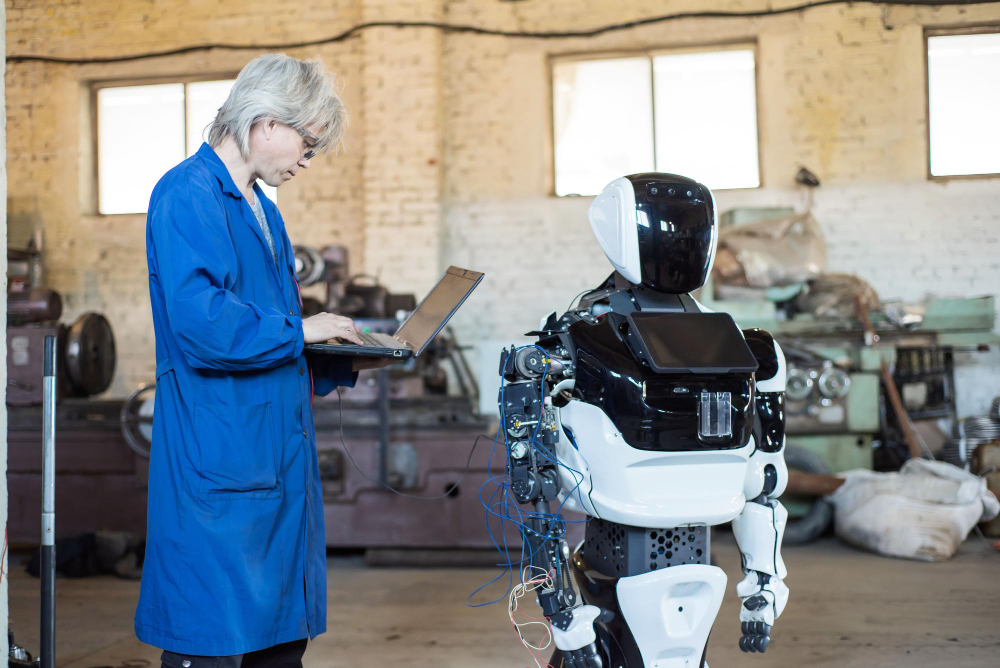
How Robotics Is Changing the Future of Work
Robotics is rapidly reshaping the global workforce, transforming how tasks are performed across industries ranging from manufacturing and healthcare to logistics and agriculture. As machines become more capable, adaptable, and intelligent, they are no longer limited to repetitive factory tasks but are increasingly taking on complex roles that require precision, coordination, and decision-making support. At the center of this transformation is the field of Robotics. Robotics combines mechanical engineering, electronics, and computer science to create systems that can interact with the physical world. Modern robots are often equipped with sensors, cameras, and AI-driven software that allow them to perceive their environment and respond in real time. One of the most visible impacts of robotics is in manufacturing. Automated production lines have significantly increased efficiency and consistency in industries such as automotive and electronics. Robots can perform tasks like welding, assembly, and packaging with high precision and speed, reducing errors and improving productivity. While this has reduced the need for certain manual roles, it has also created demand for skilled workers who can design, maintain, and program robotic systems. In logistics and supply chain management, robotics is revolutionizing warehouse operations. Automated guided vehicles and robotic picking systems are now widely used to sort, transport, and organize goods. These systems work alongside human workers, optimizing inventory management and reducing delivery times, especially in large-scale e-commerce operations. Healthcare is another area where robotics is having a major impact. Surgical robots assist doctors in performing minimally invasive procedures with greater accuracy and control. This results in smaller incisions, faster recovery times, and better patient outcomes. In addition, robotic systems are increasingly used for rehabilitation, patient support, and hospital operations, including the delivery of medications and medical supplies. Agriculture is also undergoing transformation through robotic technology. Autonomous machines can plant, monitor, and harvest crops with precision, reducing labor costs and increasing yield efficiency. Drones equipped with sensors help farmers monitor soil conditions, crop health, and irrigation needs, enabling more sustainable and data-driven farming practices. The rise of robotics is closely linked to advancements in artificial intelligence. Machine learning algorithms allow robots to improve their performance over time by analyzing data and adapting to new conditions. This has expanded their capabilities beyond fixed, pre-programmed tasks, enabling them to operate in more dynamic and unpredictable environments. While robotics improves efficiency, it also raises important questions about the future of employment. Some traditional jobs are being automated, leading to concerns about job displacement. However, at the same time, new roles are emerging in robot design, maintenance, data analysis, and system integration. The workforce is increasingly transitioning toward more technical and specialized roles. Education and skill development are becoming increasingly important in this transition. Workers are encouraged to gain knowledge in engineering, programming, and digital systems to adapt to changing job requirements. Governments and institutions are also investing in retraining programs to help workers transition into new roles created by automation. Ethical considerations are also included in the discussion. As robots take on more responsibilities, questions arise about safety, accountability, and decision-making in critical situations. Ensuring that robotic systems operate transparently and reliably is essential for building trust in automated environments. Ultimately, robotics is not replacing human work entirely but redefining it. By taking over repetitive and physically demanding tasks, robots allow humans to focus on creativity, problem-solving, and higher-level decision-making. As technology continues to advance, the future of work will likely be a collaboration between human intelligence and robotic efficiency, leading to more productive and innovative industries.

How Engineering Solved Humanity’s Biggest Problems
Engineering has always been at the heart of human progress. From the earliest tools created by ancient civilizations to today’s advanced digital systems, engineering has provided practical solutions to some of humanity’s most pressing challenges. Whether addressing transportation, communication, health, or energy, engineering transforms scientific knowledge into real-world applications that improve quality of life. Understanding how engineering solved humanity’s biggest problems highlights the critical role of innovation, design, and problem-solving in shaping modern society. Engineering Solutions That Transformed Human Survival and Society Throughout history, engineering has played a crucial role in improving human survival. One of the earliest examples is the development of agricultural systems. Ancient engineers designed irrigation systems, water channels, and storage methods that allowed societies to grow crops efficiently and sustain larger populations. These innovations laid the foundation for stable civilizations. The construction of infrastructure such as roads, bridges, and buildings also represents a major engineering achievement. The Roman Empire, for example, built extensive road networks that improved trade, communication, and military movement. Many of these engineering principles are still used in modern construction today. In the industrial era, mechanical engineering revolutionized production and transportation. The invention of steam engines enabled factories to produce goods at unprecedented scales, while railways and ships made global trade faster and more efficient. These advancements significantly improved economic development and connected distant regions of the world. Electrical engineering further transformed society by introducing electricity to homes, cities, and industries. The ability to generate and distribute electrical power solved critical problems related to lighting, communication, and industrial productivity. Innovations such as electric grids and communication systems reshaped modern civilization. Medical engineering has also been essential in solving health-related challenges. Technologies such as medical imaging, surgical instruments, and prosthetics have improved diagnosis, treatment, and rehabilitation. These innovations have saved millions of lives and increased global life expectancy. Modern Engineering and Solutions for Global Challenges Today, engineering continues to address some of the most complex global problems. Environmental engineering, for example, focuses on solving issues such as pollution, waste management, and climate change. Engineers develop renewable energy systems like solar panels and wind turbines to reduce dependence on fossil fuels and create sustainable energy sources. Civil and structural engineering play a key role in building resilient infrastructure capable of withstanding natural disasters. Earthquake-resistant buildings, flood control systems, and advanced urban planning help protect communities and reduce damage from environmental hazards. In the digital age, software and computer engineering have revolutionized how humans solve problems. The development of the internet, cloud computing, and artificial intelligence has enabled global communication, automation, and data-driven decision-making. These technologies improve efficiency in industries such as healthcare, finance, and education. Aerospace engineering has expanded human exploration beyond Earth. Space missions, satellites, and rockets have provided valuable information about the universe while also improving communication and navigation systems on Earth. These achievements demonstrate how engineering extends human capabilities far beyond traditional limits. Looking toward the future, engineering will continue to play a vital role in addressing global challenges such as sustainable development, resource scarcity, and technological ethics. Innovations in robotics, biotechnology, and smart systems are expected to further transform society. In conclusion, engineering has continually addressed humanity’s greatest challenges by turning scientific knowledge into practical solutions. From ancient infrastructure to modern digital systems, engineering has shaped civilization and improved quality of life. As global challenges continue to evolve, engineering will remain essential in building a safer, more efficient, and more sustainable future.
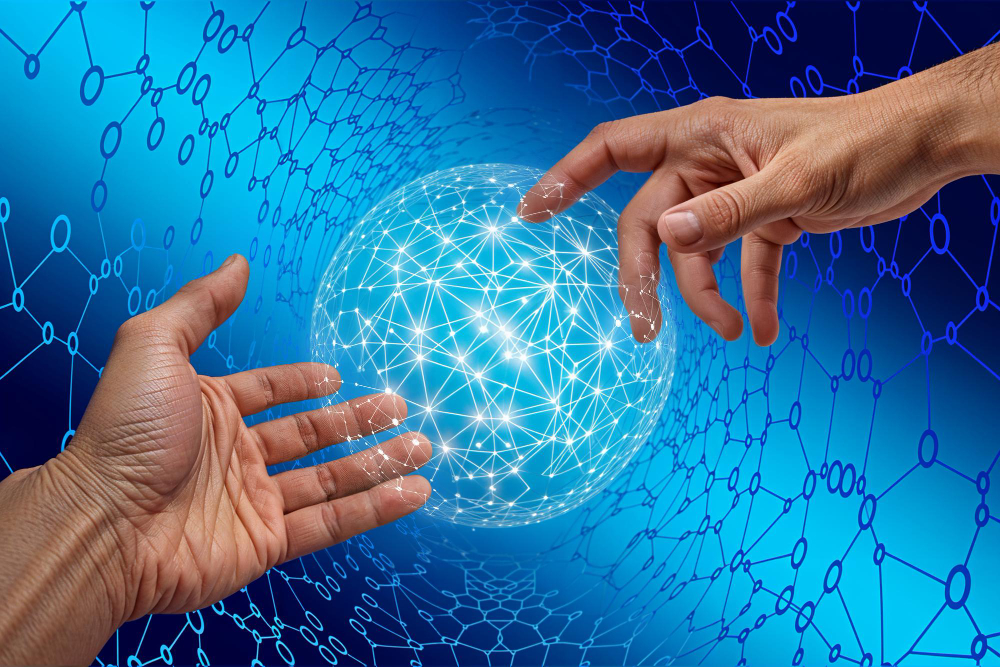
The Connection Between Biology and Modern Technology
Biology and modern technology are increasingly interconnected, shaping one another in ways that are transforming medicine, industry, and everyday life. What was once a purely natural science focused on studying living organisms has now become a foundation for technological innovation. At the same time, advances in computing, engineering, and data science are allowing biologists to explore life at levels of detail that were previously impossible. One of the most important areas where biology and technology intersect is medicine. Biomedical engineering combines biological knowledge with technological tools to develop medical devices, diagnostic systems, and treatments. Technologies such as MRI scanners, prosthetic limbs, and implantable devices all rely on biological understanding to function effectively within the human body. A major breakthrough in this field is the rise of biotechnology, which uses biological systems to create new products and solutions. This includes the development of vaccines, genetic therapies, and bioengineered tissues. By understanding how cells, proteins, and DNA function, scientists can design targeted treatments that address diseases at their molecular source rather than just treating symptoms. The study of genetics has also been transformed by technology. High-speed sequencing machines allow scientists to decode entire genomes quickly and affordably. This has led to personalized medicine, where treatments are tailored to an individual’s genetic profile. It has also improved disease prediction, enabling earlier interventions for conditions such as cancer and inherited disorders. Computing plays a central role in modern biological research. Large datasets generated from experiments require powerful algorithms to analyze patterns and relationships. Fields such as bioinformatics combine computer science and biology to interpret genetic data, model protein structures, and simulate biological processes. Without modern computing technology, much of this analysis would be too complex to perform manually. Another important connection is the development of bio-inspired technology. Engineers and scientists often study biological systems to design more efficient machines and algorithms. For example, the mechanics of bird flight have inspired drone design, while neural networks in artificial intelligence are loosely modeled on the structure of the human brain. These natural models provide efficient solutions to complex engineering problems. Robotics also benefits from biological principles. Researchers study animal movement and human biomechanics to design robots that move more efficiently and adapt to different environments. This field, known as biomimetics, helps create systems that are more flexible, energy-efficient, and capable of operating in unpredictable conditions. In agriculture, biological science and technology work together to improve food production. Genetic modification and selective breeding are used to create crops that are more resistant to disease, drought, and pests. At the same time, sensor technologies and data analytics help monitor soil conditions and optimize irrigation, making farming more efficient and sustainable. Environmental science is another area where biology and technology overlap. Tools such as satellite imaging, DNA sampling, and climate modeling allow scientists to monitor ecosystems and biodiversity with great precision. These technologies help track environmental changes, protect endangered species, and manage natural resources more effectively. Despite these advancements, the integration of biology and technology raises important ethical questions. Issues such as genetic editing, data privacy in healthcare, and the use of artificial biological systems require careful regulation. Scientists and policymakers must balance innovation with responsibility to ensure that these technologies are used safely and fairly. Ultimately, the connection between biology and modern technology represents a powerful partnership between understanding life and applying that knowledge through innovation. As both fields continue to evolve, their collaboration will likely lead to even more advanced medical treatments, intelligent systems, and sustainable solutions that shape the future of humanity.

How Data Science Is Transforming Global Industries
Data science has become one of the most influential forces driving change across global industries. By combining statistics, computing, and domain expertise, it enables organizations to extract meaningful insights from vast amounts of data. In a world where digital information is generated at an unprecedented scale, data science is reshaping how businesses operate, make decisions, and innovate. At its core, data science relies on the systematic analysis of large datasets to identify patterns, trends, and relationships. These insights help organizations move from intuition-based decision-making to evidence-based strategies. Whether in healthcare, finance, manufacturing, or retail, data-driven approaches are improving efficiency, reducing costs, and increasing competitiveness. In the financial sector, data science is used to detect fraud, assess risk, and optimize investment strategies. Machine learning models can analyze transaction patterns in real time to identify suspicious activity, helping institutions prevent financial crimes. Additionally, algorithmic trading systems use data-driven predictions to execute transactions at high speed, responding to market changes within milliseconds. Healthcare is another industry experiencing significant transformation. By analyzing patient records, genetic information, and medical imaging data, data science helps doctors make more accurate diagnoses and develop personalized treatment plans. Predictive analytics can also identify patients at risk of developing certain conditions, enabling earlier intervention and improved outcomes. In retail and e-commerce, data science plays a central role in understanding customer behavior. Companies analyze purchasing patterns, browsing history, and feedback to personalize recommendations and improve user experience. This level of personalization not only increases customer satisfaction but also drives sales and brand loyalty. Manufacturing industries are also benefiting from data-driven systems. Known as smart manufacturing or Industry 4.0, this approach uses sensors and real-time analytics to monitor equipment performance, predict maintenance needs, and optimize production processes. By reducing downtime and improving efficiency, data science helps manufacturers operate more reliably and cost-effectively. Transportation and logistics have been transformed by data science as well. Companies use real-time data to optimize delivery routes, reduce fuel consumption, and improve supply chain efficiency. Ride-sharing platforms rely on predictive models to match drivers with passengers and balance demand across different regions. In the energy sector, data science is used to forecast electricity demand, manage smart grids, and integrate renewable energy sources more effectively. By analyzing consumption patterns and environmental conditions, energy providers can improve reliability and reduce waste, contributing to more sustainable systems. Marketing and media industries also rely heavily on data science. Advertising platforms use behavioral data to target audiences more precisely, ensuring that content reaches the right users. Streaming services analyze viewing habits to recommend content and keep users engaged, fundamentally changing how media is consumed. Despite its advantages, data science also raises important ethical and social concerns. Issues such as data privacy, algorithmic bias, and transparency are becoming increasingly important as data-driven systems influence more aspects of daily life. Ensuring responsible data use is essential for maintaining trust and fairness in digital systems. The demand for skilled data scientists continues to grow as industries recognize the value of data-driven decision-making. This has led to increased investment in education, training, and research in fields such as machine learning, artificial intelligence, and statistical modeling. Ultimately, data science is transforming global industries by turning raw information into actionable knowledge. As technology continues to evolve, its role will only become more central in shaping how organizations operate and how societies function in the digital age.

The Science Behind Renewable Energy Innovations
Renewable energy has become one of the most important areas of scientific and technological development in the modern world. As global energy demand continues to rise and concerns about climate change intensify, researchers are focusing on cleaner, more sustainable ways to generate power. At the core of these innovations are fundamental principles from physics, chemistry, and engineering that make it possible to convert natural resources into usable energy. One of the most widely used renewable energy sources is solar power. Solar energy is based on the Photovoltaic Effect, a physical phenomenon in which photons from sunlight knock electrons loose in a semiconductor material, generating an electric current. Modern solar panels are designed to maximize this effect by using highly efficient semiconductor materials, improving energy conversion rates and reducing costs over time. Wind energy is another major contributor to renewable power systems. It is based on the conversion of kinetic energy from moving air into mechanical energy, and then into electricity through turbines. The efficiency of wind turbines depends on aerodynamic design, blade length, and wind speed consistency. Advances in fluid dynamics and materials science have allowed engineers to build larger and more efficient turbines, capable of generating significant power even in offshore environments. Hydropower remains one of the oldest and most established renewable energy technologies. It relies on gravitational potential energy stored in water at elevation. When water flows downward through turbines, this energy is converted into electricity. Modern hydropower systems are highly optimized to balance energy production with environmental considerations, ensuring minimal disruption to ecosystems while maximizing efficiency. Energy storage is a critical component of renewable energy systems. Since sources like solar and wind are intermittent, storing excess energy is essential for maintaining a stable power supply. Battery technology, particularly lithium-ion systems, has advanced significantly due to improvements in electrochemistry. Researchers are now exploring solid-state batteries and other alternatives that offer higher energy density, faster charging, and improved safety. Another promising area is hydrogen energy. Hydrogen can be produced through electrolysis, a process that uses electricity to split water into hydrogen and oxygen. When powered by renewable energy, this process produces a clean fuel that can later be used in fuel cells to generate electricity without emitting carbon dioxide. Hydrogen has the potential to support industries that are difficult to electrify, such as heavy transport and steel production. Geothermal energy is also gaining attention as a stable and continuous energy source. It utilizes heat from beneath the Earth’s surface, which originates from radioactive decay and residual planetary heat. By drilling into geothermal reservoirs, engineers can access steam or hot water to drive turbines and generate electricity. This form of energy is highly reliable and not dependent on weather conditions. Modern renewable energy systems increasingly rely on digital technologies as well. Smart grids use sensors, automation, and data analytics to balance energy supply and demand in real time. Artificial intelligence helps predict energy production from weather patterns, optimize distribution, and integrate multiple energy sources efficiently. Despite significant progress, challenges remain. Energy storage limitations, infrastructure costs, and geographic constraints can affect the scalability of renewable technologies. Researchers continue to work on improving efficiency, reducing material costs, and developing new energy conversion methods to overcome these barriers. The science behind renewable energy innovations demonstrates how deeply interconnected different scientific fields are. Physics explains energy conversion, chemistry improves materials and storage systems, and engineering turns theory into practical infrastructure. Together, these disciplines are driving the transition toward a more sustainable global energy future. Ultimately, renewable energy is not just a technological shift but a scientific one. As research continues to advance, it is expected that renewable systems will become even more efficient, accessible, and central to how the world produces and consumes energy.

How Space Exploration Advances Human Knowledge
Space exploration represents one of the most ambitious scientific efforts in human history. By studying planets, stars, and cosmic phenomena beyond Earth, scientists gain insights that reshape our understanding of physics, chemistry, biology, and the origins of the universe. Each mission beyond our planet contributes not only to technological progress but also to fundamental knowledge about existence itself. One of the most important contributions of space exploration is the advancement of astrophysics and cosmology. Observations from telescopes and space probes have revealed that the universe is far more complex than once imagined. Discoveries such as black holes, exoplanets, and cosmic microwave background radiation have helped scientists refine theories about the origin and evolution of the universe. These findings continue to challenge and expand existing models of space and time. Space missions also improve our understanding of planetary science. By sending robotic explorers to Mars, Venus, and other celestial bodies, scientists can analyze surface composition, atmospheric conditions, and geological history. This research helps answer fundamental questions about how planets form and whether conditions for life exist elsewhere in the universe. The study of Mars, in particular, has provided valuable clues about the possibility of ancient water and microbial life. Technological innovation is another major outcome of space exploration. Many technologies originally developed for space missions have been adapted for use on Earth. Satellite imaging, GPS navigation, and advanced materials used in spacecraft have all become essential in everyday life. These innovations demonstrate how space research drives practical benefits far beyond its original scientific goals. Space exploration has also contributed significantly to advancements in physics and engineering. The need to operate in extreme environments has led to the development of highly efficient propulsion systems, lightweight materials, and advanced robotics. These technologies are not only used in space missions but also influence industries such as aviation, transportation, and energy. In addition to technological progress, space exploration plays a key role in understanding Earth itself. Satellites provide critical data on climate patterns, ocean currents, deforestation, and natural disasters. This information helps scientists monitor environmental changes and develop strategies to address global challenges such as climate change and resource management. The search for extraterrestrial life is another area where space exploration expands human knowledge. Missions that study planetary atmospheres and detect chemical signatures help scientists evaluate the conditions necessary for life. Even if no life is found elsewhere, the process deepens understanding of how life developed on Earth and what conditions make it possible. International collaboration is also a defining feature of modern space exploration. Large-scale missions often involve cooperation between multiple countries and space agencies. This global effort allows for shared resources, expertise, and data, making scientific progress faster and more comprehensive. Projects such as space stations and joint planetary missions highlight the importance of collaboration in advancing human knowledge. Despite its achievements, space exploration also presents significant challenges. The high cost of missions, technical limitations, and risks to human life require careful planning and innovation. However, these challenges often lead to breakthroughs in engineering, materials science, and automation that benefit other fields of research. Ultimately, space exploration is more than just a pursuit of distant worlds—it is a means of understanding our place in the universe. By studying space, humanity gains deeper insight into fundamental scientific principles and discovers technologies that transform life on Earth. As exploration continues, it will remain a powerful driver of knowledge, innovation, and curiosity about the cosmos.

The Technology That Will Define the Next 50 Years
The next 50 years of technological development are expected to be shaped by rapid advances in computing, energy systems, biology, and materials science. While it is impossible to predict the future with certainty, current scientific trends provide strong indicators of the technologies that will likely define the coming decades and reshape global society. One of the most influential areas is artificial intelligence. Modern AI systems are already transforming industries through automation, data analysis, and decision-making support. Over the next decades, AI is expected to become more autonomous, capable of handling complex tasks in science, engineering, healthcare, and governance. This progression could fundamentally change how humans interact with machines and how organizations operate. Closely related to AI is the development of advanced robotics. Future robots are likely to move beyond controlled environments such as factories and warehouses into more dynamic settings like homes, hospitals, and cities. These systems will combine machine learning, sensors, and mechanical engineering to perform tasks that require adaptability and precision. As a result, robotics may become deeply integrated into everyday life and essential infrastructure. Another major driver of future change is quantum computing. Based on the principles of quantum mechanics, these systems process information in fundamentally different ways compared to classical computers. If fully realized at scale, quantum computers could solve problems in cryptography, materials science, and complex simulations that are currently beyond reach. This could accelerate innovation across multiple scientific fields. Energy technology will also play a defining role in the next 50 years. Advances in renewable energy, energy storage, and nuclear fusion have the potential to reshape global power systems. In particular, fusion energy—if successfully commercialized—could provide a near-limitless, low-emission energy source. Combined with smart grids and efficient storage systems, this could significantly reduce dependence on fossil fuels. Biotechnology is another field expected to undergo dramatic transformation. Techniques such as gene editing, personalized medicine, and synthetic biology are likely to become more advanced and widely used. These technologies could enable the treatment of previously incurable diseases, extend human lifespan, and even allow the design of biological systems with customized functions. Nanotechnology may also become increasingly important. By manipulating matter at the atomic and molecular scale, scientists can create new materials with unique properties. These could be used in medicine, electronics, energy storage, and manufacturing. Nanotechnology has the potential to make systems smaller, more efficient, and more powerful than current designs allow. Space technology is expected to expand significantly as well. Private companies and national agencies are investing in missions to the Moon, Mars, and beyond. In the coming decades, space infrastructure such as orbital stations, lunar bases, and satellite networks may become more common. This expansion could open new opportunities for scientific research, resource utilization, and even long-term human settlement beyond Earth. Digital communication technologies will continue evolving toward greater speed, connectivity, and immersion. Future systems may integrate augmented reality, virtual reality, and real-time translation into everyday communication. The boundary between physical and digital environments may become increasingly blurred, changing how people work, learn, and interact socially. At the same time, these advancements will raise important ethical and societal questions. Issues such as data privacy, automation and employment, environmental impact, and technological inequality will require careful management. The way societies address these challenges will influence how beneficial these technologies ultimately become. Ultimately, the next 50 years will likely be defined by the convergence of multiple scientific fields working together. Rather than a single breakthrough, it will be the interaction between AI, energy systems, biotechnology, computing, and space exploration that shapes the future. These technologies will not only redefine industries but also transform the structure of daily life and human civilization itself.
Science Books

The Minds That Changed Science: Key Figures Who Redefined Human Knowledge
This book explores the lives and ideas of the scientific thinkers who transformed human understanding of the world. It reveals how groundbreaking discoveries and bold challenges to accepted beliefs reshaped science, society, and the way people perceive reality. Through its chapters, readers discover the evolution of scientific inquiry, the controversies surrounding revolutionary ideas, and the lasting influence of the minds whose discoveries continue to shape the modern world.
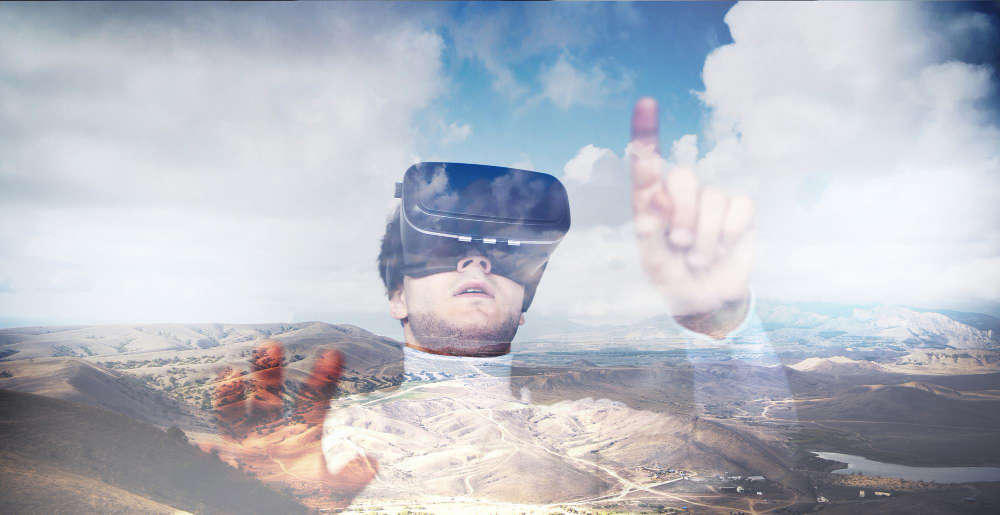
From Theory to Reality: How Scientific Breakthroughs Shape the Modern World
This book explores how scientific theories evolve from abstract ideas into innovations that transform the modern world. It reveals how discoveries in science and engineering are applied to create technologies that reshape industries, societies, and everyday life. Through its chapters, readers discover the journey from experimentation to practical application, examining how major breakthroughs changed human civilization and how emerging scientific advances continue to shape the future.

Inventors of the Digital Age: The People Behind Modern Technology
This book explores the innovators and visionaries who built the foundations of the digital age and transformed modern technology. From early computing pioneers to the creators of software, networks, and connected devices, it reveals how their ideas reshaped communication, business, and everyday life. Through its chapters, readers discover the breakthroughs that fueled the digital revolution and the emerging innovators whose technologies continue to shape the future of the modern world.

The Invisible Universe: Scientists Who Revealed What Cannot Be Seen
This book explores the scientists and discoveries that revealed the hidden layers of the universe beyond human sight. From microscopic organisms and atomic structures to distant cosmic signals and invisible forces, it shows how science expanded humanity’s understanding of reality. Through its chapters, readers discover the tools, theories, and breakthroughs that allowed researchers to study what cannot be directly seen, uncovering the invisible worlds that shape life, matter, and the universe itself.
Code, Circuits, and Consciousness: The Evolution of Modern Computing
This book explores the evolution of modern computing, tracing its journey from simple mechanical logic to complex systems that shape today’s digital world. It shows how breakthroughs in hardware, software, and networking transformed computing into a driving force of global innovation. Through its chapters, readers discover how early machines of logic led to silicon-based revolutions, how programming and networks created digital intelligence, and how emerging AI technologies are pushing computing toward new questions about consciousness and human interaction.

Pioneers of Physics: How Great Thinkers Unlocked the Laws of Nature
This book explores the pioneers of physics who helped uncover the fundamental laws governing the universe. It traces the evolution of physical science from early philosophical ideas to groundbreaking modern theories that reshaped humanity’s understanding of reality. Through its chapters, readers discover how classical physics emerged from scientific revolution, how relativity and quantum theory transformed our view of nature, and how physics continues to influence technology and deepen our understanding of the universe.

The DNA Revolution: Scientists Who Decoded the Blueprint of Life
This book explores the scientific journey that led to the discovery and understanding of DNA, the blueprint of life. It highlights the researchers and breakthroughs that transformed biology and revealed how life is encoded at the molecular level. Through its chapters, readers discover the race to uncover DNA’s structure, the rise of genomics and genetic mapping, and the revolutionary impact of genetic engineering on medicine and the future of human health.
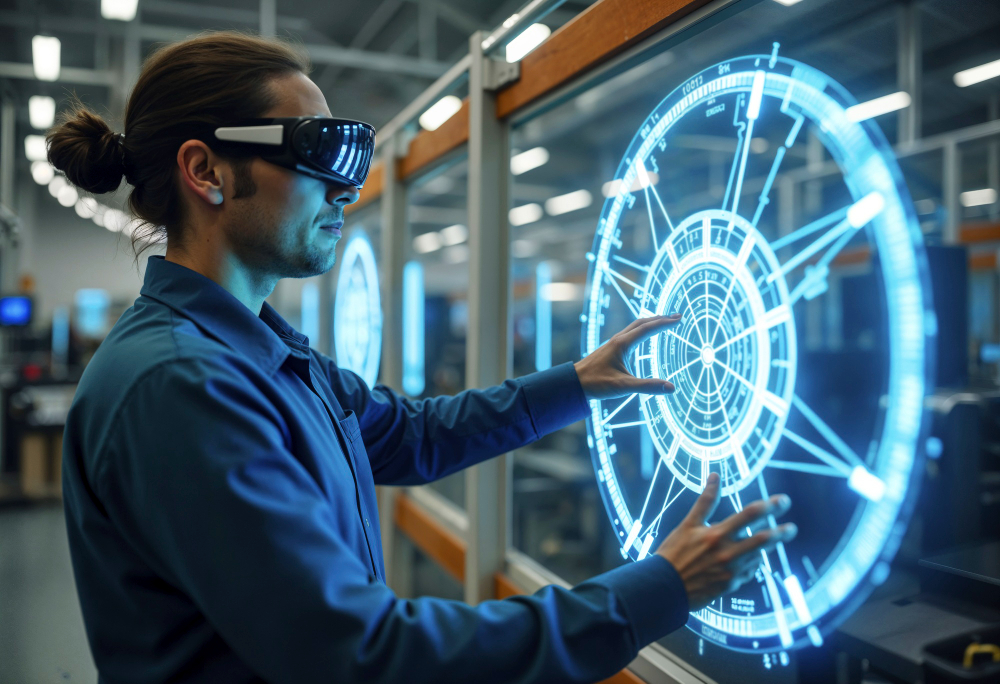
Engineering the Future: The Visionaries Behind Global Innovation
This book explores the engineers and visionaries who have shaped the modern world through innovation and design. It highlights how engineering ideas evolve into real-world systems that power infrastructure, technology, and global development. Through its chapters, readers discover how groundbreaking projects move from concept to creation, how interconnected systems support everyday life, and how emerging technologies are paving the way for the future of engineering.

The Space Race Legacy: How Humanity Reached Beyond Earth
This book explores the history and legacy of humanity’s journey into space, from early dreams of exploration to the monumental achievements of the Space Race. It highlights how scientific ambition and global competition pushed the boundaries of what was possible beyond Earth. Through its chapters, readers discover the origins of rocket science, the intense rivalry of the Cold War era, the breakthroughs of lunar missions, and the lasting impact of space exploration on modern technology and future interplanetary ambitions.

Artificial Intelligence and the Architects of Machine Intelligence
This book explores the development of artificial intelligence and the visionaries who shaped machine intelligence from its earliest concepts to today’s advanced systems. It traces how ideas in computing evolved into technologies that can learn, adapt, and influence modern society. Through its chapters, readers discover the origins of thinking machines, the rise of machine learning and algorithms, the real-world impact of AI across industries, and the ethical questions surrounding the future of intelligent systems.