






Skincare Articles
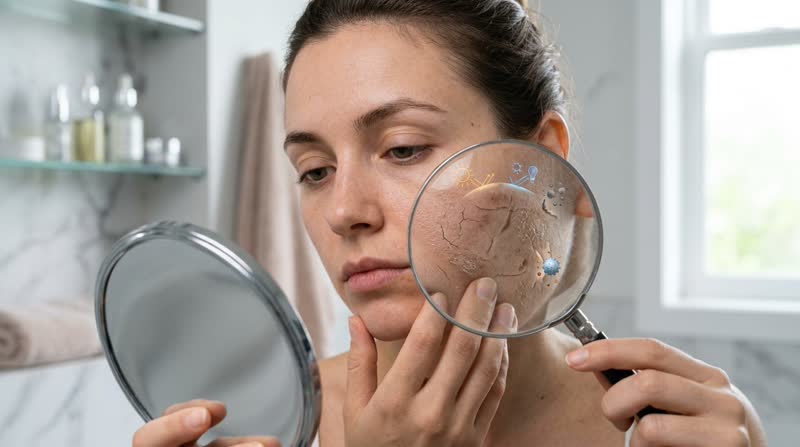
You’re Probably Ruining Your Skin Without Even Knowing It
Your skin is the largest organ in your body, yet it is often ignored in everyday care. Many people feel like they are doing everything correctly - cleansing regularly, applying skincare products, and following online trends. However, even with good intentions, small daily habits can slowly affect the skin in ways people don’t immediately notice. One of the most common mistakes is washing the face too frequently or using very harsh cleansers. While it may seem like stronger or more frequent cleansing will keep the skin cleaner, it can actually remove the natural oils that protect it. When this happens, the skin barrier becomes weaker, which can lead to dryness, irritation, and even more oil production as the skin tries to rebalance itself. Another important factor that is often ignored is sun protection. Many people skip sunscreen or only use it during warm, sunny months, but UV exposure affects the skin all year round. It contributes to early signs of aging, uneven pigmentation, and long-term damage that builds up over time without being immediately visible. It is also very easy to overcomplicate a skincare routine. With so many products available—serums, toners, acids, and retinoids - people often layer too many active ingredients at once. Instead of improving the skin, this can overwhelm it and disturb its natural balance. In many cases, fewer products used consistently give better results than a long and complicated routine. Choosing the wrong products for your skin type is another issue that can make things worse. What works well for oily skin may not suit dry or sensitive skin at all. When products do not match the skin’s needs, they can cause irritation or worsen existing concerns instead of helping them. Throughout the day, people also tend to touch their face without thinking about it. This transfers bacteria, oil, and dirt from the hands to the skin, which can contribute to breakouts and irritation. In the same way, items like pillowcases, phones, and makeup tools can collect buildup and affect the skin if they are not kept clean. Hydration is another step that is often misunderstood. Some people believe that oily skin does not need moisture, but every skin type requires proper hydration. When the skin lacks moisture, it can become unbalanced and may even produce more oil to compensate, which can make skin issues worse instead of better. Overall, healthy skin does not come from complicated routines or constantly changing products. It comes from understanding your skin, keeping things simple, and being consistent with basic care. Small daily habits matter more than most people realize, and over time, they can make a significant difference in how your skin looks and feels.
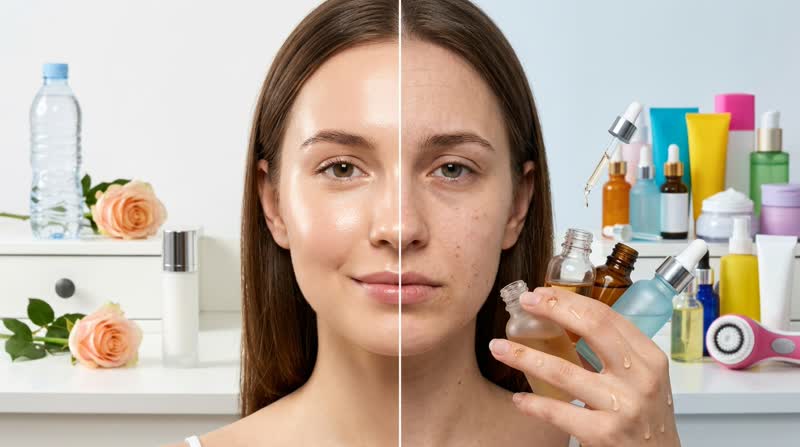
This One Habit Is Destroying Your Glow (Without You Realizing It)
If your skin has been looking dull, uneven, or tired no matter what products you use, the issue might not be your skincare products at all. In many cases, the real problem is a simple daily habit that quietly damages your skin over time without you even realizing it. Most people assume they just need better products or a more complicated routine, but the truth is often the opposite. The real problem: your skin barrier is being damaged Your skin barrier is a protective layer that keeps moisture in and harmful irritants out. When it is healthy, your skin looks smooth, hydrated, and naturally glowing. When it becomes damaged, your skin can start to feel dry, tight, sensitive, or even oily in unusual areas. Breakouts become more frequent, and the overall texture looks uneven or irritated. The frustrating part is that many people damage this barrier while trying to improve their skin. One of the biggest causes is over-cleansing. Washing your face is important, but doing it too often or using harsh cleansers can strip away the natural oils your skin actually needs. These oils are not something to remove completely- they help protect and balance your skin. When they are washed away too aggressively, the skin can become irritated and start producing even more oil to compensate. This often leads to more breakouts instead of fewer. Over-exfoliating and using too many products Another common issue is over-exfoliating. Exfoliation is useful because it removes dead skin cells and improves texture and brightness, but when it is done too often, it starts damaging the skin instead of helping it. Scrubs, acids, and strong active ingredients like retinoids can all be beneficial, but only in moderation. Overuse can lead to redness, sensitivity, and long-term weakening of the skin barrier. A similar problem comes from using too many products at once. Modern skincare culture often promotes complex routines with multiple steps and active ingredients layered together. While it may look effective, your skin does not always respond well to complexity. Too many active ingredients can overwhelm the skin, leading to irritation, breakouts, and an unbalanced texture instead of improvement. Why your skin never gets a chance to recover Another thing people overlook is recovery time. Skin does not improve instantly. It needs time to repair and maintain balance. Constantly switching products or trying new routines does not give your skin barrier a chance to stabilize. Without consistency, the skin stays in a cycle of irritation and never fully recovers, which prevents your natural glow from returning. The simple way to fix it The reality is that most people do not need more skincare products—they need a simpler routine. A gentle cleanser, a basic moisturizer, and daily sunscreen are often enough to maintain healthy skin. When the skin barrier is supported instead of constantly challenged, it naturally becomes calmer, smoother, and more radiant. Glowing skin is not something you achieve by doing more. It is something you achieve by doing less, but doing it correctly. When you stop overloading your skin and give it time to heal, your natural glow returns on its own.
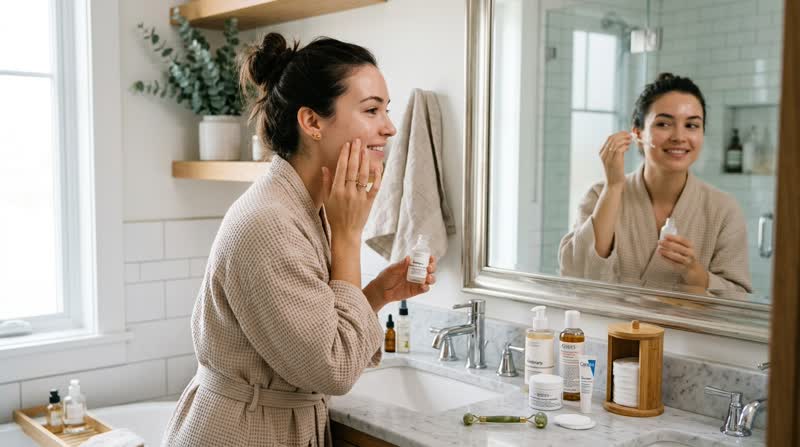
Dermatologists Don’t Want You to Ignore This Step
If you are following a skincare routine but still dealing with dullness, breakouts, or uneven texture, the problem might not be your products. In fact, most dermatologists agree that one of the most important steps in skincare is also the most ignored or underestimated. And without it, even the best products won’t give you the results you expect. That step is protecting and maintaining your skin barrier—especially through consistent sun protection. Why your skin barrier matters more than you think Your skin barrier is a protective outer layer that keeps moisture in and harmful irritants out. When it is strong, your skin looks smooth, hydrated, and naturally healthy. But when it is damaged, everything starts to go wrong at once. You may notice dryness, sensitivity, redness, breakouts, or an overall “tired” appearance that doesn’t improve no matter how many products you try. Many people focus only on treating visible problems like acne or dark spots, but ignore the root cause underneath: a weakened skin barrier that cannot properly repair itself. The most ignored skincare step: daily sun protection Dermatologists consistently emphasize one step above all others - SPF. Yet it is also the step most people skip or underestimate. Sunscreen is not just for summer or beach days. UV rays are present every day, even when it is cloudy or cold, and they are one of the biggest causes of premature aging, pigmentation, and long-term skin damage. Without daily sun protection, your skin is constantly exposed to stress that breaks down collagen and weakens the skin barrier over time. This can make your skin look dull and accelerate fine lines, uneven tone, and loss of elasticity. Even if you are using expensive serums, retinoids, or moisturizers, skipping SPF can undo most of their benefits. In simple terms, sunscreen is what protects your progress. Why skincare products alone are not enough A common mistake people make is thinking that skincare is only about applying more active ingredients. In reality, the skin is constantly trying to repair itself, and it needs stability to do that properly. Overloading it with too many products or frequently switching routines can actually slow down results instead of improving them. When the skin barrier is already weakened, adding strong acids, exfoliants, or retinoids without protection can make things worse. This is why dermatologists often recommend starting with the basics before introducing more advanced treatments. The simple routine that actually works You don’t need a complicated 10-step routine to have healthy skin. In most cases, the foundation is very simple: a gentle cleanser, a basic moisturizer, and daily SPF. These three steps alone can significantly improve skin health when used consistently. Once your skin barrier is stable and protected, other treatments become more effective. But without that foundation, even the best skincare products struggle to deliver visible results. Final thoughts The biggest skincare mistake is not skipping expensive treatments - it’s ignoring the basics that keep your skin functioning properly. Dermatologists don’t emphasize SPF and barrier protection because it is trendy, but because it works. If your skin isn’t improving, the solution might not be more products. It might be protecting your skin from damage in the first place. When you focus on consistency and protection, your skin naturally becomes healthier, calmer, and more radiant over time.

You’re Probably Making This Skincare Mistake Every Single Day
The Skincare Mistake 90% of People Make Daily Most people think skincare is complicated. They try new products, follow trends, and build long routines, hoping for clear, glowing skin. But despite all that effort, many still struggle with dullness, breakouts, or sensitivity. The reason is simple: there is one daily mistake that almost 90% of people make without realizing it. That mistake is damaging their skin barrier through inconsistent care, over-treatment, and neglecting protection. What your skin barrier actually does Your skin barrier is the outermost layer of your skin that protects you from environmental damage while keeping moisture locked in. When it is strong, your skin looks smooth, hydrated, and balanced. But when it is weakened, everything starts to feel off. Your skin may become dry in some areas and oily in others, more reactive, and prone to breakouts or irritation. The problem is that many people don’t realize their barrier is damaged - they just keep adding more products trying to fix the visible symptoms. The daily mistake: overdoing skincare or doing it inconsistently One of the biggest skincare mistakes is not actually a single product - it’s behavior. People either overdo their routine or constantly change it, never allowing their skin to adjust. Over-cleansing, for example, is very common. Washing your face too often or using harsh cleansers removes not only dirt but also the natural oils your skin needs to stay balanced. Without these oils, your skin barrier weakens, leading to tightness, irritation, and even more breakouts over time. On the other side, some people are inconsistent. They skip skincare steps, forget sunscreen, or constantly switch products. This prevents the skin from ever stabilizing, which means it cannot properly heal or improve. Why sunscreen is the most ignored part of the problem Another major part of this mistake is skipping sun protection. Many people still treat sunscreen as optional or only necessary on sunny days, but UV rays are present year-round. They slowly break down collagen, damage the skin barrier, and accelerate aging even when you don’t notice it immediately. Without daily SPF, even the best skincare routine cannot fully work. Your skin is constantly repairing damage faster than it can recover. Why don’t more products solve the issue A common reaction to skin problems is adding more products - serums, acids, exfoliants, and treatments. But this often makes things worse. When too many active ingredients are layered together, the skin becomes overwhelmed. Instead of improving, it reacts with redness, sensitivity, and breakouts. Skincare is not about quantity. It is about balance and consistency. The simple fix most people ignore The solution is surprisingly simple, but often overlooked. A basic routine is more effective than a complex one for most people. That means a gentle cleanser, a simple moisturizer, and daily SPF. When your skin barrier is protected and not constantly stressed, it naturally becomes healthier over time. The glow people are chasing is often just a sign of a calm, balanced skin barrier - not an overloaded routine. Final thoughts The biggest skincare mistake isn’t one product - it’s how you treat your skin every day. Overdoing routines, skipping protection, and constantly changing products all prevent your skin from healing properly. When you stop stressing your skin and focus on consistency and protection, results don’t just improve - they finally last.
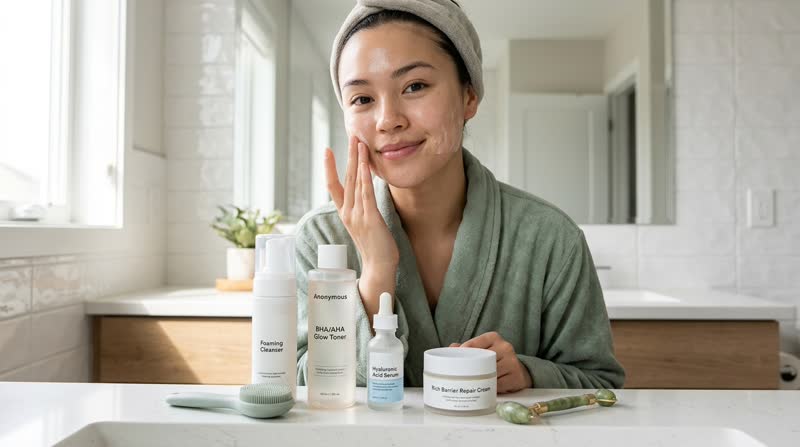
I Tried This Viral Routine… and My Skin Changed Completely
Skincare trends come and go, but every once in a while, one routine takes over social media. It promises glowing skin, fewer breakouts, and a “glass skin” effect that looks almost too good to be true. I decided to try one of these viral routines myself - not expecting much change, but curious to see if it actually worked or if it was just another trend. What I didn’t expect was how much my skin would react to doing less instead of more. The routine everyone was talking about The viral routine I followed was surprisingly simple. It wasn’t a 10-step system or a complicated mix of expensive products. Instead, it focused on the basics: gentle cleansing, lightweight hydration, and strict consistency. The biggest rule was avoiding overloading the skin with too many active ingredients. At first, it felt almost too simple. I was used to switching products often, trying new serums, and adding exfoliants whenever my skin looked dull. This routine forced me to stop that completely and stick to the same basic steps every day. The first week: nothing dramatic My skin still looked the same, and honestly, I started questioning whether this routine was even worth following. I was tempted to add my usual treatments back in, especially when I saw small breakouts or dryness. But I stuck with it. No extra acids, no random new products - just consistency. The turning point Around the second week, I started noticing small changes. My skin felt less irritated. The tight, sometimes uncomfortable feeling I was used to after cleansing started to disappear. My face looked calmer, even if not dramatically “perfect.” What surprised me most was that I wasn’t dealing with constant reactions anymore. My skin wasn’t fluctuating between oily and dry. It started to feel more balanced, like it finally had time to reset. Why it actually worked Looking back, the reason this routine worked wasn’t magic products - it was reducing stress on my skin barrier. Before this, I was constantly over-cleansing, exfoliating too often, and switching products without giving my skin time to adjust. My skin was basically overwhelmed. By simplifying everything, my skin barrier finally had a chance to recover. And once that happened, my natural texture and glow slowly started to come back. What changed after a few weeks After about a month, the difference became more obvious. My skin looked more even, less reactive, and noticeably healthier overall. I still had normal skin concerns from time to time, but they were less intense and easier to manage. The biggest change wasn’t just how my skin looked - it was how stable it became. I didn’t feel like I had to constantly “fix” it anymore. Final thoughts Trying this viral routine taught me something simple but important: skincare doesn’t always need to be complicated. In fact, doing less can sometimes give better results than constantly adding more. If your skin feels like it’s always reacting, breaking out, or never improving, no matter what you use, the issue might not be what you’re missing - it might be how much you’re doing. Sometimes, the best routine is the one that gives your skin space to breathe.
Why Your Breakouts Won’t Stop (The Real Reason)
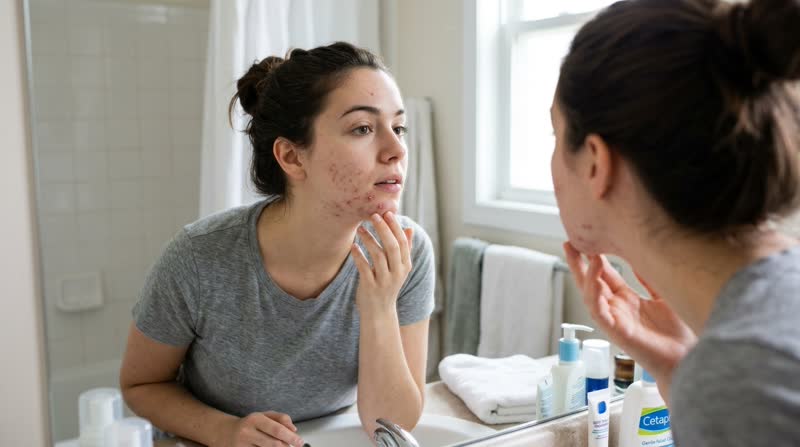
If you feel like you have tried everything for your breakouts - new cleansers, expensive serums, strict routines - but nothing seems to work, you’re not alone. Many people deal with acne that keeps coming back no matter what they do. The frustrating part is that the reason often isn’t what you think. In most cases, breakouts don’t continue because you’re not doing enough, but because your skin is stuck in a cycle of irritation and imbalance that never fully settles. Your skin barrier might be the real issue A damaged skin barrier often shows up through redness, sensitivity, dryness, and sometimes even unexpected breakouts. What confuses many people is that they try to fix this by cleansing more often, assuming their skin simply isn’t clean enough. In reality, over-cleansing usually does the opposite. When you strip the skin too aggressively, you remove the natural oils that help keep it balanced. Without those oils, the skin becomes more reactive, more irritated, and breakouts can actually become more persistent instead of improving. Harsh routines can keep the cycle going Many people believe that stronger skincare equals faster results, especially when dealing with acne. This leads to using harsh cleansers, frequent washing, and aggressive scrubs in an attempt to “reset” the skin. But skin doesn’t respond well to constant stripping. Instead of calming down, it goes into defense mode. That can mean more oil production, more sensitivity, and more inflammation - all of which can make breakouts harder to control over time. Too many active ingredients can overwhelm your skin Another common issue is using too many active ingredients at once. Products with acids, retinoids, and exfoliating agents can be very effective, but only when the skin can tolerate them. When too many of these are used together or too frequently, the skin becomes overloaded. Instead of improving, it reacts with redness, irritation, and more breakouts. At that point, people often assume they need even stronger products, which only continues the cycle. Inconsistency slows down progress Even the best skincare routine won’t work if it keeps changing. Many people switch products too quickly or constantly try new trends before their skin has time to adjust. Skin needs time to respond to treatments. Without consistency, it never reaches a stable state, which means breakouts keep returning even when the products are technically good. The real solution is simpler than you think Fixing breakouts usually doesn’t require a complicated routine. In most cases, the goal is to calm the skin and restore balance rather than attack it with multiple strong products. A simple routine with a gentle cleanser, a basic moisturizer, and daily sunscreen is often enough to support the skin barrier. Once the skin is no longer constantly irritated, it naturally becomes more stable and less prone to breakouts. From there, targeted treatments can be introduced slowly if needed, but only once the skin is in a healthier state. Final thoughts If your breakouts won’t stop, it doesn’t necessarily mean your skincare is wrong or that your skin is “difficult.” In many cases, it just means your skin is overwhelmed and trying to recover. When you step back, simplify your routine, and focus on protecting your skin barrier instead of constantly challenging it, your skin finally gets the chance to reset. And that’s usually when real improvement starts to happen.

The Skincare Mistakes Keeping You From Clear Skin
Achieving clear, healthy skin is not just about what you apply - it is also about what you stop doing. Many everyday habits can quietly sabotage your skincare routine, leading to breakouts, irritation, and uneven texture. If your products aren’t giving you the results you expected, the issue might not be what you’re using - but how you’re treating your skin. Common Mistakes That Keep Your Skin From Clearing One of the most frequent mistakes is over-cleansing. Washing your face too often can strip away its natural oils, weakening the skin barrier and triggering even more oil production. Instead of helping, this can actually worsen acne. Cleansing twice a day with a gentle product is more than enough for most skin types. Over-exfoliation is another major problem. While exfoliating helps remove dead skin cells and unclog pores, doing it too often can irritate the skin and cause redness or breakouts. Your skin needs time to recover, so keeping exfoliation to a few times a week is usually the safest approach. Touching your face throughout the day is a habit many people don’t even notice. However, your hands carry bacteria and dirt that can easily transfer to your skin, clogging pores and causing inflammation. Picking at pimples can make things even worse, often leading to scarring and slower healing. Using too many products at once can also create more harm than good. Mixing multiple active ingredients without understanding how they work together can overwhelm your skin and damage its balance. A simple, consistent routine with a few targeted products is often far more effective. Skipping sunscreen is another key issue. Sun exposure can worsen acne marks, cause hyperpigmentation, and slow down the healing process. Even when it’s cloudy, UV rays can still affect your skin, making daily sunscreen use essential. Finally, it’s important to remember that skincare isn’t just external. Factors like stress, poor sleep, and diet play a huge role in how your skin looks and feels. Consistency, patience, and a balanced lifestyle are just as important as the products you use. Clear skin doesn’t come from doing more - it often comes from doing less, but doing it right. By avoiding these common mistakes, you give your skin the chance to repair, rebalance, and naturally improve over time.

The Secret Behind That “Perfect Skin” Look
Flawless, glowing skin often looks effortless - but in reality, that perfect skin look is rarely about perfection. It is the result of consistency, smart habits, and understanding what your skin truly needs. While social media may suggest otherwise, achieving healthy-looking skin doesn’t require dozens of products or complicated routines. It Starts With Skin Health, Not Perfection At the core of great skin is a strong and balanced skin barrier. When your skin barrier is healthy, it retains moisture, protects against external irritants, and naturally looks smoother and more radiant. Many people unknowingly damage this barrier by overusing harsh cleansers, exfoliating too often, or layering too many active ingredients. Real results come from doing the right basics consistently, not from doing everything. Hydration plays a major role in achieving that smooth, glowing appearance. Well-hydrated skin looks plumper, more even, and less prone to irritation. This doesn’t just mean drinking water, but also using skincare products that help retain moisture. When the skin is properly hydrated, fine lines appear softer, and the overall complexion looks healthier. Consistency Is the Real Game-Changer Perfect-looking skin isn’t created overnight. Many of the results you see - whether it’s reduced acne, improved texture, or a brighter tone - come from sticking to a routine over weeks or even months. Constantly switching products can interrupt this process and lead to more problems than solutions. Sun protection is often the most overlooked step, yet it’s essential. Daily exposure to UV rays can lead to pigmentation, uneven texture, and premature aging. Even when you don’t see immediate damage, it builds up over time. Wearing sunscreen regularly helps maintain an even skin tone and prevents many common skin concerns. Lifestyle choices also have a visible impact on the skin. Lack of sleep, stress, and poor nutrition can all contribute to breakouts and dullness. On the other hand, a balanced routine supports the skin from within. Finally, it’s important to understand that “perfect skin” is often an illusion. Lighting, filters, and editing play a huge role in how skin appears online. Real skin has texture, pores, and occasional imperfections - and that’s completely normal. The secret isn’t a miracle product. It’s consistency, balance, and taking care of your skin in a simple, effective way.
This Ingredient Is Either Helping or Harming Your Skin
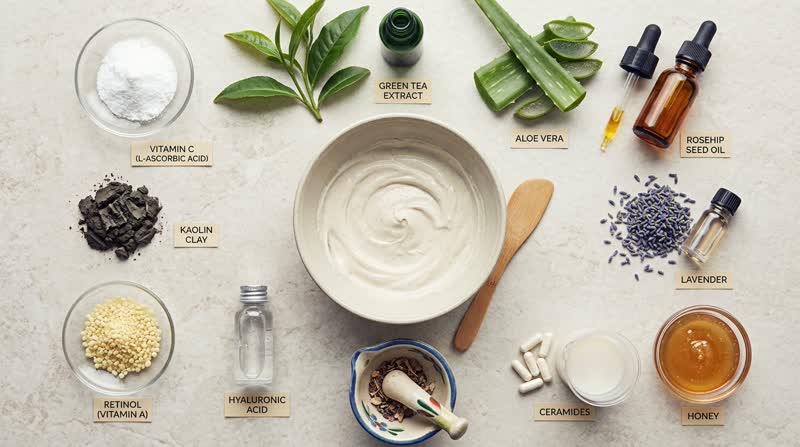
When it comes to skincare, most people focus on brands, packaging, or trends - but the real impact often comes down to individual ingredients. The same ingredient that transforms one person’s skin can irritate another’s. Understanding what you’re actually putting on your face is key to achieving healthy, balanced skin. Why Ingredients Matter More Than Products Every skincare product is a combination of active and supporting ingredients. Some are designed to hydrate, soothe, or protect the skin, while others are used to exfoliate, treat acne, or improve texture. The problem is that not all ingredients work well for every skin type. What helps oily, acne-prone skin may be too harsh for sensitive skin, and what hydrates dry skin may feel heavy on combination skin. For example, exfoliating acids like AHAs and BHAs can be extremely effective at clearing pores and improving skin texture. However, when overused or combined with other strong actives, they can lead to irritation, dryness, and a damaged skin barrier. On the other hand, soothing ingredients like niacinamide can help reduce redness and support the skin barrier, but in some cases, even gentle actives can cause sensitivity if the skin is already compromised. The “Good vs Bad” Ingredient Myth A common mistake in skincare is labeling ingredients as strictly “good” or “bad.” In reality, it’s not that simple. An ingredient is not inherently harmful - it depends on concentration, formulation, and how your skin reacts to it. For instance, alcohol in skincare products can be drying in high amounts, but in small concentrations, it may help improve texture and absorption of other ingredients. Fragrance is another controversial example. While it can make products more enjoyable to use, it may trigger irritation for sensitive skin types. This doesn’t mean it should always be avoided, but it should be approached with awareness of your own skin’s tolerance. Listening to Your Skin One of the most important steps in skincare is learning to observe how your skin responds. If a product consistently causes redness, tightness, or breakouts, it may not be suitable for you - even if it works well for others. Skin is highly individual, and what works “universally” is rare. Introducing new ingredients slowly is also essential. When too many active ingredients are added at once, it becomes difficult to identify what is helping or harming your skin. A gradual approach allows your skin to adjust and helps you understand what it truly benefits from. Balance Is the Real Secret Healthy skin is not about using the most powerful ingredients, but about using the right ones in the right balance. Hydrating, soothing, and protective ingredients often form the foundation of a strong routine, while stronger actives should be introduced carefully and purposefully. Ultimately, the “secret ingredient” isn’t one specific compound - it’s awareness. When you understand how ingredients work and how your skin responds, you can build a routine that supports your skin instead of working against it.
What Happens When You Stop Overcomplicating Your Routine
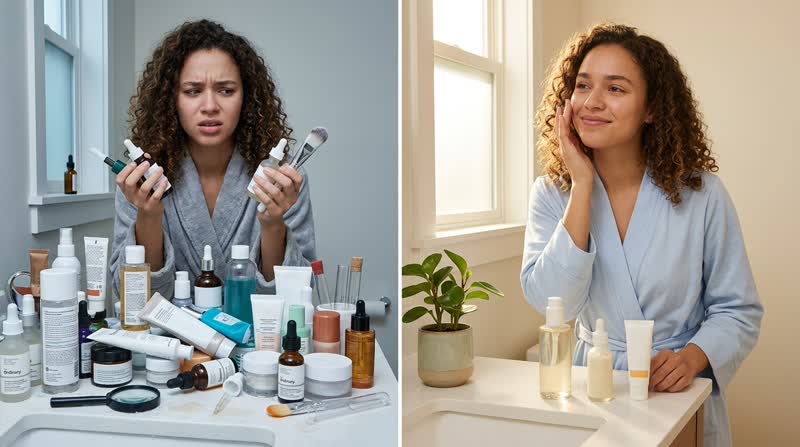
In skincare, it is easy to fall into the trap of thinking that more products mean better results. Serums, toners, acids, masks, treatments - it can quickly turn into a routine that feels more like a science experiment than self-care. But sometimes, the biggest improvement happens when you do less, not more. Your Skin Starts to Breathe Again When you strip your routine back to the essentials, your skin finally gets a chance to reset. Overloading it with too many active ingredients can disrupt the skin barrier, leading to sensitivity, dryness, or unexpected breakouts. A simpler routine helps restore balance, allowing the skin to function naturally without constant interference. Instead of reacting to multiple products at once, your skin can actually respond properly to the ones that matter most. This often results in a calmer, more stable complexion. You Finally Understand What Works One of the hidden problems of a complicated routine is confusion. When you’re using too many products, it becomes almost impossible to know what is helping and what is causing issues. Breakouts, irritation, or dryness can’t be traced back to a single cause. By simplifying your routine, you create clarity. You can see how your skin reacts to each step, which makes it easier to identify what truly benefits your skin and what doesn’t belong there. Less Irritation, More Balance Many skin issues are not caused by lack of products, but by overuse. Strong actives layered together, frequent exfoliation, and constant product switching can weaken the skin barrier over time. A simplified routine usually focuses on the basics: gentle cleansing, hydration, and protection. This allows the skin barrier to recover, reducing redness, tightness, and sensitivity. Over time, skin often looks more even and feels more comfortable. Consistency Becomes Easier A complicated routine is hard to maintain. When there are too many steps, it becomes easier to skip them or change products frequently. This inconsistency can slow down progress and make results harder to achieve. A simpler routine is easier to stick to daily. And in skincare, consistency almost always matters more than complexity. The skin responds best to steady, repeated care over time. Real Skin, Real Results Once the routine is simplified, many people notice something unexpected: their skin starts to look more natural. Instead of chasing an unrealistic “perfect” finish, the skin appears healthier, more even, and less reactive. Pores are still there, texture still exists - but the overall appearance is calmer and more balanced. That’s often what healthy skin actually looks like. Less Really Can Be More Overcomplicating skincare often comes from the idea that more effort equals better results. But skin doesn’t need constant correction - it needs support. When you stop overwhelming it with too many steps, you give it space to regulate itself. And that’s when real improvement starts to show.

I Wish I Knew This Before Starting Skincare
When you first get into skincare, it feels like there is a rulebook everyone else already understands. You see routines with ten steps, complicated ingredient names, and constant talk about “must-have” products. It’s easy to assume that clearer skin is just a matter of doing more. Most people only realize later that this approach often does the opposite. Start Simple or Risk Confusing Your Skin One of the biggest beginner mistakes is building a routine that’s too complicated too fast. When you introduce too many products at once, your skin doesn’t get the chance to adjust. Instead of improvement, you might notice irritation, dryness, or random breakouts - and you won’t know what caused it. A basic routine is often more than enough in the beginning: a gentle cleanser, a moisturizer that suits your skin type, and sunscreen during the day. That’s it. Everything else should come later, only if your skin actually needs it. Too Much Experimenting Can Set You Back Skincare trends move fast, and it’s tempting to try every new product you see online. But constantly switching products prevents your skin from settling into a stable state. Real progress takes time, and frequent changes can reset that progress again and again. Many people only realize later that their skin didn’t need more products - it needed more time. Your Skin Doesn’t Want Chaos Healthy skin responds best to stability. When it’s constantly exposed to new actives, strong ingredients, and changing routines, the barrier can become stressed. This is when skin often feels reactive, tight, or unpredictable. Once the routine is simplified, the skin often starts to calm down naturally. It’s not that the products suddenly become better - it’s that the skin finally has space to function normally. Sunscreen Is the Step People Underestimate If there’s one thing that should never be skipped, it’s sunscreen. Many beginners ignore it because damage isn’t immediate, but UV exposure builds up over time. It affects texture, pigmentation, and how the skin ages. It’s one of the simplest steps, but also one of the most important for long-term results. Real Skin Is Not “Perfect Skin” Another important lesson is understanding what healthy skin actually looks like. Pores, texture, and occasional breakouts are completely normal. What you often see online is filtered or edited, which creates unrealistic expectations. Skincare should improve how your skin feels and functions - not erase every natural detail. Less Confusion, Better Results In the end, most people wish they had started simpler. Not because skincare is complicated, but because overcomplicating it slows progress. When you stop chasing every trend and focus on consistency, your skin usually responds much better. Good skincare isn’t about doing everything. It’s about doing the right things and giving them time to work.
The Truth About Expensive Products Nobody Talks About
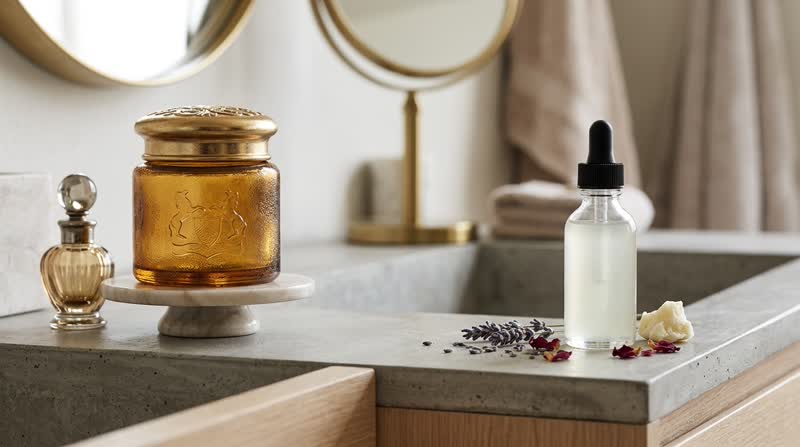
In skincare, price is often mistaken for performance. A luxurious jar, sleek packaging, and high-end branding can easily create the impression that an expensive product must be better. But when it comes to skin health, the reality is far more nuanced—and not always what marketing suggests. Price Doesn’t Always Equal Better Results One of the biggest misconceptions in skincare is that a higher cost automatically means higher quality. In reality, many expensive products and budget-friendly alternatives share very similar active ingredients. What changes are often the branding, fragrance, texture, and overall experience—not necessarily the effectiveness. Some luxury products do contain well-researched ingredients, but that doesn’t mean more affordable options can’t deliver the same results. The skin responds to formulation and ingredient compatibility, not the price tag. What You’re Really Paying For With high-end skincare, a significant portion of the cost often goes into packaging, marketing, and brand positioning. Elegant jars, influencer campaigns, and premium store placement all contribute to the final price. This doesn’t automatically make the product ineffective—it just means that the cost isn’t always directly tied to what is inside the formula. In many cases, you are paying for the experience as much as the skincare itself. Expensive Doesn’t Mean “More Suitable” Another overlooked truth is that expensive products are not inherently better for your skin type. A high-priced serum can still cause breakouts, irritation, or dryness if it doesn’t suit your skin’s needs. Skin doesn’t recognize branding. It responds to ingredients like niacinamide, hyaluronic acid, retinoids, and exfoliating acids—regardless of whether they come from a luxury or drugstore product. Simple Formulas Often Perform Just as Well Many of the most effective skincare products on the market are actually quite simple. They focus on a few key ingredients in stable concentrations rather than complex blends designed to sound impressive. In some cases, simpler formulas can even be better, especially for sensitive or reactive skin. Marketing vs. Reality Skincare marketing is powerful. Words like “clinical,” “luxury,” and “advanced technology” can strongly influence perception. But these terms are not always regulated in a way that guarantees better performance. This is why ingredient awareness is more valuable than brand loyalty. Understanding what actually works for your skin gives you more control than any marketing message ever could. What Actually Matters When building a skincare routine, effectiveness comes from: choosing ingredients your skin needs,using them consistently,avoiding unnecessary complexity,and allowing time for results to appear.Not from how expensive the product is. The Real Truth Expensive skincare isn’t automatically bad - but it isn’t automatically better either. The real difference comes down to formulation, suitability, and consistency of use. Once you understand that, skincare becomes less about luxury vs. budget, and more about what truly works for your skin.

This Simple Trick Gave Me Glass Skin
The idea of glass skin has taken over skincare trends - smooth, luminous, almost translucent-looking skin that reflects light effortlessly. While it often seems like the result of complex routines or expensive products, the reality is usually much simpler than people expect. The “Trick” Isn’t a Product Despite what trends suggest, there is no single miracle product that creates glass skin. The real difference comes from one simple shift: focusing on skin hydration and barrier health consistently. When the skin barrier is strong and well-hydrated, the surface becomes smoother, more even, and naturally reflective. This is what creates that healthy, glowing appearance - not layering endless products. Hydration Changes Everything Well-hydrated skin looks plumper, softer, and more refined. Dehydration, on the other hand, can make the texture more visible and the skin appear dull or uneven. The key is not just drinking water, but also using skincare that helps the skin retain moisture. Lightweight humectants and barrier-supporting moisturizers help the skin stay balanced throughout the day, reducing dryness and improving overall glow. Less Overloading, More Balance One of the biggest mistakes people make when chasing “glass skin” is overloading their routine with too many active ingredients. Strong exfoliants, acids, and multiple serums layered together can actually damage the skin barrier over time. When I simplified my routine, the difference became obvious. Instead of constantly reacting to products, my skin started to stabilize, and the texture slowly improved. Gentle Consistency Wins Glass skin isn’t built in a week. It’s the result of repeated, gentle care over time. A simple routine followed consistently always performs better than an advanced routine used inconsistently. Cleansing without stripping, moisturizing regularly, and protecting the skin from sun exposure all work together to improve skin quality gradually. Sun Protection Is Non-Negotiable UV exposure quietly breaks down collagen and affects skin tone and texture. Even if your routine is perfect, skipping sunscreen can undo progress over time. Daily protection helps maintain an even surface and supports that smooth, reflective finish associated with glass skin. The Real “Secret” The truth is that glass skin isn’t about perfection - it’s about skin health. When the barrier is strong, hydration is balanced, and irritation is minimized, the skin naturally becomes clearer and more radiant. There is no shortcut. The “simple trick” is actually a combination of consistency, hydration, and restraint. And ironically, the less you try to force perfect skin, the closer you often get to it.
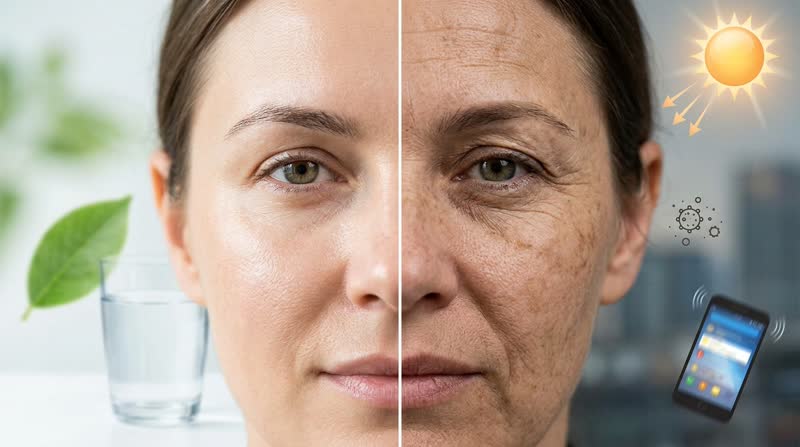
Your Skin Is Aging Faster Because of This
Skin aging is a natural process, but many everyday habits can significantly speed it up without people even realizing it. While genetics play a role, external factors and skincare mistakes often have a much bigger impact on how quickly fine lines, dullness, and uneven texture appear. The Silent Accelerators of Skin Aging One of the biggest contributors to premature aging is unprotected sun exposure. UV rays break down collagen and elastin in the skin, which are responsible for firmness and elasticity. Over time, this leads to wrinkles, sagging, and pigmentation. What makes this especially problematic is that damage accumulates even on cloudy days or during short periods outdoors. Another common issue is inconsistent skincare. Constantly switching products or using too many active ingredients can weaken the skin barrier. When the barrier is compromised, the skin becomes more vulnerable to environmental stress, irritation, and dehydration - all of which make aging signs more visible. Over-Exfoliation and Barrier Damage Many people believe that frequent exfoliation keeps skin youthful and smooth. While exfoliation is important, doing it too often can have the opposite effect. Over-exfoliation disrupts the protective layer of the skin, leading to sensitivity, dryness, and inflammation. Inflamed skin ages faster because it struggles to repair itself properly. A balanced approach - gentle exfoliation only a few times per week - is far more effective in the long run. Neglecting Hydration Dehydrated skin often looks older than it actually is. Fine lines become more visible, and the skin loses its natural plumpness and glow. Hydration is not just about drinking water; it also depends on using products that help the skin retain moisture and maintain a healthy barrier. When the skin is consistently well-hydrated, it appears smoother and more resilient, even as it naturally ages. Lifestyle Factors You Can’t Ignore Skincare products can only do so much if lifestyle habits are working against them. Poor sleep, chronic stress, and a diet lacking in essential nutrients can all accelerate visible aging. Sleep, in particular, is when the skin repairs itself. Without enough rest, this recovery process is disrupted, leading to dullness and slower regeneration over time. The Biggest Mistake: Doing Too Much Ironically, one of the fastest ways to age your skin faster is by overloading it with too many products. Strong actives used together, frequent routine changes, and harsh treatments can weaken the skin’s natural defense system. Healthy skin doesn’t need constant intervention - it needs stability, protection, and time to repair. The Real Secret to Slower Aging Slowing down skin aging isn’t about finding one powerful product. It’s about consistency in the basics: daily sunscreen, gentle care, proper hydration, and a stable routine. When the skin barrier is strong and protected, it naturally ages more gracefully. And often, the most effective anti-aging strategy is simply avoiding the habits that speed it up in the first place.

The Hidden Cause of Dull, Tired Skin
Dull skin usually does not appear overnight. It develops gradually, often without people realizing what is actually behind the change. Most of the time, the first reaction is to add more products - stronger exfoliants, glow serums, or new treatments - but that rarely addresses the real cause. When Skincare Becomes the Problem In many cases, the issue isn’t that the skin needs more care, but that it’s been overworked. When too many active ingredients, frequent cleansing, or constantly changing routines are introduced, the skin can become stressed. Over time, this weakens the skin barrier, which plays a key role in keeping the complexion healthy and radiant. Once the barrier is compromised, the skin loses part of its ability to retain moisture properly. This doesn’t always appear as visible dryness. Instead, it often shows up as a subtle loss of glow, where the skin looks flat, uneven, and more tired than usual. The surface stops reflecting light in a smooth, natural way, which creates that dull appearance. Another hidden factor is low-level dehydration. Skin can feel normal while still lacking proper hydration underneath. When this balance is off, the complexion loses freshness and starts to look less vibrant, even if there are no major breakouts or irritation. What often makes things worse is the attempt to fix the problem too aggressively. Increasing exfoliation or adding more active products can further stress the skin instead of helping it recover. Rather than improving, the skin becomes more reactive and less stable. Lifestyle factors also quietly contribute. Poor sleep, stress, and inconsistency in daily habits can all affect how the skin looks. Even a good skincare routine can’t fully compensate for ongoing internal stress. In most cases, the solution isn’t adding more steps, but simplifying. When the skin is given space to recover and the routine is kept consistent and gentle, the barrier can gradually repair itself. Hydration improves, irritation reduces, and the skin slowly regains its natural glow. Dull skin is rarely just a surface issue. More often, it’s a sign of imbalance and overload. When the skin is no longer constantly pushed and instead supported with simple, steady care, its healthy appearance usually returns on its own.

I Improved My Acne in 7 Days (Here’s How)
Acne rarely disappears overnight, but the condition of your skin can start to change surprisingly fast when you remove the things that are making it worse. In just a week, it’s possible to calm inflammation, reduce new breakouts, and help your skin feel more stable - without using harsh or complicated routines. The first thing I changed was simplifying everything. Before that, my routine had too many steps and too many active ingredients. I was using exfoliants, spot treatments, and different serums at the same time, thinking more effort would mean faster results. Instead, my skin was constantly irritated and unpredictable. Once I stripped it back to a gentle cleanser, a basic moisturizer, and sunscreen, my skin immediately felt less stressed. The second change was stopping over-exfoliation. I didn’t realize how much it was damaging my skin barrier. Even though exfoliation is meant to help acne, doing it too often was making my skin more sensitive and triggering more breakouts. Reducing it allowed my skin to calm down instead of constantly reacting. I also stopped touching my face throughout the day. It sounds simple, but it made a noticeable difference. Less irritation, fewer inflamed spots, and less spread of bacteria. Small habits like this often have a bigger impact than people expect. Another important step was focusing on hydration instead of “drying out” acne. In the past, I used strong products that made my skin feel tight and stripped. This only made my skin produce more oil in response. Switching to a lightweight, barrier-supporting moisturizer helped balance things out and reduced that cycle of dryness and oiliness. Sunscreen also played a key role. When your skin is inflamed or healing, UV exposure can worsen marks and slow down recovery. Daily protection helped prevent post-acne pigmentation from becoming more visible. By the end of the week, the change wasn’t that my acne completely disappeared - it was that my skin stopped feeling constantly irritated. New breakouts were less frequent, redness was calmer, and my overall texture looked more even. The biggest realization was that acne doesn’t always need more treatment. Sometimes it needs less disruption. When the skin barrier is supported and the routine is simplified, the skin often starts to regulate itself more effectively. The real “7-day change” wasn’t a miracle cure - it was giving my skin a chance to reset.

The Routine That Actually Transformed My Skin
Most skincare transformations do not come from dramatic overhauls or complicated 10-step routines. In reality, the biggest changes often happen when you stop overloading your skin and start focusing on consistency and balance. That’s exactly what made the difference for me. At first, my routine was overcomplicated. I was using multiple serums, exfoliating too often, and constantly switching products whenever I didn’t see immediate results. Instead of improving, my skin became more reactive - breakouts, uneven texture, and a constant feeling of irritation. The first real change was simplifying everything. I stripped my routine down to the basics: a gentle cleanser, a moisturizer that supported my skin barrier, and sunscreen during the day. It felt almost too simple at first, but within a short time, my skin started to feel calmer and less stressed. Another key shift was reducing exfoliation. I used to think more exfoliation meant clearer skin, but it actually made my skin more sensitive and unstable. Once I cut back, my skin barrier had time to recover, and the overall texture slowly improved. Hydration also played a bigger role than I expected. Instead of focusing on drying out breakouts, I started prioritizing moisture and barrier support. When the skin is properly hydrated, it behaves more predictably - less oiliness, less tightness, and fewer sudden flare-ups. Consistency Is the Real Game-Changer Consistency turned out to be the real game-changer. Instead of constantly changing products, I stuck to the same simple routine and gave it time to work. Skincare is slow, and most improvements only become visible after weeks of stability, not days of experimenting. Sun protection was another non-negotiable step. Daily sunscreen helped prevent dark marks from lingering and protected my skin while it was healing. It’s one of those steps that doesn’t show immediate results but makes a huge difference long-term. What surprised me most was that my skin didn’t need more effort - it needed less disruption. Once I stopped trying to “fix” everything at once, my skin naturally became more balanced, smoother, and less reactive. In the end, the routine that transformed my skin wasn’t complex or expensive. It was simple, consistent, and focused on protecting the skin rather than constantly changing it.
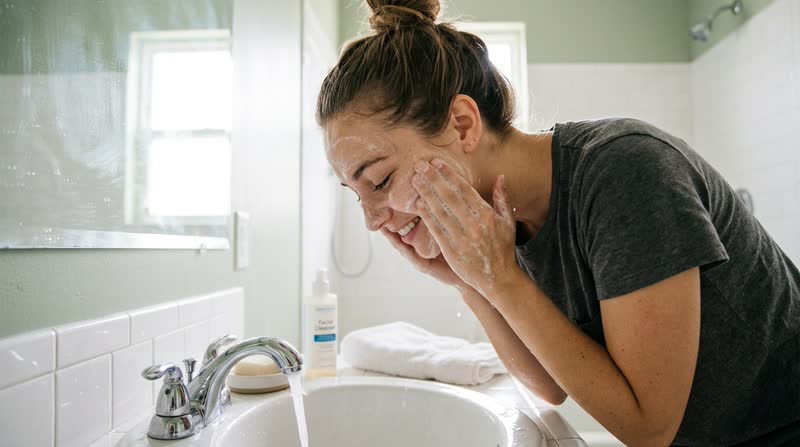
You’re Washing Your Face Wrong (Here’s Why)
Most people do not think much about how they wash their face - it is usually a quick, automatic step in the morning or before bed. But this simple habit plays a much bigger role in your skin’s health than you might expect. If your skin feels tight, irritated, or still breaks out despite a good routine, the issue might be how you’re cleansing. The Mistake Most People Don’t Realize They’re Making One of the most common mistakes is using cleansers that are too harsh or washing the face too often. While it may feel like “cleaner is better,” over-cleansing can strip the skin of its natural oils. These oils are essential for maintaining a healthy skin barrier, which protects against irritation, dryness, and environmental damage. When the barrier becomes weakened, the skin often reacts by producing more oil or becoming more sensitive. This can lead to breakouts, redness, and an overall unbalanced complexion - even if you’re trying to take good care of it. Another issue is temperature. Very hot water can feel relaxing, but it can also stress the skin and contribute to dryness. Lukewarm water is generally much gentler and helps maintain the skin’s natural balance. Technique Matters More Than You Think How you apply cleanser is just as important as what you use. Rubbing too aggressively or scrubbing the skin can cause micro-irritation, especially for sensitive or acne-prone skin. Gentle circular motions are usually enough to remove dirt, oil, and sunscreen without damaging the skin barrier. It’s also important not to rush the process. Cleansing should be thorough but gentle, giving the product enough time to do its job without overworking the skin. Less Stripping, More Balance A good cleanse should leave your skin feeling clean but comfortable - not tight or dry. That “squeaky clean” feeling is often a sign that the skin has been stripped too much. Over time, this can lead to imbalance and make skin issues worse instead of better. Switching to a gentle cleanser and adjusting your technique can make a noticeable difference. When the skin barrier is supported instead of stripped, everything else in your routine tends to work more effectively. The Real Goal of Cleansing Cleansing isn’t about making your skin feel completely bare - it’s about removing what doesn’t belong while preserving what your skin needs. Once you understand that balance, your entire skincare routine becomes more effective and less stressful for your skin.
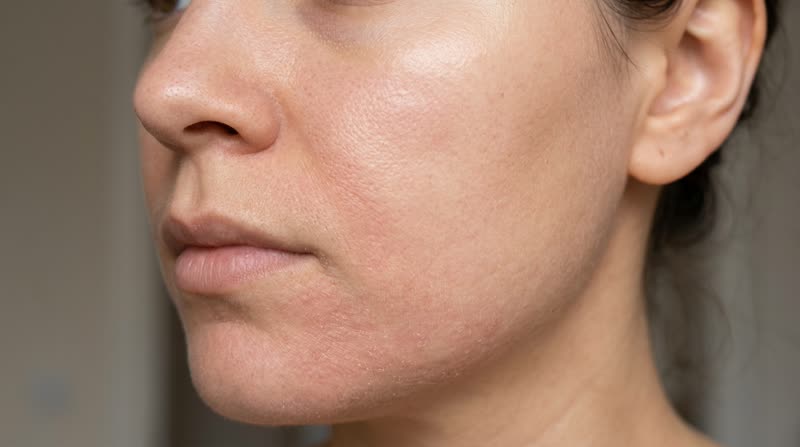
This Viral Trend Actually Works for Clear Skin
Every few months, a new skincare trend takes over social media, promising faster, clearer skin with minimal effort. While most of them fade quickly, some trends actually stick around for a reason - they focus on basic skin health rather than quick fixes. One of the most effective “viral” approaches gaining attention is the idea of simplifying your routine to repair the skin barrier. At first, it doesn’t sound exciting. There are no complicated steps or dramatic treatments. But this is exactly why it works. Why Less Is Becoming the New Skincare Trend For years, many routines were built around doing more - more exfoliation, more actives, more steps. The viral shift in recent years is the opposite: reducing irritation and giving the skin space to recover. When the skin barrier is constantly stressed by too many products, it becomes more reactive. This can lead to breakouts, redness, and uneven texture. By simplifying the routine, the skin is allowed to stabilize instead of constantly adjusting. The Barrier-First Approach The core idea behind this trend is focusing on barrier repair. Instead of chasing immediate results, the routine prioritizes hydration, gentle cleansing, and protection. When the skin barrier is healthy, it naturally holds moisture better, reacts less to external stress, and looks smoother overall. This creates the appearance of clearer skin without aggressive treatments. Why It Feels Like It “Works Fast” Many people notice improvements within a short period after simplifying their routine. This doesn’t mean acne or texture disappears instantly - it means inflammation calms down, irritation decreases, and the skin stops reacting as strongly. When that happens, the skin already looks more even and balanced, which creates the impression of a quick transformation. The Mistake People Still Make Even with this trend, many people still try to combine it with too many active ingredients. They switch between “barrier repair” and “treatment mode,” which prevents the skin from fully stabilizing. The most effective version of this trend is consistency: keeping the routine simple long enough for the skin to adjust. The Real Reason It Works This viral approach works not because it’s revolutionary, but because it removes what usually damages the skin in the first place. Less irritation, fewer disruptions, and more consistency allow the skin to function the way it naturally should. In the end, the trend isn’t about doing something new - it’s about undoing too much.
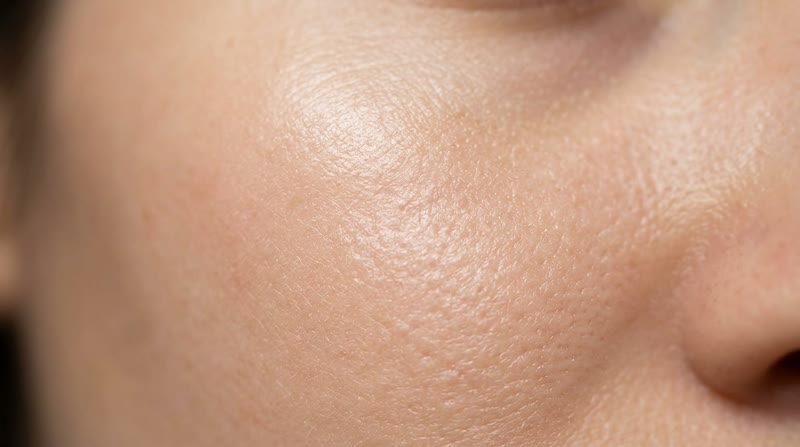
Stop Using These Products Together Immediately
Not all skincare ingredients are meant to be combined. In fact, some popular combinations can quietly damage your skin barrier, cause irritation, and make breakouts worse instead of better. If your routine feels inconsistent or your skin keeps reacting, the issue might not be the products themselves - but how you’re layering them. When Good Products Become a Bad Combination Many skincare ingredients are effective on their own, but too strong when used together. The most common mistake is stacking multiple active ingredients in the same routine without understanding how they interact. This can overwhelm the skin and disrupt its natural balance. For example, combining strong exfoliating acids with retinoids can easily lead to redness, dryness, and sensitivity. Both ingredients are powerful on their own, but together they can push the skin beyond what it can comfortably handle. Another risky combination is mixing multiple exfoliants at once. Using different acids in the same routine doesn’t speed up results - it often leads to irritation and a weakened skin barrier. Why Your Skin Starts to React When the skin is exposed to too many active ingredients at the same time, it can lose its ability to protect itself properly. This often shows up as tightness, flaking, sudden breakouts, or increased sensitivity. Instead of improving skin concerns, over-layering creates new ones. The skin becomes stressed, and its natural repair process slows down. Hydration vs. Over-Treatment A common mistake is focusing too much on treating skin issues while ignoring hydration and barrier support. Strong actives are often used in an attempt to fix breakouts or texture quickly, but without proper hydration, the skin becomes more reactive. When the barrier is weakened, even gentle products can start to feel irritating. This is why balancing treatment products with soothing and hydrating ones is essential. Timing Matters More Than You Think Many ingredients that shouldn’t be used together can still work well in a routine if they are separated. Using them at different times of day or on alternate days allows the skin to benefit without being overwhelmed. This simple adjustment often reduces irritation significantly while still delivering results over time. The Most Common Combinations to Be Careful With Some of the most frequently misused pairings include strong exfoliants with retinoids, multiple acids layered together, and harsh cleansers combined with active treatments. These combinations don’t necessarily damage the skin immediately, but over time, they can weaken its resilience. The Smarter Approach to Skincare Effective skincare is not about combining everything that works - it’s about knowing when not to combine them. A balanced routine focuses on supporting the skin barrier while introducing active ingredients in a controlled and consistent way. When you stop overloading your skin with conflicting products, it becomes calmer, more stable, and ultimately more responsive to the products that actually matter.
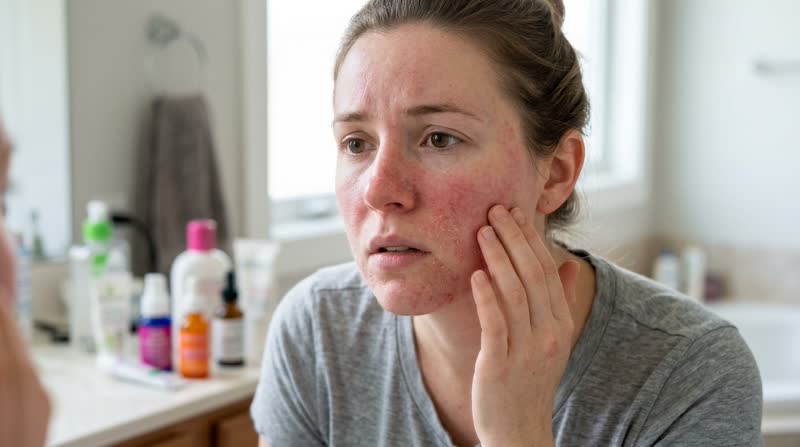
The One Thing That Destroyed My Skin Barrier
Most people do not realize how easy it is to damage the skin barrier until it actually happens. What usually starts as a small attempt to “improve” the skin can slowly turn into irritation, sensitivity, and breakouts that feel harder to control. In my case, it wasn’t one dramatic mistake - it was a habit I thought was helping. The main issue was overusing active ingredients without giving my skin time to recover. I kept layering exfoliants, acne treatments, and new products, thinking faster results meant better results. At the start, I felt like my routine made complete sense.But over time, my skin started to react instead of improve. My skin became more sensitive, even to products I had used before without any issues. There was constant tightness after cleansing, random redness, and breakouts that didn’t heal as quickly as they used to. Instead of a clear routine, my skin was stuck in a cycle of stress and recovery that never fully reset. What I didn’t understand at the time is that the skin barrier is not meant to handle constant pressure. It needs stability. When it’s repeatedly exposed to strong ingredients without balance, it slowly weakens. Once that happens, even simple products can start to feel irritating. The Turning Point The turning point came when I stopped trying to “fix everything” at once. I stripped my routine back to the basics: a gentle cleanser, a simple moisturizer, and sunscreen. No extra acids, no constant experimenting, no mixing actives just because they were trending. At first, it felt like I was doing too little. But that simplicity was exactly what my skin needed. Within a short time, the tightness started to fade, redness calmed down, and my skin began to feel more stable again. I also realized how much over-cleansing had contributed to the problem. Washing too often and using harsh formulas had stripped away the natural protection my skin needed to recover properly. Once I corrected that, the difference became even more noticeable. The biggest lesson wasn’t about avoiding one specific ingredient - it was about understanding balance. The skin barrier isn’t something you can constantly push and expect to stay strong. It responds best to consistency, patience, and a routine that supports rather than stresses it. In the end, what “destroyed” my skin barrier wasn’t a single product. It was the habit of doing too much, too often, without giving my skin space to breathe.
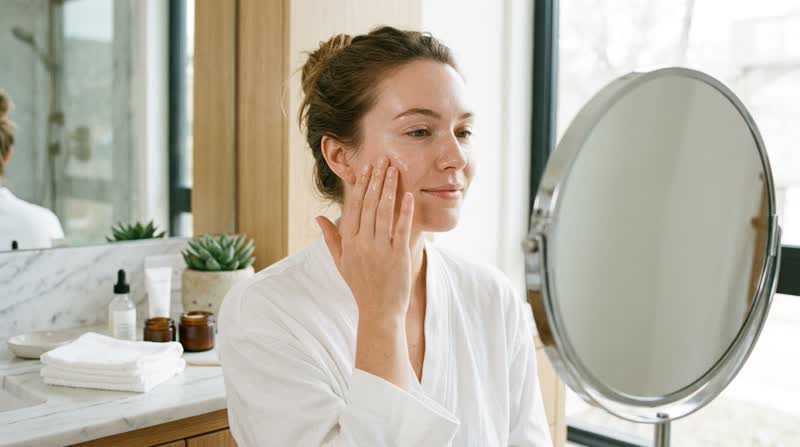
I Switched to a Minimal Routine and This Happened
For a long time, I believed that better skin required more effort - more products, more steps, and more active ingredients. My routine kept growing, but my skin didn’t improve the way I expected. Instead, it became more reactive, less predictable, and harder to manage. Eventually, I decided to do the opposite of everything I had been doing: I switched to a minimal routine. I reduced everything down to the basics - gentle cleansing, simple hydration, and daily sunscreen. No exfoliating acids, no rotating serums, no experimenting with new trending products. Just a consistent, low-stress routine. A Subtle But Powerful Shift In the first few days, nothing dramatic happened. But my skin started to feel different in subtle ways. It wasn’t tight after cleansing anymore. It didn’t feel irritated for no reason. The constant “overworked” sensation slowly started to disappear. What surprised me most was how quickly my skin began to stabilize. Without constant changes and strong active ingredients, my skin barrier finally had space to recover. This made my complexion feel more balanced, even though I wasn’t actively trying to “fix” anything. Breakouts didn’t disappear instantly, but they became less intense and less frequent over time. Instead of reacting to every small trigger, my skin started behaving more predictably. That alone made a huge difference. Better Results With Less Effort I also noticed that my products started working better. When the skin isn’t overwhelmed, even simple products can become more effective. Hydration felt more noticeable, and my skin retained moisture more easily throughout the day. One of the biggest changes was mental, not just physical. Skincare stopped feeling stressful. I wasn’t constantly second-guessing what to add or remove. A simple routine made it easier to stay consistent, which is something I struggled with before. The key realization was that my skin didn’t need more input - it needed less interference. Once I stopped overloading it with products, it started to regulate itself more naturally. A minimal routine didn’t magically give me perfect skin. But it created the conditions for my skin to actually improve. And in the long run, that made all the difference.
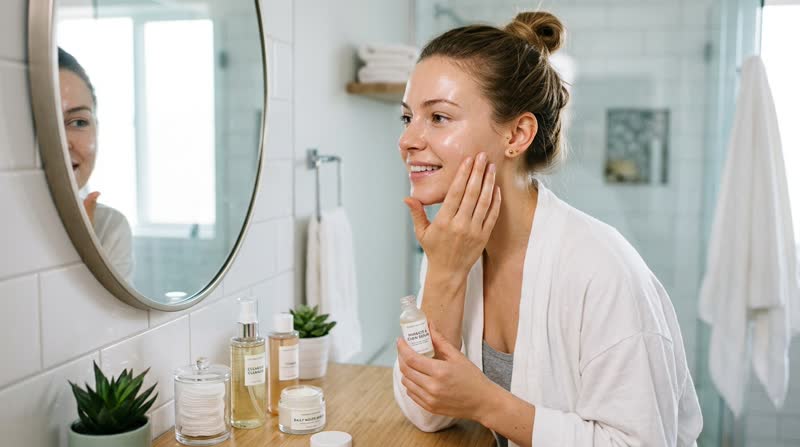
The Secret Dermatologists Rarely Share
When it comes to skincare, most people assume the biggest breakthroughs come from powerful ingredients or expensive treatments. While dermatology does rely on advanced science, there is a simple truth that often gets overlooked - not because it’s hidden, but because it’s easy to underestimate. The real “secret” is that skin improves most when it’s not constantly being pushed. Stability Over Pressure Many people come to skincare expecting a fast, visible transformation. This leads to routines filled with active ingredients, frequent changes, and aggressive attempts to “fix” every issue at once. But skin doesn’t respond well to constant pressure. It responds to stability. One of the most important things dermatologists often emphasize is protecting the skin barrier. When the barrier is strong, the skin is better able to regulate itself - retaining moisture, reducing inflammation, and defending against irritation. When it’s compromised, even simple products can start to cause reactions. What many people don’t realize is that over-treatment is one of the most common reasons skin problems persist. Using too many active ingredients at once, over-exfoliating, or constantly switching routines can keep the skin in a cycle of stress. Instead of healing, it stays reactive. The Power of Simplicity and Patience In contrast, when the routine is simplified and the skin is given time to recover, changes often become more noticeable. Redness calms down, texture improves gradually, and breakouts become less frequent. It’s not an instant transformation, but a steady return to balance. Hydration and sun protection are also core principles that are often overlooked because they seem too basic. Yet they form the foundation of long-term skin health. Without them, even the most advanced treatments lose effectiveness over time. Another overlooked point is patience. Skin cycles take time, and visible improvement rarely happens overnight. Many dermatological treatments rely on consistency over weeks or months, not rapid changes from multiple products at once. The truth is, there is rarely a single miracle product or hidden trick. Instead, the most effective approach is usually the most understated: support the skin barrier, avoid unnecessary irritation, and stay consistent long enough for the skin to adapt. In the end, the “secret” isn’t about doing more. It’s about understanding when to stop doing too much.
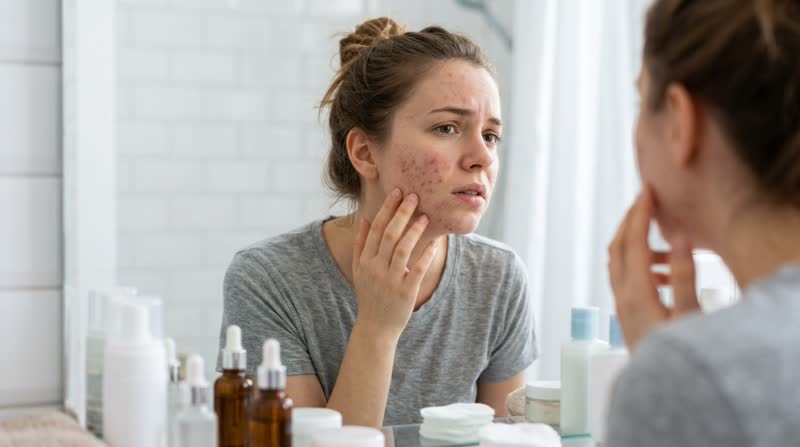
Why Your Routine Might Be Sabotaging Your Skin
It can be frustrating when your skin looks worse even though you are actively trying to take care of it. You start a new routine expecting improvement, but instead you notice more breakouts, redness, or a duller complexion. In many cases, the issue isn’t skincare itself - it’s how the skin is being treated within that routine. One of the most common reasons is overloading the skin with too many active ingredients. When multiple strong products are used together, the skin can become overwhelmed. Instead of improving, it reacts defensively, which can lead to irritation, increased sensitivity, and more visible imperfections. Understanding Barrier Disruption and Inflammation Another factor is barrier disruption. The skin barrier is responsible for protecting against external stress and maintaining moisture balance. When it’s weakened - often by harsh cleansers, frequent exfoliation, or constant product changes - the skin loses stability. This can make it look worse before it has a chance to recover. Sometimes, what looks like “new breakouts” is actually a reaction to irritation rather than typical acne. When the skin is stressed, inflammation increases, and pores can become more reactive. This creates the impression that skincare is making things worse, even if the intention was to improve the skin. The Importance of Timing and Proper Cleansing Timing also plays a big role. Many active ingredients take time to show results, but initial irritation can happen before improvements appear. This early adjustment period can make skin look temporarily worse, especially when starting new treatments like exfoliants or retinoids. Over-cleansing is another overlooked issue. Washing the face too often or using harsh formulas can strip away natural oils that protect the skin. Without this balance, the skin may become dry, tight, and more prone to breakouts as it tries to compensate. It’s also possible that too many changes at once are confusing the skin. When products are constantly switched, the skin never has time to adapt. Instead of stabilizing, it stays in a reactive state, which can make existing issues more noticeable. Simplifying for Better Results The key is not to stop skincare, but to simplify it. A gentle, consistent routine gives the skin space to adjust and rebuild its barrier. Over time, this often leads to fewer reactions and a more stable, even complexion. In most cases, skin doesn’t get worse because skincare is bad - it gets worse because it’s being overworked. When the routine becomes calmer and more consistent, the skin usually starts to respond in a more positive way.
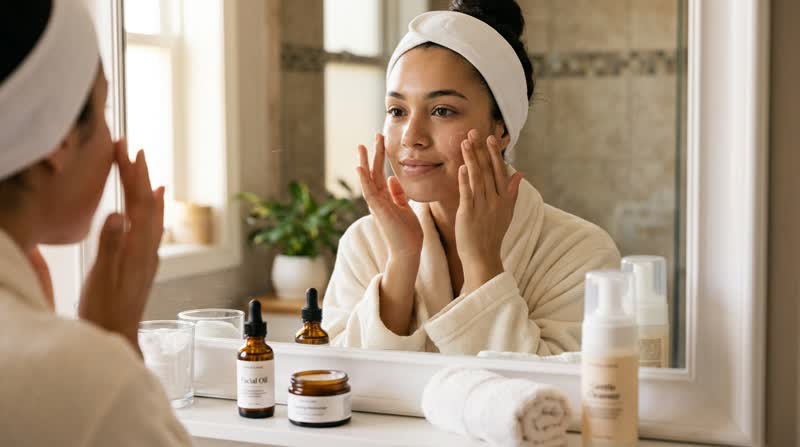
The Fastest Way to Get That Glow Everyone Wants
That glow everyone talks about in skincare is not actually about one miracle product or a quick fix. It is the result of skin that is well-balanced, hydrated, and not constantly under stress. While marketing often makes it seem like you can achieve radiant skin overnight, the real process is more about removing what blocks your skin’s natural radiance. One of the fastest ways to improve how your skin looks is to focus on hydration. When skin is properly hydrated, it appears smoother, more plump, and naturally reflective. Dehydrated skin, on the other hand, tends to look flat and tired, even if it’s technically healthy. Supporting moisture levels helps restore that fresh, healthy-looking surface much more quickly than aggressive treatments. Calming Irritation and Embracing Simplicity Another key factor is reducing irritation. Many people unknowingly damage their glow by overusing exfoliants, mixing too many active ingredients, or constantly changing products. When the skin is irritated, it shifts into a reactive state, which often results in redness, uneven texture, and dullness. Calming the routine allows the skin to return to a more stable and radiant state. Simplicity plays a surprisingly big role here. A minimal routine - gentle cleansing, basic hydration, and daily sunscreen - often creates faster visible improvement than a complex, overloaded one. When the skin is not overwhelmed, it can function more efficiently and naturally reflect light better. Protection and Lifestyle Factors Sun protection is another essential part of achieving a glow. UV exposure gradually breaks down collagen and affects skin tone, which can lead to uneven texture and dullness over time. Consistent sunscreen use helps maintain a smoother surface and supports long-term radiance. Sleep and lifestyle also have a direct impact. Skin renewal happens most actively during rest, so poor sleep or high stress can quickly make the complexion look tired. Even the best skincare routine cannot fully compensate for an ongoing internal imbalance. The Real Path to Radiance It’s also important to understand that “instant glow” is often just skin returning to equilibrium. When you remove excess irritation and focus on the basics, the skin can quickly look better - not because it was transformed, but because it was allowed to recover. The fastest path to glowing skin isn’t about adding more steps. It’s about creating the conditions where your skin can naturally reflect health: calm, hydrated, and balanced.

Your Diet Might Be Ruining Your Skin
When people think about skincare, they usually focus on creams, serums, and treatments. However, one of the most overlooked factors affecting skin health is diet. What you eat every day has a direct impact on inflammation levels, oil production, hydration, and even how quickly your skin ages. The Hidden Link Between Diet and Breakouts Foods high in refined sugar, processed carbohydrates, and unhealthy fats can trigger inflammation in the body. This inflammation often shows up on the skin as acne, redness, or dullness. High-glycemic foods such as white bread, pastries, and sugary drinks cause blood sugar spikes, which increase insulin levels. This, in turn, can stimulate excess oil production in the skin, clogging pores and leading to breakouts. Dairy products may also play a role for some individuals. Studies suggest that milk can influence hormone levels, potentially worsening acne in sensitive people. While not everyone reacts the same way, it is worth observing your skin’s response to dairy intake. Skin-Friendly Foods That Make a Difference On the other hand, a balanced diet rich in antioxidants, healthy fats, and vitamins can dramatically improve skin appearance. Foods like salmon, walnuts, avocados, leafy greens, and berries help reduce inflammation and support collagen production. Drinking enough water is also essential for maintaining skin elasticity and hydration. Final Thoughts If you are struggling with persistent skin issues, it might be time to look beyond skincare products and evaluate your diet. Small dietary changes can lead to visible improvements in skin clarity, texture, and overall glow over time.
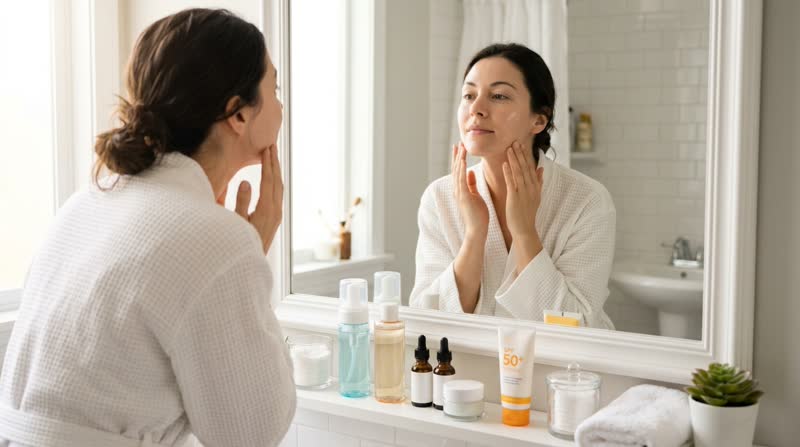
I Didn’t Believe This Would Work… Until It Did
In the world of skincare, it is easy to become skeptical. With countless products promising instant results, many people feel disappointed when nothing seems to work. I was one of them - until I discovered that sometimes, the simplest changes deliver the most powerful results. My Skincare Journey and What Went Wrong For years, I tried expensive creams, trendy treatments, and complex routines. My skin was constantly irritated, breaking out, and looking tired. The problem wasn’t a lack of effort - it was overcomplication. I was using too many active ingredients at once, stripping my skin barrier and making things worse. The Unexpected Solution What finally worked was almost too simple to believe: I reduced my routine to the basics. Gentle cleanser, moisturizer, sunscreen. That’s it. I also stopped over-exfoliating and gave my skin time to recover. Within a few weeks, my skin started to calm down. Redness decreased, breakouts became less frequent, and my natural skin texture improved. I didn’t add anything revolutionary—I removed unnecessary stress from my skin. Why Less Is Often More The skin has a natural ability to heal itself when given the right environment. Overloading it with active ingredients like acids, retinol, and harsh scrubs can disrupt its protective barrier. Once that barrier is damaged, skin becomes more sensitive and reactive. Conclusion Sometimes, the most effective skincare solution isn’t another product - it’s simplicity. Trusting your skin to balance itself can be more powerful than any complicated routine.
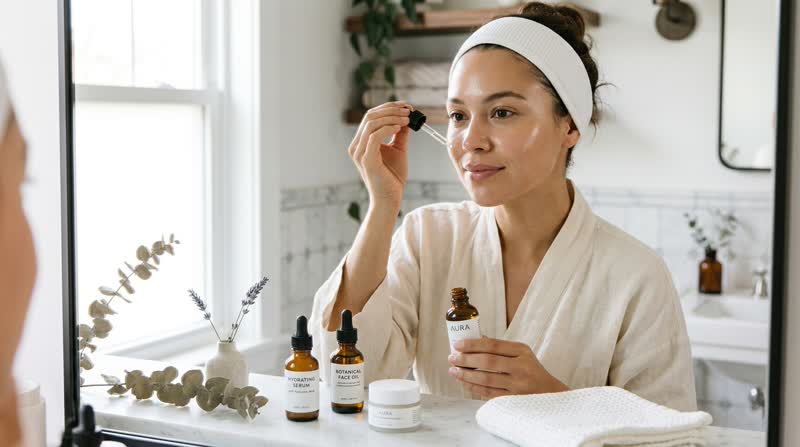
The Most Overrated Skincare Advice Ever
The skincare industry is full of advice, but not all of it is helpful. In fact, some of the most popular recommendations are either outdated or completely misunderstood. Following the wrong advice can lead to frustration and even damage your skin. “You Need to Wash Your Face More Often” One of the most overrated pieces of skincare advice is that washing your face frequently improves skin health. In reality, over-cleansing can strip the skin of its natural oils, leading to dryness and increased oil production as a compensation mechanism. This often results in more breakouts, not fewer. “Expensive Products Work Better” Price does not always equal performance. Many affordable skincare products contain the same active ingredients as luxury brands. What matters more is formulation, ingredient quality, and consistency of use - not branding or packaging. “You Must Follow a 10-Step Routine.” The idea that more steps equal better skin is misleading. A complicated routine can overwhelm the skin and increase the risk of irritation. Most people benefit from a simple routine: cleanse, moisturize, and protect with sunscreen. Smarter Skincare Choices Instead of following trends blindly, it’s better to understand your own skin type and needs. What works for one person may not work for another. Personalized skincare always beats generic advice. Final Thoughts The most overrated skincare advice often comes from marketing rather than science. Learning to question trends can help you build a routine that actually works for your skin.

The Real Reason Your Pores Look So Noticeable
Understanding the Truth About Pores Many people worry about large pores, but the truth is that you cannot actually shrink or open them permanently. Pore size is mostly determined by genetics, but its appearance can change depending on several factors. What Makes Pores Look Larger One of the main reasons pores appear enlarged is excess oil production. When oil, dirt, and dead skin cells accumulate inside pores, they become more visible. This tends to happen more often in people with oily or combination skin. Sun damage is another major factor. UV exposure breaks down collagen, which supports the skin structure around pores. As the skin loses elasticity, pores appear more stretched and noticeable. The Role of Skincare Habits Improper skincare can also make pores look worse. Not cleansing properly, skipping exfoliation, or using heavy products that clog pores can all contribute to their appearance. However, over-exfoliating can also irritate the skin and make the problem worse. How to Improve Their Appearance While you cannot permanently change pore size, you can make them less visible. Ingredients like salicylic acid help clear inside the pores, while retinoids improve skin texture and boost collagen production. Consistent sun protection is key to avoiding further harm to the skin. Final Conclusion Your pores are often less visible to others than they are to you. With the right skincare routine and protection from sun damage, you can significantly improve skin smoothness and reduce the appearance of enlarged pores over time.
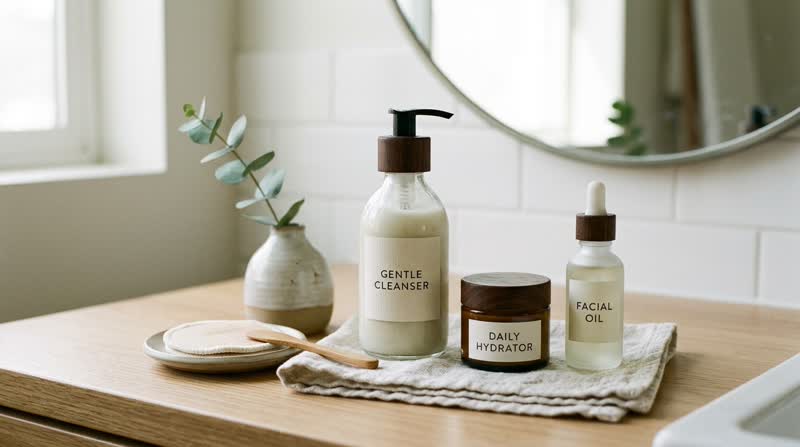
This Routine Is Breaking the Internet for a Reason
Why Everyone Is Talking About This Minimal Skincare Method Every few months, a skincare routine goes viral online, promising life-changing results. Recently, one particular simplified routine has taken over social media - and for good reason. Unlike complicated 10-step regimens, this approach focuses on consistency, barrier health, and skin balance. The Core Idea Behind the Viral Routine The routine usually consists of just three to four basic steps: a gentle cleanser, a hydrating moisturizer, sunscreen in the morning, and sometimes a single active ingredient at night, such as niacinamide or retinol. That’s it. No layering ten serums, no harsh exfoliation schedules, and no overwhelming product combinations. What makes this routine so effective is its focus on restoring the skin barrier. Many people unknowingly damage their skin by overusing active ingredients. This leads to redness, sensitivity, and breakouts that are often mistaken for “bad skin,” when in reality, the skin is just overworked. Why It Works Better Than Complex Routines The skin thrives on stability. When you constantly switch products or overload it with actives, it struggles to maintain balance. A simplified routine reduces irritation and allows the skin to repair itself naturally. Another reason this routine is gaining attention is accessibility. It doesn’t require expensive products or complicated steps. Almost anyone can follow it, making it both budget-friendly and sustainable long term. Real Results People Are Seeing Users who switched to this minimal approach report fewer breakouts, reduced redness, and a more even skin tone within weeks. The biggest surprise for many is that their skin becomes less oily over time because it is no longer being stripped or over-treated. Final Thoughts The viral routine isn’t magic - it’s simplicity backed by skin science. By doing less, many people are finally allowing their skin to function the way it naturally should.

You Only Need These 3 Steps for Perfect Skin
The beauty industry often makes skincare feel complicated. Shelves are filled with cleansers, toners, essences, serums, boosters, and masks. But the reality is much simpler: most people only need three essential steps to maintain healthy skin. Step 1: Gentle Cleansing The first and most important step is cleansing. A gentle cleanser removes dirt, oil, sunscreen, and pollution without stripping the skin’s natural barrier. Harsh cleansers can disrupt pH balance and lead to dryness or increased oil production. Cleansing once or twice a day is enough for most skin types. Over-cleansing often does more harm than good. Step 2: Moisturizing Moisturizer is essential for maintaining hydration and protecting the skin barrier. It helps lock in moisture and supports skin repair. Even oily skin types need hydration - skipping moisturizer can actually make oiliness worse as the skin tries to compensate. Ingredients like ceramides, hyaluronic acid, and glycerin are especially beneficial for keeping the skin smooth and healthy. Step 3: Sunscreen Sunscreen is the most important step in any skincare routine. It protects the skin from UV damage, premature aging, pigmentation, and loss of elasticity. Without sunscreen, even the best skincare products cannot prevent long-term damage. Daily use is necessary - even on cloudy days or when staying indoors near windows. Why Less Really Is More Adding too many products can overwhelm the skin and lead to irritation. A simple three-step routine is often more effective because it is easy to maintain consistently. Consistency matters more than complexity. Final Conclusion Perfect skin doesn’t require dozens of products. With just cleansing, moisturizing, and sun protection, you can build a routine that supports long-term skin health without unnecessary stress.
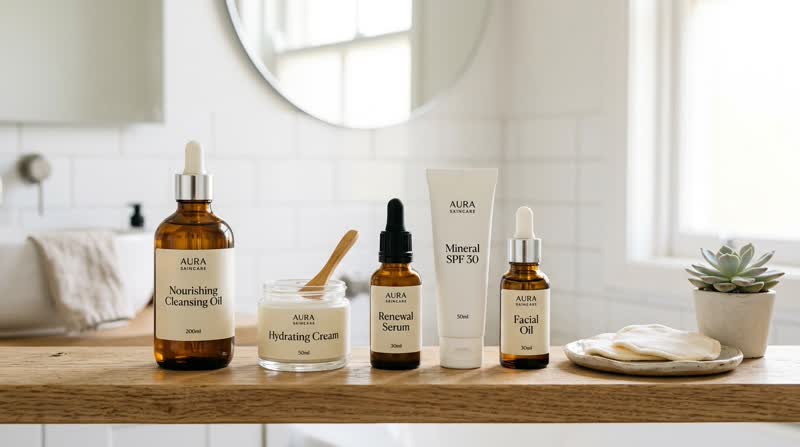
The Truth About “Clean Beauty” Nobody Tells You
The term clean beauty has become one of the biggest marketing trends in the skincare industry. It suggests that certain products are safer, healthier, or more natural than others. However, the reality behind this label is far more complicated than most people realize. No Official Definition One of the biggest misconceptions is that “clean beauty” has a regulated or scientific definition. It doesn’t. Different brands use the term differently, which means a product labeled as clean by one company might not meet another company’s standards. This lack of consistency makes it more of a marketing term than a scientific category. Natural Doesn’t Always Mean Better Many clean beauty products emphasize natural ingredients. While natural extracts can be beneficial, they are not automatically safer or more effective. Poison ivy is natural, but it is not good for your skin. Similarly, some synthetic ingredients are extremely well-researched, stable, and safe. In fact, they are often more reliable than natural alternatives because they are less likely to contain unknown impurities found in raw plant extracts. The Fear-Based Marketing Problem Clean beauty often relies on fear-based messaging, suggesting that traditional skincare contains "harmful chemicals." However, all skincare ingredients - natural or synthetic - are made of chemicals. Water is a chemical, too. The key factor is concentration, formulation, and safety testing, not whether an ingredient sounds “natural.” What Actually Matters in Skincare Instead of focusing on labels like clean or non-clean, it is more important to look at whether a product is suitable for your skin type, clinically tested, and well-formulated. Ingredients should be chosen based on evidence, not marketing buzzwords. Final Thoughts Clean beauty is not necessarily bad - but it is often misunderstood. Being an informed consumer means looking beyond labels and understanding what actually works for your skin.
I Made One Change and My Skin Improved Overnight
Skincare improvements are often associated with long routines, expensive treatments, and complicated ingredient combinations. But sometimes, a single small change can make a surprisingly big difference. That’s precisely how it unfolded here. The Common Error People Don’t Even Notice One of the most common skincare mistakes is over-exfoliation. Many people believe that scrubbing or using acids frequently will make their skin smoother and clearer. In reality, over-exfoliating damages the skin barrier and leads to irritation, breakouts, and sensitivity. Reducing exfoliation frequency - or stopping it temporarily - can quickly calm the skin and allow it to reset. What Changed in the Routine The only change made was cutting back on active ingredients and allowing the skin to rest. No new products were added. No expensive treatments were introduced. Just fewer steps and less irritation. Within 24 to 48 hours, noticeable improvements began to appear: reduced redness, less tightness, and a more balanced texture. Why Skin Responds So Quickly The skin barrier is capable of recovering faster than most people expect. When irritation stops, the skin begins to repair itself naturally. Oil production normalizes, hydration improves, and inflammation decreases. This is why “doing less” can sometimes produce faster results than adding more products. The skin isn't being "fixed" by a product; it is finally being allowed to function properly on its own. Important Reality Check While overnight improvement is possible in terms of reduced irritation, long-term skin transformation still takes time. Consistency and patience are key for lasting results and addressing deeper concerns like hyperpigmentation or fine lines. Final Conclusion Sometimes the best skincare decision is not adding something new, but removing what is harming your skin. Small changes can lead to surprisingly fast improvements when the skin is given space to recover.
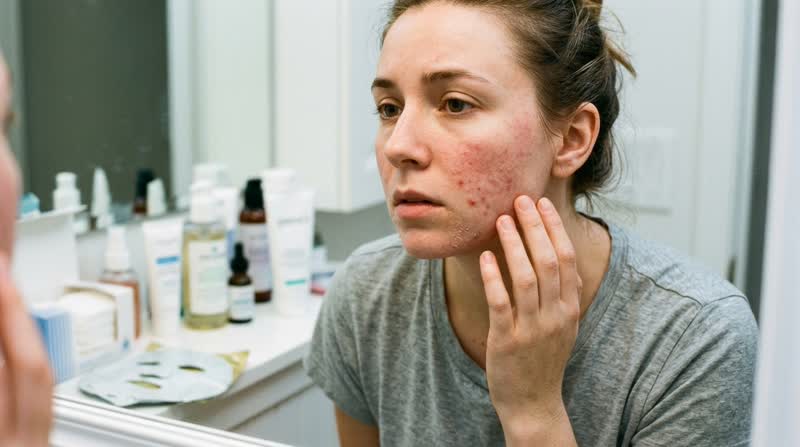
This Is What Actually Clears Stubborn Acne
Understanding Why Acne Keeps Coming Back Stubborn acne is one of the most frustrating skin concerns because it often doesn’t respond to basic skincare routines. Many people try product after product without understanding the real causes behind persistent breakouts. To effectively clear acne, it’s important to go beyond surface-level treatments and address what is happening beneath the skin. The Real Causes of Persistent Breakouts Acne is not just a surface issue - it is influenced by multiple internal and external factors. Hormonal fluctuations are one of the most common triggers, especially during stress, menstrual cycles, or changes in diet. These shifts increase oil production, which can clog pores and create an ideal environment for acne-causing bacteria. Another major factor is inflammation. When the skin becomes inflamed, breakouts become more red, painful, and longer-lasting. Using harsh products can actually worsen this inflammation and slow down the healing process. What Actually Works for Clearing Acne The most effective acne treatments focus on consistency and skin balance. Key ingredients include: Salicylic Acid: Helps unclog pores by penetrating deep into the oil layer. Benzoyl Peroxide: Targets acne-causing bacteria directly. Retinoids: Speed up cell turnover and prevent clogged pores from forming in the first place. However, these ingredients only work when used correctly. Overusing active ingredients can damage the skin barrier and ultimately make acne worse. Lifestyle Factors That Matter More Than You Think Diet, sleep, and stress levels all play a significant role in acne severity. High sugar intake can increase insulin levels, triggering more oil production. Lack of sleep slows down skin repair, while chronic stress increases cortisol, a hormone closely linked to breakouts. Final Thoughts There is no instant cure for stubborn acne, but there is a clear path to improvement. A combination of the right ingredients, a gentle routine, and healthy lifestyle habits is what truly clears acne over time.

Stop Following These Skincare Myths
Skincare advice is everywhere - social media, influencers, advertisements, and even friends. Unfortunately, not all of it is accurate. Many popular beliefs about skincare are outdated or completely incorrect, and following them can actually harm your skin. Myth 1: You Need to Feel a Product Working A common myth is that skincare products must sting or tingle to be effective. In reality, irritation is not a sign of performance - it is often a sign of damage. Healthy skincare should work without causing discomfort. If a product burns, it’s likely compromising your skin barrier rather than "working harder." Myth 2: Oily Skin Doesn’t Need Moisturizer Oily skin still needs hydration (water content), even if it has plenty of oil (sebum). When you skip moisturizer, your skin may produce even more oil to compensate for the lack of moisture, leading to increased shine and potentially more breakouts. Myth 3: Natural Ingredients Are Always Better While natural ingredients can be beneficial, they are not automatically safer or more effective. Many plant extracts can be highly irritating, allergenic, or unstable when exposed to light and air. Meanwhile, synthetic ingredients are often more thoroughly tested, purified, and predictable in their performance. Myth 4: More Products Equal Better Skin Using too many products at once can overwhelm the skin and disrupt its protective barrier. A simple routine is often more effective than a complicated one filled with overlapping active ingredients. Over-layering often leads to chemical conflicts that cause more problems than they solve. The Importance of Evidence-Based Skincare Instead of following trends or viral advice, it’s better to rely on proven ingredients and dermatological research. Understanding your specific skin type and its unique needs is far more effective than chasing myths or "miracle" labels. Final Thoughts Breaking free from skincare myths can simplify your routine and improve your skin health. The key is not doing more, but doing what actually works. When you stop listening to the noise, your skin finally has a chance to find its balance.

The Glow Secret Everyone Is Copying
Glowing, radiant skin has become one of the most desired beauty goals in recent years. Social media is full of influencers showcasing smooth, luminous complexions that look almost unreal. But behind this “glow secret” is not magic - it’s consistency and skin health. The Foundation of Real Skin Glow True skin glow comes from healthy skin cells reflecting light evenly. This happens when the skin is well-hydrated, smooth in texture, and free from excessive buildup of dead skin cells. It is not achieved through a single "miracle" product, but through a combination of intentional habits. Hydration Is the Real Game-Changer One of the biggest contributors to glowing skin is hydration. Using moisturizers with ingredients like hyaluronic acid, glycerin, and ceramides helps the skin retain water and improve its natural radiance. Drinking enough water also supports skin function from the inside out, providing a baseline for health. Gentle Exfoliation for Smooth Texture Mild exfoliation helps remove dead skin cells that can make the skin appear dull. However, overdoing it can damage the skin barrier and cause inflammation. The goal is to maintain smoothness, not strip the skin bare. Chemical exfoliants like AHAs and BHAs are often more effective and gentle than harsh physical scrubs. Lifestyle Habits Behind the Glow Sleep, diet, and stress management play a major role in how your skin looks. Poor sleep can make skin look tired and uneven, while a balanced diet rich in antioxidants supports skin repair and brightness. Even the most expensive serums cannot fully replace the benefits of a healthy lifestyle. Final Conclusion The “glow secret” everyone is copying is not a single product - it is a combination of hydration, gentle care, and consistency. Real glow comes from healthy, balanced skin, not filters or shortcuts.
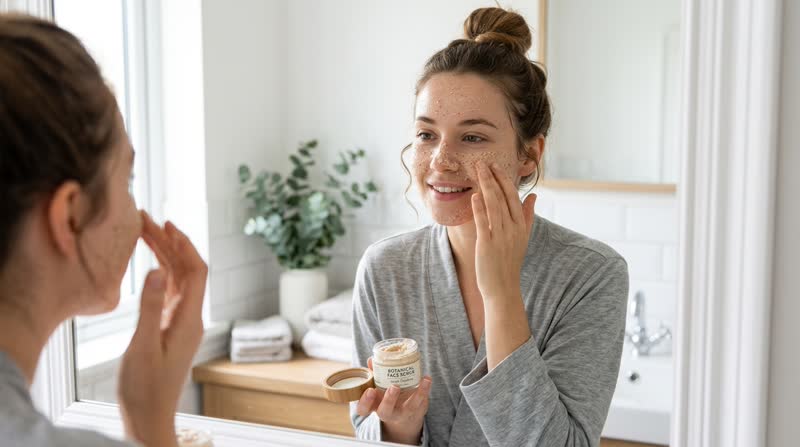
You’re Over-Exfoliating—And It Shows
Exfoliation is an important part of skincare, but it is also one of the most commonly overused steps. Many people believe that exfoliating more often will lead to smoother, clearer skin. In reality, over-exfoliation is one of the fastest ways to damage the skin barrier. What Over-Exfoliation Actually Does to Your Skin When the skin is exfoliated too frequently, it loses its protective outer layer. This leads to increased sensitivity, redness, dryness, and even breakouts. Instead of improving skin texture, excessive exfoliation often makes it worse. The skin barrier is responsible for keeping moisture in and irritants out. Once it is weakened, the skin becomes reactive and unpredictable. This is why over-treated skin often looks more "textured" than healthy skin. Signs You Are Over-Exfoliating Common signs include tightness after cleansing, stinging when applying even basic products, increased breakouts, and visible redness. Many people mistake these symptoms for “purging,” but they are often signs of inflammation and barrier damage. If your skin looks shiny but feels dry, it’s likely over-exfoliated. How Often Should You Exfoliate? Most skin types only need exfoliation one to three times per week, depending on the product and your sensitivity level. Sensitive skin may require even less. The key is allowing the skin enough time to recover and regenerate between exfoliation sessions. Repairing a Damaged Skin Barrier If your skin is already over-exfoliated, the best solution is to simplify your routine immediately. Focus on: Gentle Cleansing: Use non-foaming, pH-balanced cleansers. Deep Hydration: Look for humectants like glycerin. Barrier Repair: Use ingredients like ceramides and panthenol to rebuild the lipid layer. Avoid all strong actives - including retinoids and Vitamin C - until the skin completely stabilizes. Final Thoughts Exfoliation is helpful when done correctly, but harmful when overused. Healthy skin is not achieved by stripping it - it is achieved by supporting and protecting it.
This Routine Is Going Viral for a Reason
Why Everyone Is Suddenly Talking About This Skincare Method Every year, a new skincare routine goes viral online, but only a few actually stick around. The latest viral routine has gained massive attention because it does something most complicated routines fail to do - it simplifies skincare while improving results. What the Viral Routine Actually Is At its core, this routine is extremely minimal. It usually includes just three to four steps: a gentle cleanser, a hydrating moisturizer, sunscreen during the day, and optionally one active ingredient at night, such as niacinamide or retinol. There are no 10-step layering systems, no unnecessary serums, and no aggressive exfoliation schedules. The focus is on consistency and skin barrier health rather than overloading the skin with products. Why It Works Better Than Complex Routines The reason this routine is going viral is simple: it actually works for a wide range of skin types. Many people damage their skin barrier by using too many active ingredients at once. This leads to irritation, dryness, breakouts, and sensitivity. By reducing the number of products, the skin is given time to recover and function naturally. When the barrier is healthy, skin becomes more balanced, less reactive, and more resilient. Less interference leads to better regulation. The Science Behind the Simplicity The skin is designed to protect and repair itself. Over-cleansing or over-treating disrupts this natural process. A simplified routine helps maintain the lipid barrier, which is essential for hydration and protection against environmental stressors. Instead of constantly trying to “fix” the skin with external inputs, this routine supports the skin's biological functions. Real-Life Results People Notice Users who switch to this routine often report clearer skin, fewer breakouts, and reduced redness within a few weeks. Another surprising result is improved texture, as the skin is no longer irritated by constant product overload and chemical conflicts. Final Thoughts The viral routine is popular not because it’s trendy, but because it works. Sometimes, the most effective skincare approach is not adding more steps - but removing unnecessary ones. Efficiency often hides in simplicity.
The Biggest Skincare Lies You Still Believe
The skincare industry is full of advice, trends, and viral tips. Unfortunately, not all of it is accurate. Many people follow skincare rules that sound convincing but are actually misleading or outdated. Lie #1: Expensive Products Are Always Better One of the biggest misconceptions is that a higher price tag translates to higher quality. In reality, many affordable skincare products contain the same active ingredients as luxury brands. What matters most is formulation and ingredient stability, not the branding or packaging. A well-formulated drugstore moisturizer can easily outperform a high-end product if it is better suited to your specific skin needs. Lie #2: You Need a Complicated Routine for Good Skin Social media often promotes elaborate skincare routines with 10 or more steps. However, more products do not equal better skin. Overloading your skin with layers of serums and toners can lead to irritation and barrier damage. Most people only need three essentials: a cleanser, moisturizer, and sunscreen. Lie #3: Natural Ingredients Are Always Safer The idea that “natural” automatically means “better” is misleading. Poison ivy and essential oils can be natural, but they are often highly irritating. Conversely, many synthetic ingredients are designed to be stable, well-researched, and hypoallergenic. Safety depends on formulation and concentration, not whether an ingredient was grown in a field or created in a lab. Lie #4: You Can Shrink Your Pores Permanently Pore size is largely determined by genetics and skin elasticity. While you can improve their appearance by keeping them clear of debris and reducing oil buildup, you cannot permanently "shrink" them. Products claiming to close pores are usually just temporarily tightening the skin surface. Lie #5: Skincare Should Work Instantly Good skincare takes time. Expecting overnight results often leads to disappointment and the dangerous habit of overusing active ingredients. Most ingredients, like retinoids or vitamin C, need weeks or even months of consistent use before visible changes in skin texture or tone appear. Final Thoughts Skincare becomes much easier when you stop believing common myths. Understanding what actually works helps you build a routine that is simple, effective, and realistic. When it comes to your skin, the truth is often much less complicated than the marketing suggests.

I Finally Understood Skincare - And Everything Changed
For years, skincare felt confusing. I tried countless products, followed trends, and constantly changed my routine. Nothing seemed to work long-term. My skin was either breaking out, too dry, or irritated. The turning point came when I stopped trying to do everything at once. What I Was Doing Wrong My biggest mistake was overcomplicating my routine. I was layering too many active ingredients, exfoliating too often, and constantly switching products. Instead of helping my skin, I was overwhelming it. This led to a damaged skin barrier, which caused even more breakouts and sensitivity. The Shift That Changed Everything Instead of adding more products, I simplified everything. I reduced my routine to the basics: a gentle cleanser, a moisturizer, and sunscreen. I stopped looking for shortcuts and started prioritizing consistency instead. At first, it seemed almost too simple to be effective. But within a few weeks, my skin started to stabilize. It turns out that skin doesn't need to be "cured" - it needs to be supported. What Actually Improved My Skin The biggest improvement came from repairing my skin barrier. Once I stopped irritating my skin, it naturally became less reactive. Breakouts became less frequent, redness decreased, and my skin texture started to smooth out. I also realized that deep hydration mattered far more than harsh treatments for achieving a healthy look. The Real Lesson About Skincare Skincare is not about how many products you use - it’s about how well your skin can function. When the barrier is healthy, most skin problems improve on their own. Consistency, patience, and simplicity matter more than chasing the latest trend. Final Thoughts Understanding skincare changed everything for me. Once I stopped overdoing it and focused on the basics, my skin finally improved. Sometimes, the best routine is the one you can actually stick to without stress.