


Art Articles
The Story Behind the Eiffel Tower
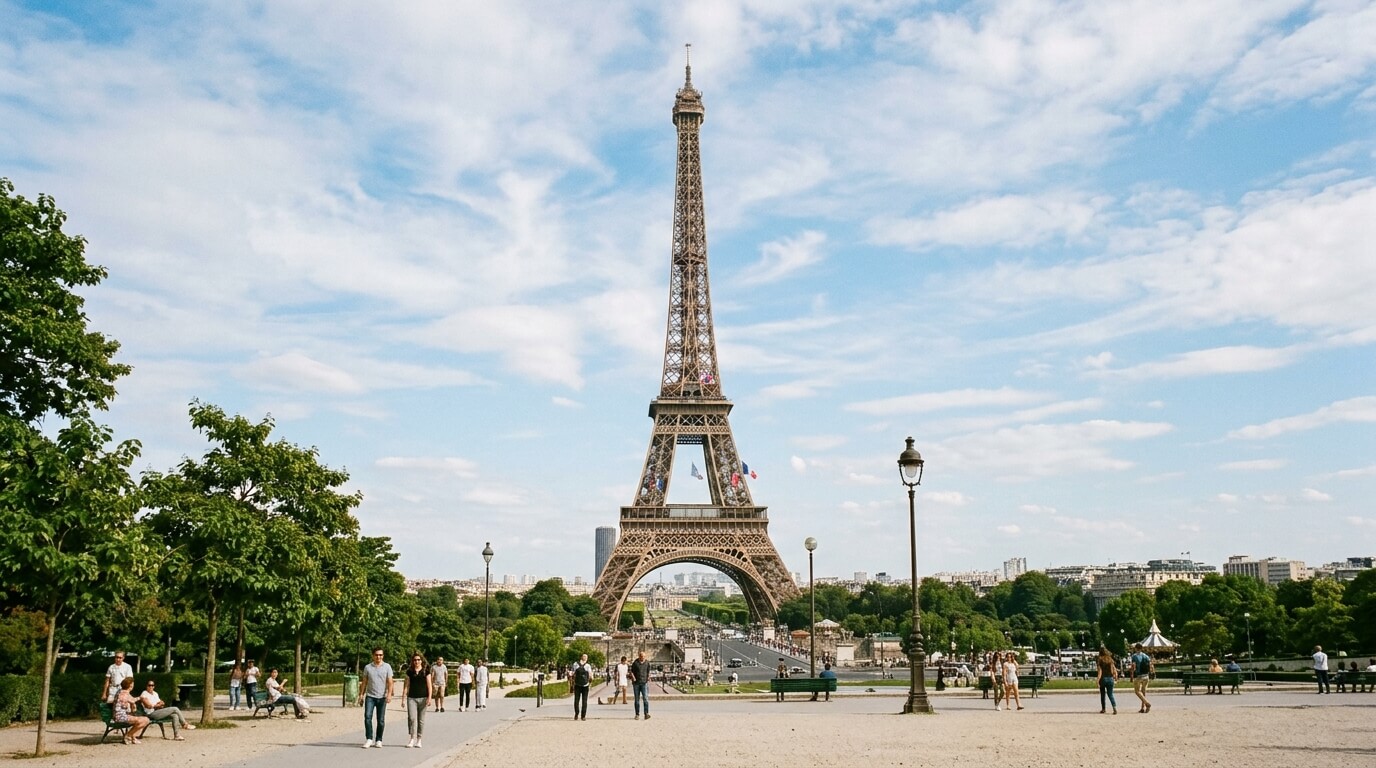
The Eiffel Tower is widely regarded as one of the world's most recognizable landmarks. Standing proudly in the heart of Paris, the tower has become a global symbol of romance, culture, and architectural innovation. Yet when it was first introduced, many people considered it a strange and unattractive structure. The Eiffel Tower was designed by engineer Gustave Eiffel for the 1889 World’s Fair, which celebrated the 100th anniversary of the French Revolution. Construction started in 1887 and was completed in just over two years. At the time, building a 300-meter iron tower was considered an incredible engineering achievement. Surprisingly, the tower faced strong criticism from famous artists and writers in Paris. Many believed it would ruin the beauty of the city’s historic skyline. Despite the protests, the structure quickly attracted attention from visitors around the world and soon became one of France’s most beloved monuments. Originally, the Eiffel Tower was meant to stand for only 20 years. However, its value as a radio transmission tower helped save it from demolition. During the 20th century, it played an important role in communication and later became one of the most visited tourist attractions on Earth. Today, millions of people visit the Eiffel Tower every year to admire its breathtaking views and unique design. Illuminated at night with thousands of sparkling lights, it remains a timeless icon of Paris and one of the greatest achievements in modern engineering.
Why the Colosseum Still Amazes the World
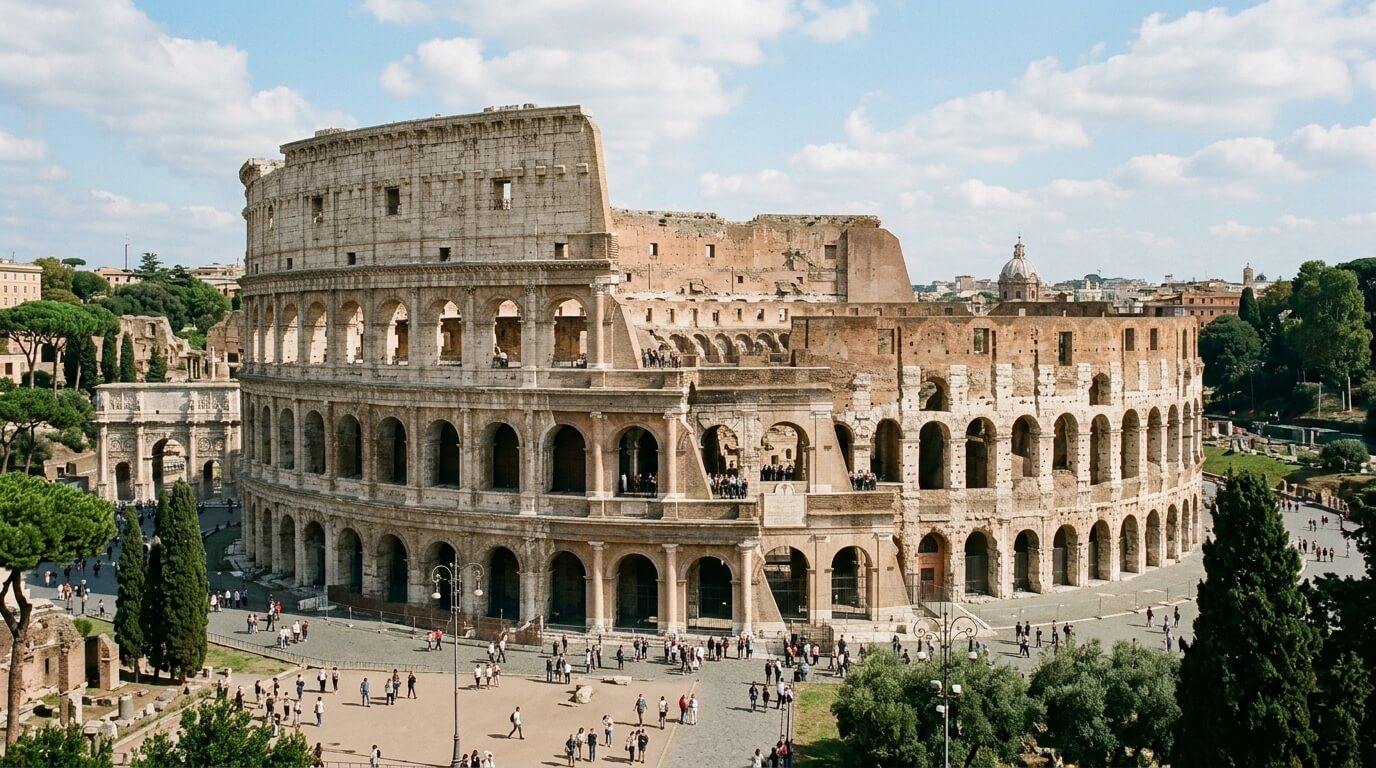
The Colosseum is one of the most iconic structures ever built, and even after nearly 2,000 years, it continues to fascinate visitors from all over the world. Located in the heart of Rome, it stands as a powerful reminder of the scale and ambition of the ancient world. Built during the time of the Roman Empire, the Colosseum was completed in 80 AD under Emperor Titus. It was designed as a massive amphitheater that could hold up to 50,000 spectators, who gathered to watch gladiator battles, animal hunts, and public spectacles. What makes the Colosseum truly remarkable is its engineering. Despite being constructed almost entirely without modern technology, it featured a complex system of vaults, corridors, and trapdoors that allowed for smooth crowd movement and dramatic performances. Even today, architects study its design for inspiration. Over the centuries, earthquakes, fires, and stone removal have damaged parts of the structure, yet its main skeleton still stands strong. This resilience adds to its mysterious beauty, showing how durable Roman construction truly was. Today, the Colosseum is one of the most visited landmarks in the world and a symbol of ancient Roman culture. It continues to amaze not only because of its size, but because it connects us directly to a civilization that shaped much of modern Europe.
Inside the Beauty of the Taj Mahal
The Taj Mahal is often described as one of the most beautiful buildings in the world, but its true magic goes far beyond its white marble exterior. Resting beside the Yamuna River, it is celebrated for its design, emotional depth, and perfect symmetry. The monument was commissioned by the Mughal emperor Shah Jahan in memory of his beloved wife Mumtaz Mahal, who died in 1631. Their love story became the inspiration for one of the most extraordinary architectural achievements in history. Built during the height of the Mughal Empire, the Taj Mahal combines Persian, Islamic, and Indian architectural styles. Its perfect symmetry, delicate carvings, and detailed marble inlay work create a sense of harmony that feels almost unreal. Inside the main structure, visitors find a quiet, dimly lit space where the cenotaphs of Shah Jahan and Mumtaz Mahal rest. Although the real tombs are located in a lower chamber, the atmosphere above still carries a deep sense of peace and reverence. One of the most striking features of the Taj Mahal is how it changes appearance throughout the day. It glows pink at sunrise, bright white under the midday sun, and soft gold in the moonlight, giving it a living, almost emotional presence. Today, the Taj Mahal stands not only as a UNESCO World Heritage Site, but also as a timeless symbol of love and artistic perfection that continues to inspire millions of visitors every year.
The Secrets of Machu Picchu
Hidden high in the Andes Mountains, the Machu Picchu remains one of the most mysterious archaeological sites in the world. Often called the “Lost City of the Incas,” it continues to raise questions about its true purpose and the people who built it. Machu Picchu was constructed during the time of the Inca Empire in the 15th century. Built under the rule of Emperor Pachacuti, it is believed to have been a royal estate, religious site, or possibly both. Its exact purpose remains a subject of debate among historians. What makes Machu Picchu so impressive is its location and engineering. The Incas built the city without wheels, iron tools, or mortar, yet the massive stone blocks fit together perfectly. The structures have survived centuries of earthquakes due to this precise construction technique. Another unanswered question is why the city was eventually abandoned. When the Spanish arrived in South America, Machu Picchu was never found, which likely saved it from destruction. It remained hidden from the outside world until its rediscovery in 1911 by explorer Hiram Bingham. Today, Machu Picchu is one of the most visited sites in South America and a symbol of Incan ingenuity. Surrounded by mist and mountains, it still feels like a place where history and mystery meet in perfect balance.
How the Great Wall of China Was Built
The Great Wall of China is considered one of the greatest construction achievements in human history. Extending thousands of kilometers across mountains, deserts, and valleys, it was originally built to defend ancient China against invasions and enemy forces. Construction of the wall began more than 2,000 years ago during the rule of Qin Shi Huang, the founder of the Qin Dynasty. Instead of creating one continuous wall at first, workers connected and expanded smaller defensive walls that already existed in different regions. Building the Great Wall was an enormous challenge. Millions of soldiers, workers, and prisoners were involved in the project over many centuries. Since modern machinery did not exist, materials such as stone, wood, earth, and bricks had to be carried by hand or transported with animals. Different sections of the wall were built using local materials. In mountain areas, builders used stone, while in desert regions they often used compacted earth and sand. During the Ming Dynasty, significant parts of the wall were rebuilt using stronger bricks and fortified watchtowers, forming some of the best-preserved sections seen today. The wall was not only a military defense system. It also served as a communication network, where smoke signals and fires were used to send warnings quickly across long distances. Today, the Great Wall of China stands as a symbol of determination, engineering, and ancient Chinese civilization. Its massive scale continues to amaze visitors from around the world and remains one of humanity’s greatest architectural achievements.

The History of the Statue of Liberty
Standing at the entrance of New York Harbor, the Statue of Liberty has welcomed millions of people arriving in the United States for more than a century. Far more than a monument, it symbolizes freedom, hope, and new beginnings. The statue was a gift from France to the United States in 1886, created to celebrate the friendship between the two nations and the ideals of liberty and democracy. It was created by French sculptor Frédéric Auguste Bartholdi, while its internal iron framework was engineered by Gustave Eiffel, who later gained worldwide recognition for the Eiffel Tower. Made primarily of copper, the statue originally had a shiny brown color. Over time, exposure to air and weather caused the metal to develop the green patina that is now recognized around the world. This natural layer also protects the statue from further damage. The figure depicts Libertas, the Roman goddess of freedom. She holds a torch high in one hand and a tablet in the other, marked with the date July 4, 1776 — the day the United States declared independence. At her feet, broken chains symbolize freedom and liberation from oppression. For many immigrants arriving by ship in the late 19th and early 20th centuries, the Statue of Liberty was the first sight of America. It became a powerful symbol of opportunity and a hopeful future. Today, the Statue of Liberty remains one of the most famous landmarks in the world. Rising above the harbor, it continues to inspire visitors with its message of freedom and human dignity.
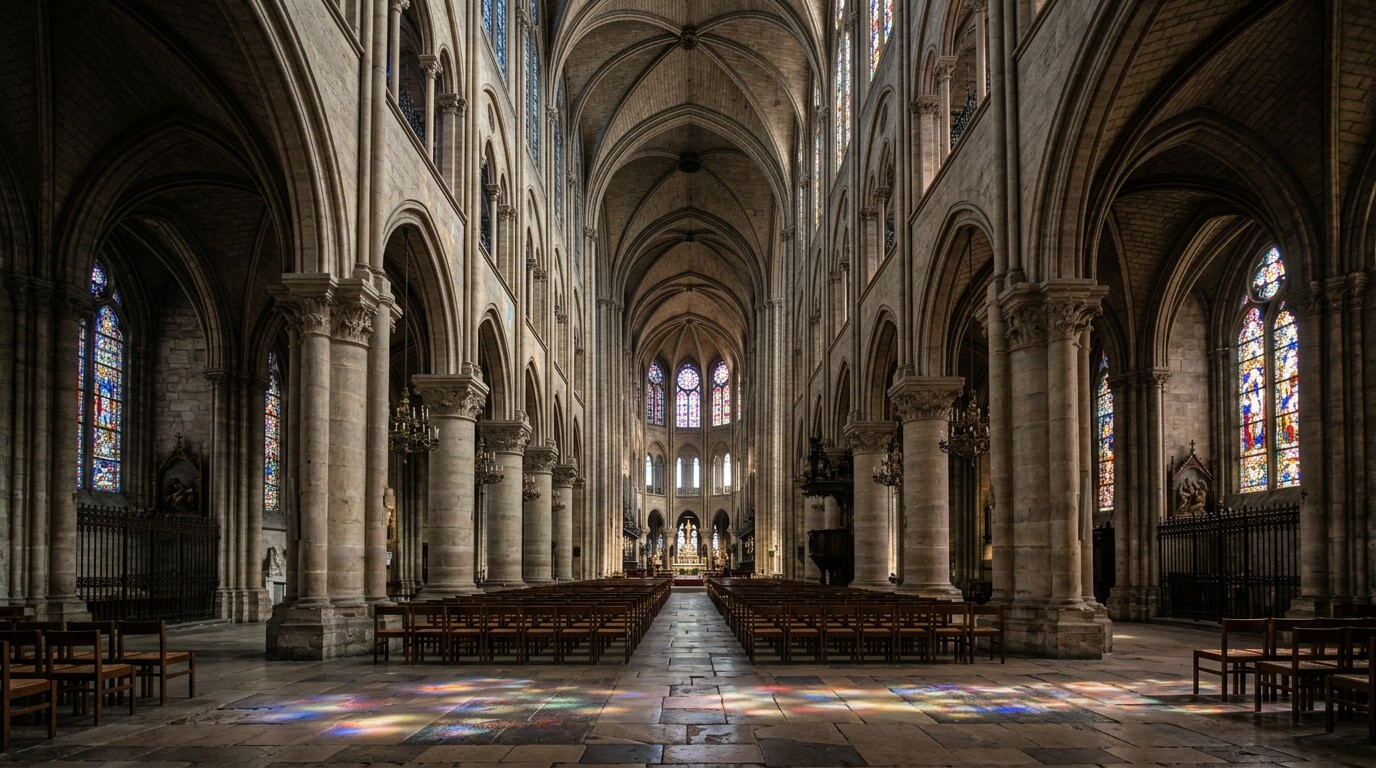
The Architecture of Notre-Dame Cathedral
The Notre-Dame Cathedral is one of the most remarkable examples of Gothic architecture in the world. Located on the Île de la Cité in the heart of Paris, it has stood for centuries as a symbol of faith, history, and artistic achievement. Construction of the cathedral began in 1163 during the medieval period and took nearly 200 years to complete. It was built in the style of French Gothic architecture, which focused on height, light, and intricate detail—creating a sense of grandeur that was revolutionary for its time. One of the most important architectural features of Notre-Dame is its flying buttresses. These external supports allowed builders to create higher walls and larger stained-glass windows without weakening the structure. This innovation made the interior brighter and more open than earlier Romanesque churches. The cathedral is also famous for its stunning rose windows, especially the three large circular designs filled with colorful stained glass. These windows tell biblical stories through light and color, turning the interior into a visual narrative of faith. Over the centuries, Notre-Dame has undergone several restorations. One of the most important was led in the 19th century by architect Eugène Viollet-le-Duc, who helped rebuild parts of the cathedral, including the famous spire that was later destroyed in the 2019 fire. Despite damage and restoration, the cathedral remains a masterpiece of medieval engineering. Its balance of strength and beauty continues to inspire architects and visitors from around the world. Today, Notre-Dame stands not only as a religious monument, but also as a living piece of architectural history—an enduring example of human creativity reaching toward the sky.
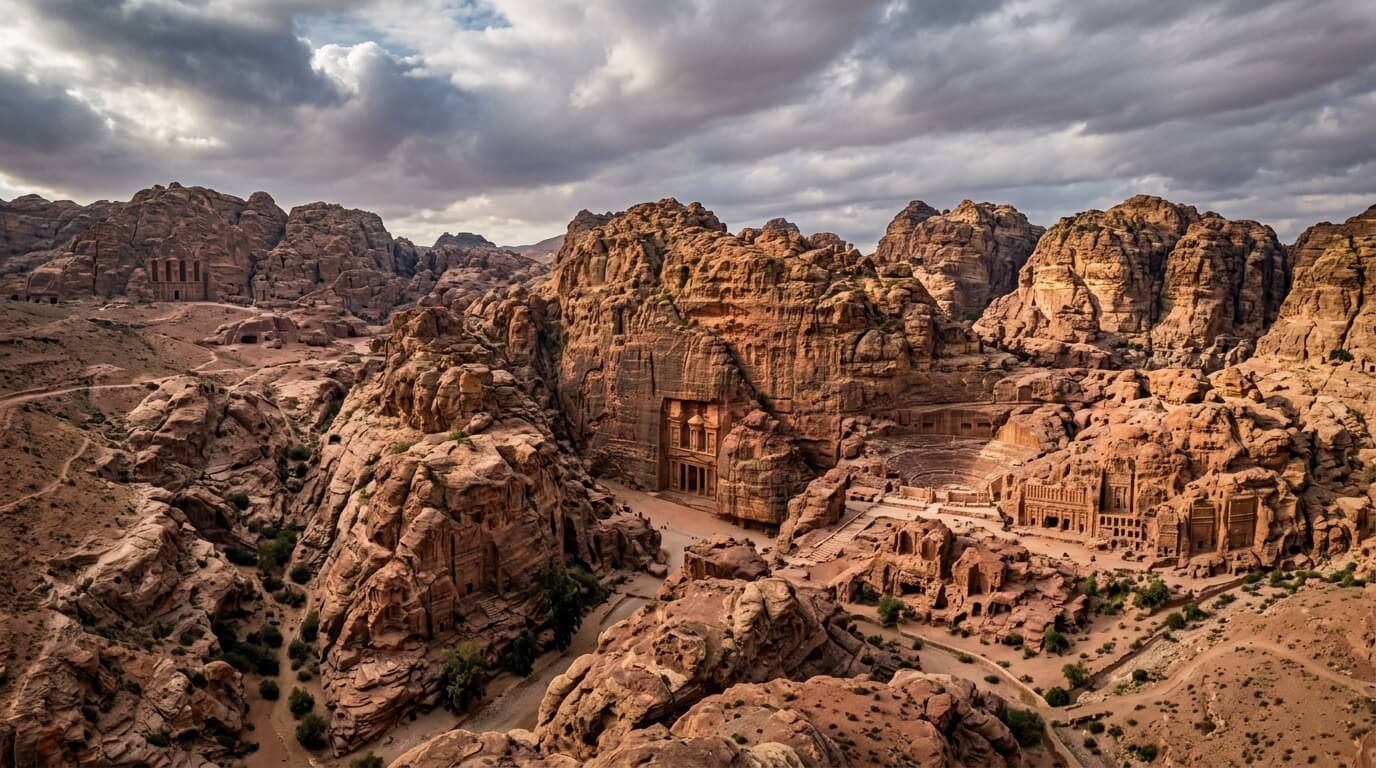
Exploring the Wonders of Petra
The ancient city of Petra is one of the most extraordinary archaeological sites in the world. Hidden among red sandstone cliffs, it was once a thriving city and is now a breathtaking reminder of ancient engineering and culture. Petra was built by the Nabataeans, an ancient Arab civilization that controlled important trade routes across the region. During the time of the Nabataean Kingdom, the city became a major center for commerce, connecting Arabia, Egypt, and the Mediterranean world. One of Petra’s most famous features is its architecture carved directly into the rock. Instead of building structures from separate materials, the Nabataeans sculpted temples, tombs, and facades straight into the sandstone cliffs, creating a unique blend of natural landscape and human design. The most iconic structure is Al-Khazneh, also known as “The Treasury.” Its detailed façade reflects a mix of Hellenistic, Egyptian, and local architectural influences, showing how connected Petra was to different cultures of the ancient world. Petra was also an advanced city in terms of water management. The Nabataeans built sophisticated systems of channels, dams, and cisterns to collect and store water in the desert, allowing a large population to live in an otherwise harsh environment. The city gradually declined after trade routes shifted and was eventually abandoned. For centuries, it remained hidden from the Western world until its rediscovery in 1812 by explorer Johann Ludwig Burckhardt. Today, Petra is one of the New Seven Wonders of the World and a UNESCO World Heritage Site. Its dramatic cliffs, carved monuments, and mysterious history continue to attract visitors who are drawn to its timeless beauty and sense of wonder.
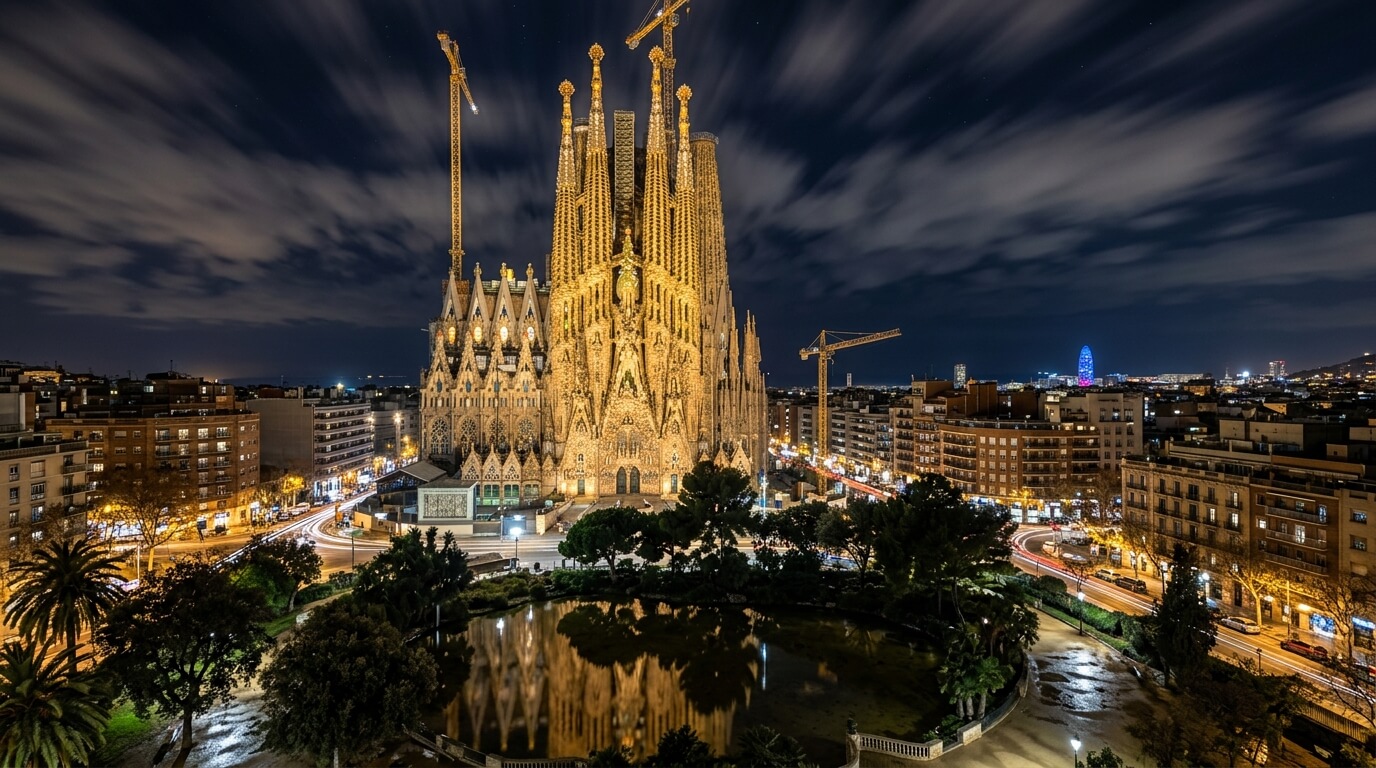
The Symbolism of the Sagrada Família
The Sagrada Familia is one of the most unique and recognizable churches in the world. Located in Barcelona, it is still under construction after more than a century, yet it already stands as a powerful symbol of faith, nature, and artistic imagination. The design was led by the famous architect Antoni Gaudí, who transformed traditional church architecture into something deeply symbolic and organic. Gaudí believed that nature was the ultimate source of inspiration, and this idea is visible in every part of the basilica. Each element of the Sagrada Família carries meaning. The towers, for instance, represent Christian figures such as Jesus Christ, the Virgin Mary, the four Evangelists, and the twelve Apostles. The tallest central tower, dedicated to Jesus, is intended to rise above all others, symbolizing spiritual elevation. Inside, the structure feels like a forest. Columns branch out like trees, and natural light filters through stained glass in shifting colors. This design is meant to create a sense of harmony between nature and the divine, turning the interior into a spiritual experience rather than just an architectural space. The façades also tell different parts of the Christian story. The Nativity Façade celebrates the birth of Christ with detailed, joyful sculptures, while the Passion Façade presents a more dramatic and somber interpretation of suffering and sacrifice. Even today, construction continues, guided by Gaudí’s original vision but supported by modern technology. The Sagrada Família is expected to be completed in the coming years, making it one of the longest-running architectural projects in history. More than just a church, it is a living symbol of devotion, creativity, and the idea that architecture can express deep spiritual meaning through form, light, and structure.
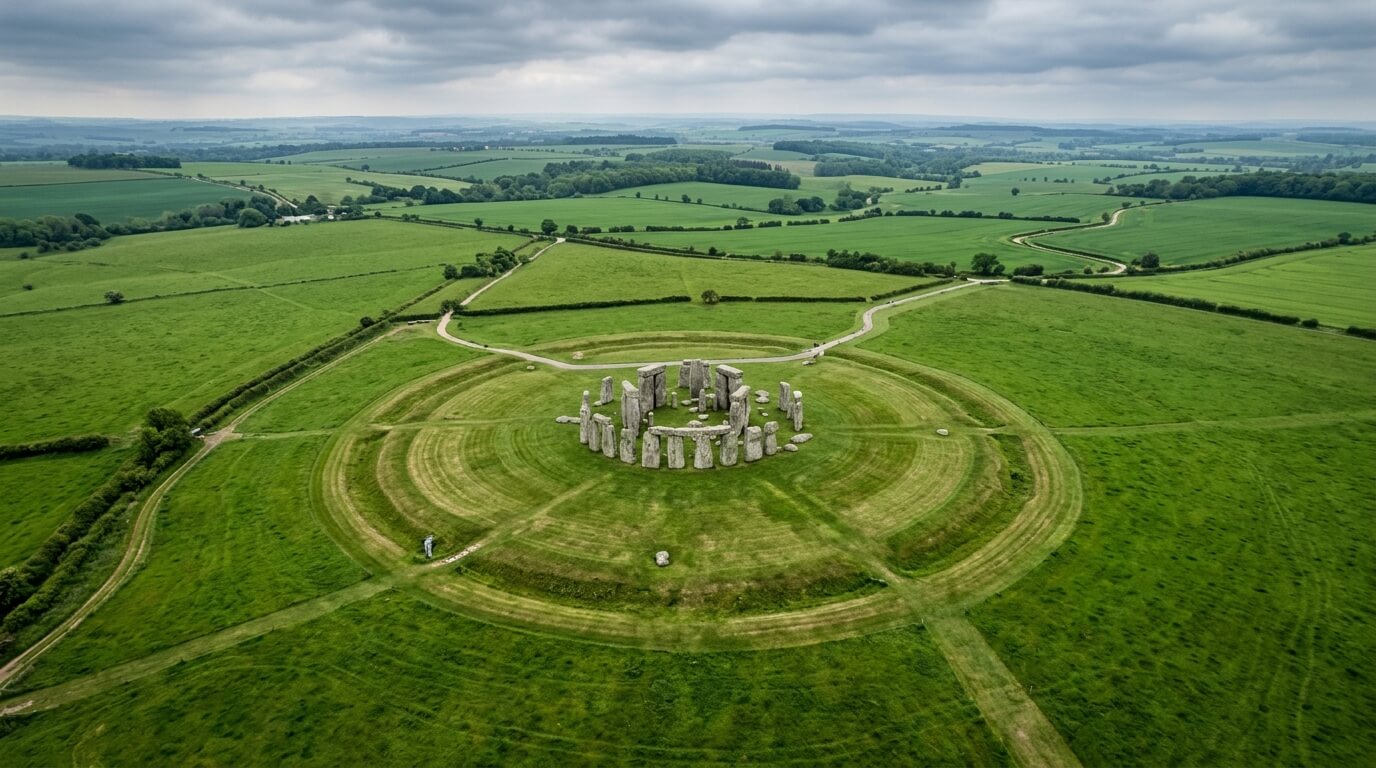
Why Stonehenge Remains a Mystery
The Stonehenge is one of the most mysterious prehistoric monuments in the world. Located on the Salisbury Plain in southern England, it has fascinated historians, archaeologists, and visitors for centuries. Built during the late Neolithic and early Bronze Age periods, Stonehenge was constructed in several stages over thousands of years. Massive stones, some weighing up to 25 tons, were transported from distant locations and arranged in a circular formation that still stands today. What makes Stonehenge so intriguing is that its exact purpose is still unknown. Some researchers believe it was a religious site, possibly connected to ancient rituals or ceremonies. Others suggest it may have been an astronomical calendar used to track the movements of the sun and seasons. The site shows remarkable alignment with the summer and winter solstices. During these times, the sun rises and sets in positions that perfectly match the arrangement of the stones, suggesting that the builders had advanced knowledge of astronomy for their time. Even more puzzling is how the stones were moved and positioned with such precision using only primitive tools. Despite many theories, no single explanation fully solves the engineering and logistical challenges involved in its construction. Today, Stonehenge is part of the UNESCO World Heritage list and continues to attract visitors from around the world. Its silent stone circle stands as a powerful reminder of a lost prehistoric culture and a mystery that still invites curiosity and wonder.
The Fascinating History of the Parthenon
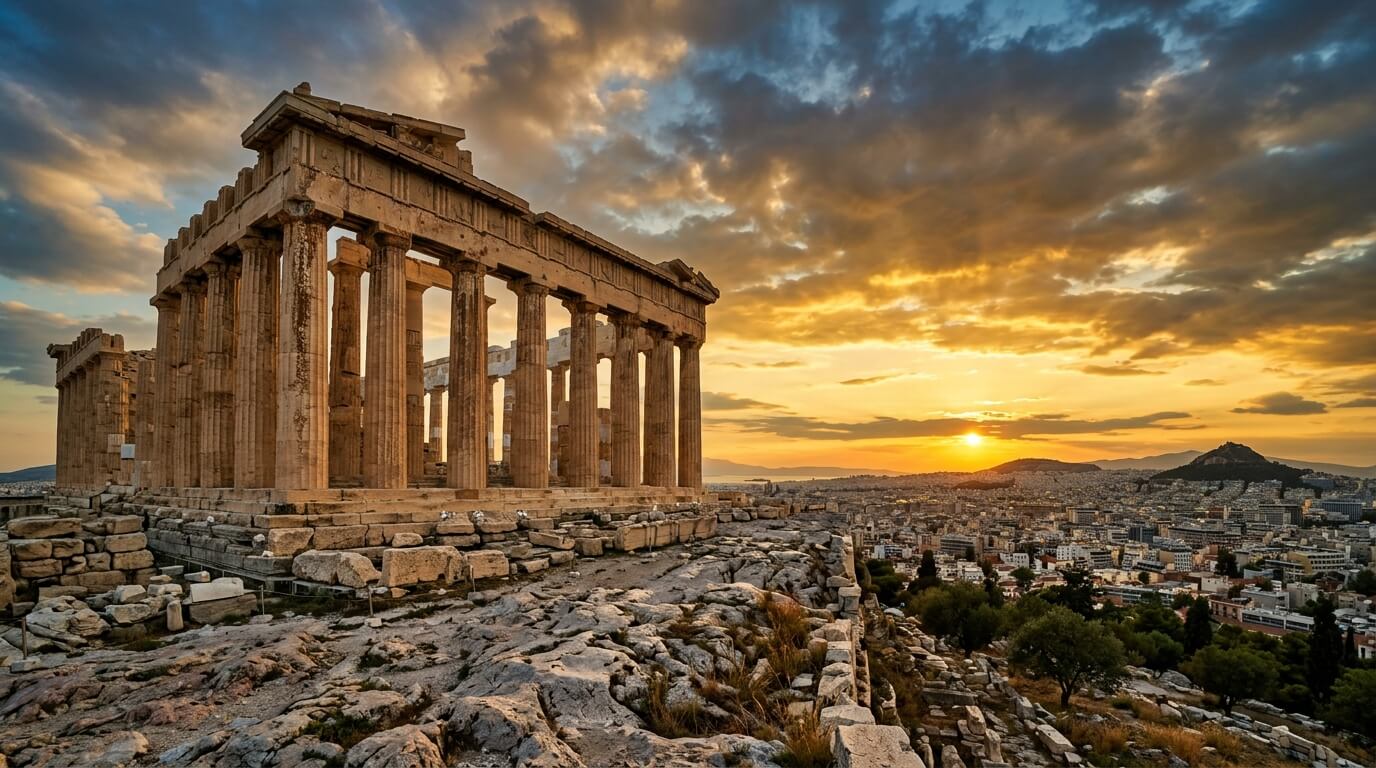
The Parthenon stands proudly on the Acropolis of Athens as one of the greatest achievements of ancient Greek architecture. Even in ruins, it continues to represent the ideals of beauty, balance, and democracy. The temple was built in the 5th century BC during the golden age of Ancient Greece, a time when Athens was at the height of its power and cultural influence. It was commissioned under the leadership of the statesman Pericles as a tribute to the goddess Athena, the city’s protector. Designed by architects Iktinos and Kallikrates, the Parthenon was built using precise mathematical proportions to achieve perfect harmony and visual balance. Every detail was carefully planned, from the spacing of the columns to the slight curves that correct optical illusions. Originally, the temple housed a massive statue of Athena made of gold and ivory, which stood as a symbol of Athenian wealth and devotion. Over time, the building changed function many times, becoming a church, a mosque, and later an archaeological site. The Parthenon has suffered damage through wars, explosions, and centuries of wear, yet its structure still dominates the Athenian skyline. One of the most significant events in its history occurred during the Venetian bombardment of the Acropolis, which caused major destruction to the building. Today, the Parthenon remains a symbol of classical civilization and architectural perfection. Its enduring presence continues to inspire admiration and study, reminding the world of the artistic and intellectual achievements of ancient Greece.
The Artistic Beauty of the Sydney Opera House
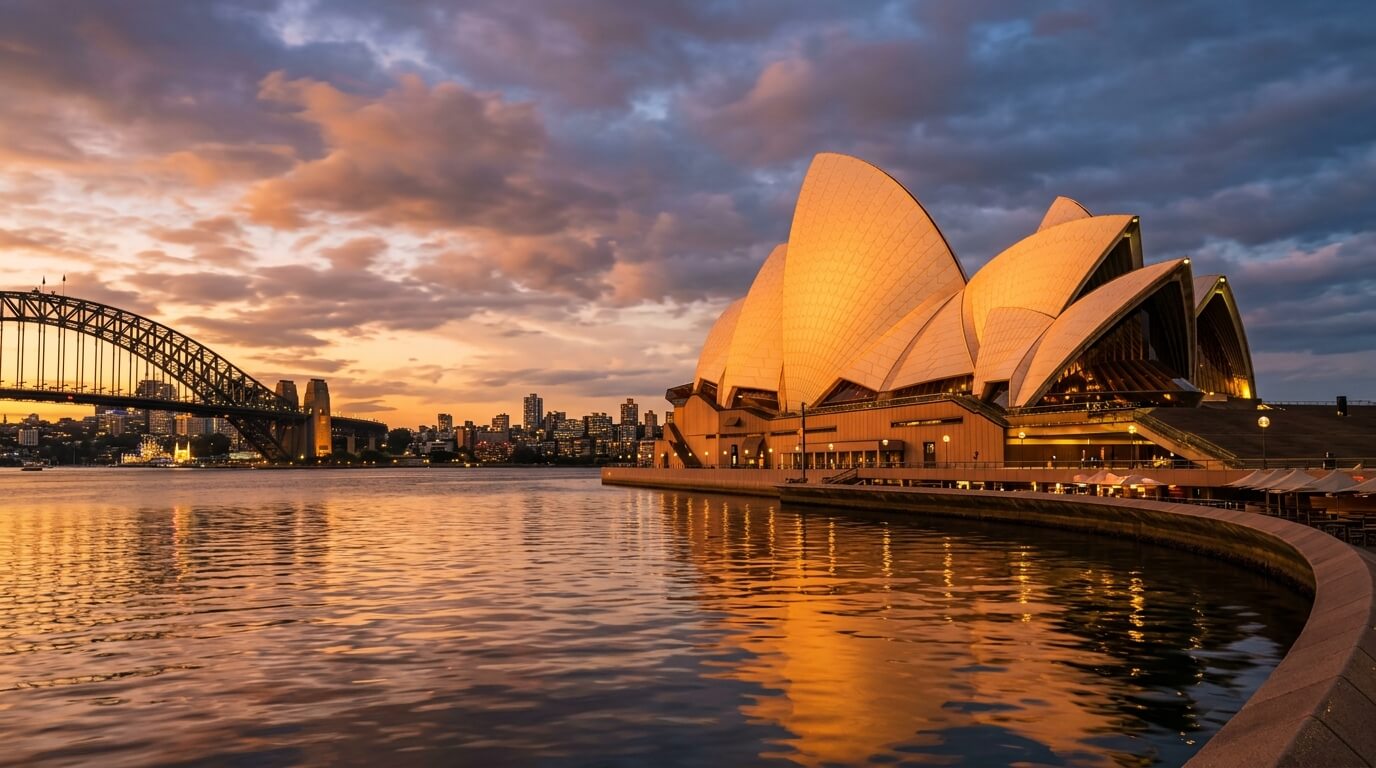
The Sydney Opera House is one of the most recognizable buildings in the world, famous for its striking sail-like design and stunning waterfront location. Situated on Bennelong Point in Sydney Harbour, it has become a symbol of modern architecture and artistic expression. The building was designed by Danish architect Jørn Utzon, whose visionary concept won an international competition in 1957. His design was unlike anything seen before, combining engineering innovation with sculptural beauty inspired by nature, particularly the shapes of sails and seashells. Construction of the Opera House began in 1959 and took more than a decade to complete. The project faced many technical and financial challenges, as the unique roof structures required entirely new engineering solutions. Despite the difficulties, the final result became an architectural masterpiece. The building consists of multiple performance halls, each designed for different types of music, theatre, and opera. Its interiors are just as carefully planned as its exterior, balancing acoustics, functionality, and visual elegance. One of the most impressive aspects of the Sydney Opera House is how it interacts with its surroundings. The white tiled shells reflect sunlight during the day and glow softly at night, creating a constantly changing visual experience depending on the time and weather. Today, the Sydney Opera House is a UNESCO World Heritage Site and a cultural hub that hosts thousands of performances every year. It stands not only as a landmark of Australia, but also as a global icon of creativity and modern architectural design.
Ancient Glory of the Pyramids of Giza
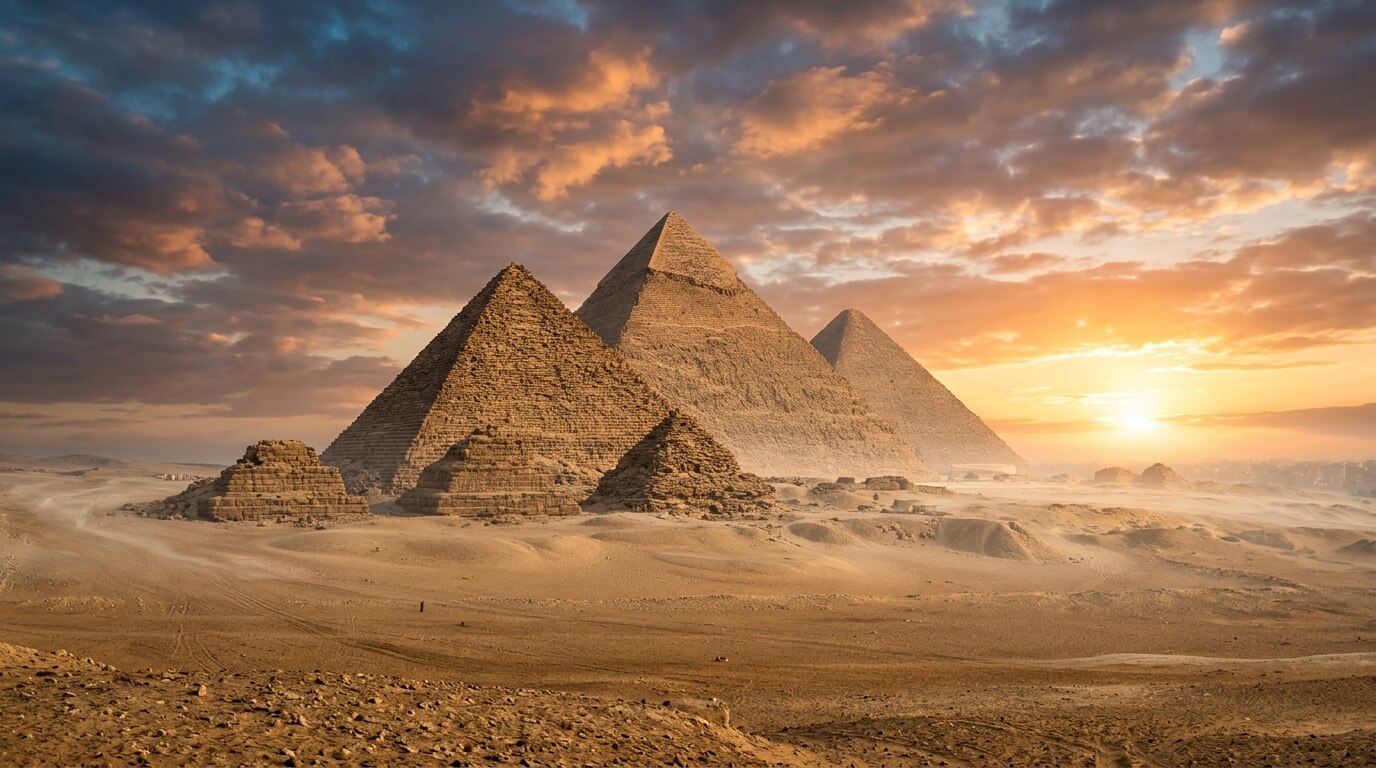
The Pyramids of Giza are among the most famous and enduring monuments in human history. Located on the edge of the desert near Cairo, they have stood for over 4,500 years, still impressing visitors with their remarkable scale and engineering precision. They were constructed during the era of the ancient Egyptian Old Kingdom, under powerful rulers such as Khufu, who ordered the building of the Great Pyramid. These structures were designed as monumental tombs, intended to guide the pharaohs into the afterlife. The most famous of the complex is the Great Pyramid of Khufu, originally standing at around 146 meters tall. For centuries, it was the tallest man-made structure in the world. Alongside it are the pyramids of Khafre and Menkaure, forming a carefully planned architectural complex. What makes the pyramids truly remarkable is their construction. Millions of limestone blocks were cut, transported, and placed with extraordinary precision, all without modern machinery. Despite many theories, the exact methods used by the ancient builders are still debated today. The site also includes the Great Sphinx, a massive limestone statue with the body of a lion and the head of a pharaoh, believed to represent strength and wisdom. Together, these monuments formed a powerful sacred landscape connected to religion and royal authority. Today, the Pyramids of Giza remain one of the most visited and studied archaeological sites in the world. Their scale, mystery, and endurance continue to symbolize the greatness of ancient Egyptian civilization and its lasting influence on human history.

The Rise of the Burj Khalifa
The Burj Khalifa stands as the tallest building in the world, redefining what modern architecture can achieve. Rising dramatically above the skyline of Dubai, it represents ambition, innovation, and the rapid transformation of the city into a global hub. The tower was developed as part of a large-scale urban project in Dubai during the early 21st century, a period when the city was rapidly expanding its economy beyond oil. It was designed by architect Adrian Smith while working with the firm Skidmore, Owings & Merrill, known for some of the world’s tallest skyscrapers. Construction began in 2004 and took six years to complete, officially opening in 2010. Reaching a height of 828 meters, the Burj Khalifa broke multiple records, including the tallest structure, highest occupied floor, and highest outdoor observation deck. Its design was inspired by the shape of a desert flower and traditional Islamic architecture, with a spiraling, stepped structure that helps reduce wind forces at extreme heights. This combination of aesthetics and engineering allowed it to achieve both stability and elegance. Inside, the building contains luxury residences, offices, hotels, and observation areas, making it a vertical city rather than just a skyscraper. Advanced engineering systems ensure comfort even at heights where temperatures and wind conditions are significantly different from the ground. Today, the Burj Khalifa is not only a landmark of Dubai but also a symbol of modern engineering achievement. Its towering presence continues to push the boundaries of what is possible in architecture and construction.
The Timeless Appeal of the Acropolis
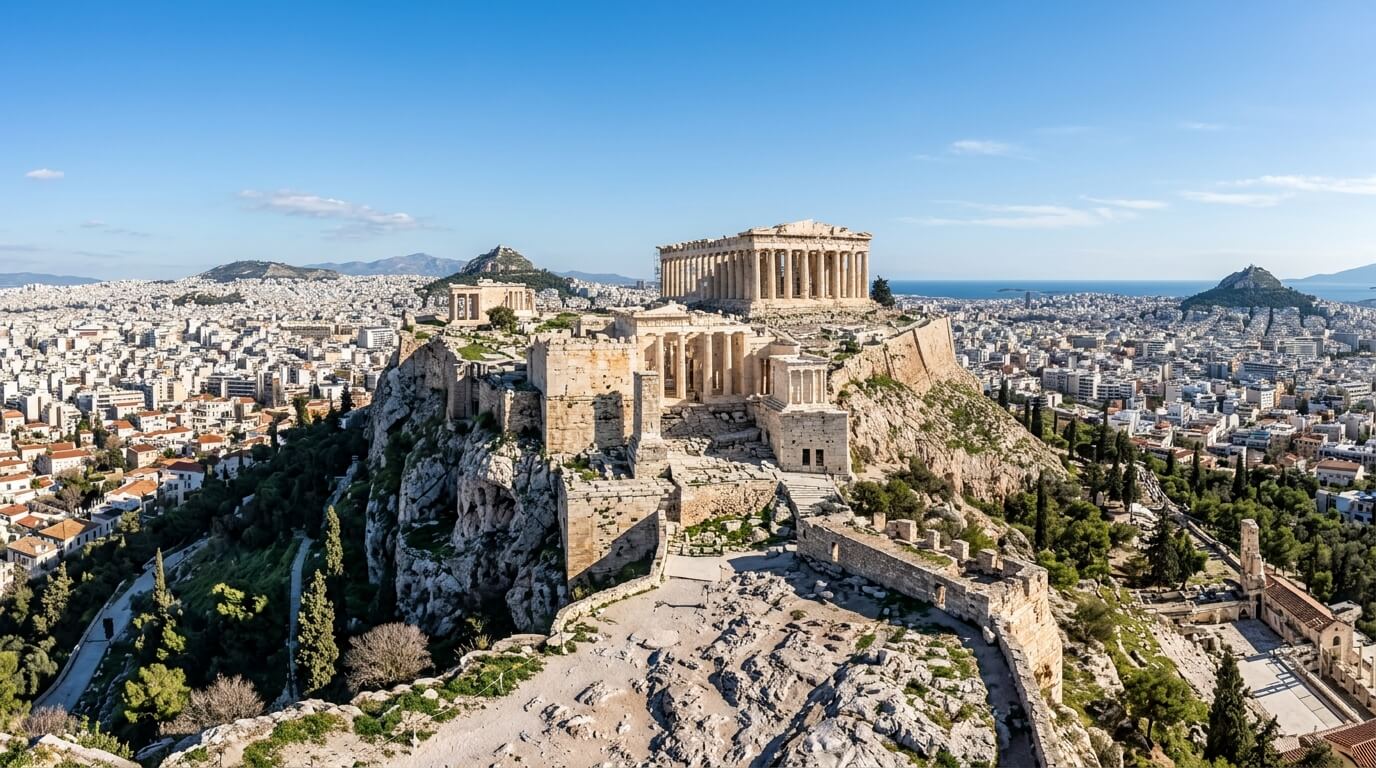
The Acropolis of Athens rises above the city of Athens as one of the most important symbols of ancient civilization. Perched on a rocky hill, it has watched over the city for more than two millennia, representing the birthplace of democracy, philosophy, and classical art. Most of the monuments on the Acropolis were built during the 5th century BC, the golden age of Ancient Greece. This was a time when Athens became a center of political power and cultural development under the leadership of statesmen such as Pericles. The most well-known structure on the Acropolis is the Parthenon, a temple built in honor of the goddess Athena. Its design reflects perfect proportions and mathematical harmony, showing the Greek pursuit of balance and beauty in architecture. Other important buildings include the Erechtheion and the Temple of Athena Nike. One of the most remarkable aspects of the Acropolis is how it combines architecture with its natural setting. The buildings were carefully positioned to interact with the rocky landscape and to be visible from almost anywhere in ancient Athens, reinforcing their symbolic importance. Over the centuries, the Acropolis has been damaged by wars, explosions, and time itself, yet it still dominates the Athenian skyline. Restoration efforts continue today, aiming to preserve its remaining structures while respecting their historical authenticity. Today, the Acropolis is a UNESCO World Heritage Site and one of the most visited cultural landmarks in the world. It continues to inspire architects, historians, and visitors, standing as a timeless reminder of the achievements of ancient Greece and its lasting influence on Western civilization.

The Hidden Stories of Angkor Wat
The Angkor Wat is the largest religious monument in the world and one of the most impressive archaeological sites ever built. Surrounded by dense jungle and vast moats, it feels both majestic and mysterious, as if it belongs to another world. Angkor Wat was constructed in the 12th century during the height of the Khmer Empire under King Suryavarman II. Originally, it was built as a Hindu temple dedicated to the god Vishnu, before gradually transforming into a Buddhist site over time. The temple complex was designed to represent Mount Meru, the sacred mountain in Hindu and Buddhist cosmology. Its layout, with concentric walls and a central tower, symbolizes the universe and the connection between earth and the divine. Every corridor and carving carries religious and cosmic meaning. One of the most fascinating aspects of Angkor Wat is its detailed bas-relief carvings. These long stone panels depict scenes from ancient epics, historical battles, and celestial beings, offering a visual record of Khmer beliefs, politics, and daily life. Despite its grandeur, Angkor Wat was eventually abandoned when the Khmer capital moved away from the region. Over time, the jungle began to reclaim parts of the city, hiding many of its temples until they were rediscovered centuries later. Today, Angkor Wat is recognized as a UNESCO World Heritage Site and stands as a lasting symbol of Cambodia’s cultural heritage and identity. Its hidden stories, carved in stone, continue to reveal the richness of a civilization that once flourished at the heart of Southeast Asia.
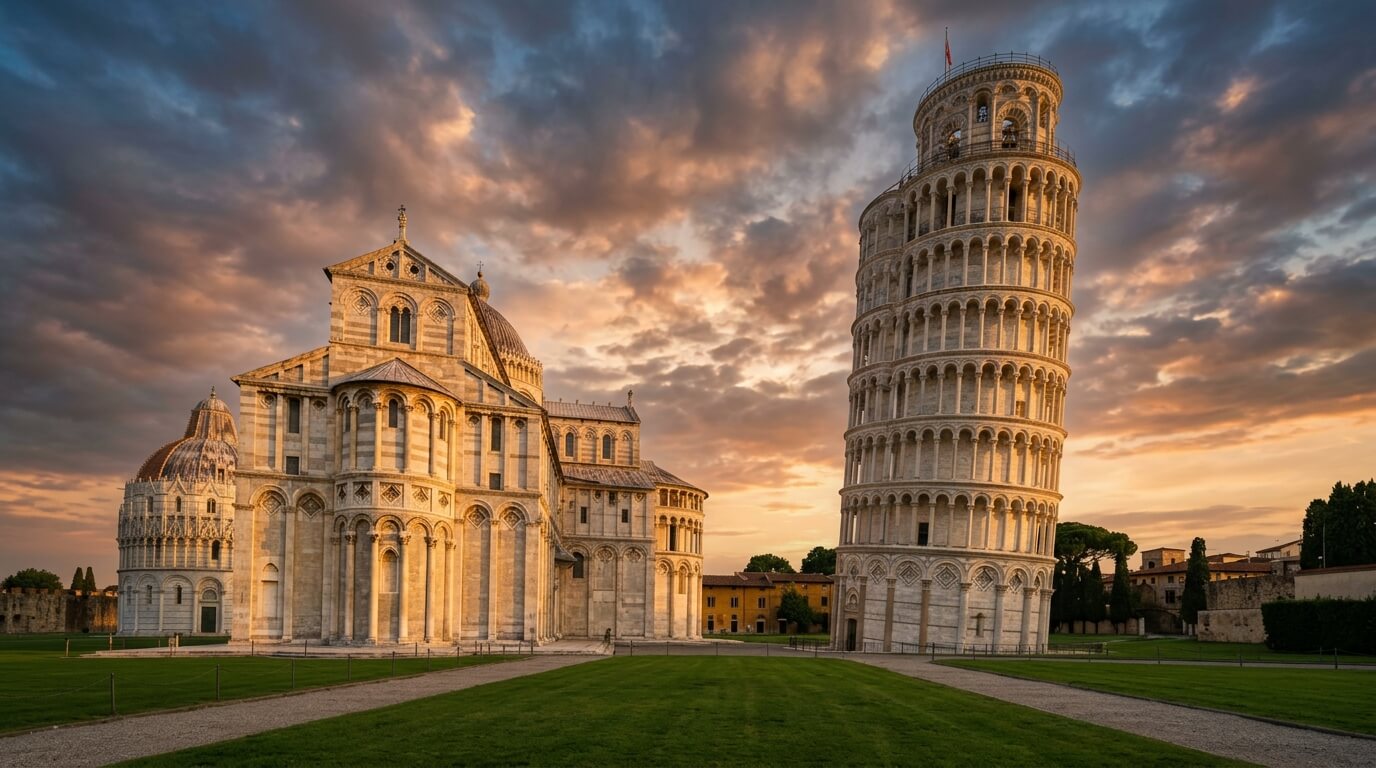
Why the Leaning Tower of Pisa Tilts
The Leaning Tower of Pisa is one of the most unusual and famous architectural landmarks in the world. Known for its unintended tilt, the tower attracts millions of visitors who come to see what appears to be a “mistake” turned into a global icon. Construction of the tower began in 1173 as part of a cathedral complex in Pisa. It was intended to be a free-standing bell tower that would showcase the city’s wealth and importance during the medieval period. However, problems began almost immediately. The main reason for the tilt is the soft, unstable ground beneath the structure. Built on a mixture of clay, sand, and waterlogged soil, the foundation was too shallow to support the heavy marble structure evenly. As construction progressed, one side of the tower began to sink, causing it to lean. The building of the tower also took nearly 200 years, with long pauses due to wars and financial difficulties. These delays actually made the problem worse, as the ground continued to settle unevenly over time. Despite its lean, the tower was completed and continued to stand for centuries. Engineers in modern times have worked carefully to stabilize it, preventing further tilting while preserving its famous angle. Today, the Leaning Tower of Pisa is a UNESCO World Heritage Site and one of Italy’s most recognizable landmarks. What was once an architectural flaw has become a symbol of history, resilience, and accidental beauty.
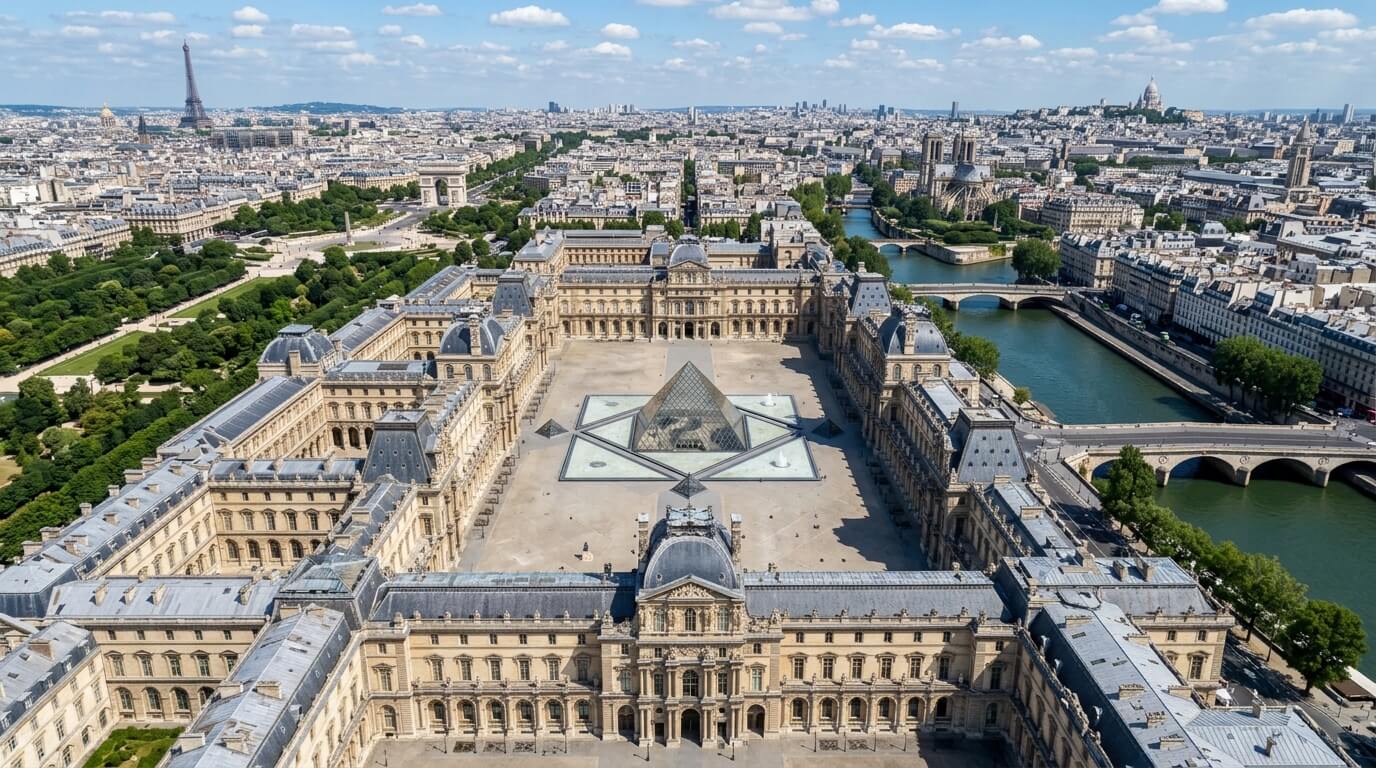
The Magnificent Design of the Louvre Museum
The Louvre Museum is one of the most famous museums in the world, not only for its vast art collection but also for its remarkable architectural evolution. Located in the heart of Paris along the Seine River, it represents a blend of history, royal power, and modern design. Originally built as a fortress in the late 12th century during the reign of King Philip II, the building later transformed into a royal palace before becoming a public museum during the time of the French Revolution. This transformation marked a major shift, turning a symbol of monarchy into a space for public culture and education. The Louvre’s architecture reflects centuries of change. Gothic foundations, Renaissance additions, and classical façades all coexist within the same complex, making it a living timeline of French architectural history. Each wing tells a different story of expansion and artistic taste. One of the most recognizable modern elements is the glass pyramid entrance designed by architect I. M. Pei. Completed in 1989, it contrasts sharply with the historic palace structures, yet it successfully connects old and new in a visually striking way. Inside, the museum is organized into vast galleries that guide visitors through thousands of years of art history, from ancient civilizations to modern masterpieces. The scale of the building itself is part of the experience, making the journey through it feel like exploring a city of art. Today, the Louvre stands as both a masterpiece of architecture and a guardian of human creativity. Its design reflects centuries of transformation, showing how history and modern innovation can exist in perfect balance.
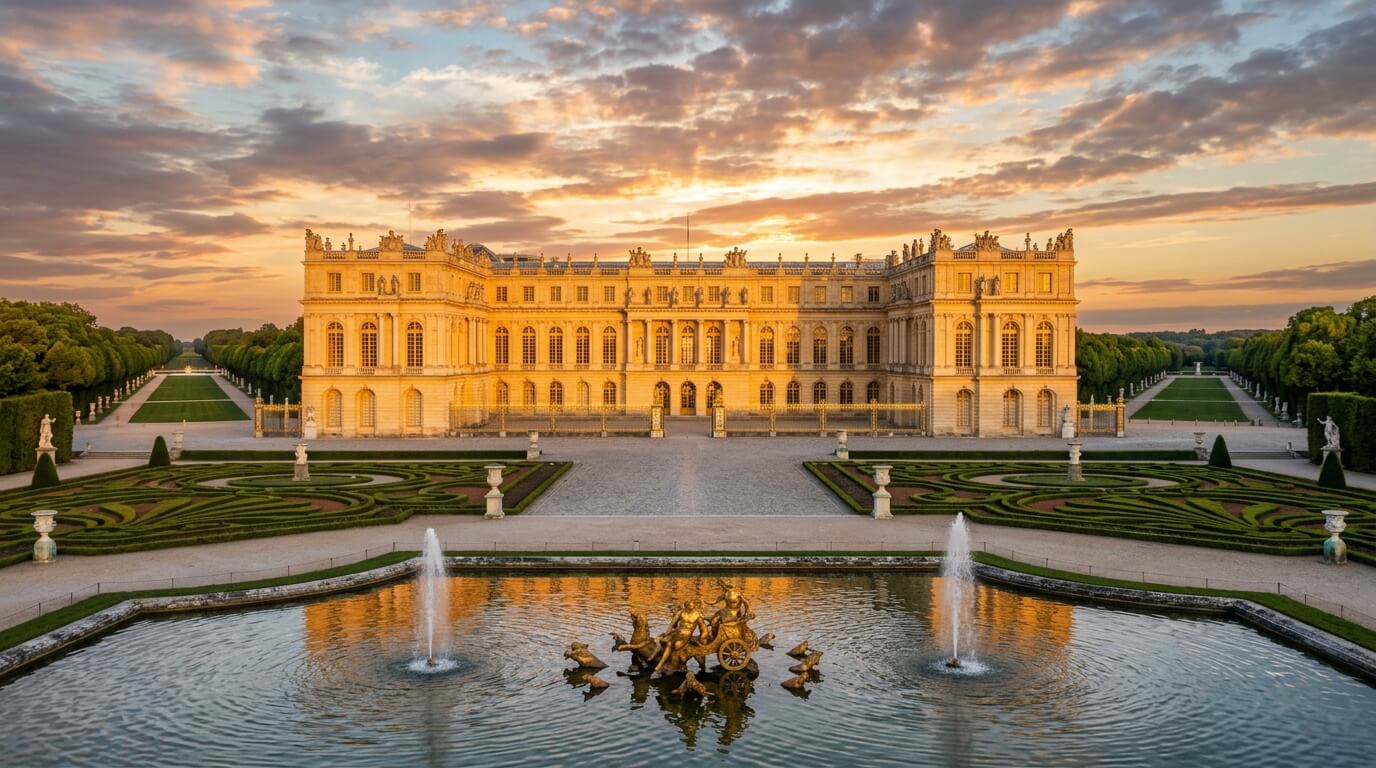
The Legacy of the Palace of Versailles
The Palace of Versailles is one of the most iconic symbols of royal power and artistic grandeur in Europe. Located just outside Paris, it reflects the height of absolute monarchy and the refined aesthetics of French Baroque design. Originally a hunting lodge built for King Louis XIII, the palace was transformed in the 17th century by his son, Louis XIV, who turned it into the political and cultural center of France. His goal was to centralize power and create a court that reflected his authority, famously known as the “Sun King.” The architecture of Versailles is a masterpiece of symmetry, scale, and decoration. Expansive halls, ornate ceilings, and perfectly aligned gardens were designed to impress and to demonstrate control over nature itself. The famous Hall of Mirrors remains one of the most stunning interiors in European architecture. The palace also played a major role in historical events, including the signing of the Treaty of Versailles in 1919, which ended the First World War. This connection links the building not only to royal history but also to modern global politics. The surrounding gardens, designed by landscape architect André Le Nôtre, are equally important. Their geometric patterns, fountains, and long perspectives reflect the same ideals of order and harmony seen in the palace itself. Today, Versailles is a UNESCO World Heritage Site and one of the most visited monuments in France. Its legacy continues to represent artistic excellence, political history, and the peak of French royal ambition.
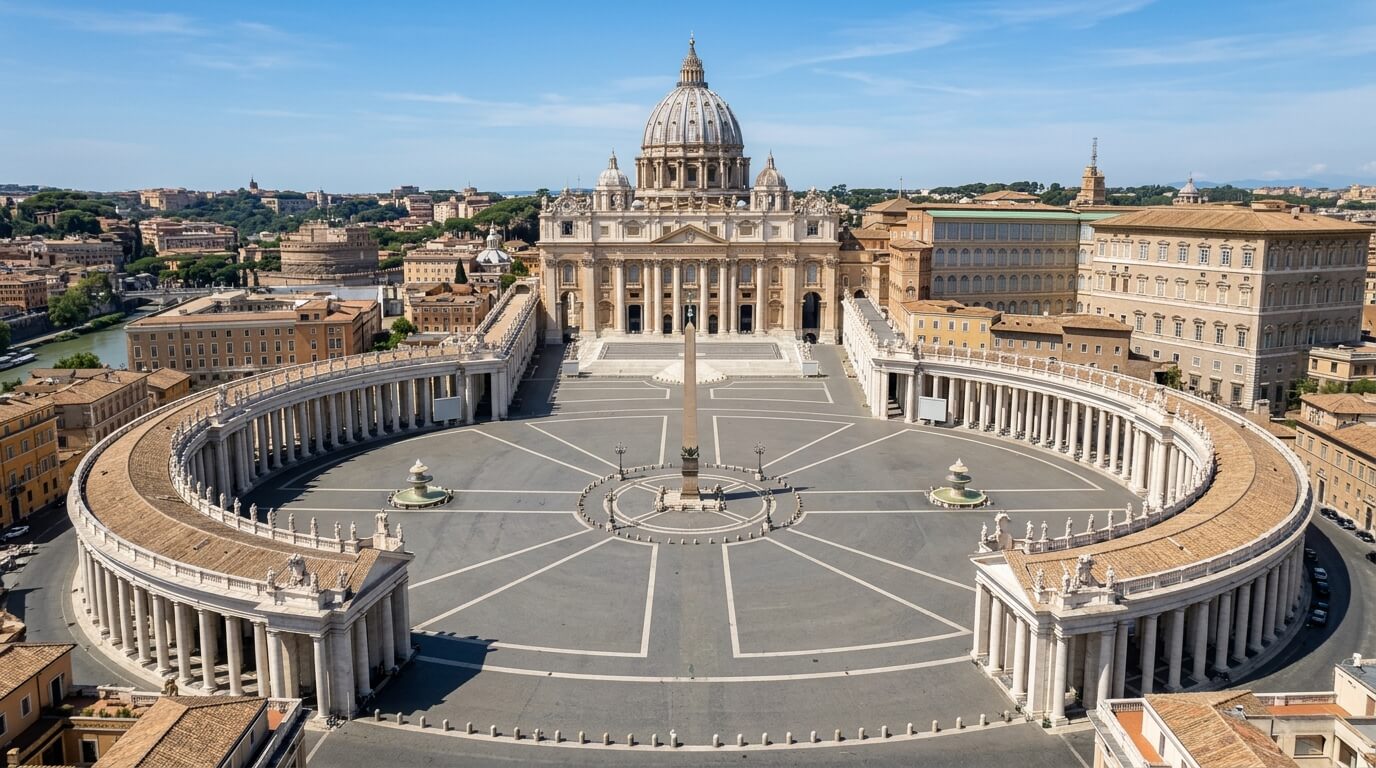
The Architecture of St. Peter’s Basilica
The St. Peter Basilica is one of the most important and impressive religious buildings in the world. Located in the heart of Vatican City, it stands as a masterpiece of Renaissance architecture and a central symbol of Catholicism. The construction of the basilica took over a century and involved some of the greatest architects in history. Early plans were developed by Donato Bramante, who envisioned a monumental church based on a Greek cross layout. Later, the project was continued and transformed by other masters, including Michelangelo, who redesigned the massive dome that dominates the skyline of Rome. The dome itself is one of the most remarkable achievements in architectural history. Inspired by classical Roman engineering, it rises dramatically above the basilica and symbolizes the connection between earth and heaven. Its scale and elegance influenced countless churches and government buildings around the world. Inside, the basilica is richly decorated with marble, mosaics, and sculptures. The interior space is designed to create a sense of overwhelming scale and spiritual awe, guiding visitors through light, height, and symmetry toward the central altar. Another major contribution came from Gian Lorenzo Bernini, who designed the grand colonnade in St. Peter’s Square. His elliptical arrangement of columns embraces visitors, symbolically welcoming them into the Church. Today, St. Peter’s Basilica remains one of the most visited religious sites in the world. Its architecture represents a blend of artistic genius, engineering innovation, and spiritual meaning that continues to inspire admiration across generations.
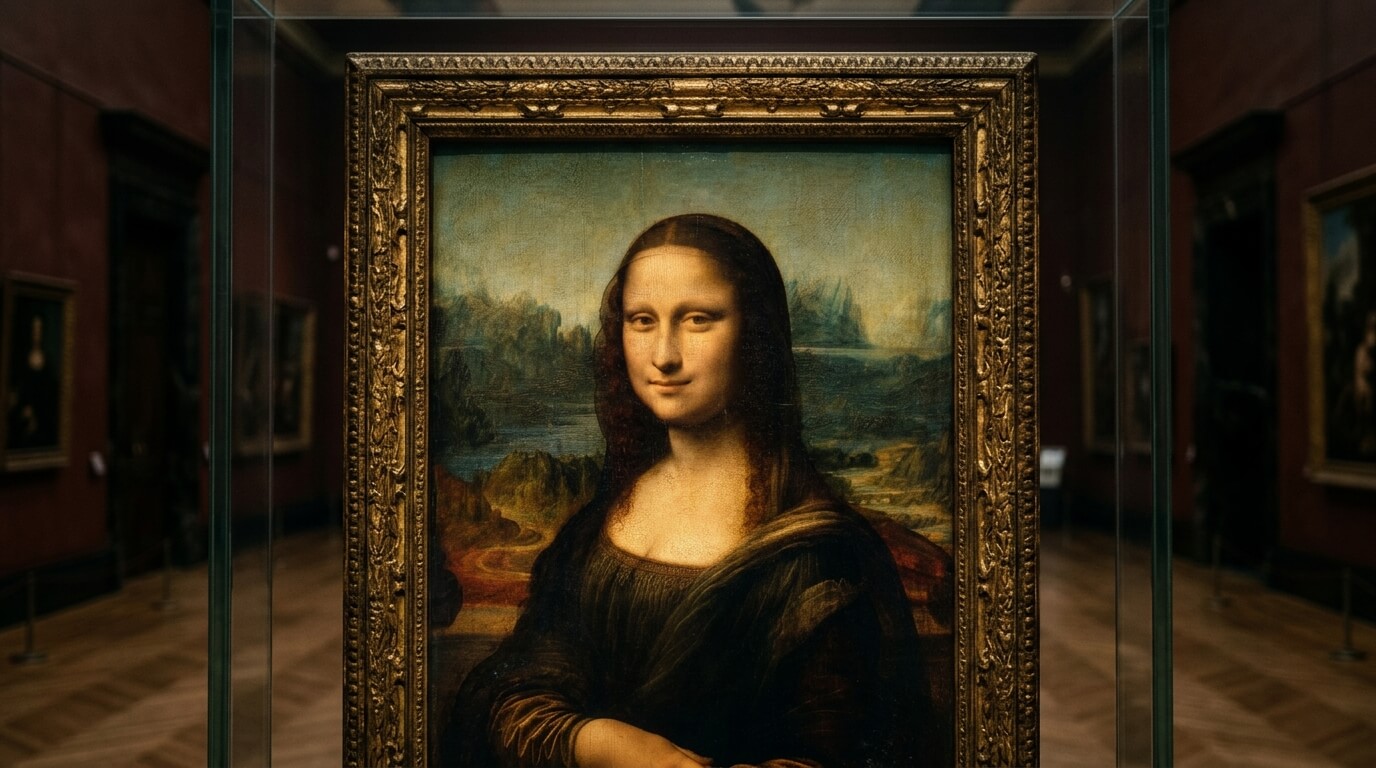
The Meaning Behind Leonardo da Vinci’s Mona Lisa
The Mona Lisa is one of the most famous paintings in the world, yet it remains surrounded by mystery and debate. Housed in the Louvre Museum in Paris, it attracts millions of visitors each year who come to see its subtle expression and unmatched artistic detail. The painting was created by Leonardo da Vinci during the early 16th century, a period known as the Renaissance, when art, science, and human observation were deeply connected. It is believed to be a portrait of Lisa Gherardini, the wife of a Florentine merchant, although this is still not completely certain. One of the most discussed features of the Mona Lisa is her expression. Her slight smile appears to change depending on the viewer’s angle and distance, creating an illusion of movement and emotion. This effect is achieved through Leonardo’s technique called sfumato, where colors and tones blend seamlessly without harsh outlines. The background of the painting also adds to its mystery. The distant, dreamlike landscape does not match any specific real location, which has led to many interpretations. Some believe it represents nature’s power, while others see it as a symbolic world separate from reality. Leonardo’s use of light, shadow, and perspective was revolutionary for its time. Instead of focusing only on realism, he created a psychological depth that invites viewers to interpret the subject’s thoughts and emotions in their own way. Today, the Mona Lisa is not just a portrait, but a global cultural icon. Its meaning continues to evolve, proving that true masterpieces are not defined by answers, but by the questions they continue to inspire.
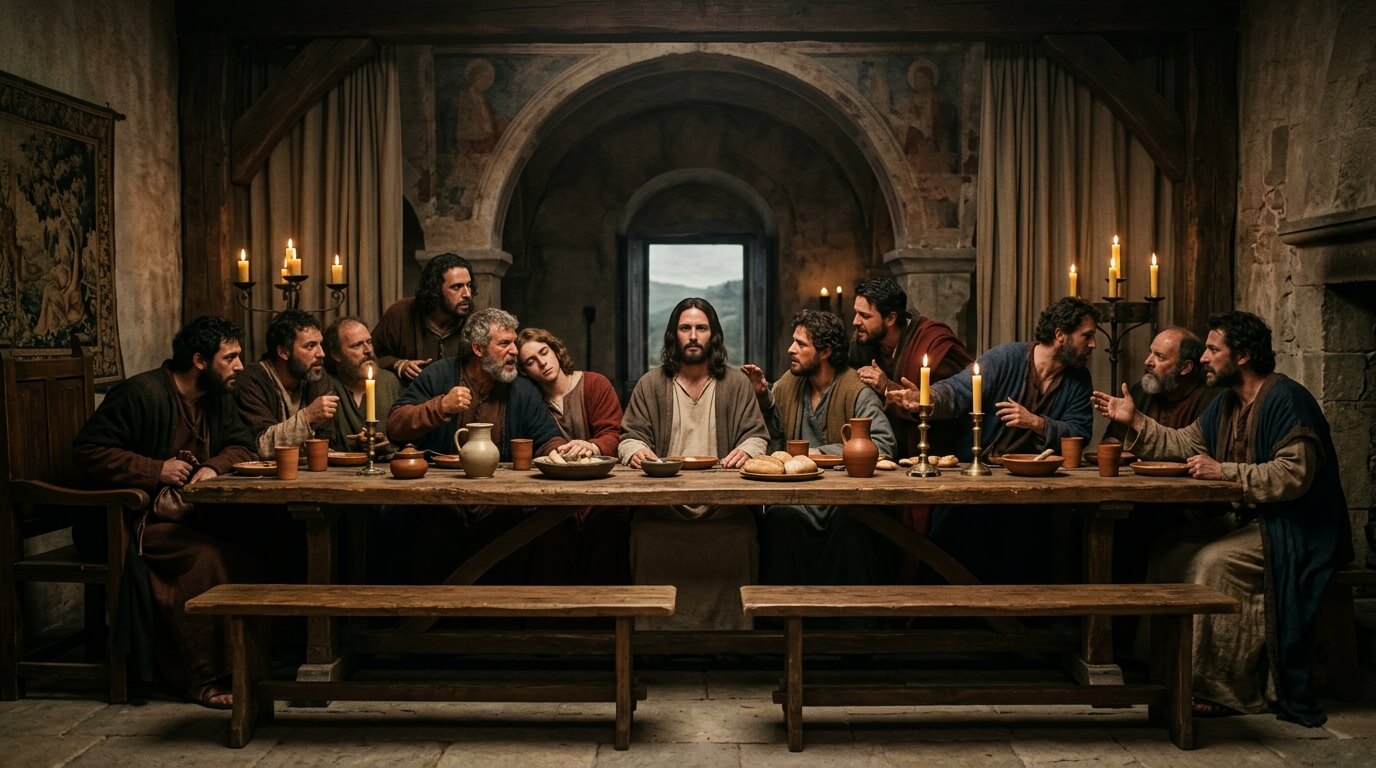
The Mystery of The Last Supper
The The Last Supper is one of the most studied and mysterious artworks in history. Painted on the wall of the Convent of Santa Maria delle Grazie in Milan, it captures a dramatic moment that continues to intrigue viewers and scholars alike. The work was created by Leonardo da Vinci in the late 15th century during the Renaissance, a time when art was deeply connected with religion, science, and human emotion. It portrays the moment when Jesus reveals that one of his disciples will betray him. What makes the painting so powerful is the way Leonardo captures reaction and emotion. Each apostle responds differently—some shocked, some angry, and some confused—creating a vivid psychological scene rather than a simple religious illustration. One of the biggest mysteries lies in its condition. Leonardo experimented with an unusual painting technique instead of traditional fresco methods, which caused the work to deteriorate quickly over time. Despite multiple restorations, much of the original detail has been lost, adding to its sense of fragility and mystery. Another source of fascination is the composition. The figures are arranged in a perfectly balanced structure, with Jesus at the center as the focal point. The use of perspective draws the viewer’s eye directly to him, reinforcing the emotional and spiritual meaning of the scene. Over the centuries, many theories have emerged about hidden symbols and meanings within the painting, from geometric patterns to possible musical and mathematical references. While some are speculative, they reflect the enduring fascination the artwork inspires. Today, The Last Supper remains one of the most influential works of Renaissance art. Its mystery is not only in what it shows, but in how it continues to provoke questions about faith, emotion, and artistic genius.
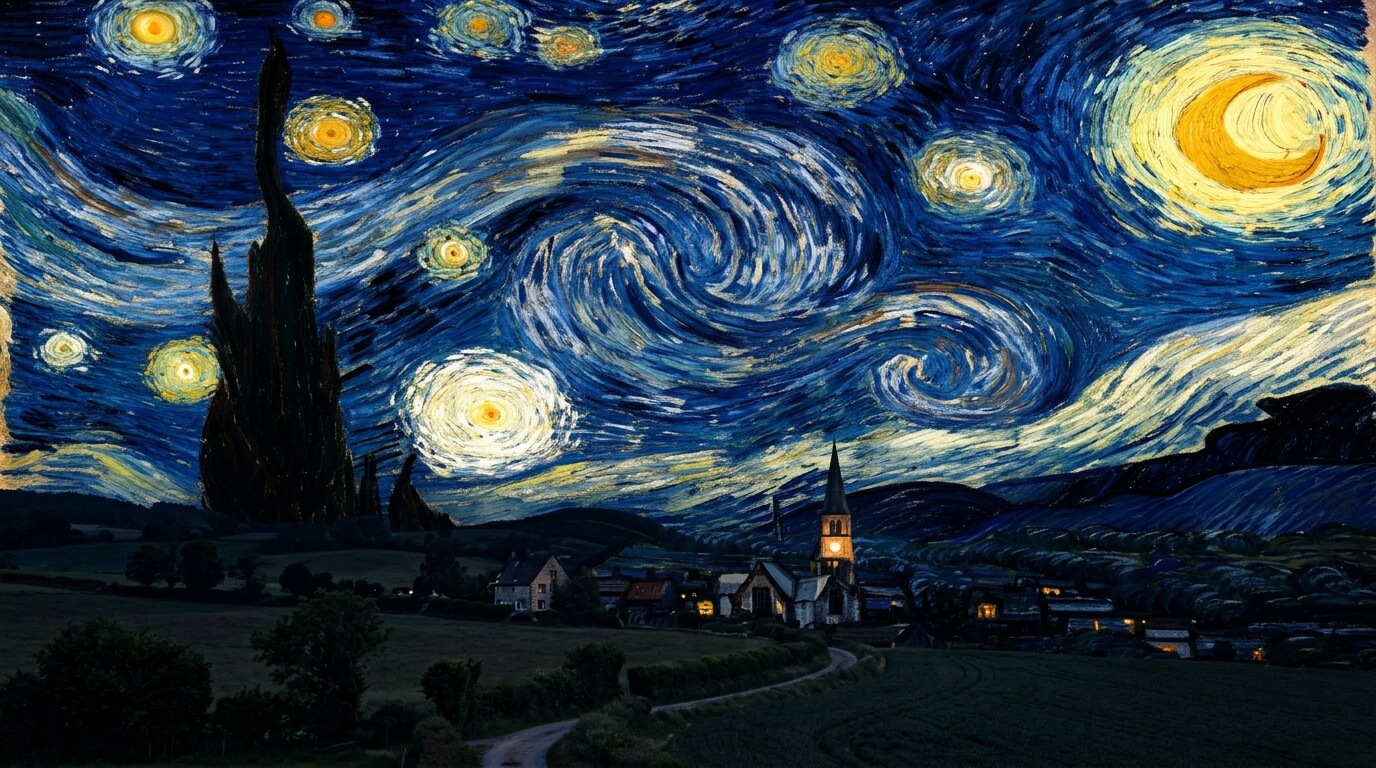
Vincent van Gogh and The Starry Night
The The Starry Night is one of the most recognizable paintings in the world, known for its swirling sky, intense colors, and emotional depth. Created in 1889, it continues to captivate viewers with its dreamlike vision of the night. The painting was made by Vincent van Gogh while he was staying at the Saint-Paul-de-Mausole asylum in southern France. During this period, he was struggling with mental health challenges, but also producing some of his most powerful and expressive works. Unlike traditional landscapes, The Starry Night is not a realistic depiction of the view outside his window. Instead, van Gogh transformed what he saw into a highly emotional and symbolic scene. The sky appears alive, filled with swirling motion and glowing stars that seem to pulse with energy. The small village below contrasts with the dramatic sky above, creating a sense of tension between calm earthly life and the vast, unpredictable universe. The tall cypress tree in the foreground connects the earth and sky, acting as a bridge between two worlds. Van Gogh used bold brushstrokes and vivid colors to express feeling rather than accuracy. This style became a defining feature of Post-Impressionism and influenced many modern artists who followed. Today, The Starry Night is housed in the Museum of Modern Art in New York and remains a symbol of artistic emotion and individuality. Its beauty lies not only in what it shows, but in the intensity of feeling it conveys through color and movement.
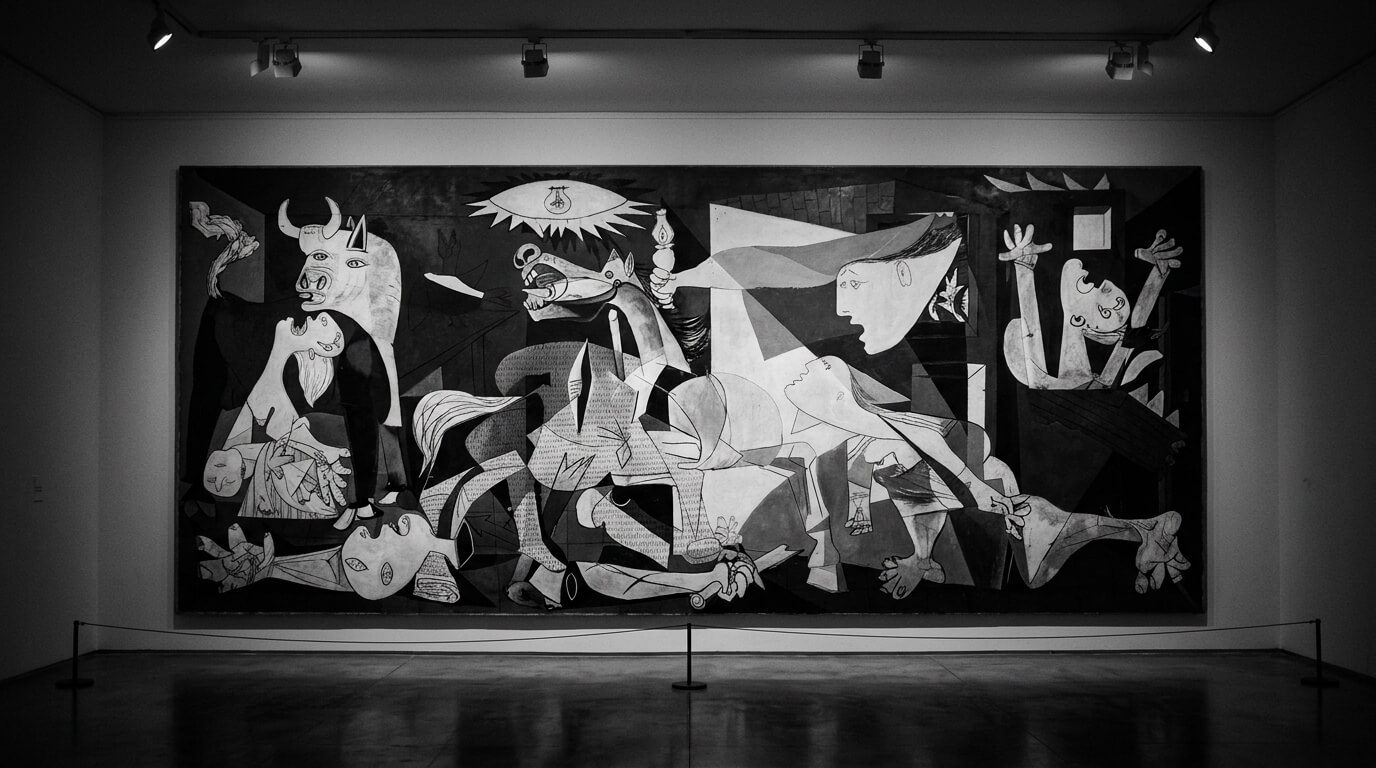
The Powerful Symbolism of Guernica
The Guernica is one of the most powerful anti-war paintings in modern history. Created in 1937, it captures the horror and chaos of war in a way that is both abstract and deeply emotional, making it one of the defining works of 20th-century art. The painting was created by Pablo Picasso in response to the bombing of the Basque town of Guernica during the Spanish Civil War. The attack caused widespread destruction and civilian suffering, shocking the world and inspiring Picasso to respond through art. Instead of depicting a realistic battlefield, Picasso used distorted forms and fragmented figures to express pain, fear, and confusion. The black, white, and grey tones intensify the sense of mourning, removing any sense of comfort or beauty from the scene. At the center of the composition, a wounded horse and a fallen soldier symbolize suffering and helplessness. Around them, screaming figures, a grieving mother, and a bull create a chaotic scene filled with symbolic meaning. Each element has been interpreted in many ways, but all point toward the brutality of violence. The lack of clear perspective or realism forces viewers to feel the emotional impact rather than simply observe it. This was Picasso’s intention: to show war not as heroic, but as deeply tragic and destructive. Today, Guernica is housed in the Museo Reina Sofía in Madrid and remains one of the most important political artworks ever created. Its message against violence continues to resonate, reminding the world of the human cost of conflict.
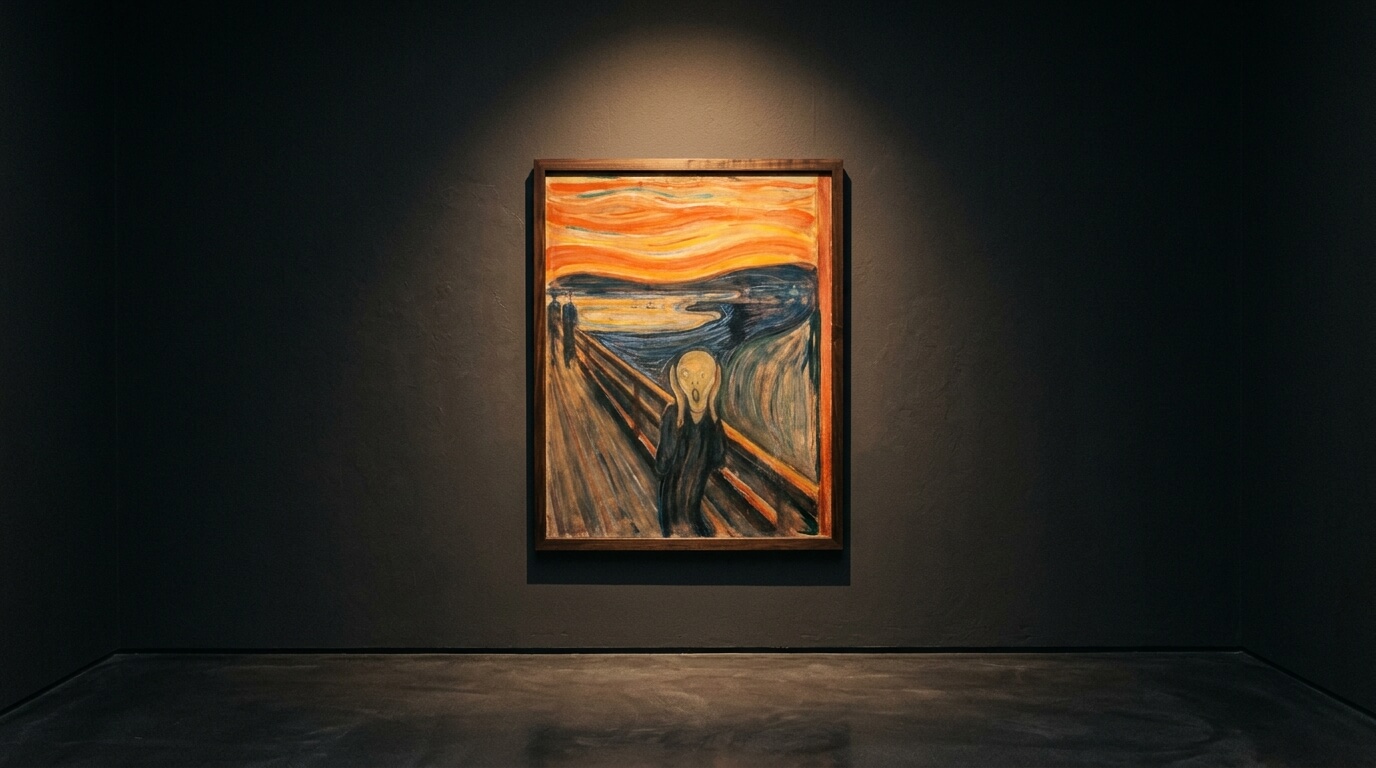
Why The Scream Became World Famous
The The Scream is one of the most recognizable images in modern art, instantly evoking feelings of anxiety, fear, and existential uncertainty. Created in the late 19th century, it has become a universal symbol of human emotion. The painting was created by Edvard Munch, who was deeply influenced by personal loss, illness, and psychological struggle. These experiences shaped his artistic vision and led him to explore intense emotional states rather than realistic representation. The central figure in The Scream is not a specific person but a symbolic expression of inner terror. The distorted face, open mouth, and wide eyes reflect a moment of overwhelming anxiety, as if the figure is reacting to an invisible force in nature or the mind. Munch was inspired by a real experience where he reportedly felt a “scream passing through nature” while walking at sunset. The dramatic sky in the background, with its swirling red and orange tones, reinforces this sense of emotional intensity and unease. The simplicity of the composition makes the image even more powerful. By reducing detail and focusing on raw emotion, Munch created a universal expression of anxiety that can be understood across cultures and generations. Today, The Scream exists in several versions and is displayed in major museums in Norway. Its fame comes not only from its striking visual style, but from its ability to capture a feeling that many people recognize but cannot easily express.
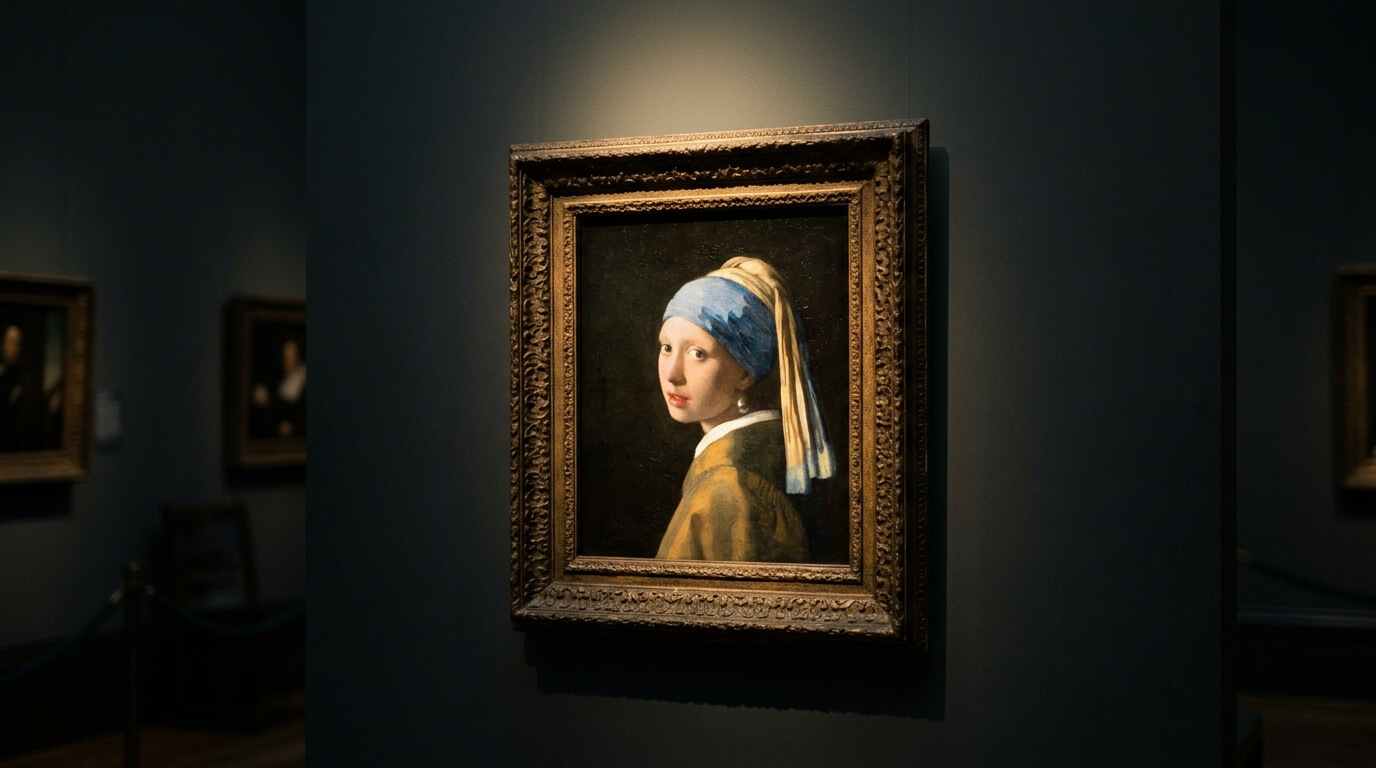
The Beauty of Girl with a Pearl Earring
The Girl with a Pearl Earring is one of the most admired portraits in European art. Often called the “Mona Lisa of the North,” it is known for its simplicity, softness, and the mysterious gaze of the young girl. The painting was created by Johannes Vermeer in the 17th century during the Dutch Golden Age, a period when art flourished in the Netherlands. Unlike grand historical scenes of the time, Vermeer focused on quiet, intimate moments and subtle human expression. What makes this artwork so captivating is its minimal composition. The dark background eliminates distraction, directing all attention to the girl’s face and the glowing pearl earring. This contrast creates a striking sense of depth and focus. The girl’s expression is neither clearly smiling nor serious. Instead, she appears to be caught in a fleeting moment, as if she has just turned toward the viewer. This sense of immediacy gives the portrait a feeling of life and presence. Vermeer’s mastery of light is another key element of its beauty. Soft highlights on the skin, lips, and fabric suggest a delicate interaction between light and shadow, making the portrait feel almost photographic despite being painted centuries ago. Today, Girl with a Pearl Earring is housed in the Mauritshuis museum in The Hague and continues to fascinate viewers with its quiet elegance and emotional subtlety. Its beauty lies not in complexity, but in simplicity and mystery.
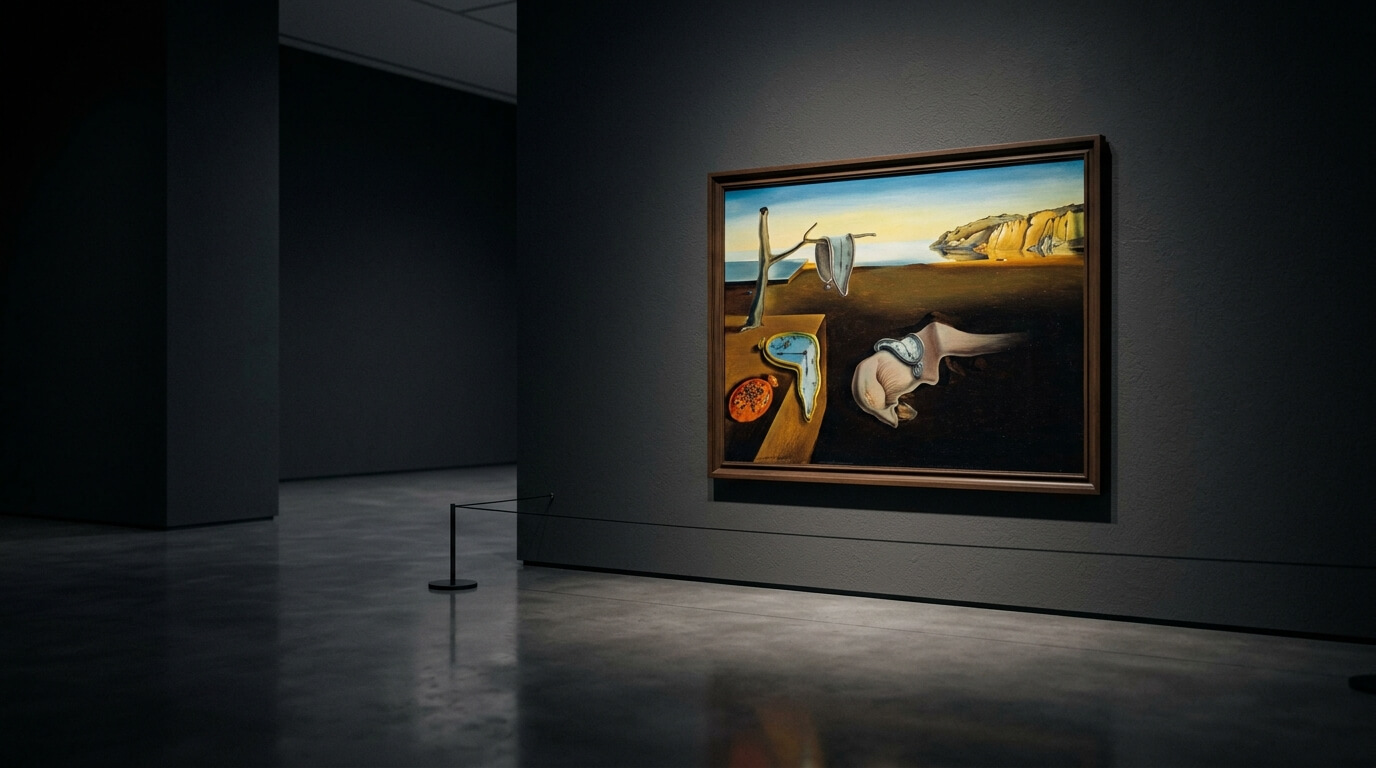
Salvador Dalí and The Persistence of Memory
The The Persistence of Memory is one of the most surreal and instantly recognizable paintings of the 20th century. Famous for its melting clocks and dreamlike landscape, it challenges our understanding of time, reality, and perception. The painting was created by Salvador Dalí in 1931, during the rise of Surrealism, an artistic movement focused on dreams, the subconscious, and irrational imagery. Dalí became one of its most important figures, known for his bizarre and highly detailed visual imagination. At first glance, the painting appears strange and almost illogical. Soft, melting clocks drape over rocks, a branch, and a distorted face-like form in the center. These elements imply that time is not fixed or absolute, but instead fluid and subjective, particularly within the realm of dreams. The barren landscape is often interpreted as Dalí’s native Catalonia, stripped of life and transformed into a dreamlike space. The stillness of the scene contrasts sharply with the melting objects, creating a sense of quiet unease. One of the most debated elements is the central organic form, sometimes seen as a distorted self-portrait or a sleeping creature. It reinforces the idea that the entire scene may represent a dream state rather than physical reality. Today, The Persistence of Memory is housed in the Museum of Modern Art in New York and remains a defining image of Surrealism. Its power lies in its ability to make viewers question something as familiar as time itself.
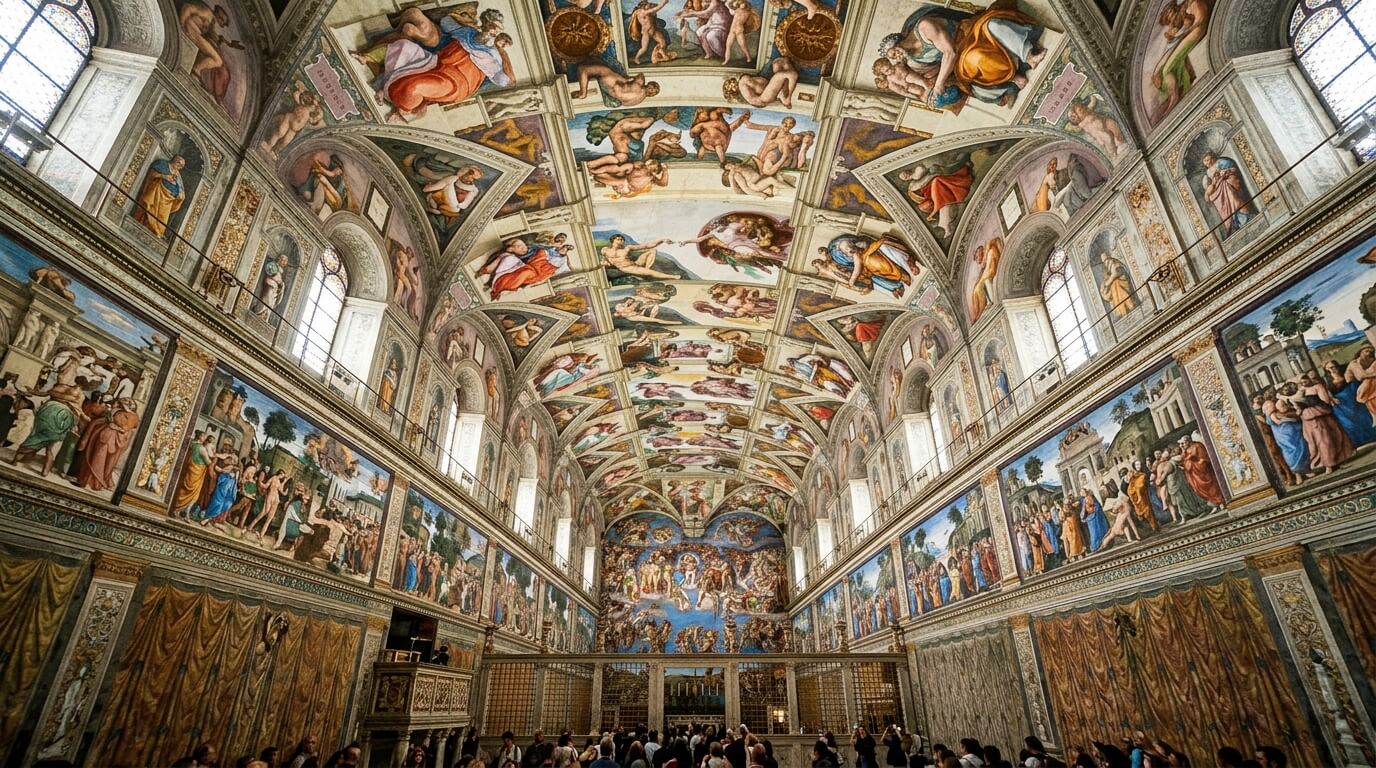
The Story Behind Michelangelo’s Sistine Chapel Ceiling
The ceiling of the Sistine Chapel is widely considered one of the greatest masterpieces in art history. Located in Vatican City, it transforms an entire chapel ceiling into a vast visual narrative filled with biblical stories, human emotion, and extraordinary detail. The work was created by Michelangelo between 1508 and 1512, under the commission of Pope Julius II. Although Michelangelo was primarily known as a sculptor, he accepted the challenging task of painting the ceiling, working under extreme physical conditions while standing on scaffolding high above the floor. The central panels of the ceiling portray scenes from the Book of Genesis, such as the creation of the world, Adam and Eve, and the story of Noah. The most famous image is The Creation of Adam, where the near-touching hands of God and Adam symbolize the moment of life being transferred to humanity. Around these central scenes, Michelangelo painted prophets, sibyls, and ancestors of Christ, creating a complex theological structure that connects different parts of the biblical narrative. The figures are powerful, muscular, and deeply expressive, reflecting Michelangelo’s background in sculpture. One of the most striking aspects of the ceiling is its sense of movement and energy. The figures twist, reach, and interact in dramatic poses, giving the entire surface a dynamic rhythm that feels almost alive. Today, the ceiling of the Sistine Chapel is still regarded as one of the most celebrated and frequently visited works of art in the world. Its combination of technical mastery, emotional intensity, and spiritual storytelling continues to define the height of Renaissance artistic achievement.
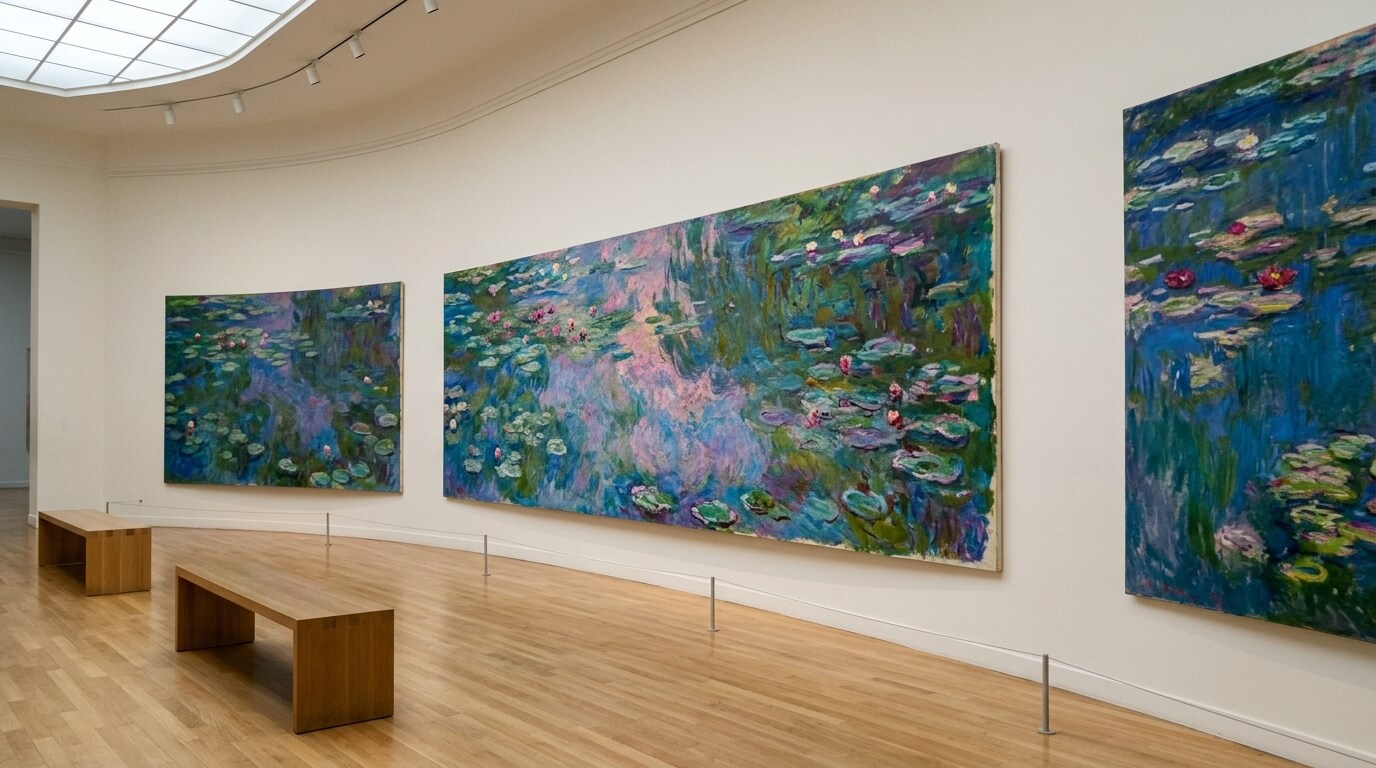
Claude Monet and the Magic of Water Lilies
The Water Lilies is one of the most beautiful and peaceful collections in Impressionist art. Rather than focusing on dramatic scenes or historical events, it captures quiet moments of nature through light, color, and reflection. The series was created by Claude Monet, one of the founders of Impressionism. In his later years, Monet dedicated much of his time to painting the water garden at his home in Giverny, France, where he carefully designed lily ponds, bridges, and natural landscapes as his main source of inspiration. Unlike traditional paintings, Monet’s Water Lilies series does not focus on clear outlines or detailed forms. Instead, he used soft brushstrokes and layered colors to represent the changing effects of light on water. The result is a dreamlike surface where sky, plants, and reflections blend together. Each painting in the series captures a different moment of the day or season. Sometimes the water appears calm and still, while at other times it reflects movement, wind, and shifting sunlight. This constant variation shows Monet’s fascination with time and perception. As Monet’s eyesight began to decline, his paintings became even more abstract. Forms dissolved into color and texture, pushing his work closer to modern abstraction and influencing generations of later artists. Today, the Water Lilies series is displayed in major museums around the world, including large panoramic rooms designed specifically for immersive viewing. These works remain a timeless celebration of nature’s quiet beauty and the way light transforms reality.
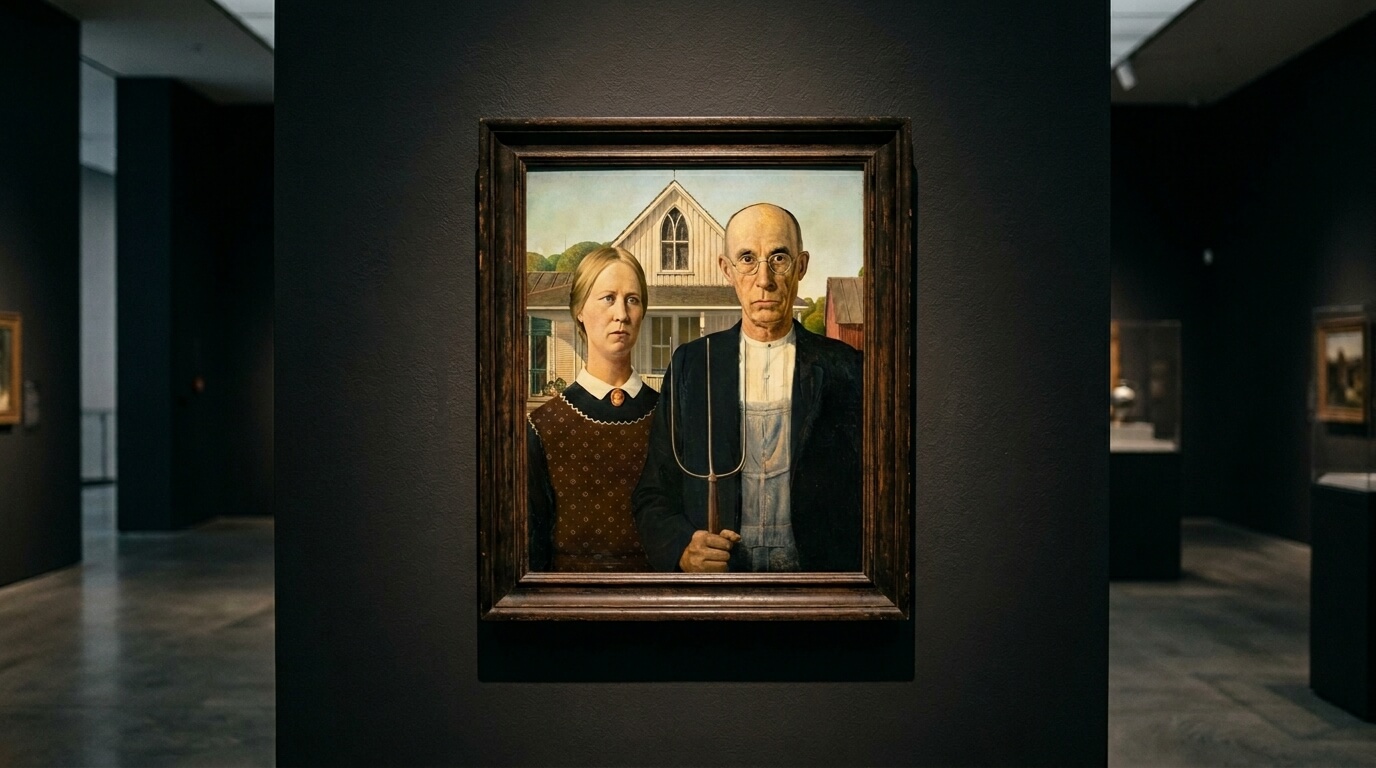
The History of American Gothic
The American Gothic is one of the most famous paintings in American art history. Instantly recognizable for its stern farmer and his daughter standing in front of a wooden house, it has become a symbol of rural America. The painting was created by Grant Wood in 1930, during a period when the United States was going through the Great Depression. At a time of economic hardship, artists like Wood focused on everyday American life, especially rural communities and traditional values. The figures in the painting were inspired by people Grant Wood observed in the Midwest. The man is often interpreted as a farmer, while the woman is believed to represent his daughter or possibly a wife. Their serious expressions and formal posture give the painting a strong, almost symbolic presence. The house in the background is based on a real cottage in Eldon, Iowa, designed in the Carpenter Gothic architectural style. This style combines simple wooden construction with Gothic-inspired details, such as the pointed window at the top of the house. One of the reasons American Gothic became so famous is its ambiguity. Some viewers see it as a celebration of traditional values, while others interpret it as a subtle critique or satire of rural seriousness and rigidity. Today, the painting is housed in the Art Institute of Chicago and remains a defining image of American art. Its lasting impact comes from its ability to represent both identity and interpretation, allowing each viewer to see something slightly different in its expression.
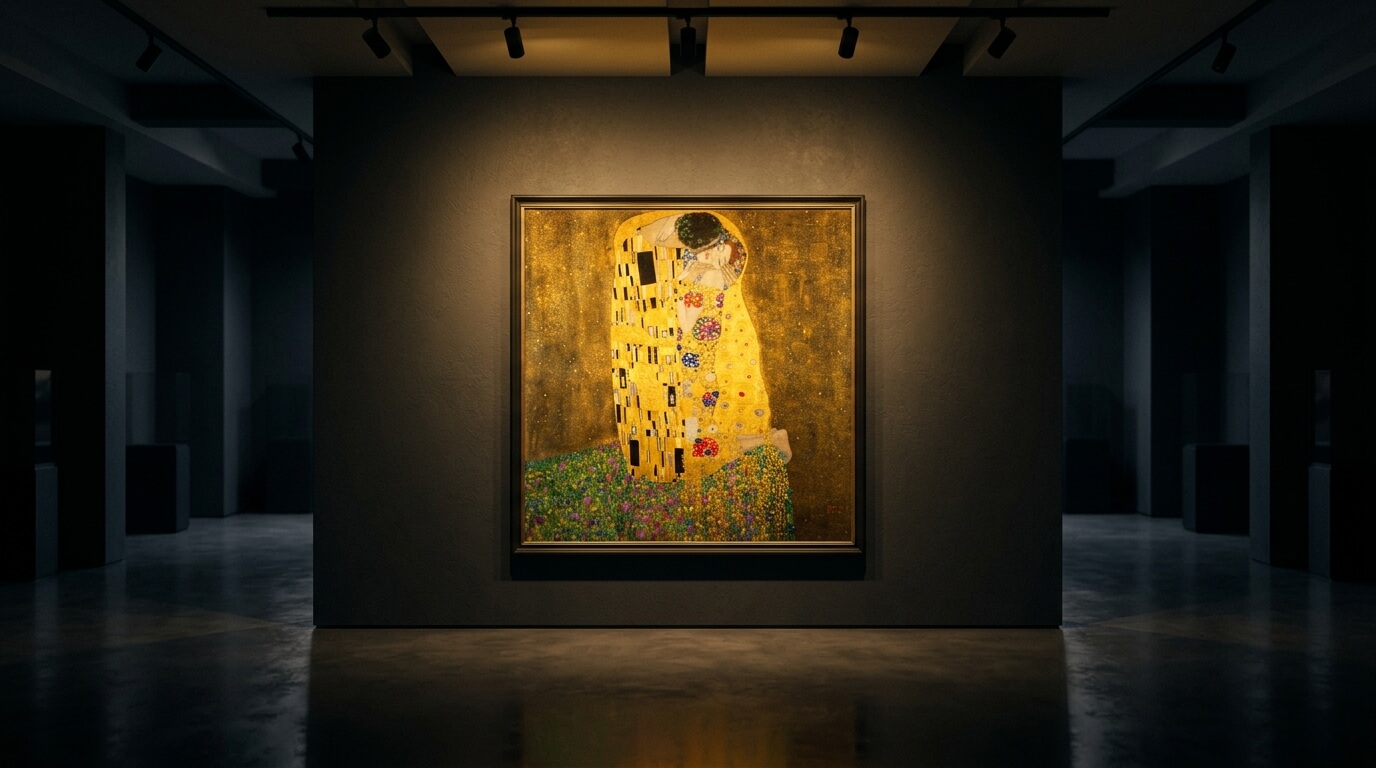
The Romantic World of The Kiss by Gustav Klimt
The The Kiss is one of the most iconic love-themed paintings in modern art. Created during the early 20th century, it captures a moment of intimacy, passion, and emotional connection through rich patterns and golden tones. The painting was created by Gustav Klimt during his “Golden Phase,” a period when he frequently used gold leaf and decorative motifs inspired by Byzantine art, mosaics, and nature. This style gave his work a luminous, almost timeless quality. At the center of the painting, a couple embraces on a floral-covered ground. The man moves closer to kiss the woman, while she remains calm and deeply absorbed in the moment. Their bodies are wrapped in elaborate robes filled with geometric and organic patterns, blending their forms into a unified visual harmony. One of the most striking aspects of The Kiss is the contrast between detail and simplicity. While the figures are richly decorated, the background fades into a soft, undefined space, making the couple appear as if they exist outside of time. The use of gold gives the painting a sacred, almost spiritual feeling. Love is portrayed not only as an emotion but as something elevated and transcendent, similar to religious iconography. Today, The Kiss is housed in the Belvedere Museum in Vienna and remains one of the most beloved works of art in the world. Its universal theme of love, combined with Klimt’s decorative brilliance, continues to resonate with audiences across generations.
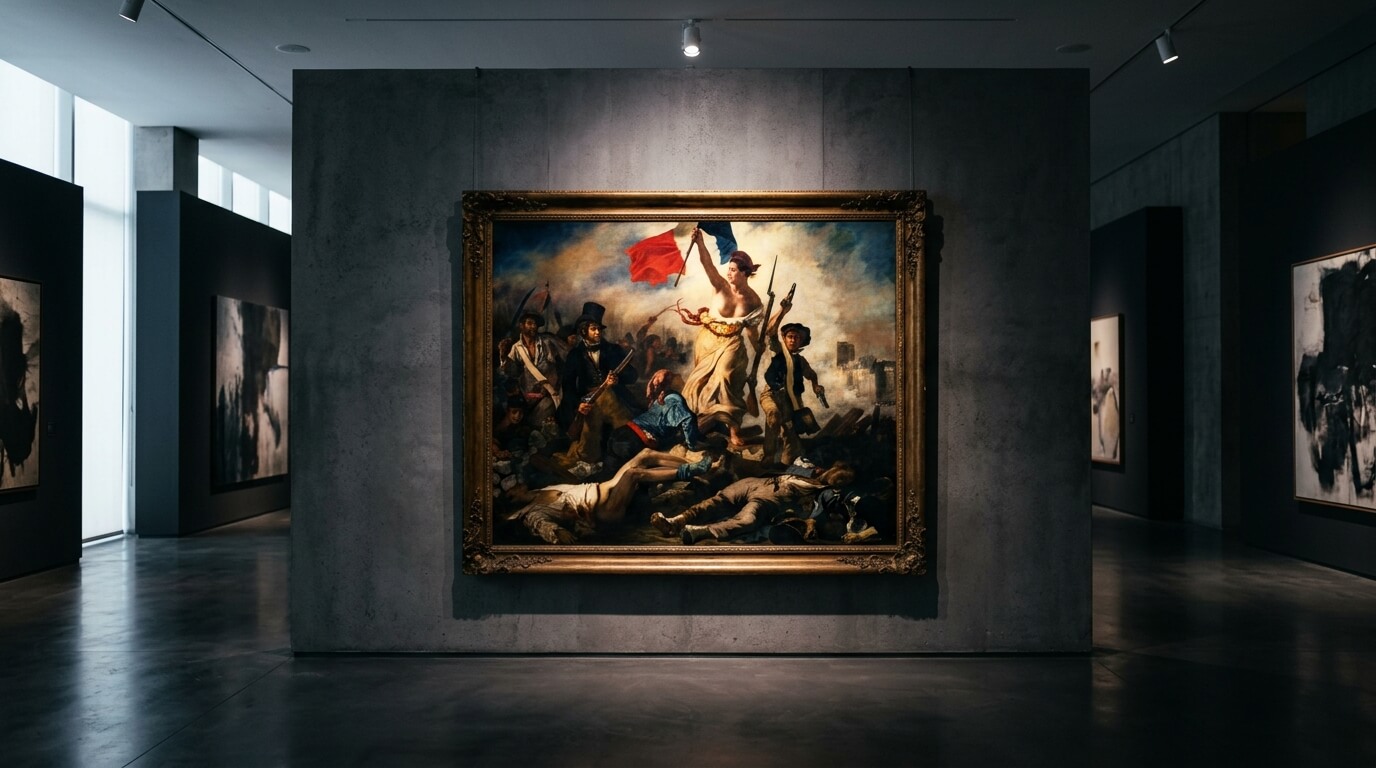
The Meaning of Liberty Leading the People
The Liberty Leading the People is one of the most powerful symbols of revolution and freedom in European art. Painted in 1830, it captures the energy, chaos, and hope of a people rising against oppression. The artwork was created by Eugène Delacroix in response to the July Revolution of 1830 in France. This historical event marked the overthrow of King Charles X and the rise of a new constitutional monarchy, reflecting a broader struggle for political change. At the center of the painting is Liberty, represented as a strong woman holding the French tricolor flag. She leads a diverse group of revolutionaries forward, symbolizing unity among different social classes. Her raised arm and determined expression convey both strength and inspiration. Around her, figures from different backgrounds—workers, soldiers, and citizens—move together through smoke and chaos. This mixture of people reflects the idea that revolution is not limited to one class, but shared by an entire nation. One of the most striking elements of the painting is its emotional intensity. Delacroix uses dramatic lighting, movement, and color to create a sense of urgency and struggle. The bodies of fallen fighters in the foreground remind viewers of the cost of revolution. Today, Liberty Leading the People is housed in the Louvre Museum in Paris and remains a universal symbol of freedom and resistance. Its meaning continues to resonate whenever people struggle for liberty, justice, and political change.
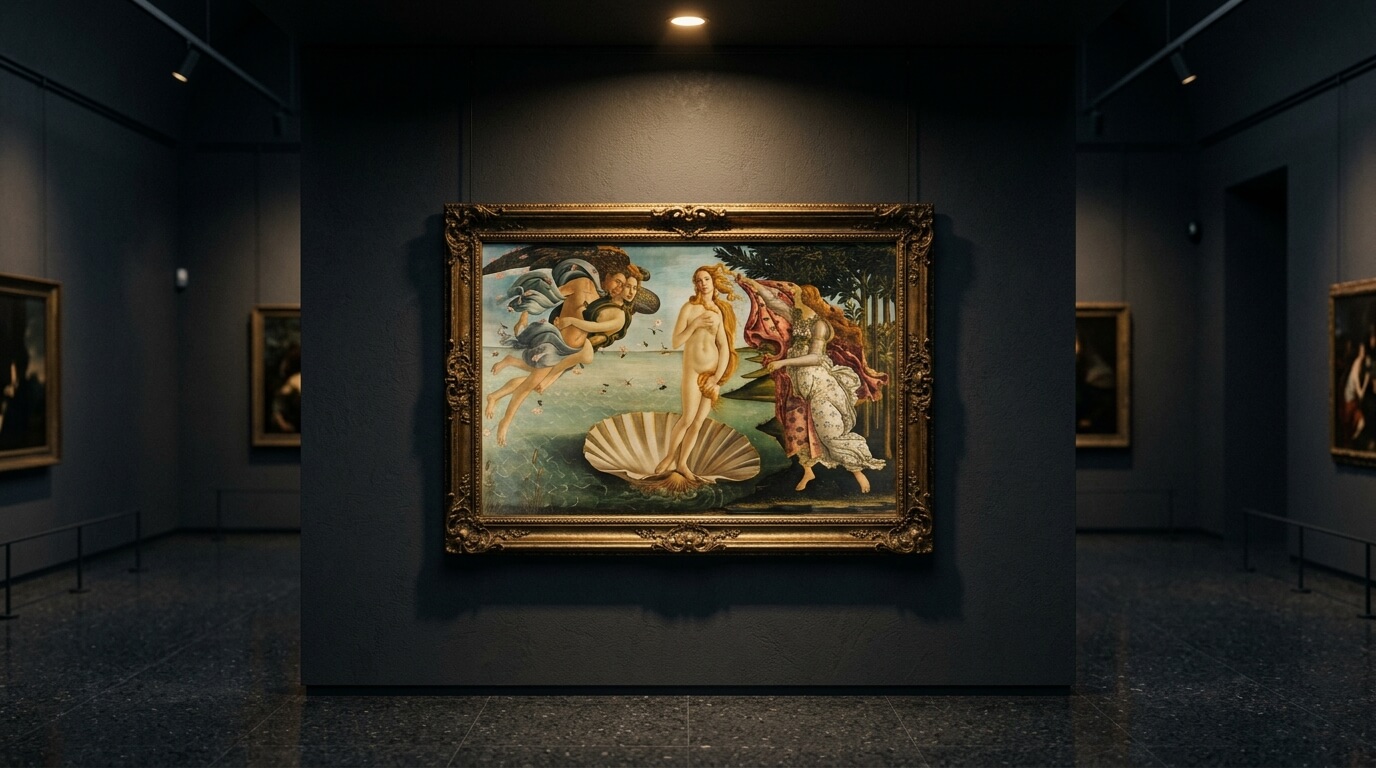
Botticelli’s The Birth of Venus Explained
The The Birth of Venus is one of the most famous paintings of the Italian Renaissance. Created around the mid-1480s, it represents beauty, mythology, and the rebirth of classical ideals in art. The painting was created by Sandro Botticelli during a period when artists were rediscovering ancient Greek and Roman mythology. Instead of focusing only on religious themes, Renaissance painters began exploring human beauty, nature, and classical stories. The scene depicts the goddess Venus emerging from the sea on a shell, fully formed and idealized. She represents love, beauty, and spiritual harmony. Her pose is inspired by classical sculpture, especially the ancient idea of the “Venus pudica,” where the figure modestly covers herself. On the left side of the painting, the wind gods Zephyr and Aura blow Venus toward the shore, symbolizing the forces of nature guiding her arrival into the world. On the right, a figure often identified as one of the Horae awaits her with a cloak, ready to welcome her into civilization. One of the most important meanings of the painting is its connection between mythology and philosophy. It reflects Neoplatonic ideas, where physical beauty is seen as a reflection of spiritual perfection and divine truth. Today, The Birth of Venus is housed in the Uffizi Gallery in Florence and remains one of the defining images of Renaissance art. Its enduring appeal comes from its combination of elegance, mythology, and symbolic meaning.
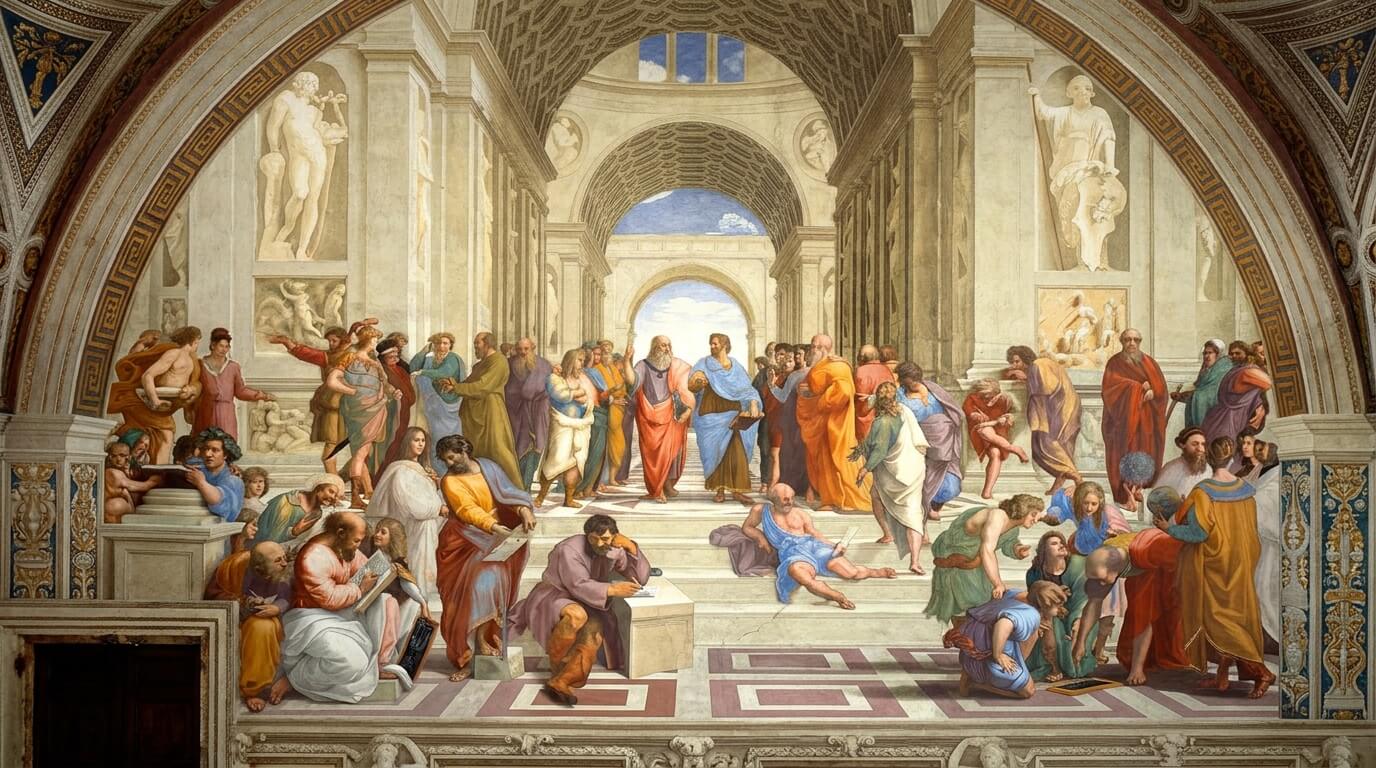
The Artistic Genius of Raphael’s School of Athens
The School of Athens is one of the greatest masterpieces of the Italian Renaissance, celebrating philosophy, knowledge, and the power of human thought. Painted between 1509 and 1511, it is located in the Vatican Palace and remains a symbol of intellectual harmony. The work was created by Raphael during his time working for Pope Julius II. It was part of a larger commission to decorate the papal apartments, known as the Stanze di Raffaello, with themes reflecting theology, philosophy, and the arts. The fresco depicts a grand gathering of ancient Greek philosophers and scientists in an ideal architectural space. At the center stand two of the most important thinkers in Western philosophy: Plato, pointing upward to the world of ideas, and Aristotle, gesturing toward the physical world. Together, they represent the balance between abstract thought and practical knowledge. Raphael placed many historical figures within the scene, including Socrates, Pythagoras, Euclid, and Ptolemy. Interestingly, some faces are believed to be portraits of Renaissance figures, including Raphael himself, showing a connection between ancient wisdom and contemporary intellectual life. The architecture in the painting is just as important as the figures. The vast arches and symmetrical design are inspired by classical Roman buildings, especially those designed by Donato Bramante, creating a sense of order and clarity that reflects Renaissance ideals. Today, School of Athens is considered a perfect expression of Renaissance humanism. It celebrates the belief that reason, knowledge, and art together form the foundation of civilization, making it one of the most admired works in Western art history.

The Dark Drama of Caravaggio’s Paintings
The art of Caravaggio is known for its intense realism, dramatic lighting, and emotional power. Active in the late 16th and early 17th centuries, he changed the course of European painting with a style that felt raw, direct, and often unsettling. One of Caravaggio’s most defining techniques is chiaroscuro, the strong contrast between light and shadow. Figures often emerge from deep darkness, illuminated by a single, almost theatrical light source. This creates a sense of drama that draws the viewer directly into the scene. Unlike many of his contemporaries, Caravaggio painted religious subjects using ordinary people as models. His saints, apostles, and biblical figures often have dirty feet, tired faces, and realistic expressions. This approach made sacred stories feel immediate and human, but also controversial at the time. Works such as The Calling of Saint Matthew and Judith Beheading Holofernes show moments frozen at their most intense point. Violence, emotion, and psychological tension are captured with striking realism, making the viewer feel like a witness to the scene. Caravaggio’s personal life was also turbulent, marked by conflict, exile, and constant movement between cities. This sense of chaos often reflects in his art, where calm beauty is replaced by tension and emotional extremes. Today, Caravaggio is recognized as one of the most influential painters in art history. His dramatic use of light and realism shaped the Baroque movement and continues to inspire artists, filmmakers, and photographers around the world.

Frida Kahlo’s Most Iconic Self-Portraits
The art of Frida Kahlo is deeply personal, emotional, and instantly recognizable. She is best known for her self-portraits, which transform her own image into powerful symbols of identity, pain, and resilience. One of Kahlo’s most important traits as an artist was her focus on herself as the main subject. After suffering a serious bus accident in her youth, she lived with chronic pain and multiple surgeries. This experience became a central theme in her work, shaping how she expressed both physical and emotional suffering. In many of her self-portraits, Kahlo presents herself with direct, unflinching eyes, often surrounded by symbolic elements such as animals, plants, or surreal imagery. These details are not decorative—they represent her thoughts, emotions, and personal experiences. Paintings like The Two Fridas and Self-Portrait with Thorn Necklace and Hummingbird explore identity, heartbreak, and inner conflict. She often blended realism with symbolic and surreal elements, making her work both intimate and universal. Kahlo also challenged traditional ideas of beauty. She embraced her natural appearance, including her eyebrows and facial hair, turning them into part of her artistic identity. In doing so, she redefined how women could be represented in art. Today, Frida Kahlo’s self-portraits are celebrated worldwide for their honesty and emotional depth. They continue to inspire discussions about identity, feminism, and the power of art as a form of personal expression.

Why Picasso Changed Modern Art
The influence of Pablo Picasso on modern art is so great that it is difficult to imagine 20th-century art without him. His constant experimentation with style, form, and perspective completely changed how artists understood and represented reality. One of Picasso’s most important contributions was the development of Cubism, a movement he co-founded with Georges Braque. Instead of showing objects from a single viewpoint, Cubism breaks them into geometric shapes and presents multiple perspectives at once. This radically changed traditional ideas of visual representation. Works like Les Demoiselles d’Avignon marked a turning point in art history. The painting rejected classical beauty standards and introduced fragmented forms and distorted figures, challenging viewers to see art in a completely new way. Picasso was also known for constantly reinventing his style throughout his life. He moved through different periods—Blue Period, Rose Period, African-influenced forms, Cubism, and later more classical styles—showing that artistic identity can be fluid and constantly evolving. Another major reason Picasso changed modern art is his focus on emotional and conceptual expression over realistic depiction. His works often reflect ideas, emotions, and political messages rather than direct visual accuracy. Today, Picasso is regarded as one of the most influential artists in history. His innovations opened the door for abstract art, modern design, and experimental visual culture, shaping the direction of art for generations.
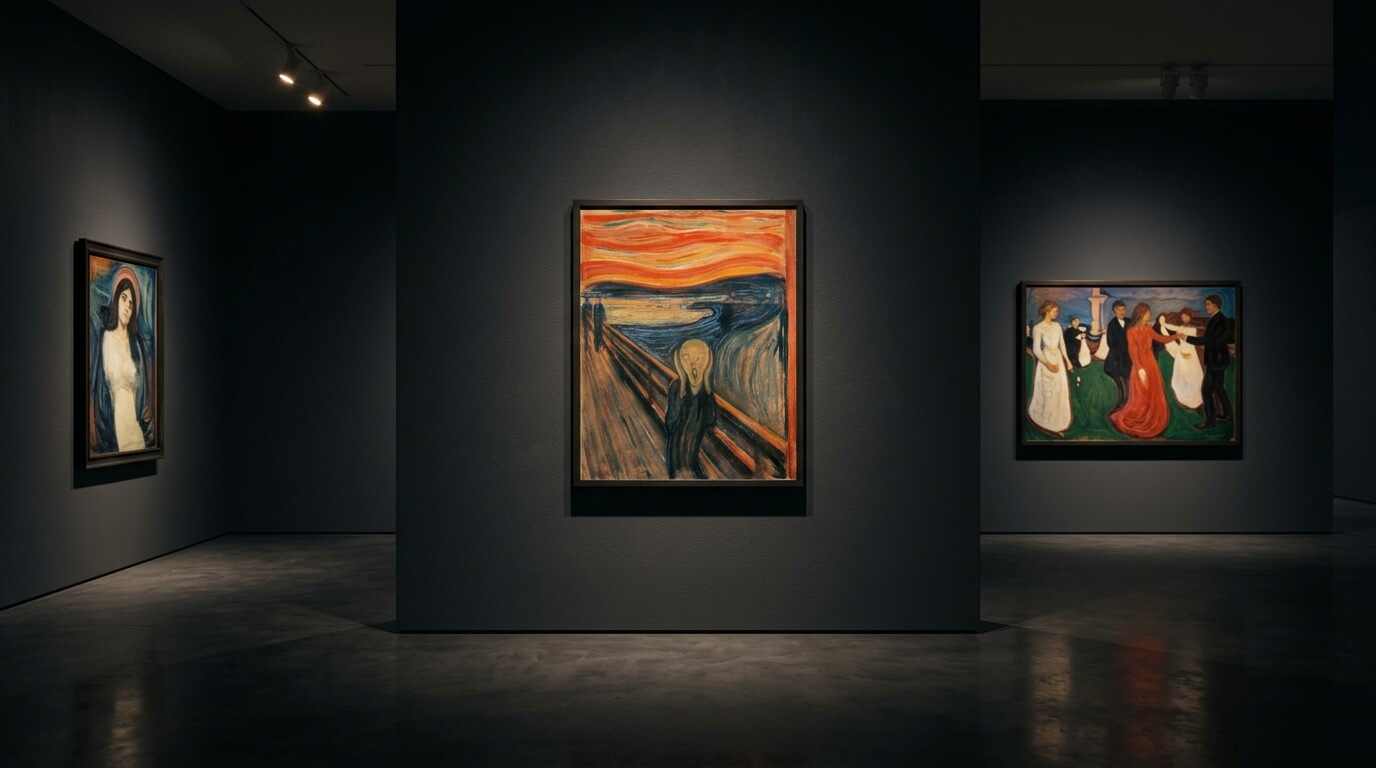
The Emotional Power of Edvard Munch’s Art
The work of Edvard Munch is defined by intense emotion, psychological depth, and a constant exploration of human anxiety. Rather than focusing on external reality, Munch’s art dives into inner experiences such as fear, love, loneliness, and death. One of his most important ideas was that art should express feelings rather than simply imitate what the eye sees. This approach made him a key figure in Expressionism, a movement that prioritizes emotional truth over visual accuracy. His most famous work, The Scream, is often seen as the ultimate symbol of modern anxiety. The distorted figure, swirling sky, and overwhelming atmosphere reflect a moment of existential fear that feels universal and timeless. Many of Munch’s paintings are inspired by personal tragedy. He experienced the early deaths of close family members and struggled with illness and emotional instability throughout his life. These experiences deeply influenced his artistic vision. Themes of love and heartbreak also appear frequently in his work, especially in series like The Frieze of Life, where he explores the emotional stages of human relationships—from attraction and passion to jealousy and loss. Munch’s use of color and form is intentionally expressive rather than realistic. Bold lines, distorted shapes, and unnatural colors help intensify emotional impact, making the viewer feel rather than simply observe the scene. Today, Edvard Munch is recognized as one of the most important artists of modern art. His work continues to resonate because it captures emotions that are deeply human and universally understood.
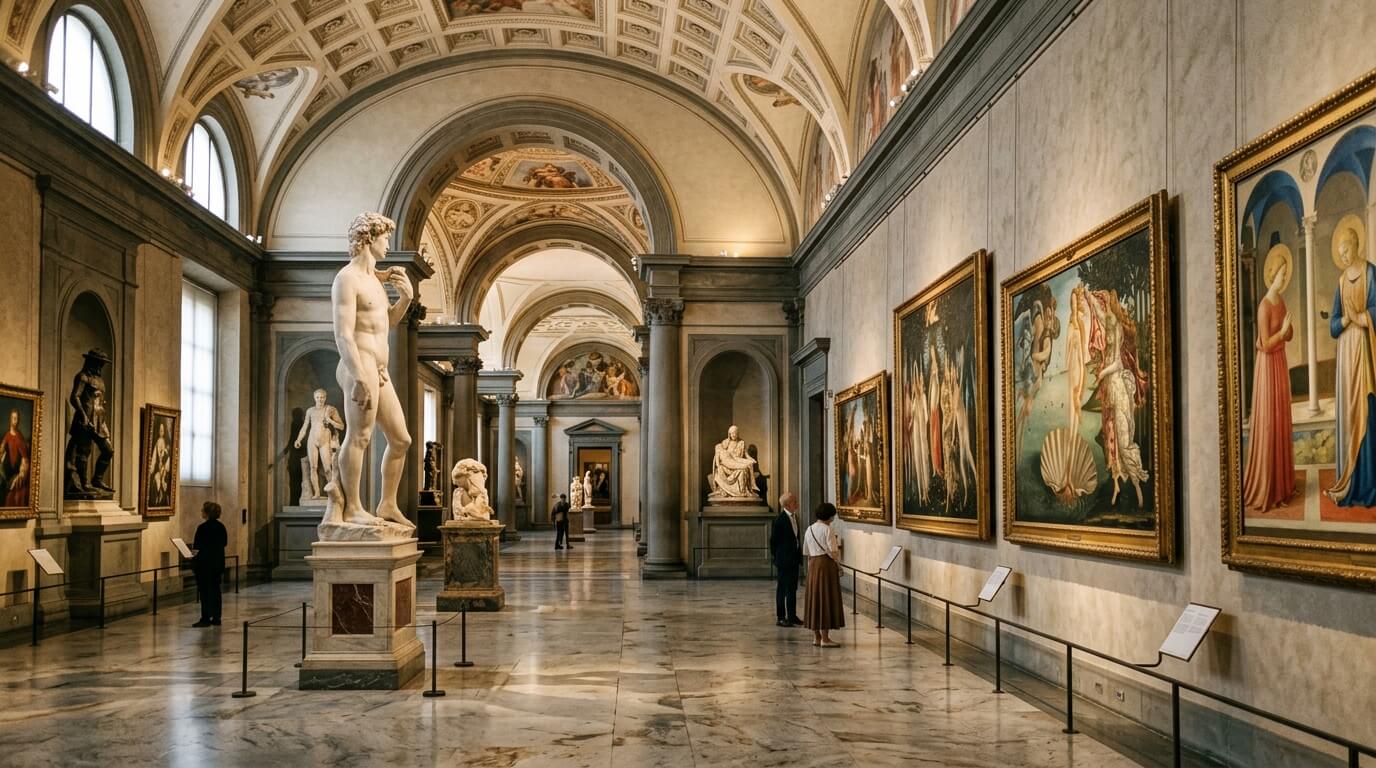
The Renaissance Masterpieces of Florence
The city of Florence is often called the birthplace of the Renaissance. During the 14th to 16th centuries, it became a center of art, science, and human creativity that transformed European culture forever. At the heart of Florence’s artistic legacy is the influence of powerful families like the Medici, especially figures such as Lorenzo de' Medici. Their support allowed artists, architects, and thinkers to experiment and create some of the most important works in history. One of the most iconic landmarks is the dome of the Florence Cathedral, designed by Filippo Brunelleschi. Its massive structure was an engineering breakthrough of its time and remains one of the greatest achievements in architectural history. Florence also houses renowned masterpieces, including Michelangelo’s "David" at the Galleria dell’Accademia and Botticelli’s "The Birth of Venus" in the Uffizi Gallery. These works reflect the Renaissance focus on human beauty, proportion, and classical inspiration. The city’s architecture is equally significant, with elegant palaces, churches, and public spaces that emphasize symmetry, perspective, and harmony. These design principles became the foundation of modern Western architecture. Today, Florence is a UNESCO World Heritage Site and a living museum of Renaissance art. Its masterpieces continue to attract millions of visitors, offering a direct connection to one of the most influential cultural periods in human history.
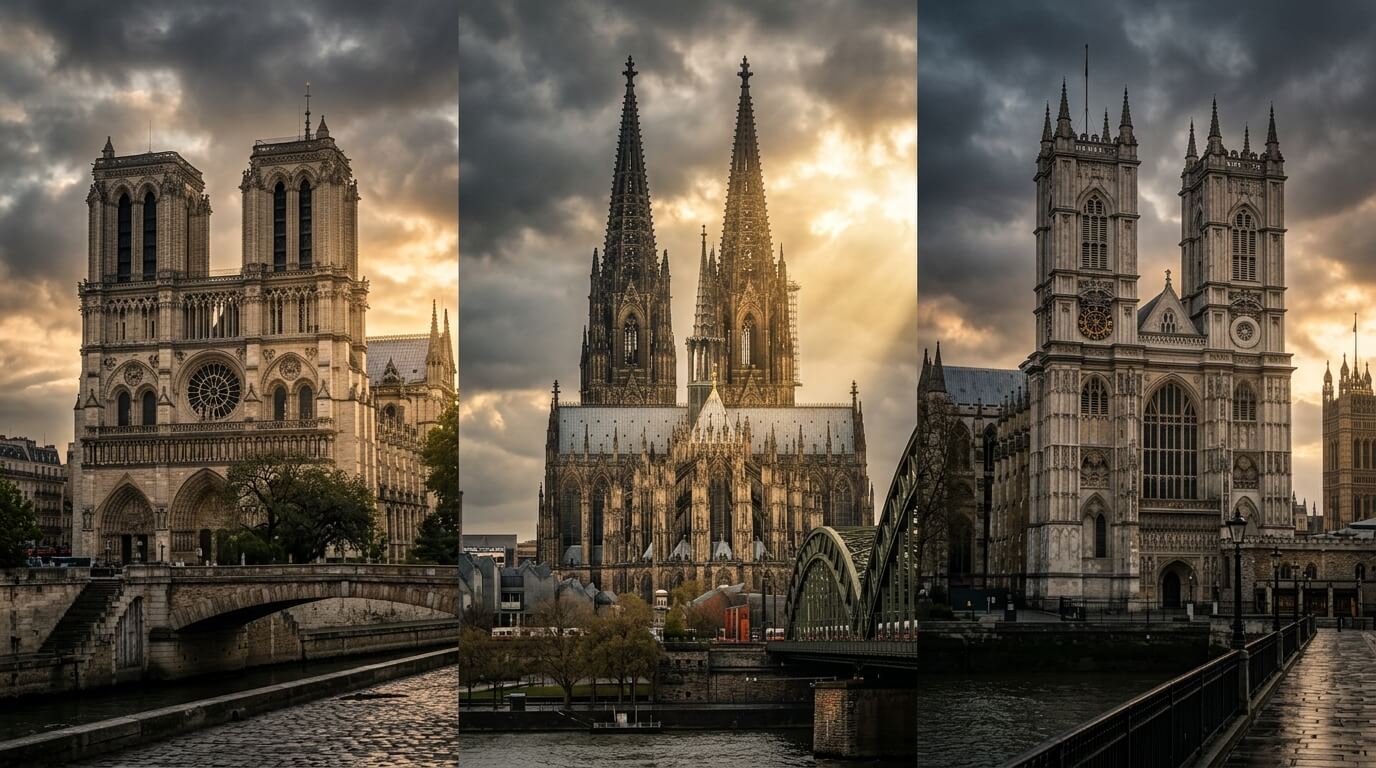
Famous Gothic Cathedrals Around the World
Gothic cathedrals are among the most impressive architectural achievements in history. Known for their soaring spires, pointed arches, stained glass windows, and intricate details, these magnificent buildings continue to attract millions of visitors each year. Notable Gothic Cathedrals Notre-Dame Cathedral, Paris, France – One of the most iconic Gothic cathedrals, famous for its stunning façade and rich history. Cologne Cathedral, Germany – A masterpiece of Gothic architecture with twin towers dominating the city skyline. Milan Cathedral, Italy – Known for its elaborate exterior, countless statues, and breathtaking rooftop views. Chartres Cathedral, France – Renowned for its remarkably preserved stained glass windows and architectural beauty. Canterbury Cathedral, England – An important religious site and a key example of Gothic design in the United Kingdom. Why They Remain Popular These cathedrals are more than places of worship. They are symbols of cultural heritage, artistic excellence, and engineering innovation. Their timeless beauty and historical significance make them must-see destinations for travelers and architecture enthusiasts around the world. Whether standing in the heart of a bustling city or overlooking a historic town, Gothic cathedrals continue to inspire awe with their grandeur and craftsmanship centuries after they were built.

The Evolution of Modern Skyscraper Design
Modern skyscrapers have transformed city skylines around the world, reflecting advances in engineering, technology, and architectural creativity. From early steel-frame buildings to today's sustainable towers, skyscraper design has continuously evolved to meet the needs of growing urban populations. Key Stages of Development Early Skyscrapers – The introduction of steel structures in the late 19th century allowed buildings to reach unprecedented heights. Mid-20th Century Designs – Architects embraced minimalist styles, featuring glass curtain walls and sleek geometric forms. Postmodern Architecture – Designers began incorporating decorative elements, unique shapes, and cultural influences into tall buildings. Sustainable Skyscrapers – Modern towers increasingly use energy-efficient systems, green materials, and environmentally friendly technologies. Innovations Shaping the Future Today's skyscrapers are designed with both functionality and sustainability in mind. Smart building systems, renewable energy integration, and advanced construction materials help reduce environmental impact while improving occupant comfort. As cities continue to expand, modern skyscraper design will likely focus on creating taller, smarter, and more sustainable structures that enhance urban living while showcasing architectural innovation.
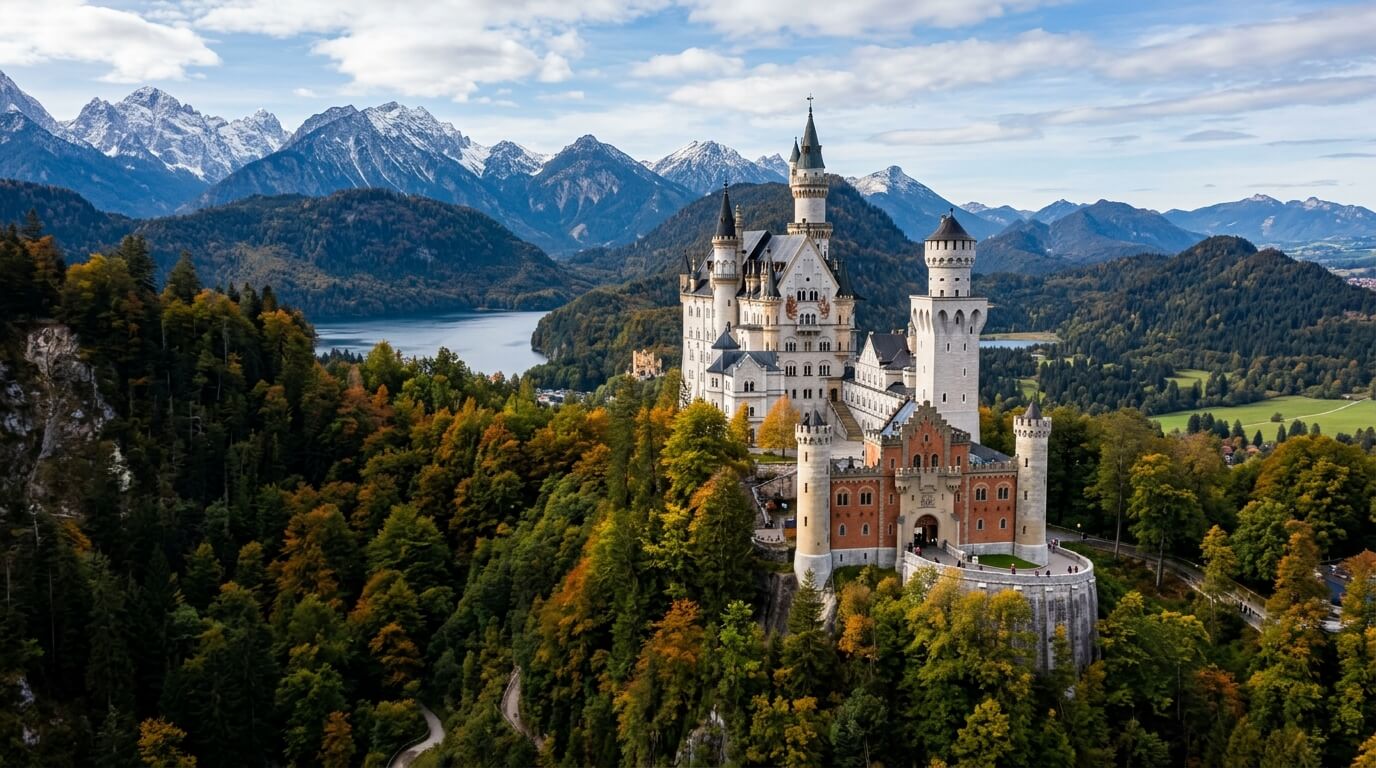
The Most Beautiful Castles in Europe
Europe is home to some of the most breathtaking castles in the world, each reflecting centuries of history, power, and architectural evolution. These structures were once fortresses, royal residences, and symbols of authority, but today they stand as cultural treasures. One of the most famous is the Neuschwanstein Castle, often described as a fairytale castle. Built in the 19th century for King Ludwig II of Bavaria, it inspired countless storybook castles and even influenced Disney’s iconic castle design. In France, the Château de Chambord stands out with its unique blend of Renaissance and medieval architecture. Its elaborate roofline, double-helix staircase, and vast scale reflect the ambition of French royalty during the Renaissance period. Edinburgh Castle rises above the city skyline, perched dramatically on an ancient volcanic rock formation. It has played a key role in Scottish history for centuries, serving as a royal residence, military stronghold, and national symbol. In the Czech Republic, the Prague Castle is one of the largest ancient castle complexes in the world. It combines Romanesque, Gothic, and Baroque styles, showing how architecture evolved over many centuries in one continuous site. What makes European castles so fascinating is their diversity. Some are built for defense with thick stone walls and towers, while others focus on beauty, symmetry, and royal luxury. Together, they reflect the shifting balance between war, politics, and culture. Today, these castles attract millions of visitors and continue to shape Europe’s cultural identity. They remain powerful reminders of a past filled with kings, queens, battles, and artistic ambition.
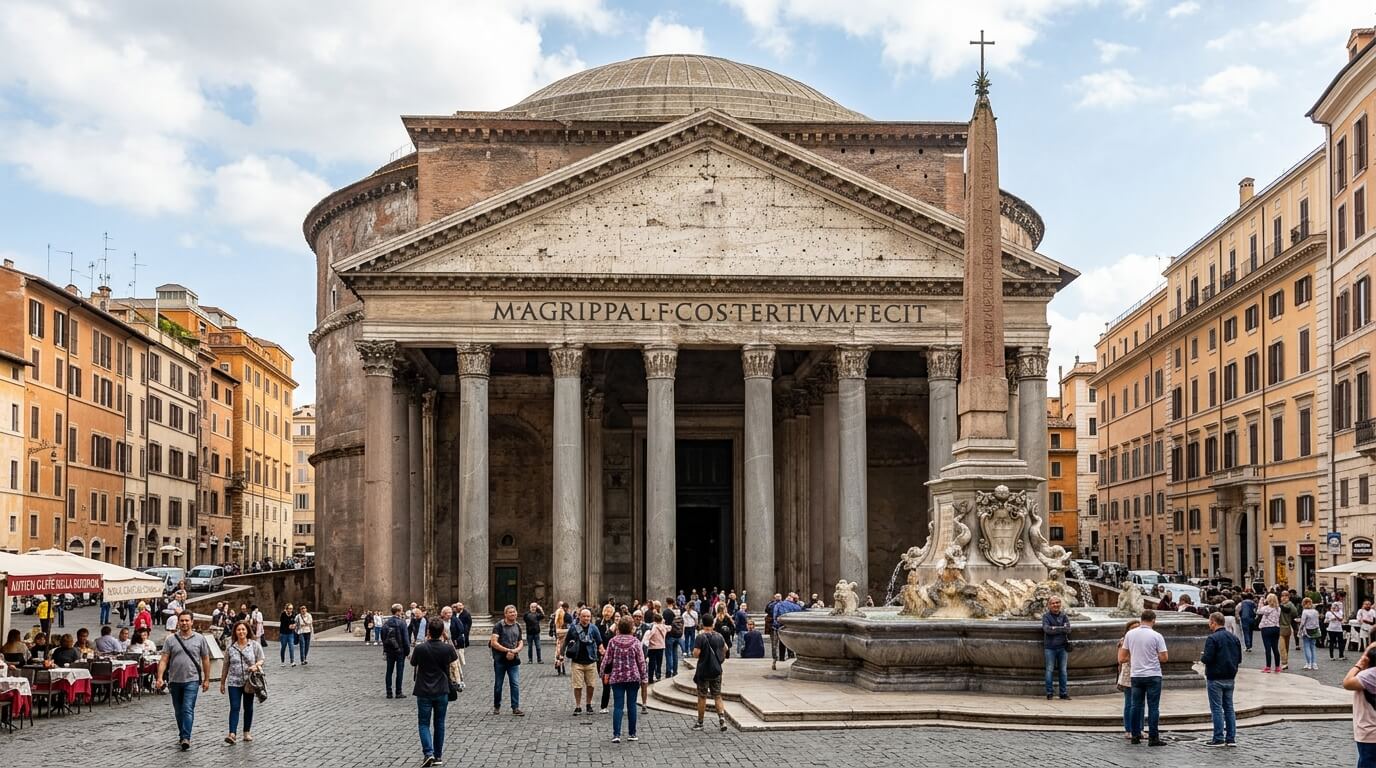
Ancient Roman Architecture That Changed the World
The legacy of ancient Rome is still visible in almost every modern city, from grand government buildings to stadiums and bridges. Roman architecture didn’t just define an empire—it created a blueprint for how the world builds even today. One of the clearest examples is the Pantheon, a temple dedicated to the gods that still stands as a masterpiece of engineering. Its massive dome and open oculus demonstrate the Roman ability to combine beauty with structural innovation in a way that has rarely been matched. Another iconic structure is the Colosseum. More than just an arena, it represents Roman mastery of public architecture. Its system of arches, vaults, and underground chambers allowed thousands of spectators to move and gather efficiently for entertainment and events. Roman innovation was not limited to monuments. Their use of roads, aqueducts, and concrete reshaped entire landscapes. Aqueduct systems carried water across long distances, enabling cities to grow and thrive in ways previously impossible. The concept of the Roman arch became one of the most important architectural ideas in history. It allowed builders to distribute weight more effectively, making larger and more durable structures possible. This principle is still used in modern engineering today. Roman cities were also carefully planned, with organized grids, public forums, and bath complexes that supported social and civic life. This approach influenced urban design for centuries after the fall of the empire. Today, Roman architecture continues to inspire admiration and imitation. Its combination of strength, practicality, and monumental scale remains a foundation for how architecture expresses power and civilization.
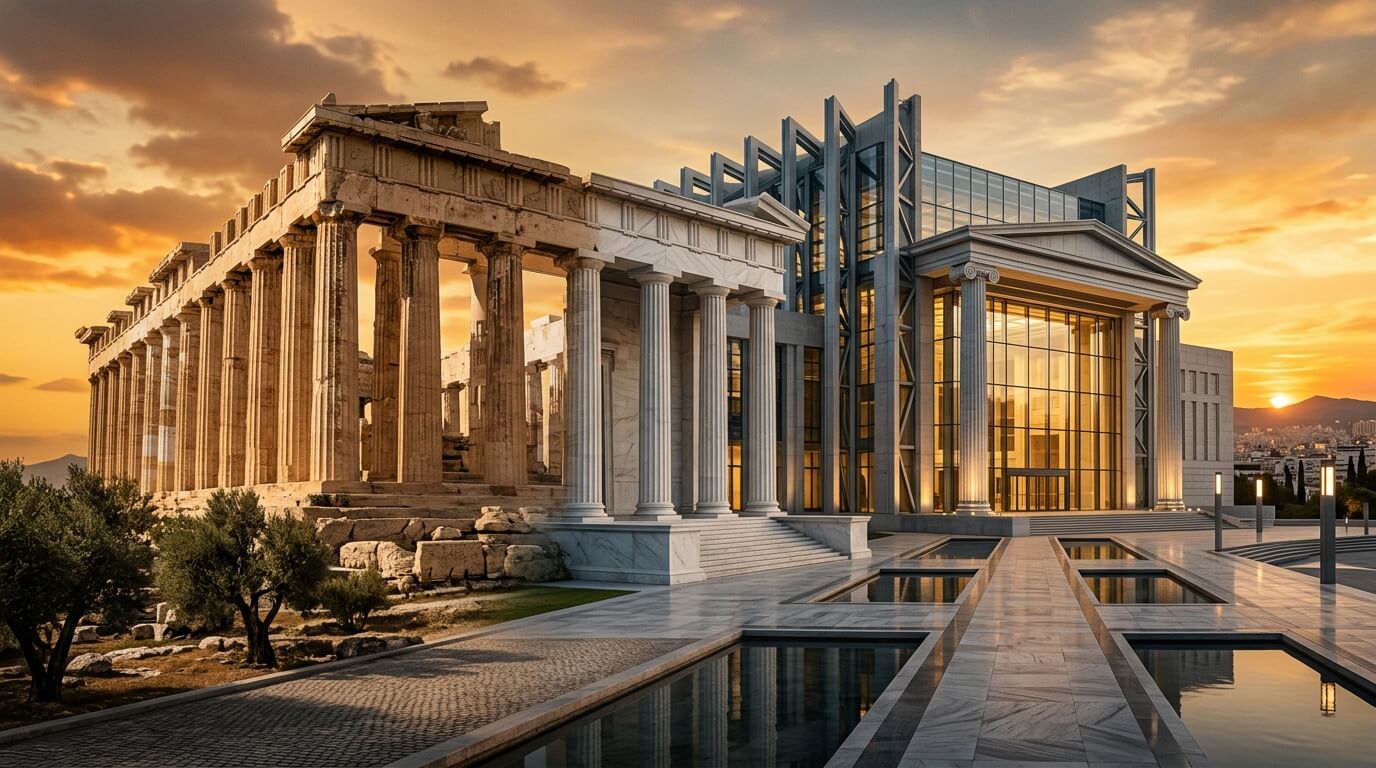
The Influence of Greek Temples on Modern Buildings
Ancient Greek architecture has had a lasting impact on the way buildings are designed around the world. The clean lines, balanced proportions, and use of columns in Greek temples continue to inspire architects even in modern cities. The best-known example of this tradition is the Parthenon, built on the Acropolis of Athens during the 5th century BC. Dedicated to the goddess Athena, it represents the ideals of harmony, order, and mathematical precision that defined classical Greek design. Greek temples were built using three main column styles: Doric Ionic Corinthian These styles influenced not only ancient buildings but also countless modern structures, especially government institutions, museums, and banks that aim to project stability and authority. One of the key reasons Greek architecture remains influential is its focus on proportion and symmetry. Architects believed that beauty could be achieved through mathematical balance, an idea that still guides modern architectural theory today. During the 18th and 19th centuries, the Greek Revival movement brought classical design back into fashion. Buildings such as museums, courthouses, and universities across Europe and the United States adopted Greek-style columns and pediments to reflect ideals of democracy and knowledge. Even today, modern architecture often borrows elements from Greek temples. Columns, triangular pediments, and symmetrical facades are used to create a sense of strength, tradition, and cultural continuity. From ancient sanctuaries to contemporary civic buildings, the influence of Greek temples remains a powerful reminder that classical design principles are timeless and universally admired.
The Rise of Art Deco Architecture
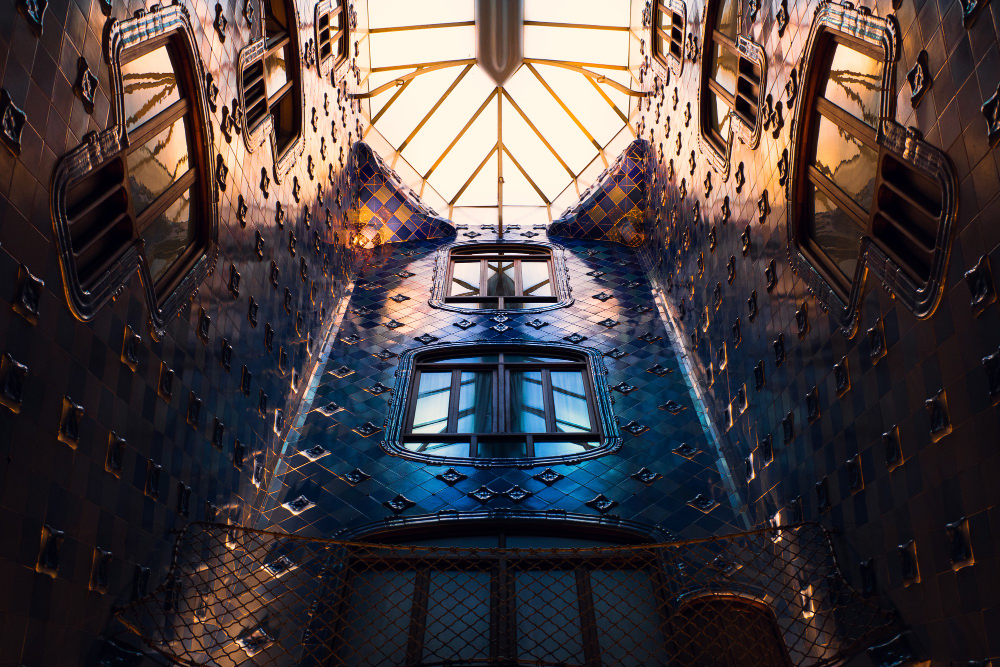
Art Deco architecture emerged in the early 20th century as a bold new visual language that combined luxury, modernity, and geometric design. It became one of the most recognizable styles of the interwar period, shaping skylines across the world. The movement gained global attention after the 1920s, especially following the International Exhibition of Modern Decorative and Industrial Arts in Paris. From there, it spread rapidly to cities in Europe, the United States, and beyond, influencing everything from skyscrapers to cinemas. One of the most iconic examples of Art Deco design is the Empire State Building. Completed in 1931, its clean vertical lines, stepped structure, and decorative crown reflect the style’s emphasis on elegance and modern industrial power. Art Deco is defined by geometric shapes, symmetrical patterns, and stylized ornamentation. Unlike earlier architectural styles that focused on historical imitation, Art Deco embraced machine age aesthetics, celebrating speed, progress, and technology. Materials such as stainless steel, chrome, glass, and polished stone were commonly used to create sleek and glamorous surfaces. Many buildings also featured sunburst motifs, zigzags, and stepped forms that gave them a distinctive visual rhythm. Beyond skyscrapers, Art Deco influenced cinemas, hotels, train stations, and even ocean liners, making it a truly global design movement that shaped everyday urban life during the 20th century. Today, Art Deco architecture is admired for its timeless elegance and bold character. Restored buildings and preserved landmarks continue to attract attention, reminding us of an era that celebrated optimism, innovation, and artistic confidence.
Why Gothic Architecture Still Inspires Designers
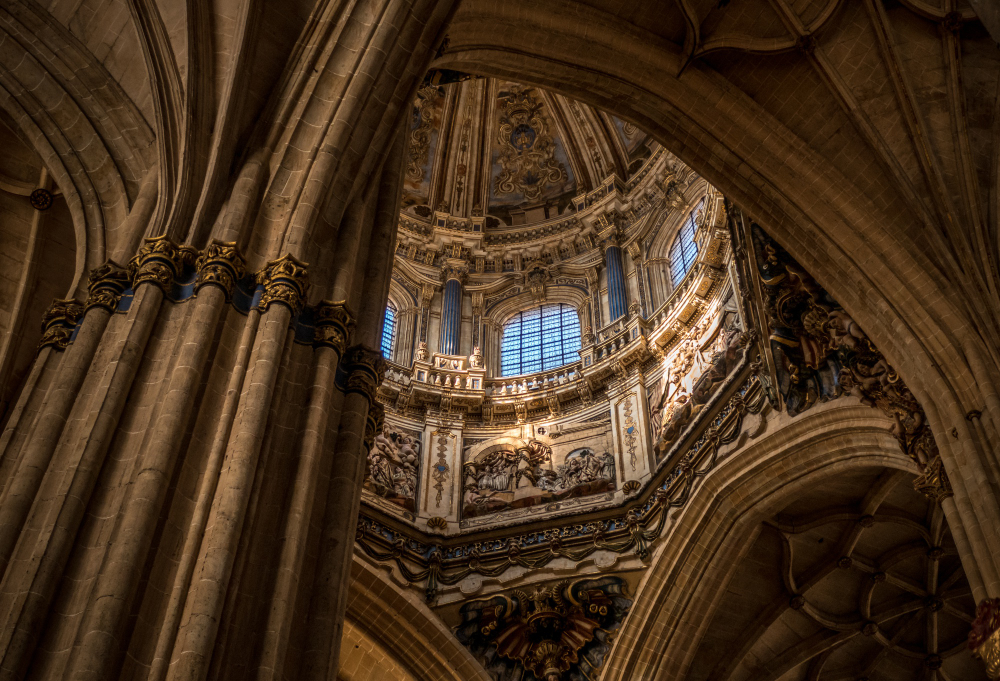
Gothic architecture continues to inspire modern designers because it combines structural innovation with emotional impact. Even centuries after its peak in medieval Europe, its principles still influence churches, public buildings, and even contemporary architecture. One of the best examples of Gothic brilliance is the Notre-Dame Cathedral. Its soaring vaults, pointed arches, and intricate façades demonstrate how medieval builders transformed stone into something that feels light, dynamic, and full of movement. A key reason for Gothic architecture’s lasting appeal is its use of verticality. The buildings were designed to guide the viewer’s gaze upward, evoking a feeling of spiritual uplift and transcendence. This idea of height and aspiration continues to influence modern skyscrapers and public monuments. Another key characteristic is the deliberate use of light. Large stained-glass windows, especially rose windows, allowed colored light to fill interiors with symbolic meaning. This interplay between structure and illumination remains a powerful design concept in modern architecture and interior design. Structural innovations such as flying buttresses allowed builders to create taller and more open spaces than ever before. These engineering solutions not only solved practical problems but also created visually striking forms that still fascinate architects today. Gothic architecture is also rich in emotional resonance and cultural symbolism. Its dramatic forms, detailed ornamentation, and sense of scale evoke awe and reverence, qualities that designers often seek to recreate in modern sacred or civic spaces. Today, elements of Gothic design appear in everything from university buildings to modern reinterpretations in glass and steel. Its enduring influence proves that great architecture is not just functional, but deeply expressive and timeless.
The Most Famous Museums Every Art Lover Should Visit
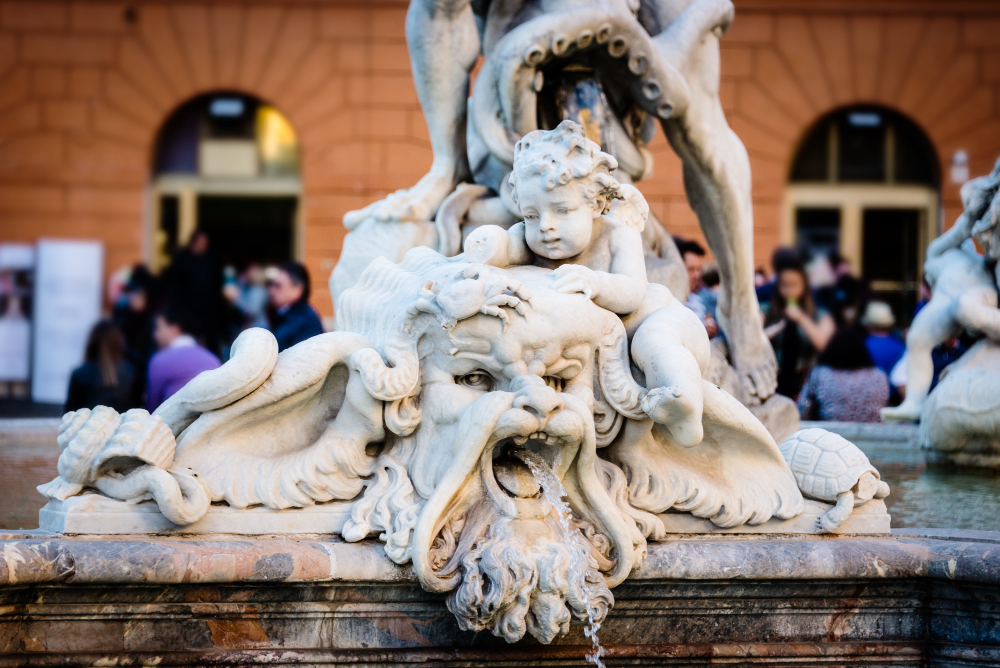
Museums are more than buildings filled with art - they are cultural landmarks that preserve human history, creativity, and identity. Around the world, some museums stand out not only for their collections but also for their architectural beauty and global importance. One of the most visited museums in the world is the Louvre Museum. Located in the heart of Paris, it houses thousands of artworks, including the Mona Lisa and ancient Egyptian artifacts. Its glass pyramid entrance has become an icon of modern museum design. In New York, the Metropolitan Museum of Art is one of the largest and most comprehensive art museums in the world. Its vast collection spans over 5,000 years of history, from ancient civilizations to contemporary art. The British Museum is renowned for its vast collection of historical artifacts from around the world, including the Rosetta Stone and numerous ancient sculptures. It offers a deep look into human civilization and cultural exchange. In Madrid, the Museo del Prado is known for its exceptional collection of European paintings. Works by artists such as Velázquez, Goya, and El Greco make it one of the most important art museums in Europe. Another essential destination is the Vatican Museums, which include the Sistine Chapel painted by Michelangelo. The museums combine art, history, and religion in one of the most extraordinary cultural experiences in the world. What makes these museums special is not only their collections but also their role in preserving and sharing human creativity. They allow visitors to experience centuries of artistic achievement in a single place. Today, these institutions continue to attract millions of visitors each year, offering inspiration, education, and a deeper understanding of the world’s cultural heritage.
The Role of Architecture in Ancient Civilizations
Museums are more than buildings filled with art - they are cultural landmarks that preserve human history, creativity, and identity. Around the world, some museums stand out not only for their collections but also for their architectural beauty and global importance. One of the most visited museums in the world is the Louvre Museum. Located in the heart of Paris, it houses thousands of artworks, including the Mona Lisa and ancient Egyptian artifacts. Its glass pyramid entrance has become an icon of modern museum design. In New York, the Metropolitan Museum of Art is one of the largest and most comprehensive art museums in the world. Its vast collection spans over 5,000 years of history, from ancient civilizations to contemporary art. The British Museum is well known for its extensive collection of historical artifacts from around the world, including the Rosetta Stone and various ancient sculptures. It offers a deep look into human civilization and cultural exchange. In Madrid, the Museo del Prado is known for its exceptional collection of European paintings. Works by artists such as Velázquez, Goya, and El Greco make it one of the most important art museums in Europe. Another essential destination is the Vatican Museums, which include the Sistine Chapel painted by Michelangelo. The museums combine art, history, and religion in one of the most extraordinary cultural experiences in the world. What makes these museums special is not only their collections but also their role in preserving and sharing human creativity. They allow visitors to experience centuries of artistic achievement in a single place. Today, these institutions continue to attract millions of visitors each year, offering inspiration, education, and a deeper understanding of the world’s cultural heritage.

The Greatest Renaissance Artists and Their Legacy
The Renaissance was one of the most important cultural periods in history, marking a rebirth of art, science, and human creativity in Europe. At the center of this movement were extraordinary artists whose work still shapes how we understand beauty and design today. One of the most significant and influential figures was Leonardo da Vinci. Known for masterpieces such as the Mona Lisa and The Last Supper, Leonardo combined art, science, and engineering, creating works that reflect deep observation of nature and human emotion. Another towering figure was Michelangelo. A master of sculpture, painting, and architecture, he created works like the Sistine Chapel ceiling and the statue of David, both celebrated for their anatomical precision and emotional intensity. Raphael contributed a sense of harmony and clarity to Renaissance art. His frescoes, especially School of Athens, reflect balance, ideal beauty, and intellectual depth, making him a symbol of classical perfection. In Florence, artists like Sandro Botticelli brought mythology and poetry into painting. His works, including The Birth of Venus, reflect elegance, symbolism, and the revival of ancient Greek and Roman ideas. These artists were supported by powerful patrons such as the Medici family, who believed that art was a reflection of cultural and political strength. Their support allowed creativity to flourish on an unprecedented scale. Today, the legacy of Renaissance artists continues to define Western art. Their focus on perspective, proportion, anatomy, and human emotion became the foundation of modern artistic practice and continues to inspire artists around the world.

How Public Monuments Shape Cultural Identity
Public monuments are not just decorative landmarks in cities - they are visual statements of identity, memory, and shared values. They tell stories about who a society is, what it remembers, and what it chooses to honor. A clear example is the Statue of Liberty, designed by Frédéric Auguste Bartholdi. Beyond its artistic form, it represents ideas of freedom and migration, becoming a symbol that resonates far beyond the United States. In France, the Arc de Triomphe stands as a monumental reminder of national history and military sacrifice. Positioned at the center of Paris, it connects urban space with collective remembrance and national identity. Monuments often act as “anchors” of cultural memory. They mark historical events and figures, helping societies preserve narratives across generations. Through them, history becomes visible in everyday public space rather than confined to books or museums. However, the meaning of monuments is not fixed. Over time, societies reinterpret them, sometimes seeing them in new or even controversial ways. This changing interpretation reflects how cultural identity itself evolves. Monuments also shape how cities are experienced. They influence tourism, urban design, and public gatherings, often becoming central points around which modern life is organized. Ultimately, public monuments are powerful because they combine art, history, and collective emotion. They stand as physical expressions of identity, reminding us that the past is always present in the spaces we live in.
Art Books
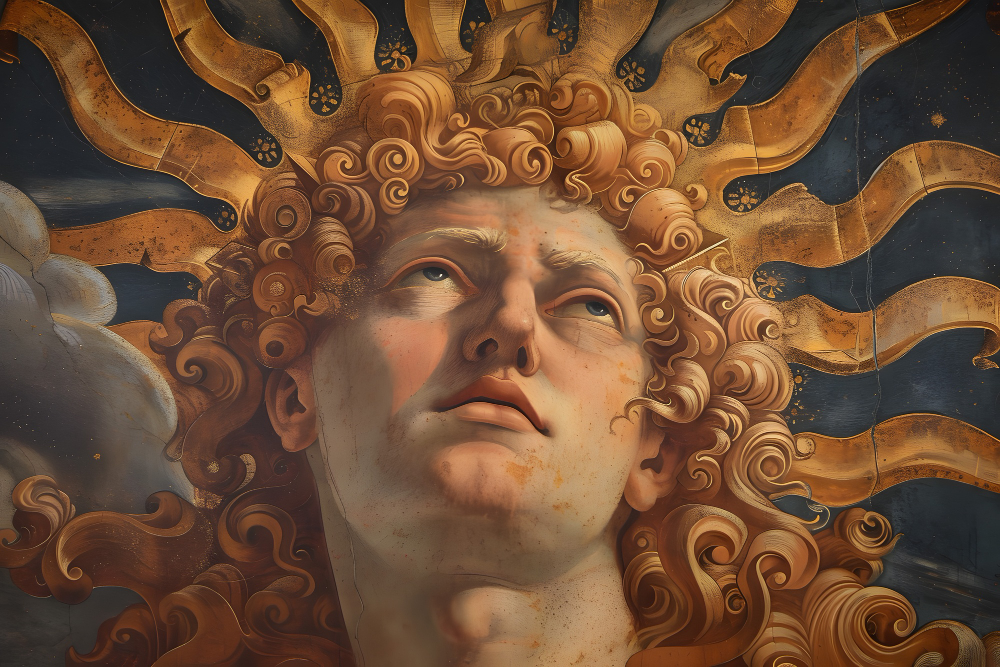
The Hidden Symbolism in Renaissance Paintings
The Hidden Symbolism in Renaissance Paintings explores the layered meanings embedded within Renaissance art, revealing how artists used religious, mythological, and philosophical symbols to communicate ideas beyond the visible image. It examines techniques such as color, light, and sacred geometry, alongside the influence of figures like Leonardo da Vinci and Botticelli, to uncover the intellectual and spiritual codes of the era. The book ultimately traces how this symbolic language shaped both Renaissance culture and its lasting impact on modern art.
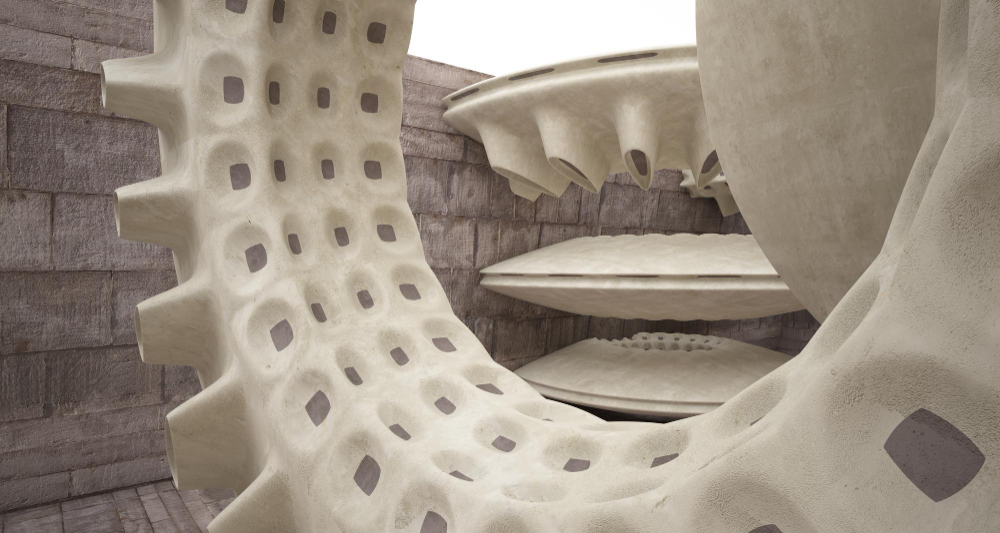
How Ancient Civilizations Influenced Modern Architecture
This book explores how the architectural achievements of ancient civilizations continue to shape the buildings and cities of today. From the monumental structures of Egypt and Mesopotamia to the engineering brilliance of Rome and the symbolic beauty of Eastern and Islamic design, it reveals the lasting influence of ancient ideas on modern architecture. Through each chapter, readers discover how timeless principles of structure, aesthetics, and urban planning evolved from temples and palaces into contemporary skylines and civic spaces.
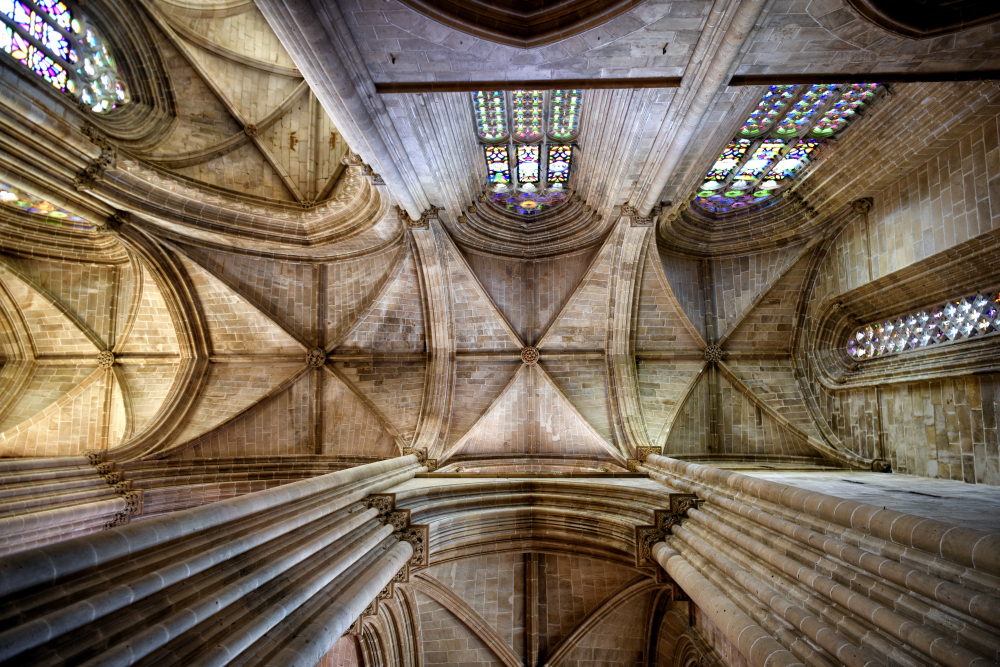
The Evolution of Cathedral Design Through the Centuries
This book traces the remarkable evolution of cathedral architecture from the early Christian basilicas to the innovative sacred spaces of the modern world. It explores how faith, culture, and technological advancements shaped the design of cathedrals across centuries, giving rise to some of history’s most inspiring structures. Through its chapters, readers discover the beauty of Romanesque and Gothic masterpieces, the engineering achievements of medieval builders, and the ways cathedral design continues to adapt in the contemporary global age.
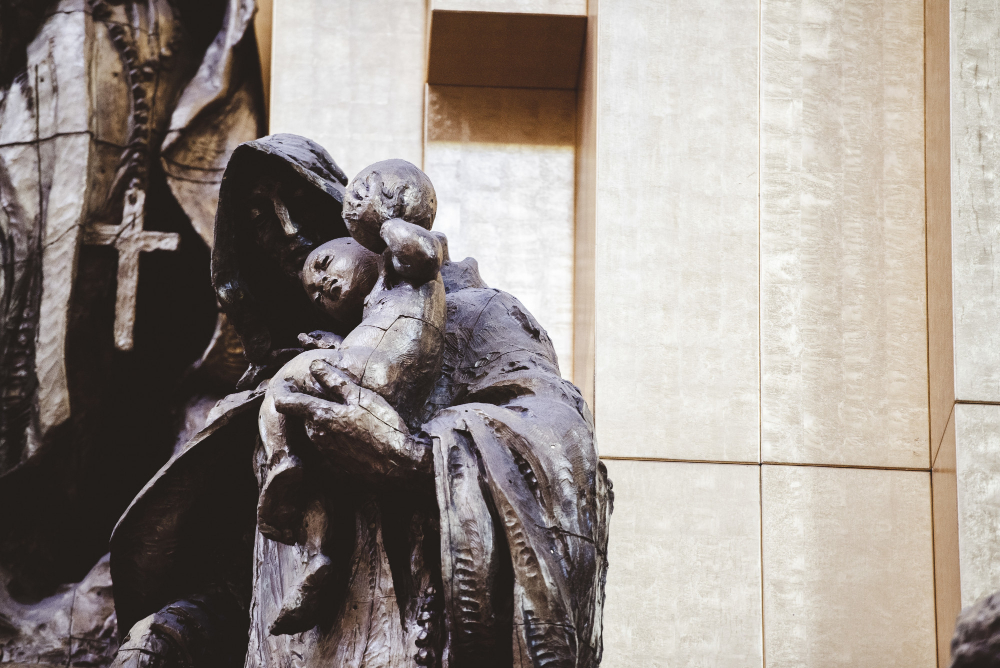
The Most Influential Art Movements in European History
This book explores the most influential art movements that shaped European history, from the classical traditions of the Renaissance to the bold experimentation of modern art. It reveals how social change, politics, religion, and cultural revolutions inspired artists to redefine creativity across different eras. Through each chapter, readers discover the ideas, techniques, and masterpieces that transformed European art and left a lasting impact on global culture, architecture, and visual expression.
The Story of Lost Cities and Their Architecture
This book uncovers the fascinating stories of lost cities and the remarkable architecture they left behind. From ancient civilizations buried beneath deserts and jungles to forgotten urban wonders rediscovered by archaeologists, it explores how these cities reflected the culture, power, and innovation of their people. Through each chapter, readers journey across history to discover the mysteries, engineering achievements, and artistic beauty of civilizations whose architectural legacies continue to inspire the modern world.
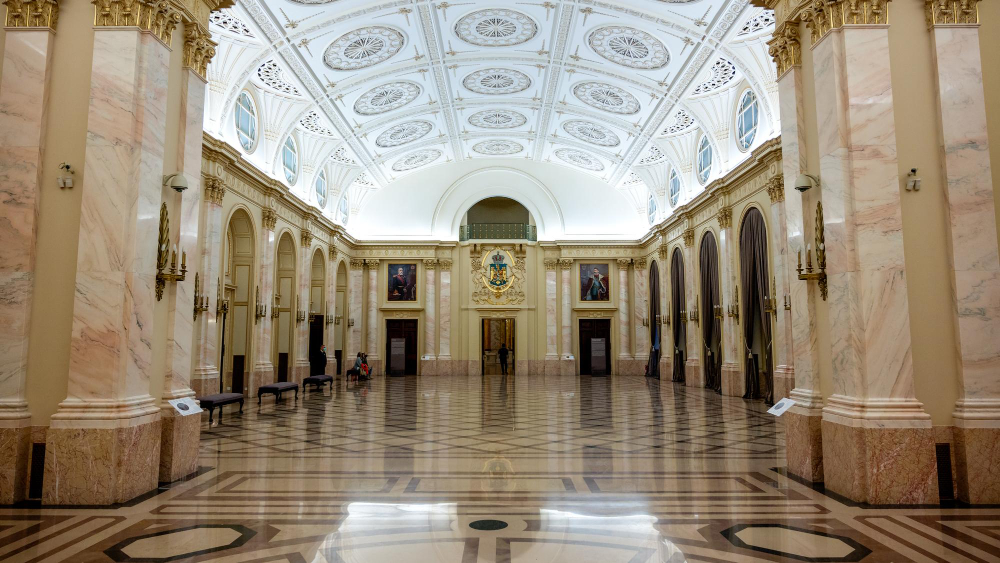
How Museums Preserve the World’s Cultural Heritage
This book explores how museums protect, preserve, and share the world’s cultural heritage for future generations. It examines the important role museums play in conserving artifacts, artworks, historical documents, and traditions that reflect the history and identity of societies around the globe. Through its chapters, readers discover the science of preservation, the challenges of restoration, and the evolving ways museums use technology and education to keep culture alive in the modern world.
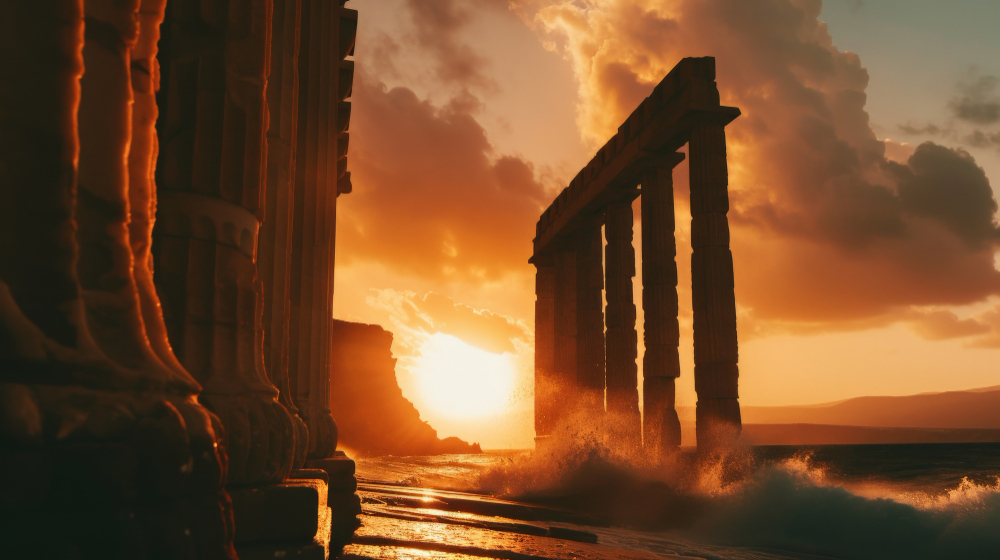
The Rise and Fall of Ancient Roman Engineering
This book explores the extraordinary achievements of ancient Roman engineering and the lasting impact they had on the development of civilization. From aqueducts and roads to amphitheaters and advanced urban planning, it reveals how Roman innovation transformed daily life and expanded the power of the empire. Through its chapters, readers discover both the brilliance and the decline of Roman engineering, examining how political, economic, and social changes contributed to the fall of one of history’s greatest technological civilizations.
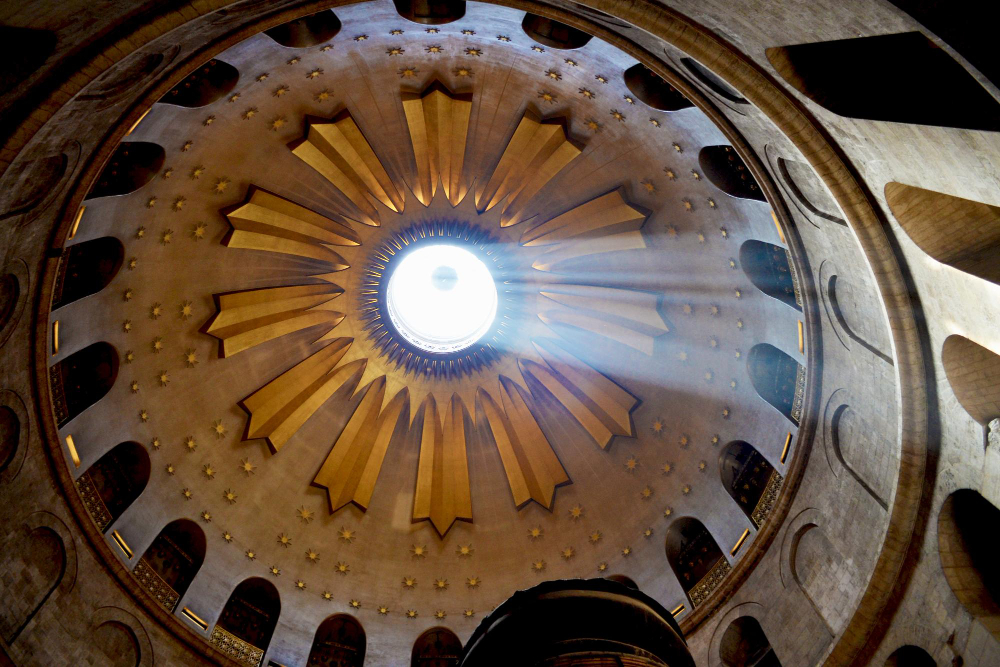
The Meaning of Light in Religious Architecture
This book explores the symbolic and spiritual meaning of light in religious architecture across different cultures and faiths. From the stained glass of Gothic cathedrals to the serene illumination of temples and mosques, it reveals how light has been used to inspire reflection, devotion, and a sense of the divine. Through its chapters, readers discover how architects and religious traditions transformed natural and artificial light into powerful elements of sacred design, shaping emotional and spiritual experiences within worship spaces throughout history.
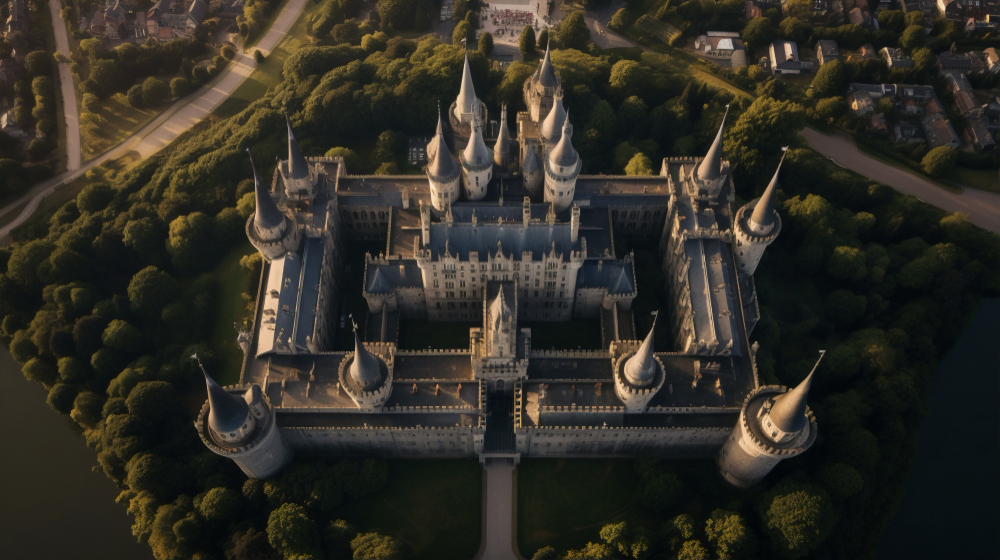
The Architecture of Power: Palaces, Thrones, and Empires
This book explores how architecture has been used throughout history to display power, authority, and imperial ambition. From grand palaces and royal courts to monumental halls and ceremonial spaces, it reveals how rulers shaped buildings to reflect wealth, control, and cultural identity. Through its chapters, readers discover the political symbolism, artistic achievements, and architectural innovations behind some of the world’s most influential empires and the structures that defined their legacy.
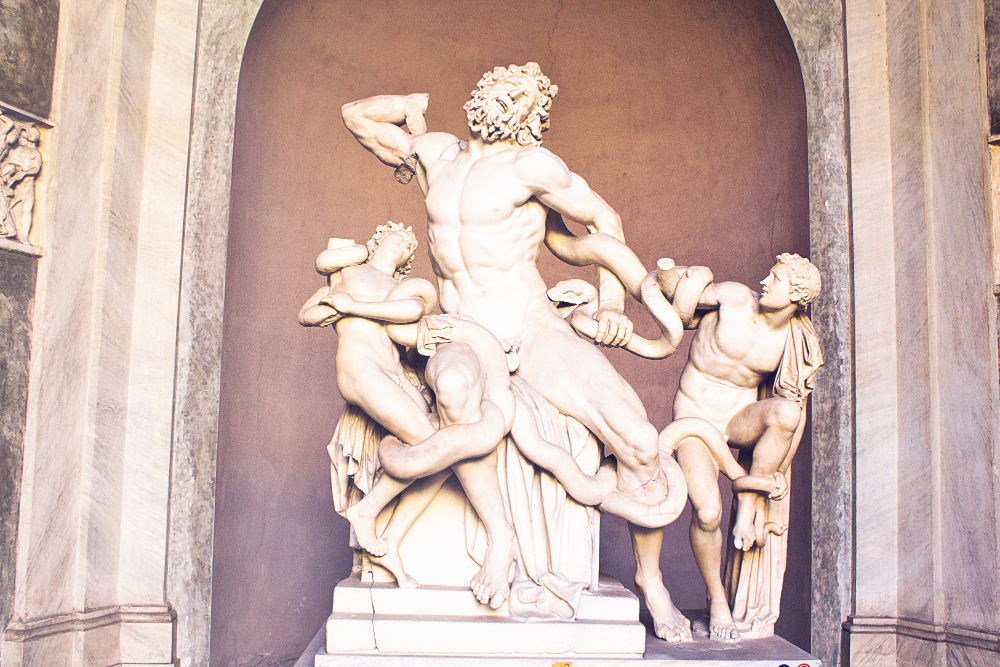
The Greatest Sculptures That Changed Art History
This book explores the greatest sculptures that have shaped the course of art history, from ancient masterpieces carved in stone to modern works that redefine form and meaning. It reveals how sculptors across different eras used material, space, and emotion to express cultural values and human experience. Through its chapters, readers discover the artistic breakthroughs, symbolic power, and enduring influence of iconic sculptures that continue to inspire artists and audiences around the world.